





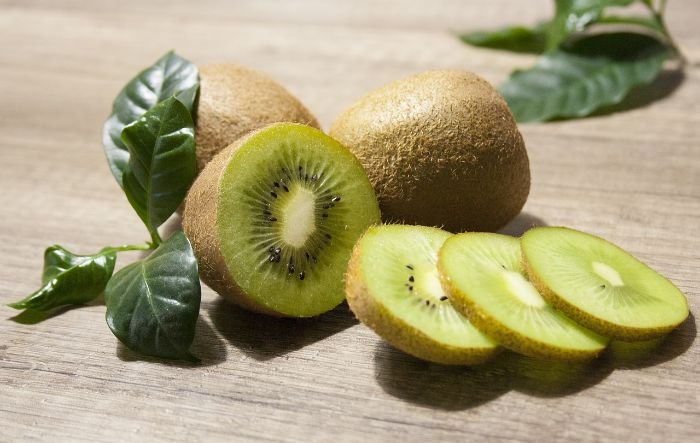
Did you know kiwifruit is packed with vitamin K? This superfruit can make your bones stronger. Vitamin K is key for bone health. Growing your own kiwifruit at home means you always have fresh, nutritious kiwifruit.
This article will cover why vitamin K is important for bones. We’ll see how growing kiwifruit at home gives you a tasty way to get this nutrient. You’ll learn about kiwifruit’s nutrition, how to prepare your garden, and how to care for the vines. By the end, you’ll know how to grow your own kiwifruit for better bone health.
Key Takeaways
- Vitamin K is essential for maintaining bone health.
- Kiwifruit is a vitamin K-rich superfruit.
- Growing your own kiwifruit ensures a fresh and nutritious supply.
- Kiwifruit has a diverse nutritional profile.
- We will explore the steps to grow kiwifruit in your garden.
Table of Contents
The Importance of Vitamin K for Bone Health
Vitamin K is key for keeping bones strong. It helps prevent osteoporosis and fractures. It makes a protein that helps bones absorb calcium, making them stronger.
How Vitamin K Supports Bone Strength
Vitamin K makes proteins that help bones. These proteins make the bone matrix strong. They also keep calcium in the bones and not in soft tissues.
Daily Vitamin K Requirements
You need the right amount of vitamin K for strong bones. Men need about 120 micrograms a day. Women need about 90 micrograms a day. Vitamin K is better absorbed with fats.
Kiwifruit as a Source of Vitamin K
Kiwifruit is packed with vitamin K. Eating one kiwifruit gives you a lot of vitamin K. Adding kiwifruit to your meals boosts your vitamin K and tastes great.
Nutritional Profile of Kiwifruit
Kiwifruit is tasty and refreshing. It’s also packed with nutrients that boost health. Let’s explore the vitamins, minerals, antioxidants, and fiber that support digestive health.
Key Vitamins and Minerals
Kiwifruit is full of important vitamins and minerals. It’s high in vitamin C, which helps your immune system and keeps skin and joints healthy. It also has vitamin E and A, which protect against harm and keep you feeling good.
Kiwifruit is loaded with potassium, calcium, and magnesium too. Potassium keeps blood pressure in check. Calcium makes bones and teeth strong. Magnesium helps muscles work right and gives you energy.
Antioxidant Properties
Kiwifruit is full of antioxidants that fight off harmful stress and inflammation. These include vitamin C and E. They stop free radicals in their tracks, lowering the risk of heart disease, cancer, and eye problems as you age.
Dietary Fiber and Digestive Health
Kiwifruit is a great source of fiber, which is key for your gut. Fiber keeps your bowel movements regular, stops constipation, and supports a healthy gut.
The fiber in kiwifruit comes in two types: soluble and insoluble. Soluble fiber slows down digestion and makes you feel full, helping with weight control. Insoluble fiber adds bulk to your stool, helping with regular bowel movements and preventing constipation.
Eating kiwifruit adds delicious flavor to your meals and brings many health benefits. It’s full of vitamins, minerals, antioxidants, and fiber.
Preparing to Grow Kiwifruit in Your Garden
Growing kiwifruit in your garden needs careful planning for success. By following the right steps, you can make the most of your kiwifruit vines. We’ll give you key info on how to get your garden ready for kiwifruit.

Choosing the Right Kiwifruit Varieties
Before starting, pick the right kiwifruit types. There are many kinds, each with special traits. Some do better in certain climates or soils. Do your homework to pick the best ones for your garden. This will help you have a great harvest.
Ideal Soil and Climate Conditions
Kiwifruit likes soil that drains well and has a pH of 5.5 to 7.5. Make sure the soil is rich in organic matter and drains well. It also needs a place without frost, with a mild climate. If it’s cold where you live, choose hardy kiwifruit types.
Kiwifruit also needs lots of sunlight to grow and produce well. Pick a spot in your garden that gets full sun all day. This helps with growth and making good fruit.
Selecting the Perfect Planting Site
When picking a spot for kiwifruit vines, think about sunlight, wind, and easy access. Choose a spot that gets at least six hours of direct sunlight a day. This helps with healthy growth and fruiting.
Make sure the spot is safe from strong winds, as they can hurt the plants. Also, pick a spot that’s easy to get to for upkeep and picking.
By thinking about these things and picking the right kiwifruit types, soil, climate, and spot, you’re on your way to growing kiwifruit in your garden.
Planting Kiwifruit Vines
Now that your garden is ready, it’s time to plant kiwifruit vines. It’s important to know the best way to plant, when to plant, how far apart, and how to use trellises. These steps help your kiwifruit plants grow well.
When to Plant Kiwifruit Vines
The best time to plant kiwifruit vines varies by location. Usually, plant them in late winter or early spring. This is when the soil can be worked and there’s no frost. But, the exact time can change depending on your USDA hardiness zone.
Proper Planting Techniques
To help your kiwifruit vines grow strong, follow these steps:
- Choose a sunny spot with soil that drains well.
- Dig a hole big enough for the vine’s roots.
- Put the vine in the hole, making sure the crown is level with the soil.
- Fill the hole with soil, pressing it around the roots to get rid of air pockets.
- Water well after planting to help settle the soil.
Spacing and Trellising
It’s key to space and trellis your kiwifruit vines right. Keep them 10 to 15 feet apart for good air flow and sunlight. A trellis system also supports the vines and helps them grow up, which means more fruit.
Think about the height, stability, and strength of your trellis. A strong trellis gives your vines a good place to grow.
Caring for Your Kiwifruit Vines
After planting kiwifruit vines, give them the care they need for great growth and lots of fruit. This care includes watering, fertilizing, and pruning. These steps help you get a big harvest of tasty kiwifruit.
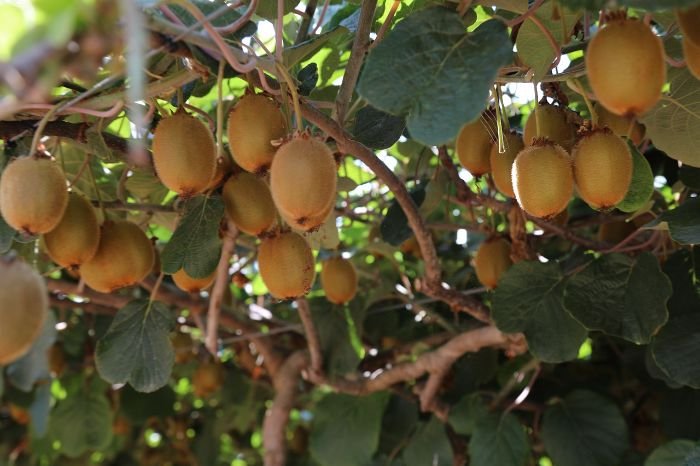
Watering and Irrigation Needs
Watering is key for kiwifruit vines. They need water often, especially when they’re growing. How much and how often depends on the climate, soil, and the vine’s age.
Check the soil often to see if it needs water. Too much water can hurt the roots, while not enough can stress the vine. Using drip irrigation helps put water right at the roots and saves water.
Fertilization and Soil Management
Fertilizing is important for kiwifruit vines. Test your soil to see what nutrients it lacks. Then, pick the right fertilizers to fix those issues.
Give your vines a balanced fertilizer in spring to help them grow strong. Later, switch to a fertilizer with more phosphorus and potassium to help the fruit grow. Organic options like compost and manure are good for the soil too.
Good soil care is also key. Keep an eye on the soil’s moisture, pull weeds, and use mulch. Mulch helps keep moisture in, stops weeds, and keeps the soil cool.
Pruning and Training for Optimal Growth
Pruning and training are important for kiwifruit vines. Pruning gets rid of dead or damaged wood and helps the vines grow better. It also lets more air and sunlight in.
Prune in late winter or early spring, before the buds swell. Cut back too much growth and keep the branches thin. This keeps the vines healthy and strong.
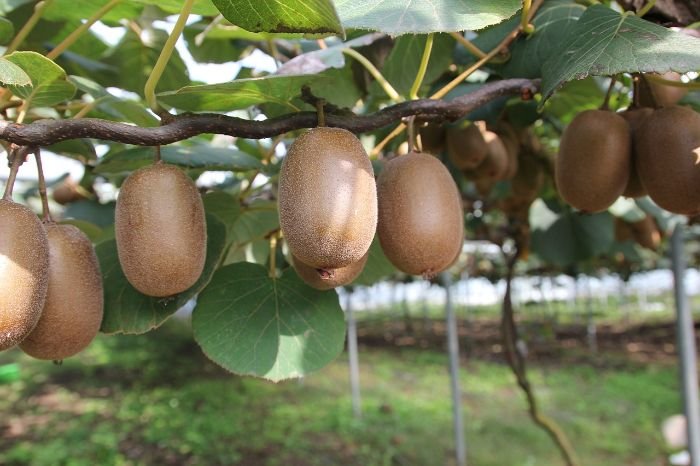
Using a trellis helps your vines grow well and makes picking easier. Tie the main stem to a support and guide the branches along the wires. Check the ties often to make sure they’re not hurting the vines.
By taking good care of your kiwifruit vines, you’ll get a great harvest. This includes watering, fertilizing, pruning, and training. These steps make sure your vines grow well and give you lots of tasty kiwifruit.
Managing Pests and Diseases
Kiwifruit vines can get pests and diseases. It’s key to watch out and act fast to keep your vines safe. We’ll talk about pests and how to stop and treat diseases. We’ll look at organic and chemical ways to fight pests and diseases, based on what you prefer and do in your garden.
Common Pests Affecting Kiwifruit Vines
Knowing pests that bother kiwifruit vines helps you spot and fix problems early. Some pests you might see include:
- Aphids – These small bugs eat the kiwifruit vine sap, making the plant grow poorly and weaken.
- Spider Mites – These tiny pests harm kiwifruit vines by sucking sap and making webs. This causes leaf color changes and less growth.
- Scale Insects – These pests stick to the vines and drink plant juices, making leaves turn yellow and cutting down on fruit.
- Thrips – Thrips eat kiwifruit vine leaves and flowers, causing them to look distorted and change color.
Disease Prevention and Treatment
Stopping diseases is key to keeping kiwifruit vines healthy. Some diseases that can hit kiwifruit include:
- Botrytis Fruit Rot – This fungus makes kiwifruit decay, turning them soft and brown.
- Anthracnose – A fungus that causes sunken spots on the fruit, making it less good for market.
- Crown Gall – A bacteria that causes big, tumor-like growths on kiwifruit vines.
To stop diseases, keep your garden clean by washing tools and removing sick plants. Good air flow, rotating crops, and picking disease-resistant kiwifruit can also help.
If a disease happens, treat it quickly. Use fungicides and bactericides made for kiwifruit to fight diseases. Ask a local gardening expert for the best treatment advice.
Organic and Chemical Control Methods
Many gardeners want to fight pests and diseases without harming the environment. Organic methods use natural products and practices to lessen harm. This includes:
- Biological control – Using good insects or organisms that eat or compete with pests can keep their numbers down.
- Homemade remedies – Some gardeners use things like neem oil, garlic, or soap to keep pests away and reduce disease.
- Cultural practices – Planting correctly, pruning, and checking regularly can stop pests and diseases from getting worse.
Chemical methods use synthetic pesticides to fight pests and diseases. They work well but should be used carefully, following the directions and thinking about the environment. Think about the good and bad of chemical methods and decide what’s best for your garden.
Harvesting and Using Your Kiwifruit
Once your kiwifruit vines are ready, it’s time to pick and enjoy your hard work. We’ll show you how to tell when kiwifruit are ripe and how to pick them safely. You’ll learn how to store and keep them fresh. Plus, we’ll give you tasty kiwifruit recipes to use your harvest.
Recognizing Ripeness
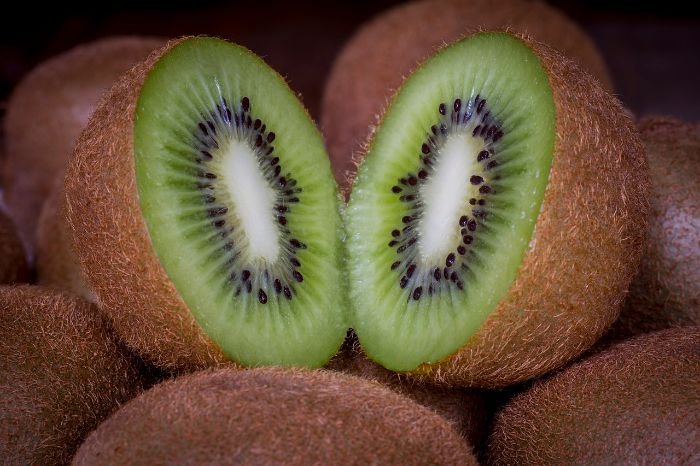
Knowing when to pick kiwifruit is key. They’re ready when they give a bit when pressed. They should be firm but not too hard or soft. The skin should be smooth and look good.
Check the color too. Ripe kiwifruits are bright green or gold, depending on the type. Don’t pick any that are hard or look dull and wrinkled. They’re not ready yet.
Harvesting Techniques
Use sharp shears or scissors to pick kiwifruit. Cut the stem close to the fruit, leaving a bit. Don’t rip or twist the fruit off, as it can hurt the vine or bruise the fruit. Be gentle with the fruit to avoid damage.
Storing and Preserving Kiwifruit
Keep your kiwifruit fresh by storing them right. You can keep them at room temperature until they’re ripe. Once ripe, put them in the fridge to last longer. Use a container or bag that lets air in to stop them from getting too soft or moldy.
If you have lots of kiwifruit, you can freeze, can, or make jams and jellies. Freezing slices or puree lets you enjoy them all year. Canning keeps their flavor, and making jams and jellies is great for toast or pastries.
Delicious Kiwifruit Recipes
Now you’ve picked and stored your kiwifruit, try these yummy recipes. From salads and smoothies to desserts, kiwifruit adds flavor and color to your food. Make a kiwifruit salsa for fish or chicken, or enjoy a kiwifruit cheesecake. There are so many ways to use kiwifruit in the kitchen.
Conclusion – Strengthen Your Bones with Homegrown Kiwifruit
Growing your own kiwifruit is rewarding. It gives you a tasty and healthy fruit and helps your bones. Kiwifruit is full of vitamin K, which is key for strong bones. Adding homegrown kiwifruit to your meals helps you keep your bones strong.
This article talked about how vitamin K helps bones stay healthy. Kiwifruit is a great way to get this important nutrient. It’s smart to eat kiwifruit often.
You can grow your own kiwifruit vines by following our steps. Choose the right type and take good care of your plants. This way, you can have your own superfruit that’s good for your bones.
Enjoy the happiness of having a kiwifruit garden. Taste the delicious kiwifruit you grow and make your bones stronger. Start planting kiwifruit vines now. Begin a journey of being self-sufficient and healthy.
FAQ
How does vitamin K support bone strength?
Vitamin K helps make proteins for bone health. This makes bones stronger and less likely to break.
What key vitamins and minerals does kiwifruit contain?
Kiwifruit has vitamins C, E, and A. It also has minerals like potassium, calcium, and magnesium.
What are the antioxidant properties of kiwifruit?
Kiwifruit is full of antioxidants. These protect the body from harmful stress and inflammation.
How does kiwifruit promote digestive health?
Kiwifruit’s fiber helps keep digestion regular and supports a healthy gut.
When is the best time to plant kiwifruit vines?
Plant kiwifruit vines when it suits your area’s climate best.
Why is spacing and trellising important for kiwifruit vines?
Spacing and trellising help kiwifruit vines grow well and stay strong.
How can I store and preserve harvested kiwifruit?
Keep kiwifruit in a cool, dry spot out of sunlight. You can also refrigerate or freeze them.