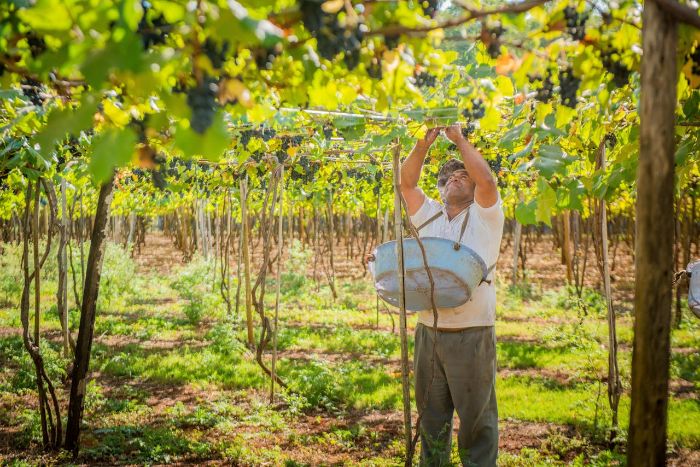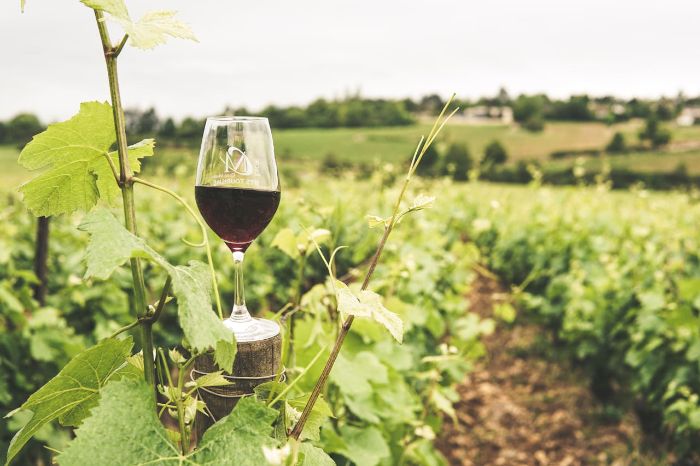





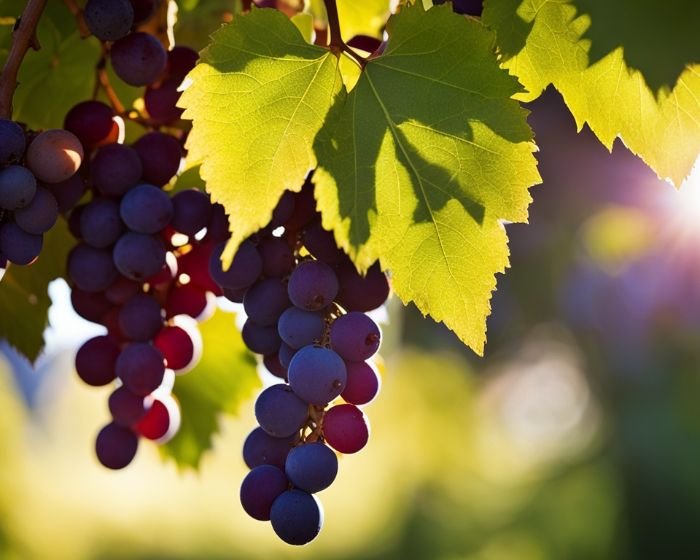
What if the secret to great wine is in the sun? Sunlight is key to making grapes perfect for wine. It changes the fruit’s quality and the wine’s taste. The sun’s rays work through photosynthesis, making sugars and adding flavor to the wine.
This is why knowing how sunlight affects grapes is important for grape growers. They want to make the best grapes.
Key Takeaways
- Sunlight is essential for effective photosynthesis in grapevines.
- Quality of sun exposure grape affects flavor profiles and sugar content.
- Optimal vineyard sunlight enhances the overall quality and maturation of wine grapes.
- Understanding sun exposure can help in designing better vineyard strategies.
- Managing sunlight available to vines is vital for combating common viticultural challenges.
Table of Contents
Introduction to Sun Exposure for Grapes
Sunlight is key for grape growth. Grapevines use sunlight as their main energy source. This helps them grow. Knowing how sunlight helps grapes is key to better quality and yield.
Importance of Sunlight in Grape Development
Sunlight is vital for grapevine health. It helps with photosynthesis, making grapes grow. This process makes sugars and compounds that make grapes taste better.
Grapes that get a lot of sunlight have more sugars, acids, and aromas. This makes the wine taste more complex and flavorful.
Overview of Photosynthesis and Grape Growth
Photosynthesis turns light into chemical energy in grapevines. This energy helps grapes grow and ripen. It affects the quality of the grapes.
Grapes that get enough sunlight grow better. This leads to grapes that are perfect for making wine.
Understanding Sunlight Requirements
Grape vines need specific sunlight to grow well and produce great grapes. Getting enough sunlight is key for healthy vines and top-quality grapes.
Optimal Sunlight Hours for Grape Vines
Grapes need 6 to 8 hours of direct sunlight each day. This sunlight helps vines make food through photosynthesis. It’s important for grape growth and making grapes.
Effects of Insufficient Sun Exposure
Not enough sunlight can hurt grapevines. Vines with too little sunlight may have:
- Less sugar in the grapes, making them less sweet.
- Smaller berries, which can lower the yield.
- Later ripening, making harvest timing tricky.
Not enough sunlight during growth can slow down vines. It can also make the grapes taste off. This can lead to wine that’s not as good.
The Role of Sunlight in Fruit Development
Sunlight is key to grape development. It helps with sugar buildup, color, and flavor. The right amount of light is crucial for top-quality grapes.
Enhancing Sugar Production
Sunlight boosts grape sugar levels. This is important for making wine. More light means more sugar, which makes the wine sweeter and stronger.
Improving Color and Flavor
Sunlight also changes the look and taste of grapes. It makes grapes colorful and flavorful. This is because sunlight helps make compounds that give grapes their color and smell.
These compounds make the grapes look bright and taste better. This makes them great for making wine.
Strategies for Optimizing Sunlight Absorption
Getting the most sunlight needs careful planning. Start by picking the best spot for your Vineyard. Then, design your vineyard rows to catch more sunlight.
Choosing the Right Vineyard Location
When picking a vineyard spot, think about a few things. Look at the site’s latitude to see how much sun it gets all year. The slope direction matters too; south slopes get more sun than north ones.
Don’t forget about local weather patterns. They can change how much light your vines get and their health.
Designing Vineyard Rows for Maximum Sun Exposure
Once you have a good spot, plan your vineyard rows well. Make sure they face the sun to catch as much light as possible. Avoid shadows from other plants or structures like trellises.
Also, keep vines close together in rows. This lets more sunlight reach them, making grapes healthier and tastier.

Pruning Techniques to Increase Sunlight Penetration
Pruning grapes is key to getting more sunlight into the vine canopy. Doing it right at the right time helps grapes grow better. It lets more light in and improves air flow. This is important for grapes to ripen well and taste great.
Timing and Techniques for Effective Pruning
When to prune grapes is very important. It should be done when the vines are dormant to keep them healthy. Here are some good ways to prune:
- Removing too many shoots and leaves lets more light in.
- Thin out clusters to help air move and get more sun.
- Choose selective pruning to make vines stronger.
Managing Canopy Density
It’s important to make sure leaves get enough sunlight. Managing how thick the leaves are helps vines and grapes grow well. Here’s how to do it:
- Check vines often to see where they’re too crowded.
- Prune vines to have fewer leaves but still stay healthy.
- Use training methods for a wide canopy.
Using Reflective Mulches and Ground Covers
Using reflective mulches and ground covers helps grapes grow better. These materials make more sunlight reach the grapes and leaves. This means the grapes get better in taste and color.
Choosing the right mulch helps keep the soil cool and moist. This is good for grapevines.
Benefits of Reflective Surfaces
Reflective surfaces are great for grapevines. They give more light for photosynthesis. This makes vines healthier and grapes taste better.
They also stop weeds from growing. This helps grapes grow better.
Selecting the Right Mulch Materials
When picking mulch for vineyards, think about these things:
- How long it lasts outside.
- How well it reflects sunlight.
- If it works well with your soil and weather.
- How it keeps moisture in the soil.
Adapting to Climate and Environmental Conditions
Managing a vineyard means adjusting to changing weather, especially with sun and temperature. How well grapes grow often depends on these changes. This is very important in places with lots of sun or cold.
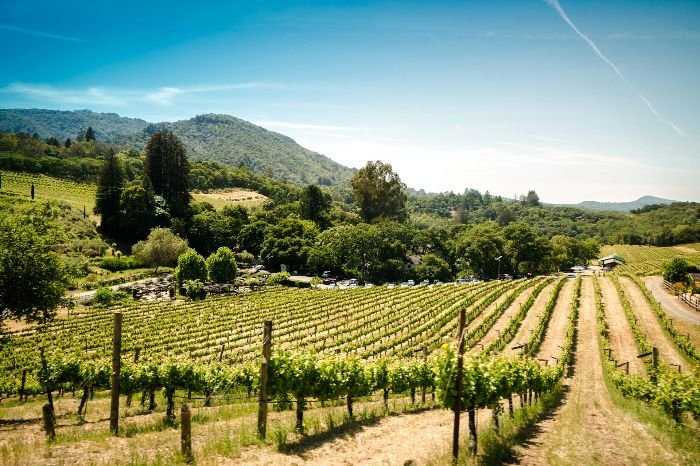
Managing Heat and Sun Intensity
High sun levels can stress grapevines. To avoid this, vineyards use several methods:
- Using shade cloths to shield vines from the sun
- Removing leaves to control sun exposure
- Planting other crops for natural shade
These steps help grapes adapt to the climate. They make sure the grapes grow well and don’t get sunburn.
Protection from Excessive Sun Exposure
In cooler areas, more sunlight helps grapes ripen and taste better. Using smart methods helps vines handle extreme temperatures.
Here are some ways to do this:
- Changing trellises to catch more sun in the cold
- Checking how much sun each vine gets
- Using special fertilizers to keep vines strong
These strategies show how important it is to adjust vineyard care for the climate. They help make better grapes by managing the sun well.
Common Challenges and Solutions
Vineyards often face issues that affect grape quality and growth. It’s key to tackle shaded areas and prevent vine sunburn. By using smart strategies, vineyards can stay healthy and productive.
Dealing with Shaded Areas
Shaded spots in vineyards can lower sugar levels and slow grape growth. To fix this, vineyard shading solutions are vital. They help with air flow and getting more sunlight. Here are some tips:
- Prune vines to cut back on too much foliage and let more light in.
- Plan vineyard layouts to reduce shadows.
- Keep an eye out for spots that need extra care to grow well.
Addressing Vine Sunburn
Vines can get sunburned from too much sun and heat. To stop this, we need to prevent vine sunburn. Here’s how:
- Use canopies to create shade that still lets in enough sunlight.
- Put reflective materials on vines to bounce away too much sun.
- Use selective shading during the hottest part of the day to avoid heat stress.
Monitoring and Adjusting Sunlight Strategies
Good vineyard management means watching how much sunlight vines get and changing things as needed. New tech helps a lot by giving real-time data for better grape growth. Tools like sensors and drones help get important info on sunlight and its effects on vines.
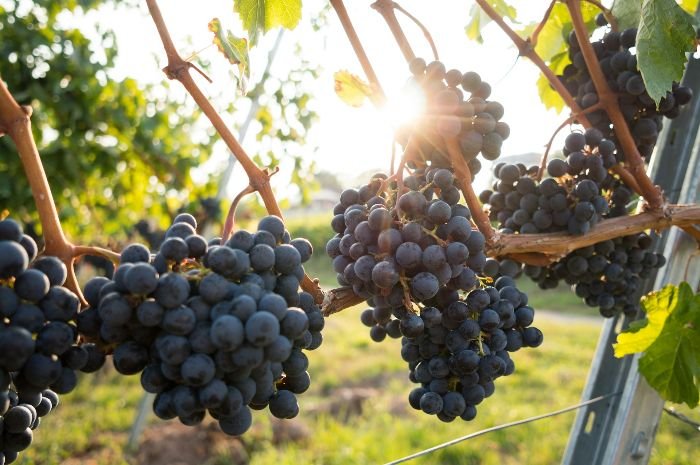
Using Technology for Sunlight Monitoring
Technology helps vineyards check how grapes react to sunlight. Sensors give info on sunlight levels all day. This helps managers make smart choices. They can change vineyard ways to make sure vines get just the right sunlight.
Adapting Techniques Over Time
The environment always changes, so vineyard plans must too. Changing things like how rows are set up, pruning, or even what cover crops are used can help. With ongoing sunlight checks, managers can spot trends and tweak their methods. This keeps grape quality high and increases yields.
Conclusion – Harnessing Sunlight for Optimal Grape Growth
Sunlight is key for grape growth. It helps make sugars and improves flavors. Vineyard managers use sunlight to make better grapes, which makes better wine.
They use special pruning and tech to get the most sunlight. This makes vines healthy and grapes better. New ways to use sunlight will help make grape growing better.
Knowing how sunlight helps grapes grow is important for vineyard managers. They keep finding new ways to use sunlight well. This helps make more grapes and better wine, showing sunlight’s big role in grape growing.
FAQ
Why is sunlight important for grape development?
Sunlight is key for grape growth. It gives grapes the energy they need. This energy helps make sugars and improves wine quality. Good sunlight is important for grapes to fully mature and taste great.
How many hours of sunlight do grapevines need each day?
Grape vines need 6 to 8 hours of sunlight each day. Less sunlight can make grapes small and sweet. It can also make them ripen slower, which lowers wine quality.
How does sunlight affect sugar production in grapes?
Sunlight boosts sugar production in grapes. It helps leaves make energy from light through photosynthesis. More sunlight means grapes get more sugars. This affects how the wine ferments and tastes.
What vineyard practices can improve sunlight exposure?
Vineyards can improve sunlight by arranging rows to follow the sun. They can also prune vines to let more light in. Using reflective mulches helps direct more sunlight to the vines.
How can excessive sun exposure harm grapevines?
Too much sun can burn grapes and stress vines. It can also make the wine taste bad. To avoid this, vineyards use shading or canopies to protect the grapes.
How does pruning influence sunlight penetration?
Pruning lets more sunlight into the vine by removing too much foliage. This improves light and air flow. It helps grapes ripen evenly and keeps sugars and acidity balanced.
What are some common challenges with sunlight exposure in vineyards?
Vineyards face issues like shaded areas that slow grape growth and sunburn from too much sun. They solve these by pruning vines for better light and using shading to protect grapes.