




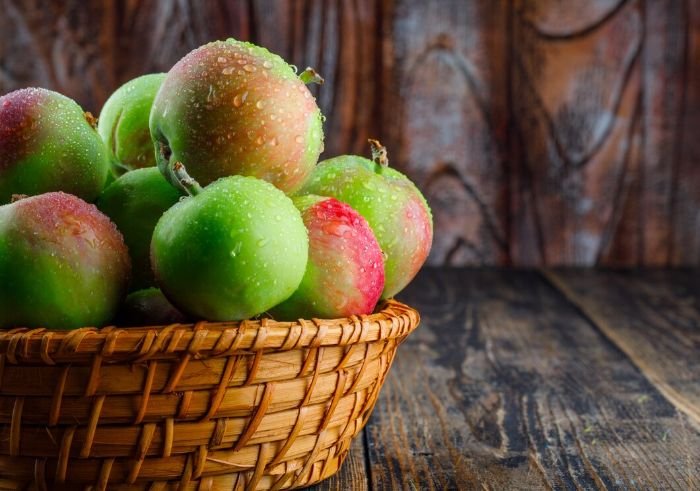
Did you know a simple fruit like the apple can boost your heart health? Eating homegrown apples can help keep your blood sugar stable, lower cholesterol, and reduce blood pressure. This makes them great for a healthy lifestyle.
Apples are also low in calories but full of nutrients that are good for you. They have antioxidants, fiber, and vitamins. These make them a key part of a diet focused on heart health.
But why are apples good for the heart? How do they help with blood sugar, cholesterol, and inflammation? And is there a difference between apples grown at home and those bought in stores?
This article will look into the heart benefits of homegrown apples. We’ll also talk about the science behind their nutrients. Plus, we’ll give tips on growing your own apple trees for a steady supply of healthy apples. Let’s discover how homegrown apples can make you healthier!
Key Takeaways:
- Eating homegrown apples can provide numerous heart-healthy benefits.
- Apples are low in calories and high in essential nutrients.
- They contain antioxidants, fiber, and vitamins that support heart health.
- Regular consumption of apples can help stabilize blood sugar, lower cholesterol levels, and reduce blood pressure.
- Homegrown apples offer the added benefits of freshness and control over cultivation methods.
Table of Contents
The Cardiovascular Benefits of Apples
Apples are tasty and versatile in cooking. They also boost heart health with their nutrients. Eating apples can make you feel better overall.
Apples and Heart Health
Eating apples often can help your heart. They keep blood sugar stable, which lowers the risk of diabetes. Apples have antioxidants that protect the pancreas and slow down sugar absorption.
Cholesterol-Lowering Properties
Apples are full of dietary fiber, which is great for lowering cholesterol. This fiber binds to cholesterol in the gut, stopping it from getting into your blood. Studies show apples can lower total cholesterol and heart disease risk.
Antioxidant and Anti-inflammatory Effects
Apples are packed with antioxidants like flavonoids and polyphenols. These protect against oxidative stress and reduce inflammation. They fight free radicals and prevent cell damage, keeping your heart healthy. Eating apples can lower the risk of chronic diseases, including heart disease.
Adding apples to your meals is a tasty way to boost your heart health. Enjoy them fresh, in desserts, or in salads. Apples are a great choice for a heart-healthy diet.
Nutritional Profile of Apples
Apples are tasty and good for your health. They are full of vitamins, minerals, and fiber. These nutrients help keep you healthy.
Key Vitamins and Minerals
Apples have important vitamins and minerals. Vitamin C in apples helps your immune system. Potassium helps keep your heart healthy.
Dietary Fiber and Its Benefits
Apples are full of dietary fiber. This fiber is good for your digestive health. It also helps you feel full, which can help with weight control.
Comparing Apple Varieties
There are many types of apples. Each type has its own taste and nutrients. Popular apples include Gala, Granny Smith, Honeycrisp, and McIntosh. Each one has its own health benefits.
Preparing to Grow Apple Trees
Growing apple trees at home can be rewarding. But, you need to prepare well for success. Think about a few important things before you start.
Choosing the Right Apple Varieties
Choosing the right apple varieties is key. Pick ones that fit your taste and your area’s climate. Some apples can handle cold or heat better than others. They also resist diseases differently.
Think about what you want to do with the apples. Do you want to eat them fresh, cook with them, or make cider? This will help you pick the best varieties.
Ideal Climate and Soil Conditions
Apples need certain climates to grow well. Know your area’s climate to pick the right trees. Some apples need a lot of cold hours in winter.
Check how many hours below 45°F (7°C) your area gets in winter. Then, match that with the apple varieties you like.
Soil matters too. Apple trees like soil that drains well and is slightly acidic to neutral. Test your soil to see its pH and nutrient levels. Add things like compost if your soil needs it.
Planting Site Selection
Choosing the right spot for your apple trees is very important. Think about these things when picking a spot:
- Sunlight exposure – Apple trees need at least 6 hours of sunlight a day. Pick a spot that gets a lot of sun.
- Drainage – Don’t plant in areas with poor drainage. Too much water can harm the roots. Make sure the soil drains well or use raised beds if needed.
- Spacing – Apple trees need enough space for air and sunlight. Plant them as recommended for the variety you have.
Think about the apple types, climate, soil, and planting spot carefully. This will help you grow healthy apple trees. You’ll enjoy the fruits of your hard work for many years.
Planting Apple Trees
Planting apple trees right is key for their growth and health. The best time and methods make a big difference. This ensures your trees get off to a great start.
When to Plant
The best times to plant apple trees are early spring or late fall. These seasons have moist soil, which helps roots grow well. The weather is also mild, perfect for new growth.
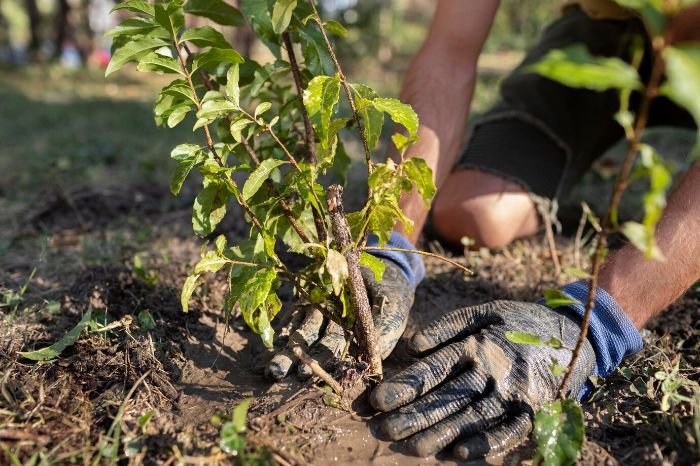
Proper Planting Techniques
For your apple trees to grow strong, use the right planting methods:
- Clear the area of grass and weeds to give the tree room to grow.
- Dig a hole big enough for the tree’s roots without crowding them.
- Put the tree in the hole, making sure it’s level or a bit higher than the ground.
- Fill the hole with soil, pressing it gently to remove air pockets.
- Water the tree well to help it settle and grow roots.
Initial Watering and Mulching
After planting, make sure your apple tree gets enough water and mulch. Water it often, especially when it’s dry, to keep the soil moist but not too wet. Mulch around the base helps keep moisture in, controls soil temperature, and stops weeds.
Caring for Your Apple Trees
Proper care is key for your apple trees’ health and productivity. Practices like watering, fertilizing, and pruning are essential. They help your trees thrive and last longer.
Watering and Irrigation
Apple trees need regular water, especially when it’s dry. Water them deeply, making sure the soil is soaked 12 inches down. Don’t water too often, as it can make roots shallow.
Using a drip irrigation system is a good idea. It keeps the roots moist without wasting water.
Fertilization and Soil Management
Fertilizing your apple trees gives them the nutrients they need. Test your soil to see what it lacks. Then, use a balanced fertilizer with nitrogen, phosphorus, and potassium.
Put fertilizer on in early spring and late fall. Also, add compost to the soil. It helps with nutrients and soil structure.
Pruning for Health and Productivity
Pruning is crucial for your apple trees. It removes dead or damaged branches. This improves air flow and lowers infection risks.
Pruning also helps with fruit production. It lets sunlight reach all parts of the tree. Do this in the dormant season, before buds start to grow. Use sharp tools for clean cuts.
By following these care tips, your apple trees will stay healthy and productive. You’ll get lots of fruit every year.
Protecting Apple Trees from Pests and Diseases
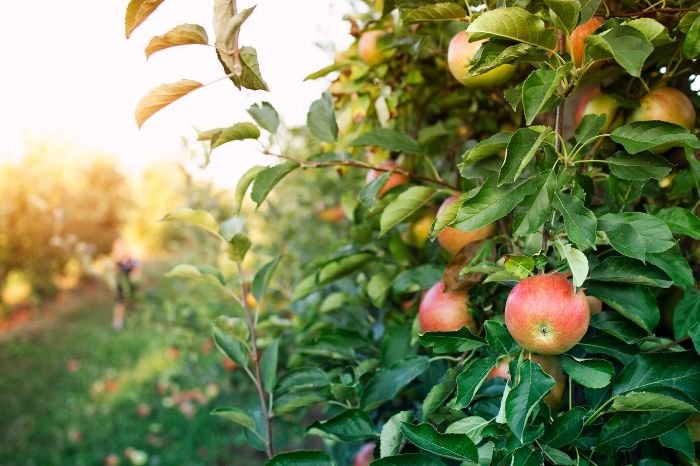
Apple trees face many pests and diseases that can harm them. It’s important to use good pest control and disease prevention. This keeps your apple trees healthy and helps you get a good harvest.
Common Apple Tree Pests
Knowing about common pests helps you catch them early. Some pests that bother apple trees are:
- Aphids
- Codling Moths
- Apple Maggots
- Mites
- Tent Caterpillars
Disease Prevention and Treatment
Stopping diseases is key to keeping apple trees strong. You should check your trees often, keep them clean, and treat them quickly if needed. Some diseases you should watch out for are:
- Apple Scab
- Fruit Rots
- Cedar Apple Rust
- Fire Blight
- Powdery Mildew
Organic and Chemical Control Methods
You can choose between organic and chemical ways to protect apple trees. Organic methods use natural ways to fight pests and diseases. They try to use fewer chemicals. Some organic ways include:
- Biological Controls
- Beneficial Insects
- Neem Oil Sprays
- Companion Planting
Chemical control uses man-made pesticides and fungicides. Always follow the directions and use chemicals carefully to protect the environment.
Using both organic and chemical methods can help keep your apple trees safe from pests and diseases. This keeps them healthy and productive.
Harvesting and Using Your Apples
After months of care, it’s time to pick your apples. Picking them at the right time means you get the best taste and sweetness. We’ll talk about how to know when they’re ripe, how to pick them, and how to store and use them. Plus, we’ll share some delicious apple recipes that are good for your heart.
Recognizing Ripeness
Knowing when to pick your apples is key. Look for a change in color from green to red, yellow, or a mix. Also, press the skin gently. It should feel firm but give a bit. A taste test will tell you if they’re sweet and tangy enough.
Harvesting Techniques
Harvesting apples right is important for the tree and the fruit. Twist the apple to remove it from the branch, not pull. This helps avoid harming the tree and keeps the apple from rotting. Be gentle with the apples to prevent damage.
Storing and Preserving Apples
Storing your apples right keeps them fresh. Keep them in a cool, dark spot with the right temperature and humidity. If you want to keep them longer, try canning, freezing, or dehydrating. These methods let you enjoy your apples all year.
Heart-Healthy Apple Recipes
With lots of apples, you can make many heart-healthy dishes. Try apple cinnamon oatmeal or apple walnut salad. You can bake pies, make applesauce, or create smoothies. There are so many ways to use your apples!
Conclusion – Enjoy the Heart-Healthy Benefits of Homegrown Apples
Growing and eating homegrown apples is good for your heart. They help lower cholesterol and fight inflammation. This makes them a great choice for a healthy diet.
By taking care of your apple trees, you can enjoy their fruits. Choosing the right type of apple and giving them the best climate and soil helps a lot. This makes your apples healthy and tasty.
When your apples are ready, you’re not done yet. You need to know when they’re ripe, how to pick them, and how to store them. This keeps their health benefits. Plus, you can use them in many tasty recipes.
Growing and eating your own apples is rewarding. It’s good for your heart and makes you feel proud. You get to enjoy the fruits of your labor and stay healthy.
FAQ
What are the heart-healthy benefits of homegrown apples?
Homegrown apples are great for your heart. They are low in calories but packed with nutrients. These include antioxidants, fiber, and vitamins that help keep your heart healthy.
Eating apples regularly can help control blood sugar, lower cholesterol, and reduce blood pressure. It can also ease inflammation, boost your gut health, make you feel full, and help you live longer.
How do apples support heart health?
Apples are good for your heart in many ways. They help keep your blood sugar stable, which lowers the risk of type 2 diabetes. The antioxidants in apples protect your pancreas and slow down how fast your body absorbs sugar.
Apples are also high in fiber, which can lower your cholesterol levels. Plus, their antioxidants and anti-inflammatory compounds reduce inflammation in your body. This protects against chronic diseases and improves your heart health.
What is the nutritional profile of apples?
Apples are full of nutrients. They give you vitamins C and potassium. Vitamin C boosts your immune system and helps control blood pressure. Potassium also helps with blood pressure.
Apples are also rich in fiber, which helps with digestion and makes you feel full. This can help you manage your weight. Different apples have slightly different nutrients and tastes, so you can pick what you like best.
How do I harvest and use my apples?
Harvest apples when they are ripe by looking for the right signs. Twist them off the tree to avoid damage. Keep them fresh in a cool, dark place.
You can also preserve apples by canning or freezing. Adding apple recipes to your meals is a great way to enjoy your apples and stay healthy.