




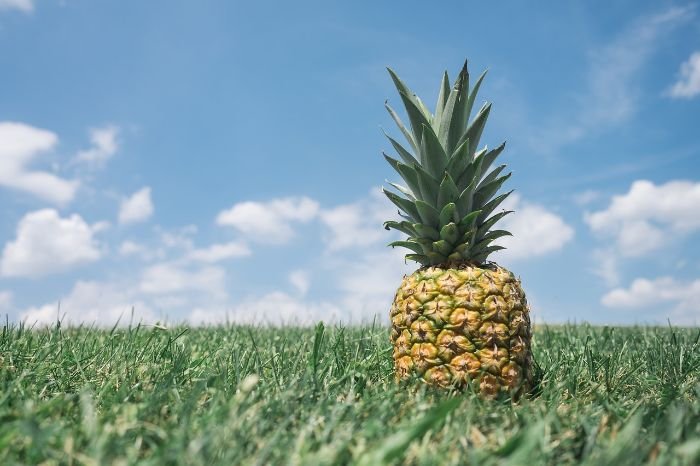
Welcome to our guide on the anti-inflammatory benefits of growing pineapples! This tropical fruit tastes great and has powerful properties. These properties help reduce inflammation in the body. If you have chronic inflammation or want to support your health, adding pineapples to your diet can help.
Pineapples fight inflammation in many ways. They have nutrients and compounds that reduce inflammation. We’ll look into how to grow your own pineapples to enjoy these benefits.
Join us as we explore pineapples’ nutritional value and their anti-inflammatory benefits. We’ll show you how to grow them in your garden and use them in tasty recipes. By the end, you’ll know how to use pineapples to fight inflammation and enjoy fresh, tasty fruit.
Key Takeaways:
- Pineapples have potent anti-inflammatory properties that can help reduce inflammation in the body.
- Key nutrients and compounds in pineapples, such as bromelain, contribute to their anti-inflammatory effects.
- Growing your own pineapples allows you to enjoy fresh and nutritious fruit while reaping the benefits of their anti-inflammatory properties.
- Understanding the nutritional profile of pineapples can help you make informed dietary choices for better health and wellness.
- Throughout this guide, we’ll provide expert tips on growing, caring for, and utilizing pineapples to enhance your anti-inflammatory journey.
Table of Contents
Understanding the Anti-Inflammatory Benefits of Bromelain
Pineapples are full of a powerful enzyme called bromelain. This enzyme breaks down proteins in our bodies. It’s key to understanding how pineapples help fight inflammation.
What is Bromelain?
Bromelain is a mix of enzymes from pineapple plants. It’s a proteolytic enzyme, meaning it breaks down proteins. People have used it for centuries for its health benefits, especially fighting inflammation.
How Bromelain Reduces Inflammation
Bromelain fights inflammation in several ways. It stops the production of molecules that cause inflammation. It also changes how our immune system reacts. This helps reduce inflammation in our bodies.
Scientific Studies on Bromelain’s Benefits
Many studies have looked into bromelain’s anti-inflammatory effects. These studies show bromelain can help with inflammation and related conditions. It’s been found to help with arthritis, sinusitis, and digestive issues.
Nutritional Profile of Pineapples
Pineapples are tasty and full of nutrients. They have vitamins and minerals that are good for your health. Let’s explore what’s in pineapples.
Key Vitamins and Minerals
Pineapples are full of important vitamins and minerals. Vitamin C is a big deal in pineapples. Eating just one pineapple gives you more than enough vitamin C for the day.
This vitamin C is an antioxidant. It helps your immune system, makes healthy skin, and helps wounds heal.
Pineapples also have a lot of manganese. Manganese is good for your bones and metabolism. It keeps you feeling good overall.
They also have vitamin B6. This vitamin is important for your brain, thinking, and making neurotransmitters.
Antioxidant Properties
Pineapples are full of antioxidants too. These help fight off bad stuff in your body. They reduce stress and lower the risk of diseases.
They have flavonoids and phenolic compounds. These are linked to less heart disease, cancer, and arthritis.
Dietary Fiber and Digestive Health
Pineapples are a great source of dietary fiber. Fiber is key for a healthy gut. It helps with digestion, keeps things moving, and keeps your gut healthy.
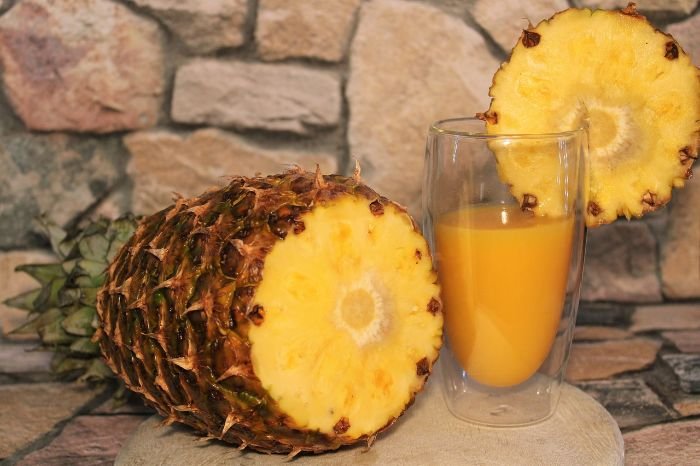
Eating pineapples can make your digestion better, help with constipation, and keep your gut happy.
Pineapples are packed with vitamins, minerals, antioxidants, and fiber. Adding them to your meals can boost your health and make you feel better.
Preparing to Grow Pineapples in Your Garden
Want to grow your own pineapples? First, you need to prepare well. We’ll cover the key steps for growing pineapples in your garden. This includes picking the right varieties, knowing the best soil and climate, and finding the perfect spot to plant.
Choosing the Right Pineapple Varieties
There are many pineapple types to pick from. Each one has its own needs. We’ll look at some popular ones and help you choose the best for your garden. Think about the size, taste, and how well it fights diseases when picking.
Ideal Soil and Climate Conditions
Pineapples need certain soil and climate to grow well. It’s important to know these needs. They like soil that drains well and has a pH of 5.5 to 6.5. They do best in warm places with lots of sun and temperatures between 60°F to 95°F.
Selecting the Perfect Planting Site
Choosing the right spot for your pineapples is key. Look for a place with lots of sun, good drainage, and protection from bad weather. Pineapples need full sun and soil that drains well to avoid root rot. If your area gets strong winds or frost, use windbreaks or covers to protect them.
Planting Pineapples
Now that you’ve prepared your garden and picked the right pineapple type, it’s time to plant them. We’ll guide you on when and how to plant pineapples for success.
When to Plant Pineapples
Pineapples have the best planting seasons for growth. The best time to plant varies by region. Think about your climate and local growing conditions to pick the right time. This helps your pineapple plants grow well.
Proper Planting Techniques
Planting pineapples needs special steps for the best results. Here’s how to do it:
- Get the planting hole ready by loosening the soil and removing weeds or debris.
- Put the pineapple plant in the hole, making sure the base is level with the soil.
- Fill the hole with soil and press it gently around the plant.
- Water the pineapple well to keep the soil moist.
These steps help your pineapple plants grow strong and healthy.
Spacing and Mulching
It’s key to space pineapple plants right for growth. Leave enough room between each plant for their size. About 1 to 2 feet apart is good.
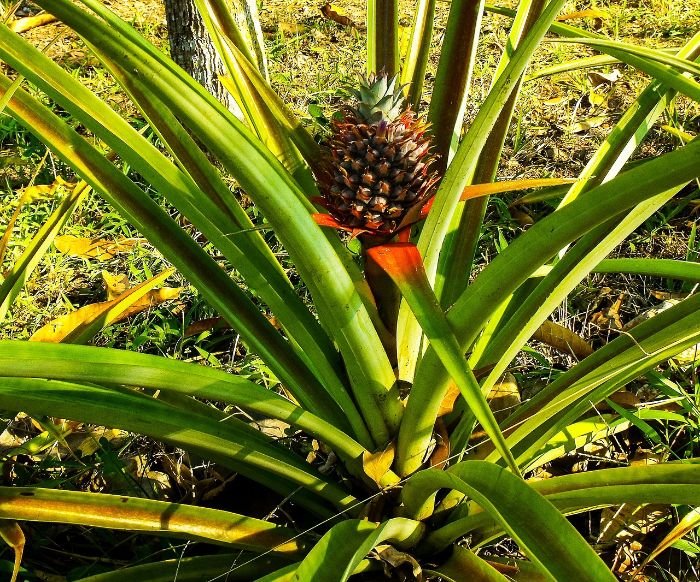
Mulching is also vital for pineapple care. Put mulch around the plants, leaving a gap around the stem. Mulch keeps the soil moist, stops weeds, and keeps the temperature steady. This helps pineapples grow well.
Caring for Your Pineapple Plants
Watering and Irrigation Needs
After planting your pineapple plants, give them the right care for health and growth. It’s key to water them well. Knowing how much water they need is important.
Use good watering and irrigation to keep the soil moist. Water regularly but don’t overdo it. Too much water can cause root rot.
Make sure the soil is moist but not too wet. Water deeply but not too often. This helps the roots grow deep and strong.
Think about using drip irrigation or soaker hoses. These systems deliver water right to the roots, saving water and helping plants grow.
Fertilization and Soil Management
Pineapple plants need regular food and good soil. They need the right nutrients to grow well.
Use a balanced fertilizer with nitrogen, phosphorus, and potassium. Follow the instructions on the fertilizer and adjust as needed for your plants.
Add things like compost or manure to the soil. These improve soil health and make nutrients available to plants.
Pruning and Training for Optimal Growth
Pruning and training help pineapple plants grow and produce well. Pruning means cutting off extra leaves and keeping one fruiting stalk. This helps the plant focus on making fruit.
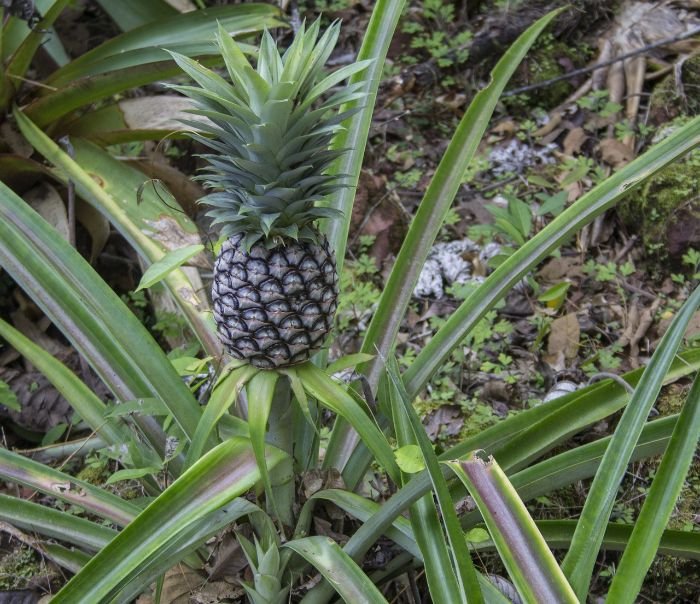
Look for suckers or side shoots and remove them. This stops them from taking nutrients and space from the main stalk.
Use supports like stakes or cages for your plants. This keeps them upright and prevents the fruit from touching the ground. It also lowers the chance of rot or pest damage.
Managing Pests and Diseases
Pineapples can get pests and diseases, just like other plants. We’ll look at common pests, how to prevent diseases, and control methods. We’ll cover both natural and chemical ways to fight pests.
Common Pests Affecting Pineapple Plants
Pineapple plants face threats from insects and animals. Here are some pests to watch out for:
- Aphids
- Mealybugs
- Nematodes
Knowing these pests helps you protect your pineapple plants. This keeps them healthy and growing well.
Disease Prevention and Treatment
Pineapple plants can get diseases from fungi, bacteria, and viruses. Some common diseases are:
- Black rot
- Heart rot
It’s key to prevent diseases to keep your pineapple plants safe. Clean your garden well to stop diseases from spreading.
Organic and Chemical Control Methods
You can use organic or chemical ways to fight pests and diseases. Organic methods include:
- Companion planting
- Biological control
These natural methods are good for the environment. But sometimes, you might need to use chemicals. Always use them safely and as a last choice.
Harvesting and Using Your Pineapples
After taking care of your pineapple plants, it’s time to enjoy the fruits of your labor. We’ll cover how to pick pineapples, store them, and use them in tasty recipes. You’ll learn how to tell when they’re ripe and how to keep them fresh.
Recognizing Ripeness
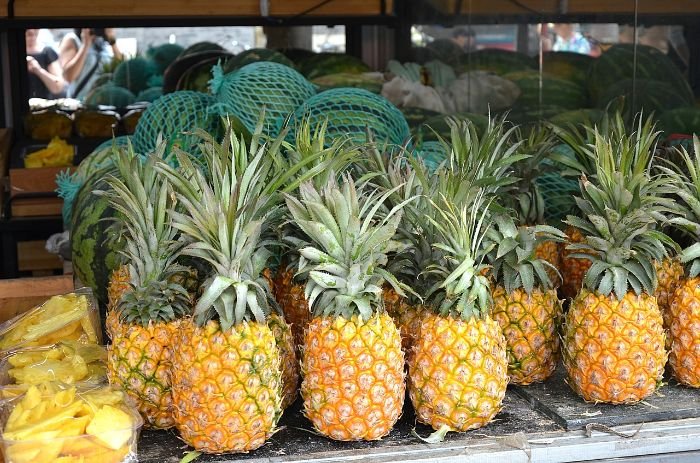
Knowing when a pineapple is ripe is key for the best taste. Look for a bright golden color, a sweet smell, and a soft feel when you squeeze it. These signs mean the pineapple is ready to eat.
Harvesting Techniques
Harvesting pineapples needs to be done carefully to protect the fruit and plant. Start by cutting the stem close to the fruit safely. Then, twist the fruit gently to take it off the plant. Be gentle to avoid bruising the pineapple.
Storing and Preserving Pineapples
After picking your pineapples, store them right to keep them fresh. Remove the stem and wash the fruit. Let them dry before putting them in a cool spot. For longer storage, keep them in the fridge for up to two weeks.
Delicious Pineapple Recipes
Pineapples are great on their own or in many recipes. Try making pineapple smoothies or savory dishes. Get creative and enjoy the many ways to use pineapples in your cooking!
Conclusion – Enjoy the Anti-Inflammatory Benefits of Homegrown Pineapples
Growing your own pineapples lets you taste the delicious tropical fruit and enjoy its anti-inflammatory benefits. Pineapples have a powerful enzyme called bromelain. This enzyme helps reduce body inflammation, boosting health and wellness.
Pineapples are also full of vitamins and minerals. They give you vitamin C for a strong immune system and manganese for energy and antioxidants. Plus, they have fiber which helps with digestion and keeps your gut healthy.
By following this article, you can grow healthy pineapple plants. You’ll get to enjoy the health benefits of fresh pineapples from your backyard. Enjoy them on their own, in smoothies, or in tasty recipes. This fruit is great for your health.
So, start growing pineapples today. You’ll be proud of your homegrown food and always have fresh pineapples. Enjoy the health benefits and the taste of this tropical fruit.
FAQ
What are the anti-inflammatory benefits of growing pineapples?
Growing pineapples lets you enjoy their amazing anti-inflammatory benefits. They are full of nutrients that help reduce body inflammation. This can improve your health and wellness.
What is bromelain and how does it reduce inflammation?
Bromelain is a mix of enzymes in pineapples. It breaks down proteins. This enzyme can lower inflammation by stopping the production of inflammatory molecules and changing immune responses.
Are there scientific studies that support the benefits of bromelain in reducing inflammation?
Yes, many studies have looked into bromelain’s effects on inflammation. These studies show it can help reduce inflammation and improve health.
What vitamins and minerals do pineapples contain?
Pineapples are full of important vitamins and minerals. They have a lot of vitamin C, which is good for your immune system and making collagen. They also have manganese for bone health and vitamin B6 for brain function.
Do pineapples have antioxidant properties?
Yes, pineapples are full of antioxidants like flavonoids and phenolic compounds. These antioxidants fight off harmful free radicals in your body. This can protect you from diseases like heart disease, cancer, and arthritis.
How do pineapples support digestive health?
Pineapples are high in dietary fiber, which is key for your digestive health. Fiber helps keep your bowel movements regular, prevents constipation, and keeps your gut healthy. This supports better digestion and overall gut health.