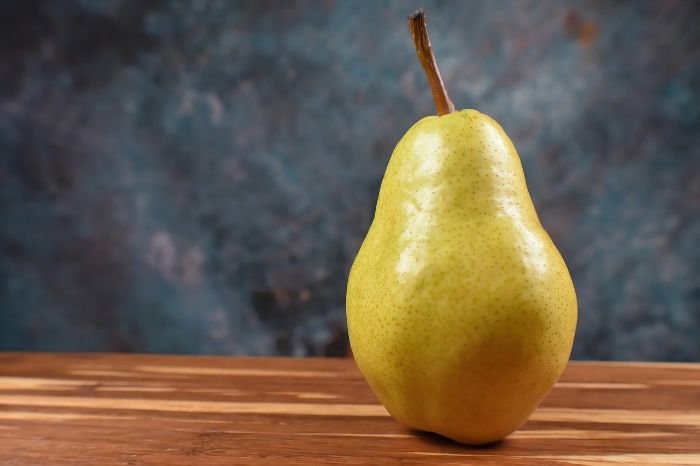
Pears are not just tasty but also great for your health, especially your digestive system. They are full of fiber, vitamins, minerals, and antioxidants. These nutrients help keep you healthy.
Imagine having fresh pears right in your garden. By growing them yourself, you make sure you and your family get the most health benefits. This guide is for anyone wanting to grow pear trees. It will help you enjoy the digestive health perks of eating homegrown pears.
Key Takeaways:
- Pears are an excellent source of fiber, vitamins, minerals, and antioxidants
- Growing pears in your garden allows you to have a fresh supply of these fiber-filled fruits
- Homegrown pears offer maximum nutritional value for digestive health
- This comprehensive guide will provide you with all the information you need to grow and care for pear trees
- Discover the joy of harvesting and using your own pears in delicious recipes
Table of Contents
The Importance of Fiber for Digestive Health
Fiber is key for a healthy digestive system. It helps with digestion and boosts overall health. Knowing about fiber can help you make better food choices.
How Fiber Aids Digestion
Fiber works like nature’s broom, moving waste out and preventing constipation. It makes stool bulkier, helping it pass easier. This reduces bloating and discomfort.
Fiber also helps control blood sugar and cholesterol levels. It makes you feel full, which can help with weight control.
Also, fiber feeds the good bacteria in your gut. These bacteria are crucial for a healthy digestive system and strong immunity.
Recommended Daily Fiber Intake
Adults should eat about 25-30 grams of fiber daily for good digestion. But most people don’t get enough. Eating fiber-rich foods is important for getting enough fiber.
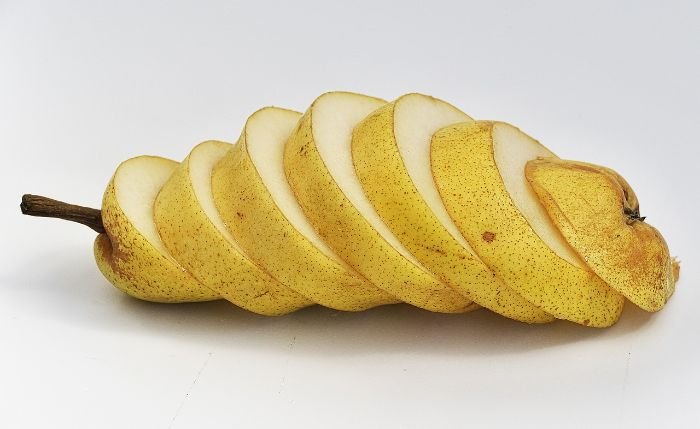
Pears are a great fiber source, with one medium pear having about 6 grams. Adding pears to your meals can boost your fiber intake and help your digestive system.
Comparing Fiber Sources
Not all fiber foods are the same. Fruits and veggies are good sources, but some are better than others. Each type of fiber affects digestion differently.
Soluble fiber, found in oats, beans, and fruits, slows digestion and stabilizes blood sugar. Insoluble fiber, in whole grains, nuts, and veggies, makes stool bulkier and helps with bowel movements.
Adding both soluble and insoluble fiber to your diet supports your digestive health.
Nutritional Benefits of Pears
Pears are great for your health. They are perfect for adding to any diet. They have many nutrients that help you stay healthy.
Fiber Content in Pears
Pears are full of dietary fiber. This is good for your digestive health. A medium pear gives you about 6 grams of fiber.
This can help with bowel movements and prevent constipation. It also supports a healthy gut.
Vitamins and Minerals in Pears
Pears are packed with vitamins and minerals. They have a lot of vitamin C. This vitamin helps your immune system and makes collagen.
Pears also have vitamin K for blood clotting and bone health. They have copper and potassium for your body’s functions.
Antioxidant Properties
Pears have antioxidant properties too. These help protect your body from damage. Antioxidants reduce inflammation and help you age well.
They also prevent chronic diseases. Eating pears gives you these antioxidants for better health.
Preparing to Grow Pears in Your Garden
Before you start growing pears, make sure you’re well-prepared. This ensures your pear-growing will be successful and you’ll get lots of tasty fruits. Think about three key things: picking the right pear types, knowing the best soil and climate, and finding the perfect spot to plant.
Choosing the Right Pear Varieties
There are many pear types, each with its own taste and features. Pick varieties that fit your area’s climate and your taste. Some pears do well in cool places, others in warm ones. Think about what you want to use the pears for, like eating fresh or cooking.
Ideal Soil and Climate Conditions
Pears love soil that drains well and is full of organic stuff. Test your soil to see its pH and nutrient levels before planting. Most pears like soil with a pH between 6.0 and 7.0.
They also need a certain climate to grow well. Most pears need a cold period in winter to set fruit and grow right. Choose pear types that fit your climate for the best results.
Selecting the Perfect Planting Site
Choosing where to plant your pear trees is very important. Look for a spot that gets at least six hours of sunlight a day. The soil should drain well to prevent root rot.
Also, watch out for any trees or buildings that might block sunlight. These can stop your pear trees from growing and producing fruit.
By thinking about these things and preparing, you can set up your garden for growing pears. Now you know how to pick the right pear types, understand the soil and climate needs, and find the best spot. You’re ready to plant your pear trees.
Planting Pear Trees
Planting pear trees in your garden needs careful thought on timing, techniques, spacing, and mulching. By doing this, you can help your pear trees grow well.
When to Plant Pear Trees
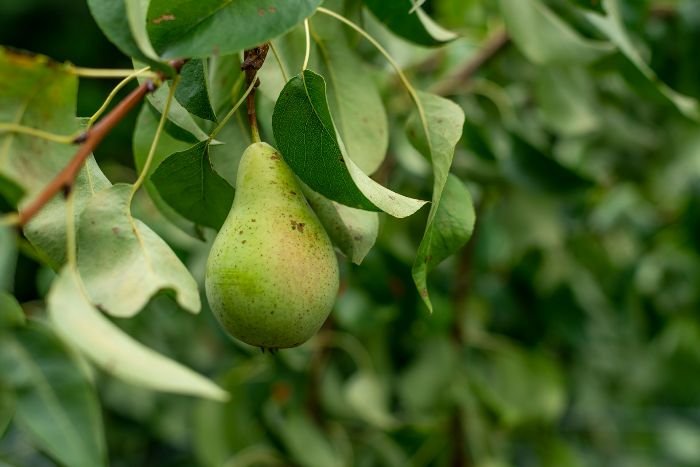
It’s key to know when to plant pear trees for their survival. Plant them in late winter or early spring, before they start growing new leaves. This lets the trees get their roots ready before the hot summer.
Choose a day with cool weather and moist soil for planting.
Proper Planting Techniques
When planting pear trees, use the right methods for a good start. Start by digging a hole big enough for the whole root system without crowding the roots. Put the tree in the hole, making sure the bud union is a bit above the soil.
Fill the hole with soil and press it gently around the roots. Don’t pack the soil too tight, as it can block water from getting through.
Spacing and Mulching
It’s important to space pear trees correctly for their health. Standard pear trees should be 15-20 feet apart. Dwarf or semi-dwarf trees can be 10-15 feet apart. This lets air and sunlight get through, which helps prevent diseases and boosts fruit production.
Mulching around your pear trees has many benefits. Use organic mulch like wood chips or straw to keep the soil moist, stop weeds, and keep the temperature even. Put a 2-4 inch layer of mulch down, but keep it away from the trunk to avoid moisture problems.
Now you know how to plant pear trees at the best time, use the right techniques, and space and mulch them well. You’re ready to grow a successful pear orchard in your garden.
Caring for Your Pear Trees
Proper care is key for your pear trees’ health and productivity. Make sure they get enough water and the right food. Also, prune and train them well to help them grow strong.
Watering and Irrigation Needs
Water is crucial for pear trees, especially when they’re young. They need regular watering to grow strong roots. As they get older, they still need about 1-2 inches of water each week to produce great fruit.
Using an irrigation system helps make sure they get enough water, even when it’s dry.
Fertilization and Soil Management
Fertilizing your pear trees gives them the nutrients they need to grow and produce lots of fruit. Use a balanced organic fertilizer or compost in early spring and late summer. This helps them grow strong.
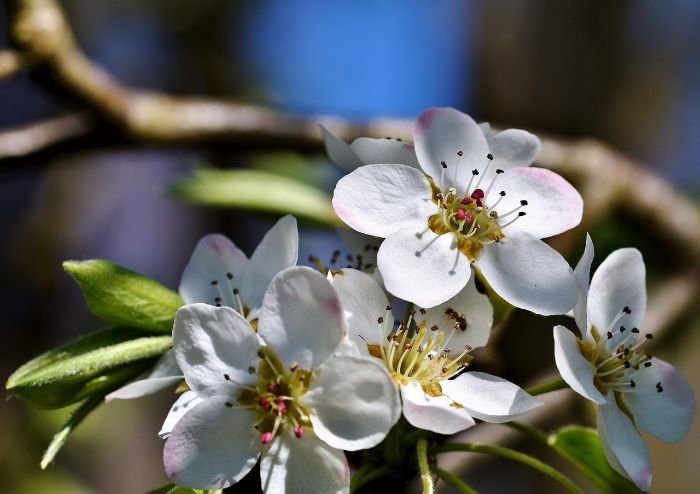
Check the soil’s pH often. Pear trees like a slightly acidic to neutral soil (around 6.0-7.0). Testing the soil helps you keep it just right for your trees.
Pruning and Training for Optimal Growth
Pruning is important for shaping your pear trees and helping them grow well. Do this in late winter or early spring. Cut off dead, damaged, or diseased branches.
Thin out crowded areas to let air and sunlight in. Training young trees to grow in a certain shape helps them bear more fruit. Regular pruning keeps their structure strong and supports fruiting.
Managing Pests and Diseases
Pear trees can face pests and diseases that harm their health and cut fruit production. Gardeners should know about common pests and how to prevent them. Learning about disease prevention and treatment keeps pear trees healthy.
Common Pests Affecting Pear Trees
Aphids and codling moths are pests that can harm pear trees. Aphids feed on the sap and spread viruses. Codling moths damage the fruit.
Disease Prevention and Treatment
Preventing diseases in pear trees is key. Check your trees for disease signs like discolored leaves. Remove any affected parts quickly.
Clean up leaves and debris around the tree to stop diseases from spreading. This helps keep your trees healthy.
For treating diseases, try organic methods first. Use ladybugs or natural predators to control pests. Organic sprays can also help manage pests.
Organic and Chemical Control Methods
If pests or diseases get worse, chemical methods might be needed. But always use them safely and as a last choice. Pick products made for pear trees and follow the directions carefully.
Being proactive with pests and diseases keeps pear trees healthy and productive. Regular checks, prevention, and the right control methods protect your trees.
Harvesting and Using Your Pears
Enjoying homegrown pears is great. Knowing when to pick them is key. We’ll show you how to know when they’re ripe, how to pick them, and how to store and use them. Plus, we’ll give you tasty pear recipes to try.
Recognizing Ripeness
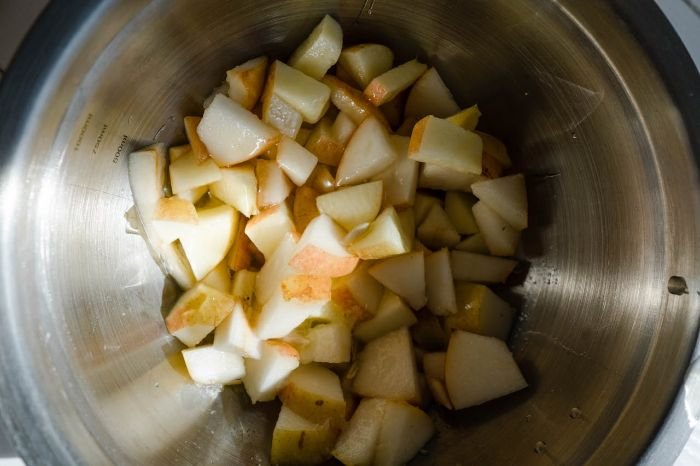
Pears change color when they ripen. Watch for a change from bright green to yellow or red. Press the stem end gently to check for softness. Pears get ripe from the inside out, so don’t wait for them to be too soft.
Harvesting Techniques
You can pick pears by twisting them or cutting the stem with shears. If it doesn’t come off easily, it’s not ripe. Be gentle when picking to avoid damage.
Storing and Preserving Pears
Keep your pears cool and dry after picking. Store them in a cellar or fridge away from other fruits. Don’t store them with strong-smelling foods. You can also can, dry, or make jams and sauces to keep them fresh longer.
Delicious Pear Recipes
With your pears ready, it’s time to cook. Pears are great in sweet and savory dishes. Enjoy them in salads, desserts, tarts, or with cheese. Get ready to impress your loved ones with these tasty pear recipes.
Conclusion – Reap the Digestive Benefits of Homegrown Pears
Growing your own pears is rewarding and good for your health. It lets you enjoy delicious fruits and their digestive benefits. Pears are full of fiber, vitamins, and minerals that help your digestive system and overall health.
Pears are great for your digestive health. They have lots of fiber which helps with bowel movements and prevents constipation. Eating fiber-rich pears can also help with bloating and indigestion. By growing your own pears, you get fresh fruits with lots of fiber.
Pears are also packed with vitamins and minerals that are good for your digestion. They have vitamin C to boost your immune system and help absorb nutrients. Pears also have potassium, which is important for digestion and keeping your blood pressure healthy. Plus, they have antioxidants that reduce inflammation and protect against oxidative stress.
By growing your own pear trees, you get many benefits. Homegrown pears are a sustainable and affordable way to get this nutritious fruit. They also give you a steady supply of fresh, tasty produce. Plus, taking care of your pear trees is rewarding and connects you to nature. Start growing your own pears today and enjoy the digestive benefits of homegrown fruits.
FAQ
How do pears benefit digestive health?
Pears are full of fiber. This helps your digestion by making bowel movements regular. It also helps good gut bacteria grow.
What is the recommended daily fiber intake for adults?
Adults should eat about 25-30 grams of fiber each day.
Why is it important to compare different fiber sources?
It helps you pick foods like pears that are high in fiber. This way, you get the most benefits.
What are the nutritional benefits of pears?
Pears are packed with dietary fiber and vitamins like C and K. They also have minerals like copper and potassium. Plus, they’re full of antioxidants.
What soil and climate conditions do pear trees require?
Pear trees do well in soil that drains well. They need the right climate to grow.
How should I care for pear trees?
Take care of pear trees by watering and feeding them well. Use good soil practices and prune them right.