



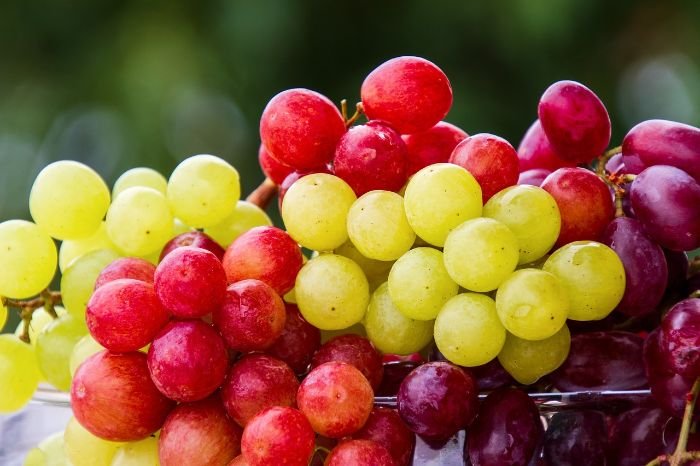
Did you know the key to a healthier life might be in your backyard? Homegrown grapes are tasty and full of antioxidants. These can boost your heart health and protect against diseases. They can make you feel better overall.
Growing your own grapes lets you use their antioxidants fully. There are many types, like red, purple, green, and golden grapes. Each type has its own antioxidants. By growing them, you avoid harmful chemicals and keep their benefits.
Antioxidants are key in fighting off bad molecules in our bodies. These bad molecules can harm cells and lead to diseases. Eating grapes grown at home can protect you from these dangers.
In this article, we’ll look closer at homegrown grapes and their antioxidants. We’ll talk about the types of antioxidants, their benefits, and how to grow your own grapes. Join us as we discover how homegrown grapes can improve your health.
Key Takeaways:
- Homegrown grapes have lots of antioxidants that are good for your health.
- Growing your own grapes lets you use their antioxidants fully.
- Antioxidants fight off bad molecules in our bodies.
- Eating foods high in antioxidants can protect you from harm.
- We’ll learn more about grape antioxidants, their benefits, and growing your own in the next sections.
Table of Contents
The Antioxidant Properties of Grapes
Grapes are a tasty fruit packed with antioxidants. These antioxidants help protect the body from damage. They fight off harmful free radicals.
What Are Antioxidants?
Antioxidants stop free radicals from harming our cells. Free radicals can cause stress and lead to diseases like heart disease and cancer.
Types of Antioxidants in Grapes
Grapes have many antioxidants. One key antioxidant is resveratrol. It helps fight inflammation and protect against heart disease.
Grapes also have flavonoids like quercetin and kaempferol. These help reduce inflammation and fight cancer.
Vitamin C is another antioxidant in grapes. It boosts the immune system and keeps skin healthy.
Health Benefits of Grape Antioxidants
Eating grapes can make your heart healthier. Antioxidants in grapes may lower heart disease risk and blood pressure.
Grape antioxidants can also lower the risk of some cancers. Resveratrol and other antioxidants may stop cancer cells from growing.
These antioxidants help keep your immune system strong. They protect immune cells from damage and help fight infections.
Adding grapes to your diet is a tasty way to get antioxidants. It supports your health and well-being.
Nutritional Profile of Grapes
Grapes are more than just tasty. They are full of important vitamins and minerals. These help keep our bodies healthy and strong.
Key Vitamins and Minerals
Grapes have lots of vitamins and minerals. They are especially high in vitamin K, copper, and B vitamins. These help our bodies work right.
- Vitamin K helps with blood clotting and keeping bones strong.
- Copper is key for energy and fighting off sickness.
- B vitamins like thiamine, riboflavin, and niacin help turn nutrients into energy and keep nerves working well.
Fiber Content
Grapes are a great source of fiber. Fiber is vital for good digestion and preventing constipation. It also makes you feel full, which can help with weight control.
Low Calorie and Nutrient-Dense
Grapes are low in calories but high in nutrients. They are a smart choice for anyone looking to eat healthy. Eating grapes gives you important nutrients without adding too many calories.
Preparing to Grow Grapes in Your Garden
Growing grapes in your garden can be rewarding. But, you need to prepare well. This section will help you choose the right grape varieties, find the best soil and climate, and pick the perfect spot to plant.
Choosing the Right Grape Varieties
Choosing the right grape variety is key. They vary in flavor, color, size, and needs. Popular ones include Cabernet Sauvignon, Chardonnay, Pinot Noir, and Thompson Seedless.
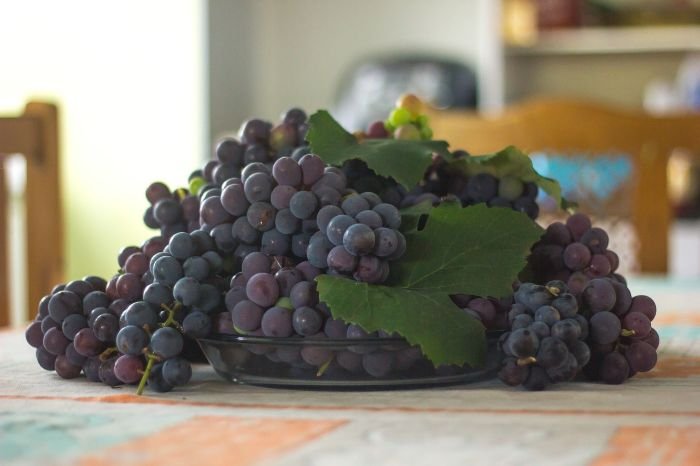
Think about your region’s climate. Different grapes like different conditions. Pick ones that fit your taste and your area’s climate.
Ideal Soil and Climate Conditions
Grapes need certain soil and climate for growth. They do well in well-drained soil with a pH of 6.0 to 7.0. Sandy loam or loamy soils are best.
Make sure your spot gets full sun, at least 6 to 8 hours a day. Grapes love warm summers and cool winters. Check if your area is right for grapes with local gardening help.
Selecting the Perfect Planting Site
Finding the right spot for your grapevines is key. Choose a place with good air flow to prevent diseases. Make sure it’s not too wet, as this can cause root rot.
Avoid areas with strong winds or too much shade. The spot should have enough room for the vines to grow, about 8 to 10 feet apart. Plan for the vines’ future growth.
Planting Grape Vines
Planting grape vines is exciting and rewarding for garden lovers. To make sure your grape plants do well, follow the right planting steps. Think about spacing and trellising too. This guide will help you plant grape vines and help them grow strong.
When to Plant Grape Vines
When to plant grape vines is key for their growth and yield. Plant them in early spring before they start growing, or in late fall after leaves fall. This lets the roots get ready before the plant grows.
Proper Planting Techniques
For grape vines to thrive, plant them right. Dig a hole big enough for the roots. Spread the roots out in the hole and fill it with soil, keeping the graft union above ground.
Then, give the vine a stake or trellis for support. This keeps the vine straight, supports its weight, and lets air and sunlight in.
Spacing and Trellising
Spacing and trellising are key for grape vines. Good spacing means air can move and prevents disease. Plant vines 6 to 10 feet apart, depending on the type.
Trellises help train and support the vines. They keep vines off the ground for more sunlight and make upkeep easier. Use vertical shoot positioning (VSP) or high wire cordon systems. Ask experts or check resources for the best trellis for your grapes.
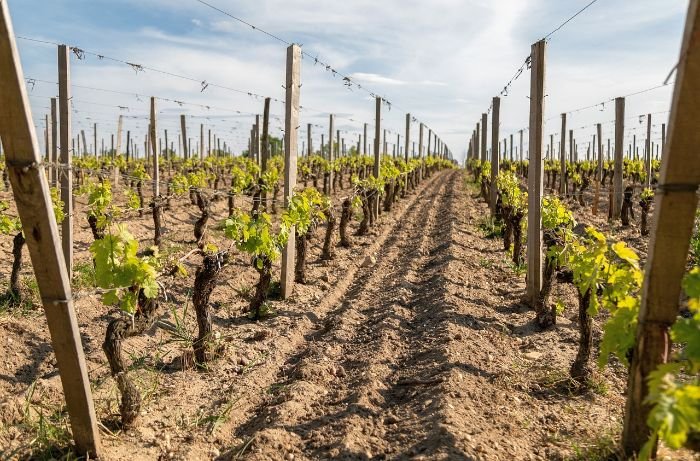
Use the right techniques and think about spacing and trellising to help your grape vines grow and produce well. Next, we’ll talk about how to care for your vines, including watering, feeding, and pruning.
Caring for Your Grape Vines
Watering and Irrigation Needs
To keep your grape vines healthy and productive, it’s key to know how much water they need. Using the right watering methods and systems gives them the moisture they need for growth. This is very important during the growing season and when it’s dry.
Fertilization and Soil Management
Fertilizing and managing the soil is crucial for grape vines. Giving the soil the right nutrients helps the vines get the minerals and organic matter they need. Testing the soil often can show if there are any missing nutrients. Then, you can use the right fertilizers for your grapevine type.
Pruning and Training for Optimal Growth
Pruning and training are key for grape vines. They help the vines grow well and make better grapes. Pruning keeps the plant healthy, lowers disease risk, and makes the grapes taste better. Trained vines are easier to take care of, harvest, and protect from the weather.
Looking after grape vines means watering, fertilizing, and pruning them right. By doing these things, you help your vines stay healthy and produce lots of grapes full of antioxidants.
Managing Pests and Diseases
Grape vines can get pests and diseases that harm their health and yield. Knowing about common pests and how to control them is key. Also, preventing and treating diseases is crucial for your grape vines to thrive. This section will cover pests, prevention, and control for a healthy vineyard.
Common Pests Affecting Grape Vines
Pests can damage grape vines by eating leaves, fruits, and stems. This can slow down growth and reduce production. Some pests you might find include:
- Aphids
- Grapevine moths
- Japanese beetles
- Mealybugs
- Spider mites
These pests can weaken vines and make them more likely to get diseases. Spotting and acting on pests early is key to managing them well.
Disease Prevention and Treatment
Preventing diseases is important for grape vines. Keep an eye on your vineyard to catch diseases early. Common grape vine diseases are:
- Powdery mildew
- Downy mildew
- Black rot
- Botrytis bunch rot
- Phomopsis cane and leaf spot
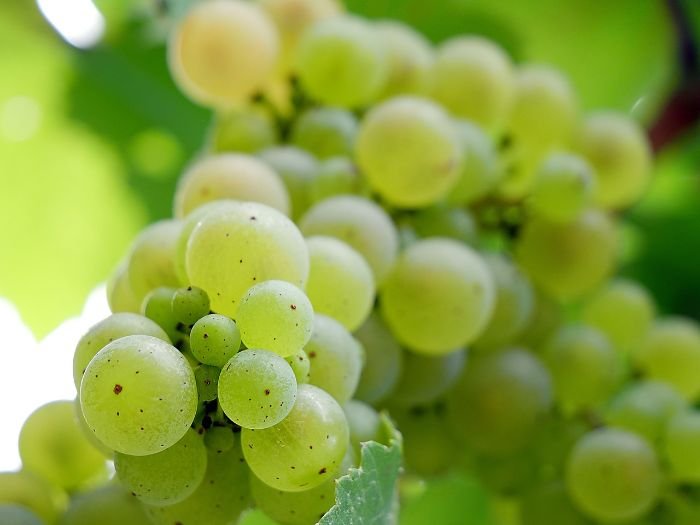
To prevent diseases, focus on good vine care like pruning and managing the vine’s canopy. Sometimes, you might need to use fungicides. Always use them as directed and follow the rules.
Organic and Chemical Control Methods
You can use organic or chemical ways to fight pests and diseases in grape vines. Organic methods use natural ways and safe products. Chemical methods use synthetic pesticides or fungicides. Both have their benefits and should be used with care.
Organic methods include:
- Biological controls like introducing beneficial insects
- Physical barriers like netting
- Sprays from organic stuff like neem oil or garlic extract
Chemical methods use approved pesticides or fungicides. Always follow the directions, time your treatments right, and be safe.
Using a mix of organic and chemical methods can help you manage pests and diseases well. This keeps your vineyard healthy.
Harvesting and Using Your Grapes
Harvest season is a big deal for home grape growers. It’s when all your hard work pays off with juicy grapes ready to enjoy. To get the best from your grapes, learn how to harvest, store, and preserve them right. Also, trying grape recipes can make your cooking fun. Let’s look at how to harvest and use your grapes.

Recognizing Ripeness
Knowing when grapes are ripe is key. Different grapes show ripeness in different ways. Look for color changes from green to yellow, red, or purple. Taste a few berries to check for sweetness.
Even ripe green grapes might taste a bit tart. Use color and sweetness to tell when they’re ready.
Harvesting Techniques
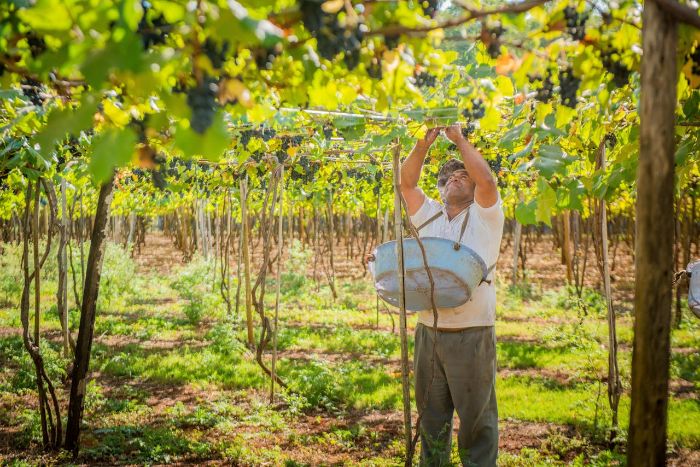
Harvesting grapes gently is important to keep them good. Cut the clusters carefully with clean shears. Put them in a clean basket without hurting the grapes. If you have a lot, ask friends or family for help to make it fun and efficient.
Storing and Preserving Grapes
Want to keep your grapes fresh longer? Store them right to keep their taste and freshness. Take out any bad grapes before storing. You can store grapes in the fridge for 2 weeks without washing them. But wash them just before eating.
Or, freeze grapes for even longer storage. Put them on a baking sheet in one layer, freeze, then move them to a bag or container.
Delicious Grape Recipes
There’s more to do with grapes than just eating them fresh. Grape recipes can add sweetness and elegance to many dishes. Try grape salad, grape jam, or grape-topped pizza. Be creative and enjoy your homegrown grapes in new ways.
Conclusion – Enjoy the Antioxidant Benefits of Homegrown Grapes
Growing your own grapes is rewarding. It gives you fresh, tasty fruit and health benefits. Homegrown grapes are full of antioxidants, which are good for your health.
Antioxidants fight off harmful free radicals in your body. Eating foods like homegrown grapes helps your body’s defense. This can lower the risk of chronic diseases.
Homegrown grapes are also good for your heart. They can lower blood pressure and cholesterol. This supports your heart health.
Growing grapes lets you control how they are grown. This means you get the freshest fruit with lots of antioxidants. With the right care, you can enjoy grapes that boost your health and add sweetness to your meals.
FAQ
What are the antioxidant properties of homegrown grapes?
Homegrown grapes are full of antioxidants like resveratrol, flavonoids, and vitamin C. These protect cells from damage. They help keep you healthy and lower the risk of chronic diseases.
What vitamins and minerals do grapes contain?
Grapes have vitamin K, copper, and B vitamins. These are key for energy and strong bones. They also have fiber, which is good for your gut and helps you feel full without eating too much.
How do I choose the right grape varieties for my garden?
Pick grape varieties that fit your garden’s climate, soil, sunlight, and temperature. Each type of grape needs certain conditions to grow well. Choosing the right ones is key for a successful garden.
How can I store and preserve my grapes?
Store grapes in a cool, dark place to keep them fresh. You can freeze them or use them in recipes to enjoy them all year.
What are the antioxidant benefits of homegrown grapes?
Homegrown grapes are packed with antioxidants. These can improve heart health and protect against diseases. Growing your own grapes lets you enjoy these benefits and live healthier.