

Last Updated May 13, 2026
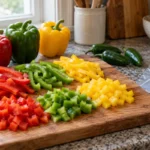
Bell pepper benefits make more sense when color is read as a clue, not a marketing label. Green, yellow, orange, and red peppers all come from the same species, and the main nutrition story is not that each color has magical powers. The real shift is ripeness, pigment chemistry, and flavor.
As sweet peppers mature, chlorophyll fades, sugars rise, and carotenoid patterns move with the fruit. Red peppers often stay on the plant longest. Green peppers are usually harvested earlier. Yellow and orange peppers land between those poles, though the exact pigment mix still depends on cultivar.
That distinction matters because color is a ripeness and pigment signal, not a separate health category. Color tells you about vitamin C, carotenoids, taste, and the way the pepper is likely to fit a meal.
Key Takeaways
- Bell peppers are nutrient-dense in every color, with vitamin C as one of their clearest strengths
- Color usually reflects ripeness and pigment shifts more than four completely different foods
- Red peppers often bring more sweetness and deeper carotenoid accumulation as they mature
- Yellow and orange peppers can differ from each other because cultivar genetics shape carotenoid balance
- Raw peppers usually keep more vitamin C, and cooked peppers can still work well for carotenoid-rich meals
Table of Contents
Start With Color – What Ripeness Changes Before You Compare Nutrition
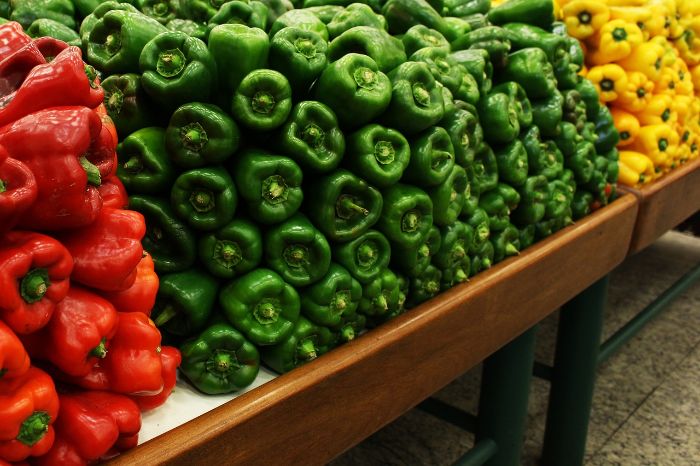
Color is the fastest way to decode a bell pepper at the store or in the garden. It tells you something about maturity, flavor, and the pigment families likely to be more visible in the fruit. It does not give a perfect nutrient readout, though it is still useful as a first filter.
The healthiest bell pepper color depends on the goal. Red is often the strongest choice for sweetness and deeper carotenoid accumulation. Green remains useful for vitamin C, crunch, and savory cooking. Yellow and orange add ripe sweetness and different carotenoid patterns, and cultivar genetics can still change the exact profile.
Color is a strong clue. It is not a fixed nutrient label. Yellow and orange peppers can drift far from one another across seed lines, so pattern thinking is safer than absolute ranking.
People often compare colors as if they are choosing between four unrelated vegetables. In practice, they are usually choosing between earlier harvest and fuller ripeness, sharper flavor and sweeter flavor, lighter pigment load and deeper carotenoid color. The best pepper becomes easier to match to the plate when ripeness, flavor, and pigment are read together.
Bell Pepper Nutrition By Color – Quick Comparison
The comparison is relative, not a lab certificate. Exact values move with cultivar, growing conditions, storage, and harvest timing.
| Color | Ripeness pattern | Vitamin C pattern | Carotenoid and vitamin A pattern | Flavor | Best health use |
|---|---|---|---|---|---|
| Green | Earlier harvest | High, often lower than ripe colors | Lower mature carotenoid accumulation | Sharper, less sweet | Savory meals, crisp low-calorie crunch |
| Yellow | Ripe cultivar type | High | Lighter xanthophyll profile, cultivar-sensitive | Sweet, mild | Raw snacks and salads |
| Orange | Ripe cultivar type | High | Often more beta-cryptoxanthin or mixed xanthophylls | Sweet | Raw or roasted color variety |
| Red | Often fully ripe | Often very high | Deeper red carotenoids and often higher provitamin A activity | Sweetest | Roasting, raw slices, carotenoid-rich meals |
Calories usually stay close enough across colors that ripeness, carotenoids, and flavor matter more than minor calorie differences in normal eating.
Bell Peppers Are Nutritious In Every Color, Not In One Fixed Rank
For base nutrition, bell peppers stay low in calories and high in water with useful vitamin C, vitamin B6, folate, fiber, and potassium. The raw red pepper nutrient profile shows the riper end of the spectrum through a clear public nutrient example.
The change that matters most across colors is carotenoids. As pepper carotenoid profiles shift during ripening, red fruits accumulate more capsanthin, capsorubin, and related red pigments. Orange and yellow peppers often lean into beta-cryptoxanthin, lutein, zeaxanthin, violaxanthin, or mixed xanthophyll patterns, though the exact balance depends on genetics.
Vitamin C can move with maturity as well. In one studied sweet pepper variety, vitamin C across ripening stages rose as peppers moved from green to red. That does not mean every red pepper beats every green pepper from every seed line. It does mean the common grocery-store pattern has a biological reason behind it.
The healthiest color depends on the meal goal. If the goal is sweeter flavor and deeper carotenoid color, red often wins. If the goal is crisp texture and a sharper savory edge, green still earns its place easily.
Red, Yellow, Orange, And Green – Where The Health Differences Come From
Bell pepper comparison should connect color with ripeness, pigments, and eating pattern. Color, ripeness, and use give a more accurate nutrition read than treating each color as its own miracle food.
Red Bell Peppers
Red bell peppers are usually the fully ripe end of the common grocery spectrum. They tend to taste sweeter because more starch has shifted toward sugars, and they often carry the deepest pool of red carotenoids. That includes capsanthin and capsorubin, pigments tied closely to the mature red color of many sweet peppers.
They are also one of the easiest ways to add provitamin A carotenoids to a meal without reaching for a sweeter fruit. Like carrots and their beta-carotene profile, red bell peppers can contribute provitamin A carotenoids in a fresher, juicier form.
Yellow And Orange Bell Peppers
Yellow and orange bell peppers are sweet, colorful, and nutrient-dense, though they are not nutritionally interchangeable by default. Orange peppers often lean toward beta-cryptoxanthin or mixed carotenoid profiles. Yellow peppers often show lighter xanthophyll patterns such as lutein, zeaxanthin, or violaxanthin. Cultivar choice still shapes the final profile.
Treat those patterns as cultivar-sensitive, not as fixed labels for every yellow or orange pepper in the store.
That makes yellow and orange peppers especially useful for people who want sweet raw peppers without the fuller ripeness note of red. They work well in salads, snack trays, wraps, and packed lunches where texture and color variety matter as much as the nutrition label.
Green Bell Peppers
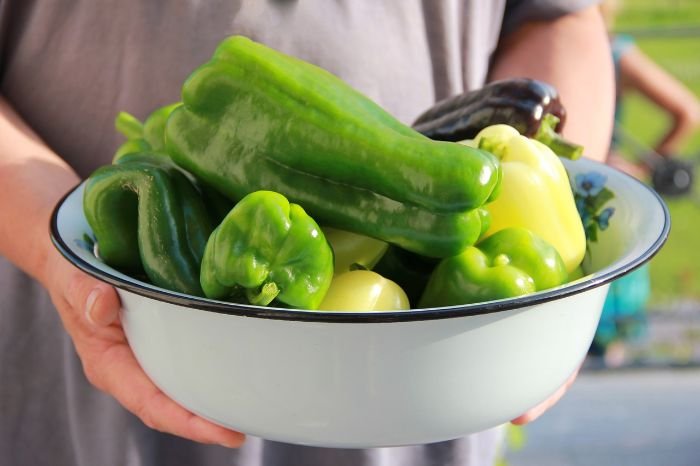
Green bell peppers are usually harvested earlier, so they taste less sweet and more grassy or slightly bitter. That does not make them nutritionally weak. They still bring vitamin C, fiber, water, and a low-calorie structure that works well in savory cooking. Their main difference is lower ripeness and a lighter carotenoid load than red peppers, not a lack of value.
Green peppers also make more sense in some dishes than sweeter colors do. Fajitas, stir-fries, breakfast skillets, and stuffed-pepper fillings often benefit from that firmer, sharper profile. Heat and capsaicin-driven effects come from chili peppers and their metabolic claims, not from bell peppers.
Raw Vs Cooked – What Changes In Real Food
Raw bell peppers keep the cleanest edge for vitamin C, especially when they are fresh, crisp, and not sitting cut in the refrigerator for days. Cooking changes that. Ripening stage and cooking methods can shift antioxidant activity and reduce some sensitive nutrients, with water-heavy cooking methods usually costing more vitamin C than a quick saute or roast.
Cooked peppers still have their own nutritional logic. Softening the cell structure and pairing peppers with oil can make carotenoid-rich dishes easier to absorb and easier to eat in larger amounts. Roasted red peppers, sauteed yellow peppers, and blistered orange peppers are not nutritionally empty versions of the raw food.
For vitamin C, raw or briefly cooked peppers are the safer choice. For carotenoid-focused meals, roasting or sauteing with a little fat often makes more practical sense than boiling.
Raw peppers are the better default for vitamin C, while quick cooking with fat makes more sense for carotenoid-focused meals. A mixed approach works better than trying to crown one method.
Health Effects That Fit Normal Diet Patterns
| Nutrient or compound | Main role | Bell pepper relevance | Practical limit |
|---|---|---|---|
| Vitamin C | Collagen, iron absorption, immune function | Strong across colors | Not a cold cure |
| Carotenoids | Provitamin A and antioxidant pathways | Stronger in ripe colored peppers | Not an eye treatment |
| Fiber and water | Fullness and meal quality | Useful across colors | Not a weight-loss shortcut |
| Potassium and folate | General diet support | Modest contribution | Not a therapeutic dose |
Bell peppers clearly fit an immune-friendly diet because vitamin C helps collagen formation, wound repair, and normal immune function. They also make iron-rich meals more useful when they sit next to beans, lentils, greens, or eggs, which is one reason sweet peppers work so well in grain bowls, salads, and skillet meals.
Carotenoids explain much of the eye-health and antioxidant discussion. Red peppers bring more provitamin A activity in many common shopping patterns. Yellow and orange peppers often lean more visibly into lutein-like and xanthophyll-rich territory. That does not turn bell peppers into an eye treatment. It does give them a real place in color-varied eating.
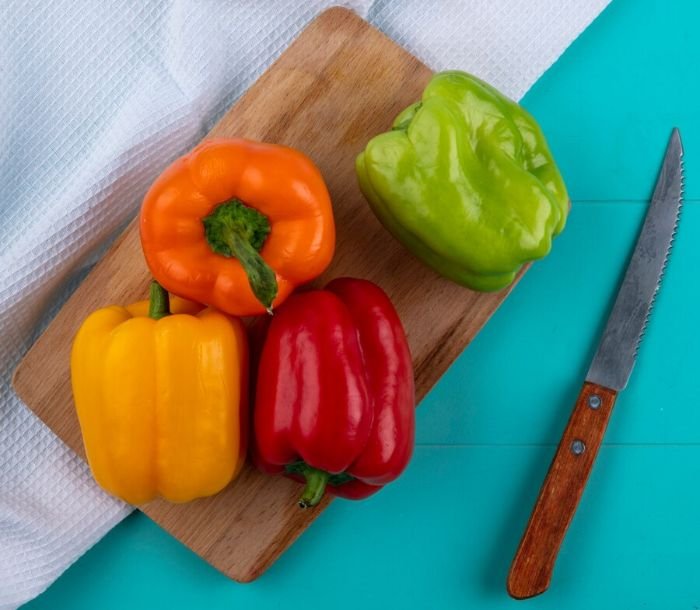
Bell peppers help meal quality in a very ordinary way too. They add bulk, crunch, water, and flavor with few calories, which makes it easier to build lunches and dinners around vegetables instead of relying on heavier sauces or processed snacks. That same light, fresh role is part of the appeal behind cucumbers in hydration-heavy meals.
Disease prevention should stay at food-pattern level. Red peppers are not a stand-alone anti-cancer food. Orange peppers are not a lung-health shortcut. Green peppers do not turn chlorophyll into a treatment. Bell pepper value comes from food pattern, repeat use, and nutrient density across the whole plate.
How To Choose Bell Peppers For Better Nutrition At Home
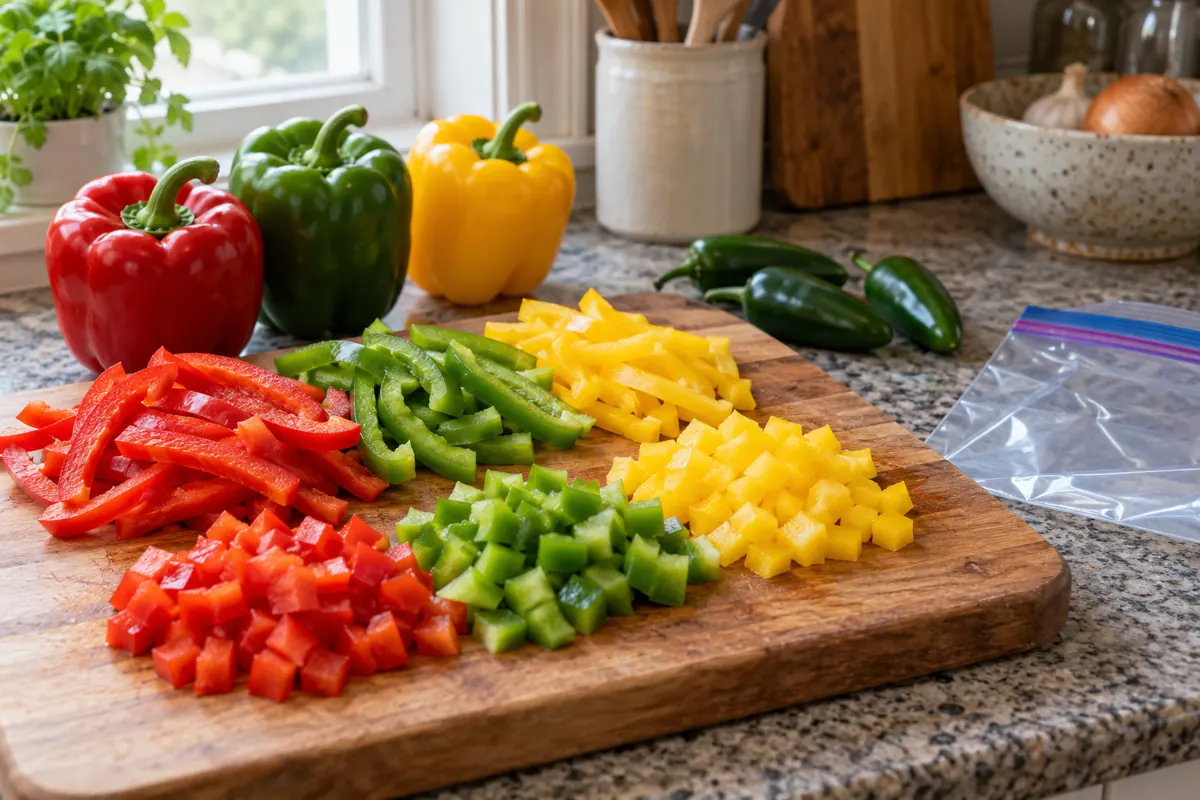
Choose by the meal, not only by the nutrient label. Red works well for roasting, stuffing, and sweeter raw slices. Yellow and orange suit salads, snack trays, and lunches where crisp sweetness matters. Green peppers fit saute pans, omelets, fajitas, and savory sauces that benefit from a sharper note.
At the store, look for heavy peppers with tight skin, bright color, and a green stem. Soft spots and wrinkling tell you the clock is moving faster than the nutrition story. If you buy mixed colors, use the green ones first and save the red ones for dishes where sweetness matters most.
Gardeners get one extra advantage. You can decide whether to harvest early for crisp green peppers or let fruit hang longer for fuller color and sweeter flavor. Vegetable growth stages help explain why harvest timing changes ripeness, sweetness, and pigment.
If peppers are part of your own beds, spacing and neighbors matter too. Good airflow and smart pairings help fruit size and ripening, and companion planting for vegetables can support that bed-planning logic.
Conclusion
Bell peppers do not need exaggerated claims to earn a place on the plate. Their value is already clear: lots of vitamin C, useful carotenoids, low calorie density, and color differences that usually map back to ripeness and pigment shifts. Red peppers often bring the deepest carotenoid signal. Green peppers bring a firmer, sharper profile. Yellow and orange peppers fill the middle with cultivar-sensitive variation in sweetness and carotenoid balance.
Use more than one color and match the pepper to the meal. Raw peppers keep a cleaner vitamin C edge. Cooked peppers fit sweeter, softer, carotenoid-rich dishes. A mixed color pattern works better than chasing one dramatic color ranking. Bell peppers work best as repeat foods inside a vegetable-rich diet, not as a one-food shortcut.
FAQ
Which bell pepper color is healthiest?
There is no single winner for every goal. Red peppers often bring the deepest carotenoid and provitamin A pattern, green peppers still carry strong vitamin C and a savory flavor, and yellow or orange peppers can add their own xanthophyll-rich profiles. The best answer depends on whether you care most about sweetness, raw use, carotenoids, or cooking style.
Are red bell peppers healthier than green bell peppers?
Red bell peppers are usually riper, sweeter, and richer in red carotenoids than green peppers. Green peppers are still nutritious and often easier to use in savory dishes. The difference is real, though it is usually smaller than the color contrast makes it seem.
Are yellow and orange bell peppers the same nutritionally?
No. They often overlap in sweetness and vitamin C, though their carotenoid balance can differ with cultivar. Orange peppers may lean toward beta-cryptoxanthin more often, and yellow peppers may show more lutein-like or lighter xanthophyll patterns.
Are raw bell peppers healthier than cooked ones?
Raw bell peppers usually keep more vitamin C, especially when they are very fresh. Cooked peppers still keep value because they remain rich in color compounds and are often easier to eat in larger portions. Using both forms is the smarter everyday pattern.
Why are green bell peppers often cheaper than red ones?
Green peppers are usually harvested earlier, so they spend less time on the plant and reach market faster. Red peppers take longer to ripen, which raises growing time and usually raises price too.
Can bell peppers upset your stomach?
They can for some people, especially when eaten raw in large amounts or when the skin feels hard to digest. Cooking, peeling roasted peppers, or using smaller portions may improve tolerance. This is a tolerance issue, not a sign that bell peppers are unhealthy.