




Jasmine has long captivated gardeners and flower enthusiasts with its exquisite blooms and enchanting fragrance. With many varieties to explore, each type of jasmine offers a distinctive aromatic profile – ranging from rich and intense to soft and refreshing. In this article, we delve into the world of jasmine, highlighting the unique scents that set each variety apart and the charm they bring to gardens around the world.
Key Takeaways:
- Jasmine varieties display a diverse range of captivating fragrances, each offering a unique sensory experience.
- Scents span from deep, sweet notes to light, airy aromas that refresh and uplift.
- Discover how each jasmine variety enhances both the beauty and atmosphere of any garden.
Table of Contents
About Jasmine
Jasmine is cherished worldwide for its graceful appearance and captivating scent. Gardeners across diverse climates cultivate jasmine not only for its aesthetic appeal but also for the soothing atmosphere it creates. Its elegant blooms and aromatic presence enhance gardens with a sense of refinement and tranquility.
The Allure of Jasmine in Gardens
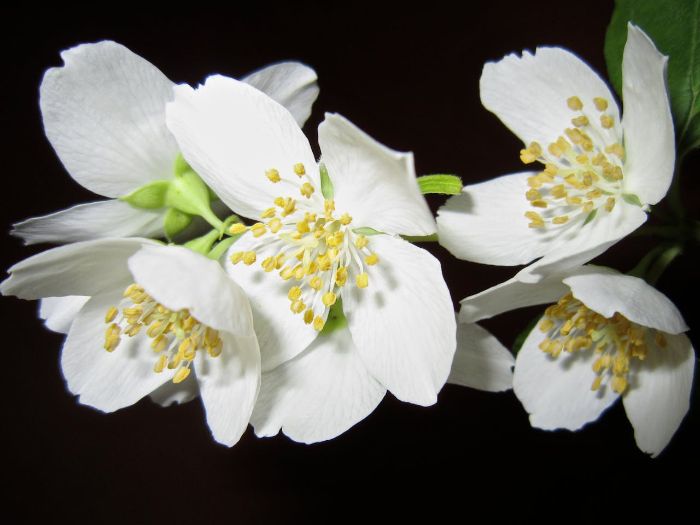
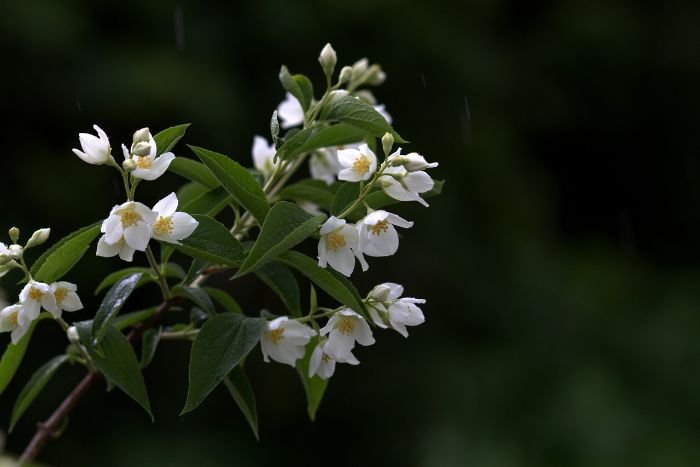
Jasmine brings a distinctive charm to garden landscapes, where its delicate white or yellow blossoms contrast beautifully against rich green foliage. Depending on the variety, jasmine can climb trellises, cascade gracefully from hanging planters, or form lush ground cover, adding depth and movement to the design.
Beyond its visual appeal, jasmine infuses the air with a sweet, lingering fragrance that transforms outdoor spaces into serene, inviting sanctuaries.
Overview of Jasmine’s Historical and Cultural Significance
Throughout history, jasmine has held deep symbolic and practical significance across various civilizations, as documented in the comprehensive overview of Jasminum species. In ancient Egypt, Greece, and India, jasmine was revered for its intoxicating fragrance and often associated with divinity, purity, and spiritual connection.
Used in religious ceremonies and traditional rituals, jasmine symbolized love, purity, and prosperity. Its aromatic oil became a prized ingredient in perfumery and therapeutic practices, valued for its calming and uplifting effects.
Today, jasmine continues to be treasured globally, celebrated for its ability to enrich both gardens and cultural traditions with its beauty and profound fragrance.
Notable Jasmine Varieties and Their Distinctive Characteristics
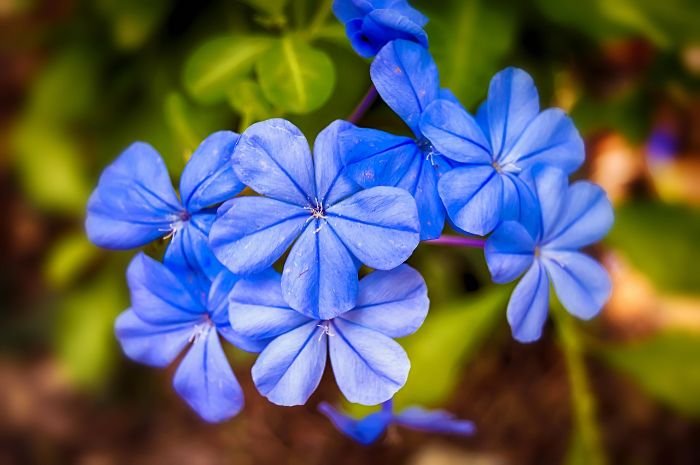
Jasmine encompasses a wide range of species, each distinguished by its unique fragrance and visual appeal. Below, we explore several notable varieties and what sets each apart.
Common Jasmine (Jasminum officinale)
Common jasmine (Jasminum officinale), often referred to as poet’s jasmine, is celebrated for its quintessential floral fragrance. Its delicate white flowers release a powerful, sweet aroma that easily fills the surrounding space. A vigorous climber, it can reach heights of up to 20 feet, making it an excellent choice for trellises, arbors, and wall coverings. Its combination of lush growth and captivating scent enhances the elegance of any outdoor setting.
Arabian Jasmine (Jasminum sambac)
Arabian jasmine (Jasminum sambac), also called Sampaguita, originates from tropical regions of Asia and is renowned for its lush, heady fragrance. Its small, pure white flowers exude a rich, sweet aroma, making them a prized component in perfumery and ceremonial garlands. Typically grown as a compact shrub, Arabian jasmine thrives in containers and hedges, with its evergreen foliage adding year-round beauty and scent to outdoor spaces.
Winter Jasmine (Jasminum nudiflorum)
Winter jasmine (Jasminum nudiflorum) offers a burst of vibrant color during the colder months, with its bright yellow blossoms standing out against the muted winter landscape. Unlike many jasmine species, its fragrance is subtle, but its ornamental value is undeniable. Ideal for ground cover or wall training, winter jasmine is both hardy and low-maintenance, bringing warmth and vitality to winter gardens.
Spanish Jasmine (Jasminum grandiflorum)
Spanish jasmine (Jasminum grandiflorum), also known as royal jasmine, is distinguished by its large, star-shaped white flowers and intensely alluring fragrance. A versatile plant, it can be cultivated either as a vigorous climber or as a dense, bushy shrub. Its deep green foliage creates a striking backdrop that accentuates the brilliant white blooms, making it an ideal choice for enhancing walls, trellises, and garden fences with both color and scent.
Italian Jasmine (Jasminum humile)
Italian jasmine (Jasminum humile), sometimes referred to as Italian yellow jasmine, is a hardy, adaptable plant known for its clusters of small, bright yellow flowers. These lightly fragrant blooms are prized for floral arrangements and add a cheerful vibrancy to gardens. Italian jasmine can function as a ground cover, a neatly clipped hedge, or a free-form climber, offering flexibility in garden design while infusing the landscape with subtle fragrance and lively color.
Exploring the diverse world of jasmine reveals not only a rich tapestry of fragrances but also a remarkable range of visual beauty that can transform any garden into a vibrant, aromatic retreat.
Distinctive Aromas – Exploring the Scent Profiles of Jasmine Varieties
Each jasmine species offers a distinct olfactory experience, contributing to its enduring appeal among garden enthusiasts and perfumers alike. In this section, we examine the characteristic fragrances of the most admired jasmine varieties, highlighting what makes each aroma uniquely captivating.
Sweet and Intense Scents of Common Jasmine
Jasminum officinale, commonly known as common jasmine, is renowned for its intensely sweet and deeply penetrating fragrance. Its delicate white blooms release an aroma that is simultaneously uplifting and soothing, often described as a perfect balance between floral richness and light freshness. This scent has earned common jasmine a prominent place in traditional perfumery and aromatherapy.
Rich and Exotic Aroma of Arabian Jasmine
Arabian jasmine (Jasminum sambac) exudes a rich, exotic fragrance often celebrated as the “queen of the night” for its evening-blooming habit and captivating scent. The aroma combines the lush sweetness of floral notes with subtle hints of tropical fruit, creating a luxurious, almost opulent sensory experience that has made it a cornerstone in fine fragrance compositions.
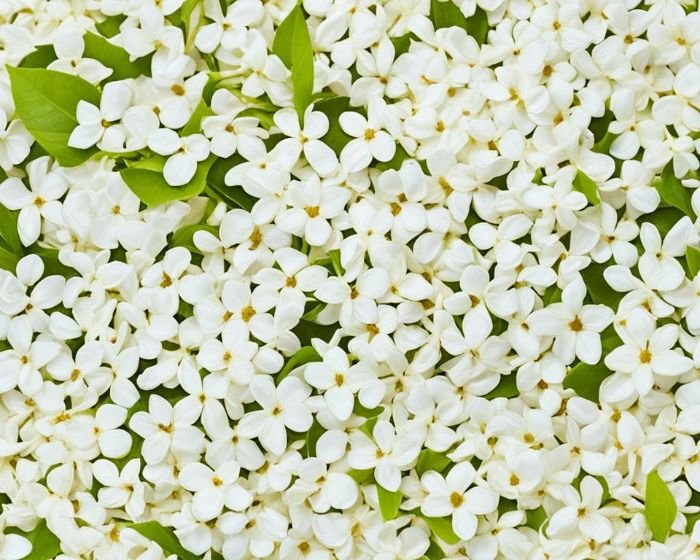
Subtle and Refreshing Fragrance of Winter Jasmine
Winter jasmine (Jasminum nudiflorum) is appreciated more for its vivid yellow blooms than for its subtle scent. When present, its fragrance is faint, fresh, and slightly grassy, evoking the crispness of cool outdoor air. While not as aromatic as other jasmine species, its light fragrance adds a delicate, refreshing dimension to winter gardens.
Floral and Delicate Scent of Spanish Jasmine
Spanish jasmine (Jasminum grandiflorum) offers a soft, floral fragrance that is both romantic and airy. Its large, star-shaped white flowers emit a scent that is lighter than that of common jasmine, yet equally enchanting, creating an atmosphere of subtle elegance wherever it grows.
Mild and Pleasant Smell of Italian Jasmine
Italian jasmine (Jasminum humile) features a mild, understated fragrance that gently soothes the senses. Its bright yellow blooms offer a soft aroma that subtly enhances the tranquility of garden spaces without overwhelming the surroundings, making it an ideal choice for serene landscape designs.
The Visual Splendor of Jasmine – Blooms, Foliage, and Seasonal Beauty
While jasmine is celebrated primarily for its fragrance, its visual beauty is equally compelling. With a wide variety of flower forms, vibrant colors, and elegant foliage, jasmine captivates garden enthusiasts and enhances landscapes with timeless charm.
Flower Shapes and Colors
Jasmine showcases an impressive range of flower shapes and colors, offering endless opportunities to enrich garden compositions. Blooms can vary from delicate, star-shaped clusters to tubular or bell-like forms, each adding distinct texture and visual rhythm.
While classic white dominates, some jasmine varieties present soft pink or bright yellow hues, creating striking contrasts against the deep green foliage and bringing vibrant energy to garden spaces.
Growth Habits and Foliage
The growth habit and foliage of jasmine significantly contribute to its ornamental value. Depending on the species, jasmine can either ascend vertical structures gracefully or form dense, low-growing shrubs. Its vibrant green, often glossy leaves provide a perfect backdrop that accentuates the brilliance of the blooms.
When trained to climb trellises, fences, or arbors, jasmine lends an effortless elegance and vertical interest to garden designs.
Seasonal Blooms and Visual Impact in Gardens
One of jasmine’s most valuable qualities is its capacity to bring visual interest throughout the seasons. Arabian jasmine graces gardens with fragrant white blooms in spring and summer, while winter jasmine brightens the colder months with its cheerful yellow flowers.
This seasonal variation ensures that gardens featuring jasmine maintain dynamic beauty year-round. By thoughtfully incorporating different jasmine species, gardeners can create living landscapes that evolve with the seasons, offering continual sensory and visual rewards.
Optimal Growing Conditions for Healthy Jasmine Plants
Soil Requirements and Preparation
Successful cultivation of jasmine begins with creating the right foundation – proper soil preparation. Jasmine thrives in well-draining, slightly acidic soil enriched with organic matter. Before planting, it is beneficial to amend the soil with compost or well-aged manure, ensuring a loose, nutrient-rich environment that promotes vigorous root development and abundant blooming.

Light and Water Needs
Most jasmine species flourish with at least six hours of direct sunlight daily, although some, such as Arabian jasmine, can tolerate partial shade. Consistent moisture is important for healthy growth; however, overwatering should be avoided. Allow the top inch of soil to dry out between waterings to prevent root rot and promote robust blooming.
Temperature and Climate Considerations
Jasmine plants prefer warm, temperate conditions, thriving in daytime temperatures between 60°F and 75°F (15°C to 24°C) and benefiting from cooler nighttime drops. While many varieties can tolerate brief cold spells, prolonged frost exposure can cause significant damage. In colder climates, jasmine can be successfully grown in containers and moved indoors during winter months. Mediterranean and subtropical regions offer ideal outdoor environments for year-round cultivation.
Incorporating Jasmine into Garden Design – Structure, Scent, and Visual Impact
Jasmine offers remarkable versatility in garden design, seamlessly fitting into a range of styles from formal layouts to relaxed cottage gardens and lush tropical landscapes. Its elegant blooms and enchanting fragrance elevate outdoor spaces, adding structure, sensory richness, and year-round interest.
In formal gardens, jasmine can be trained along structured trellises, walls, and pergolas to create elegant vertical accents. In cottage-style gardens, its trailing habit adds a relaxed, romantic feel when draped over fences or garden arches. Within tropical landscapes, jasmine’s lush, fragrant blooms blend harmoniously with broad-leafed plants, evoking the atmosphere of an exotic retreat. Strategic placement allows jasmine to enhance the character of any garden style.
To enhance both fragrance and visual depth, jasmine can be paired with other aromatic plants such as lavender, roses, gardenias, and honeysuckle. These combinations not only create a richly scented environment but also introduce layered textures and complementary colors, resulting in a more dynamic and harmonious garden composition.
Jasmine’s versatility allows it to serve multiple roles within landscape designs. Ground-covering varieties can soften the edges of pathways and flower beds, creating a seamless transition between hardscape and planting areas. Climbing species can be trained over arches, fences, and pergolas to establish dramatic focal points while infusing the surroundings with their signature fragrance.
Companion Plants for Jasmine
Pairing jasmine with complementary plants enhances both the visual and aromatic appeal of the garden. Lavender, with its purple spikes and soothing fragrance, contrasts beautifully with jasmine’s white or yellow blooms. Roses add layered floral textures and romantic scents, while gardenias and honeysuckle amplify the sensory richness, creating a multi-dimensional and inviting outdoor environment.
Creative Uses of Jasmine in Landscaping
Jasmine lends itself to a variety of creative landscaping applications. Ground-covering varieties can soften the edges of paths and flower beds, adding texture and movement to flat spaces. Climbers trained over pergolas, arches, or trellises create striking vertical elements that draw the eye upward. Additionally, jasmine can be used to frame entrances or patios, providing both beauty and a welcoming fragrance.
Conclusion – Embracing the Beauty and Fragrance of Jasmine
Jasmine’s enduring appeal lies in its exquisite combination of visual elegance and enchanting fragrance. Through our exploration of various species, we have seen how each variety offers a unique aromatic signature – whether it be the sweet intensity of common jasmine or the rich, exotic notes of Arabian jasmine. Together, these characteristics make jasmine a timeless favorite among gardeners, designers, and fragrance lovers alike.
Beyond its sensory allure, jasmine contributes vibrant color and structural grace to garden landscapes. Whether featuring the golden blooms of winter jasmine or the luminous whites of Arabian jasmine, these plants transform outdoor spaces into vibrant, welcoming environments. To fully realize jasmine’s potential, proper care, optimal soil conditions, sufficient sunlight, and appropriate watering is essential for healthy growth and abundant flowering.
As you consider enhancing your garden, jasmine stands out as a timeless choice that offers lasting beauty and fragrance. Its adaptability allows it to thrive in a variety of garden styles, enriching outdoor spaces with an atmosphere of peace and sensory delight. By planting jasmine, you not only add visual elegance but also invite an enduring connection with nature – one that deepens with each passing season as the plants flourish and bloom.
Incorporating jasmine into your garden is more than an aesthetic decision – it is an invitation to experience a richer, more immersive connection with nature. Whether adorning a simple backyard or accentuating elaborate landscape designs, jasmine stands as a symbol of timeless beauty, serenity, and sensory delight. Few plants offer such a compelling fusion of visual elegance and unforgettable fragrance, making jasmine a true treasure in any outdoor space.
FAQ
What are some of the most notable jasmine varieties and their characteristics?
Several notable jasmine varieties are prized for their distinctive traits. Common jasmine (Jasminum officinale) is celebrated for its intensely sweet fragrance and vigorous climbing habit. Arabian jasmine (Jasminum sambac) offers a rich, exotic scent and compact growth, making it ideal for containers and hedges. Winter jasmine (Jasminum nudiflorum) is valued for its bright yellow blooms and winter hardiness. Spanish jasmine (Jasminum grandiflorum) features large, fragrant white flowers perfect for trellises, while Italian jasmine (Jasminum humile) provides a cheerful burst of yellow with a subtle scent.
How do the fragrances of different jasmine varieties compare?
Each jasmine variety offers a unique fragrance profile. Common jasmine produces a sweet, intense aroma that is both uplifting and soothing. Arabian jasmine’s scent is rich and exotic, blending floral sweetness with subtle fruitiness. Winter jasmine’s fragrance is light and fresh, though less pronounced. Spanish jasmine delivers a soft, romantic floral note, while Italian jasmine exudes a mild, calming aroma perfect for serene garden settings.
What visual qualities make jasmine a standout choice for gardens?
Jasmine captivates with its elegant flower forms, ranging from star-shaped to bell-like structures, and a palette that spans pure white, soft pink, and bright yellow hues. Combined with vibrant green foliage and a variety of growth habits, jasmine enhances garden designs by providing vertical interest, ground cover options, and seasonal color displays.
What are the best ways to integrate jasmine into different garden designs?
Jasmine can be seamlessly integrated into formal, cottage, and tropical garden styles. Climbing varieties add vertical accents on trellises and pergolas, while shrub forms work well as fragrant hedges or foundation plantings. Jasmine also complements companion plants like lavender, roses, and gardenias, enhancing both the sensory and visual appeal of outdoor spaces.
Why is jasmine’s beauty and fragrance highly valued in gardens and culture?
Jasmine’s combination of striking visual beauty and enchanting fragrance has made it a symbol of love, purity, and tranquility across cultures for centuries. Its timeless appeal enhances gardens by creating serene, inviting environments while also offering deep cultural significance in ceremonies, perfumery, and traditional rituals around the world.