




Are chrysanthemums just pretty flowers, or do they offer more to your garden? In permaculture design, they blend beauty with function. These plants can help with pest control, improve soil health, and attract pollinators. So, why add chrysanthemums to your permaculture garden?
Key Takeaways:
- Chrysanthemums in permaculture gardens offer more than just aesthetic appeal.
- They can act as natural pest control agents, reducing the need for chemical interventions.
- Chrysanthemums contribute to soil health by releasing beneficial compounds and improving nutrient cycling.
- By attracting pollinators, chrysanthemums promote biodiversity and enhance overall garden productivity.
- Integrating chrysanthemums into permaculture design adds an element of beauty and diversity to the landscape.
Table of Contents
The Benefits of Chrysanthemums in Permaculture
Chrysanthemums bring many benefits to permaculture gardens. They are great for sustainable gardening. They help with pest control, soil health, and attract pollinators. They also make the garden look beautiful.
Natural Pest Control
Chrysanthemums are good at keeping pests away naturally. They make a chemical called pyrethrum. This keeps insects away.
Adding beneficial insects further reduces your reliance on synthetic pesticides in permaculture.
Pyrethrum is used in organic pest control. It works well against many pests. By using chrysanthemums, gardeners can cut down on chemical pesticides. This makes the garden healthier.
Enhancing Soil Health
Chrysanthemums enhance the ground’s fertility, yet managing soil health holistically is still vital to stave off diseases and ensure long-term stability. They have deep roots that break up hard soil. This makes the soil better for water and air.
These plants also take in nutrients like potassium and calcium. When cut back or composted, these nutrients go back into the soil. This helps other plants grow better.
Attracting Pollinators
Chrysanthemums draw in pollinators like bees and butterflies. They are great for permaculture gardens. These insects are important for pollinating plants.
Chrysanthemums give them nectar and pollen. This helps the garden stay healthy and diverse. It also helps other plants grow and reproduce.
Adding Aesthetic Value
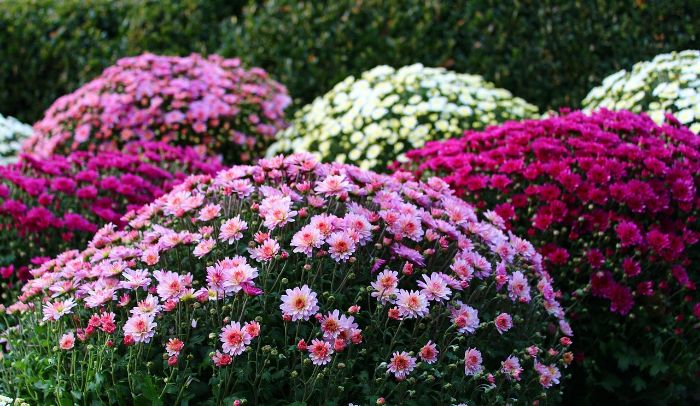
Chrysanthemums also make permaculture gardens look better. They come in many colors and shapes. This adds beauty and makes the garden more inviting.
They can be the main focus, borders, or background plants. Chrysanthemums make the garden look better. They make it a place that is pleasing to the eye.
Chrysanthemums are great for permaculture gardens. They help with pest control, soil health, and attract pollinators. They also make the garden look beautiful.
Choosing the Right Chrysanthemum Varieties
Choosing the right chrysanthemums is key for a great permaculture garden. Think about how different varieties handle your local climate.
Hardy Varieties for Different Climates
Chrysanthemums vary in how well they handle the weather. Some do great in cold, others in warm areas. Make sure to pick varieties suited to your climate; choosing disease-resistant cultivars is critical for a low-maintenance permaculture approach.
Bloom Times and Color Choices
Having chrysanthemums bloom at different times adds beauty to your garden. Pick ones that bloom from spring to fall. They come in many colors like white, yellow, pink, purple, and red. Try mixing colors for a stunning look.

Disease-Resistant Varieties
It’s smart to choose chrysanthemums that fight off diseases. This keeps your plants healthy and cuts down on chemicals. It also stops diseases from spreading in your garden.
Designing with Chrysanthemums in Permaculture
Creating a permaculture garden means picking and placing plants carefully. Chrysanthemums are great for making your garden look good and work well. We’ll explore ways to integrate them in guilds, but also maintain their blooms for visual appeal and healthy growth throughout the season. This includes putting them in guilds, layering with other plants, and using companion planting.
Integrating Chrysanthemums into Guilds
Guilds are key in permaculture. They group plants that help each other out. Adding chrysanthemums to guilds uses their bug-repelling power to protect other plants. These flowers keep pests away with their natural chemicals.
Layering with Other Perennial Plants
Layering plants in a garden uses space well and boosts production. Chrysanthemums work great when layered with other plants. They grow well in borders, beds, or vertical gardens because of their size and color.
When layering chrysanthemums, pick plants that need the same things. This makes plant communities that help each other grow and stay healthy.
Companion Planting Strategies
Companion planting means growing plants together for mutual benefits. Chrysanthemums do well with certain plants. For example, they go well with lavender or rosemary. These plants attract good bugs that help with pests and pollination.
Chrysanthemums also work with plants that have deep roots, like comfrey or dandelion. These plants improve soil and nutrients. The chrysanthemum’s shallow roots and these plants’ deep roots work together well, making soil better.

Using chrysanthemums in permaculture gardens is a great idea. They can be part of guilds, layered with other plants, or used with companion planting. These methods make your garden look beautiful and help the environment.
Planting and Caring for Chrysanthemums
To keep your chrysanthemums healthy and beautiful, you need to plant and care for them right. Follow these steps to make sure they grow well and keep blooming.
Soil Preparation and Amendments
Before you plant chrysanthemums, get the soil ready. Pick a spot that gets at least six hours of sunlight a day. Clear the area of weeds and debris.
Add organic stuff like compost to the soil to make it richer and better draining. Chrysanthemums like soil that drains well and doesn’t stay wet. Adding organic matter also keeps the soil moist, which is good for the plants.
Watering and Mulching Techniques
Watering your chrysanthemums right is key to their health and growth. Make sure the soil is moist but not too wet. Don’t overwater, as it can cause root rot and diseases.
Mulching helps chrysanthemums too. It keeps the soil moist, stops weeds, and keeps the temperature right. Use organic mulch like straw or wood chips around the plants. Leave a little space around the stem to prevent rot.
Pruning and Deadheading for Continued Blooms
Pruning and deadheading your chrysanthemums often helps them bloom more and stay healthy. In spring, cut the stems back a bit to make them bushy and flower more.
Take off the dead flowers often to make the plant focus on new blooms. Cut them off just above a leaf or a set of leaves. This stops seed production and makes more flowers.
Seasonal Maintenance for Chrysanthemums
Proper care is key for chrysanthemums in your garden. Each season has its own needs to keep the plants healthy and blooming. We’ll cover spring planting, summer care, and how to get ready for winter.
Spring Planting and Early Care
Spring is the best time to plant chrysanthemums. Pick a spot that gets a lot of sun and has good drainage. Before planting, add organic matter to the soil to make it rich and loose.
Dig a hole big enough for the plant’s roots. Put the chrysanthemum in the hole and fill with soil. Press the soil down gently and water well to help the roots grow.
Keep an eye on your plants for pests or diseases in spring. Act fast if you see any problems.
Summer Growth and Blooming Tips
Summer is when chrysanthemums need regular care. Water them well, but don’t let the soil get too wet. Feed them with a balanced fertilizer every few weeks.
Remove dead flowers to help the plant keep blooming. Watch for pests like aphids and deal with them if you find them.
Fall Care and Preparing for Winter
When fall comes, stop cutting off dead flowers. This helps the plant save energy for next year. Put mulch around the plants to keep their roots warm.
If you have really cold winters, cover the plants with a frost blanket. Water them less as they go dormant, keeping the soil a bit moist.
By taking care of your chrysanthemums through the seasons, you’ll have beautiful flowers every year. Each season is a chance to help these lovely plants thrive in your garden.
Chrysanthemums in Edible Permaculture Gardens
Chrysanthemums make gardens look good and work well in permaculture. Some types of chrysanthemums are safe to eat and taste great. Adding these to vegetable gardens helps both plants and people.
Edible Chrysanthemum Varieties
When picking chrysanthemums for eating, choose safe types. Good ones include Garland chrysanthemum (Chrysanthemum coronarium), Edible Chrysanthemum (Chrysanthemum morifolium), and Shungiku (Glebionis coronari).
Incorporating Chrysanthemums into Vegetable Gardens
Adding chrysanthemums to gardens has many perks. They keep pests away and draw in good bugs. Their flowers also help pollinators, making the garden work better.
These flowers make gardens look nice with their bright colors. They help make the garden look good and diverse.
Benefits of Edible Flowers in Permaculture
Eating chrysanthemums and other edible flowers is good for permaculture. They’re full of vitamins, minerals, and antioxidants. Adding them to food makes meals taste better and look nicer.
Using edible flowers also helps with growing many different plants. This makes the garden healthier and more strong.
Edible chrysanthemums are great for permaculture gardens. They taste good, look nice, and are useful in cooking.
Conclusion – Creating a Beautiful and Functional Permaculture Garden with Chrysanthemums
Chrysanthemums are great for any permaculture garden. They make your garden look beautiful and help the environment. These flowers add color and are good for the ecosystem.
Chrysanthemums keep pests away naturally. They release compounds that insects don’t like. This means you use fewer pesticides. They also make the soil better by adding organic matter as they break down.
These flowers attract bees and butterflies. They love the nectar in the flowers. This helps other plants in your garden get pollinated. It makes your garden more diverse and healthy.
To make a great permaculture garden with chrysanthemums, pick the right types and design your garden well. Think about how cold it gets where you live. Choose flowers of different colors to keep your garden interesting all the time. Pick ones that don’t get sick easily to save work.
Follow the right steps to take care of your chrysanthemums. Get the soil ready, water them right, and trim them. Do things like planting in spring, taking care of them in summer, and preparing for fall to keep them healthy.
Chrysanthemums can also be part of your food garden. Some kinds of chrysanthemums are safe to eat. They can make your meals taste better and look nice.
In conclusion, chrysanthemums are perfect for permaculture gardens. They are beautiful, useful, and good for the planet. So, add chrysanthemums to your garden now and see the benefits for yourself.
FAQ
How can chrysanthemums contribute to permaculture gardens?
Chrysanthemums help control pests naturally. They improve soil health and draw in pollinators. They also make the garden look beautiful.
What are the benefits of chrysanthemums in permaculture?
Chrysanthemums fight pests naturally. They make the soil better and bring in pollinators. They also make the garden look nice.
What factors should be considered when choosing chrysanthemum varieties for permaculture gardens?
Think about how hardy each variety is for your area’s climate. Pick ones with different bloom times and colors. Choose ones that resist diseases for plants that last longer.
How can chrysanthemums be integrated into permaculture guilds?
Put chrysanthemums in guilds to help control pests for other plants. Layer them with other perennials to use space well. Use them with other plants to make them healthier and produce more.
What is the proper planting and care required for chrysanthemums in permaculture gardens?
Plant chrysanthemums in well-prepared soil with the right amendments. Water and mulch them well. Prune and deadhead to keep them blooming and healthy.
What seasonal maintenance practices are necessary for chrysanthemums in permaculture gardens?
In spring, plant and care for them early. In summer, help them grow and bloom. In fall, care for them and get them ready for winter.
How can chrysanthemums be used in edible permaculture gardens?
Some chrysanthemums are edible and can be in vegetable gardens. They help control pests and attract good insects. Edible flowers, like chrysanthemums, add nutrition and beauty to meals.
How can chrysanthemums contribute to creating a beautiful and functional permaculture garden?
Chrysanthemums help control pests naturally. They make the soil better and attract pollinators. They also add beauty to the garden, making it more functional and lovely.