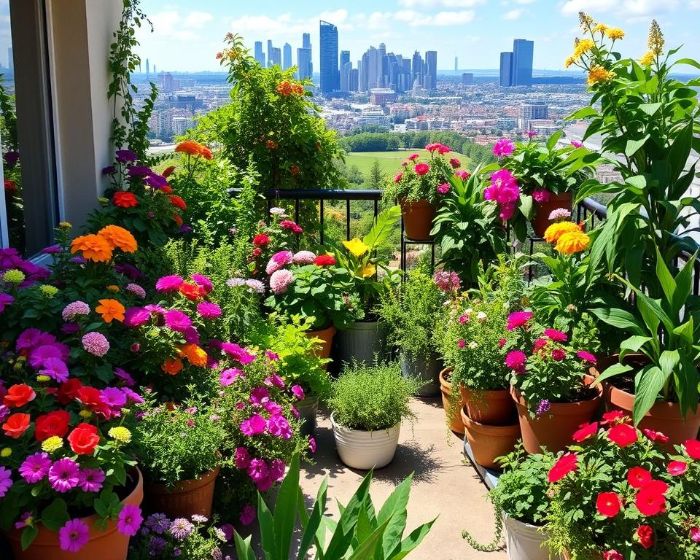
Container gardening offers a practical way to grow vegetables, herbs, flowers, and ornamentals when ground space is limited. The right plant choices balance growth habits with container constraints, delivering healthy yields and strong visual impact. Understanding how each plant adapts to confined root zones, variable watering, and microclimates allows gardeners to create productive, attractive displays that perform season after season.
Key Takeaways
- Select plants with root systems suited to container depth and width.
- Combine edible and ornamental species to maximise utility and visual appeal.
- Match plant water and light requirements to their container environment.
- Prioritise varieties bred for compact growth to maintain health and yield.
- Rotate crops and refresh soil to prevent nutrient depletion and disease build-up.
Table of Contents
Vegetables Well-Suited to Container Growth
Container-grown vegetables can match, and sometimes surpass, the productivity of in-ground plots when variety selection aligns with the physical limits of pots and planters. Compact root systems, short maturation times, and adaptability to variable watering make certain vegetables particularly reliable in confined spaces. Choosing cultivars bred for container culture reduces maintenance demands while increasing harvest predictability.
Compact Tomato Varieties for High Yield
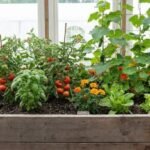
Dwarf and determinate tomato types adapt better to pots than sprawling indeterminate plants. Varieties such as ‘Tiny Tim’ or ‘Patio Princess’ stay under 60 cm in height, producing clusters of fruit without requiring excessive staking. A container at least 30 cm deep with high-quality potting mix supports consistent flowering and ripening. Daily monitoring of moisture is critical, as fruiting plants are sensitive to fluctuations.
Peppers that Thrive in Confined Soil
Sweet bell and chili peppers respond well to container conditions when provided with six or more hours of direct light and steady feeding. Varieties like ‘Lunchbox’ and ‘Cayenne Slim’ remain compact while producing repeatedly through the warm months. Containers 25–30 cm deep allow for stable root development, and mulching helps maintain the even soil temperature peppers need for steady fruit set.
Leafy Greens for Continuous Harvest
Fast-growing greens such as lettuce, spinach, and pak choi offer an ongoing harvest when seeded in succession. Shallow root systems make them ideal for wide, shallow troughs or window boxes. Regular trimming of outer leaves encourages new growth, extending productivity over several weeks. Because greens are sensitive to heat, partial afternoon shade or placement in a cooler microclimate can extend the season.
Root Vegetables Adapted for Pots
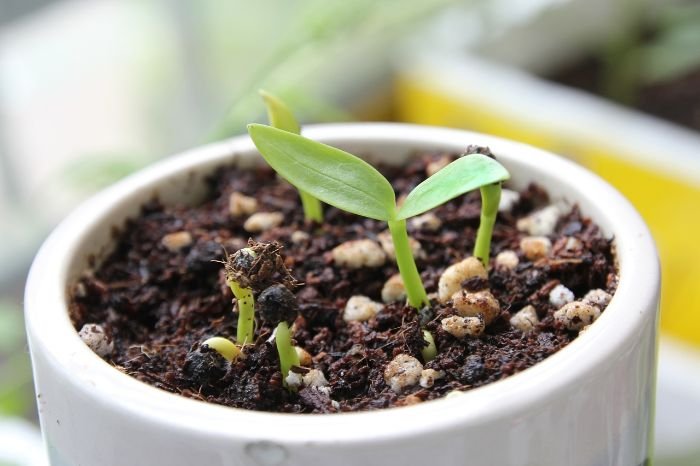
Short-rooted carrots (‘Paris Market’), radishes, and baby beets perform reliably in containers where deeper-rooted crops would be stunted. Loose, stone-free potting mix promotes uniform root development, while consistent moisture prevents woody texture. A depth of at least 20 cm is needed for even small varieties, and thinning seedlings early prevents crowding that would distort root shapes.
Legumes with a Compact Growth Habit
Bush-type beans and dwarf peas offer high returns in limited space. Their ability to fix nitrogen benefits mixed plantings in the same container. Trellising dwarf peas on a small frame maximises vertical space without overshadowing neighbours. Regular picking stimulates continued flowering, especially in warm conditions.
Selecting vegetable cultivars with growth habits and root structures that align with container constraints maximises productivity while reducing stress on plants. Combining compatible species in shared containers can create a self-sustaining system that delivers steady harvests throughout the growing season.
Herbs Adapted to Container Culture
Herbs respond exceptionally well to the controlled environment of container gardens. The confined space allows for precise management of soil composition, moisture levels, and sunlight exposure – factors that directly influence flavour concentration and plant longevity. By grouping herbs with similar environmental needs, growers can simplify maintenance and optimise yield.
Basil for Continuous Leaf Production
Basil varieties such as ‘Genovese’ and ‘Greek Dwarf’ develop rich flavour when grown in full sun with evenly moist, fertile soil. Regular harvesting of the upper leaves promotes branching, which increases total leaf output over the season. Containers at least 20 cm deep provide stable root space, and warm conditions encourage rapid regrowth after cutting.
Mint Contained for Vigorous Growth
Mint’s spreading root system can quickly dominate open beds, making containers the most efficient way to control its growth. Varieties like spearmint and peppermint perform best with consistent moisture and light morning sun. Pinching stems before flowering keeps the foliage tender and aromatic.
Rosemary for Year-Round Harvest
Rosemary tolerates drier soil and requires strong light for robust growth. Upright forms such as ‘Tuscan Blue’ thrive in deep containers with free-draining, sandy mix. Removing lower stems for culinary use encourages a denser plant shape and improved air circulation.
Parsley with Extended Cropping Periods
Flat-leaf and curly parsley adapt to medium-depth pots, producing continuously when the outer stems are harvested first. Even moisture and partial shade during high summer maintain leaf quality and slow bolting.
Optimal Growing Conditions for Popular Culinary Herbs
| Herb | Minimum Pot Depth | Light Requirement | Watering Frequency* | Notes on Maintenance |
|---|---|---|---|---|
| Basil | 20 cm | Full sun | Moderate, keep moist | Pinch tops to prevent flowering |
| Mint | 20 cm | Morning sun, afternoon shade | Frequent | Cut back before flowering |
| Rosemary | 25–30 cm | Full sun | Low, avoid soggy soil | Trim to maintain shape |
| Parsley | 20–25 cm | Partial to full sun | Moderate | Harvest outer stems first |
| Thyme | 15–20 cm | Full sun | Low | Allow soil to dry slightly between waterings |
*Watering frequency varies with season and container size.
Choosing herbs that align in light, water, and soil needs allows for efficient group plantings, minimising maintenance while ensuring steady access to fresh, flavour-rich foliage. This approach also reduces the risk of stress-related pest and disease issues common in mismatched combinations.
Flowering Plants for Decorative Containers
Flowering plants add visual structure and seasonal variety to container gardens. Their role extends beyond aesthetics, as blooms can attract pollinators that benefit nearby edible crops. Selecting species and cultivars with growth habits suited to confined soil ensures a sustained display without excessive maintenance.
Geraniums for Reliable Seasonal Colour
Zonal and ivy-leaf geraniums perform well in full sun with moderate watering. Their tolerance to brief dry spells makes them dependable for balcony and patio containers. Removing spent flower heads every few days promotes continuous blooming from late spring to early autumn.
Petunias with Long Bloom Periods
Trailing and compact petunia varieties, including calibrachoa hybrids, create dense cascades of colour. They require nutrient-rich soil and consistent moisture to support prolonged flowering. Regular deadheading and occasional trimming encourage fresh growth and prevent legginess.
Marigolds as Dual-Purpose Ornamentals
French and African marigolds provide bright colour while contributing to pest deterrence in mixed plantings. They thrive in well-drained soil under full sun. Removing faded blooms helps extend the flowering season, and planting in slightly raised containers can enhance air movement around foliage.
Begonias for Shade-Tolerant Displays
Wax and tuberous begonias adapt to lower light levels, making them suitable for shaded patios or north-facing balconies. Even moisture and protection from cold drafts maintain strong leaf colour and continuous flower production.
Container Care Schedule for Flower Longevity
| Plant Type | Optimal Light | Bloom Period | Deadheading Required | Feeding Frequency |
|---|---|---|---|---|
| Geraniums | Full sun | Late spring–autumn | Yes | Every 2 weeks |
| Petunias | Full sun–partial | Spring–frost | Yes | Weekly liquid feed |
| Marigolds | Full sun | Summer–autumn | Yes | Monthly |
| Begonias | Partial–shade | Summer–frost | No* | Every 2–3 weeks |
*Some begonia hybrids are self-cleaning and do not require manual deadheading.
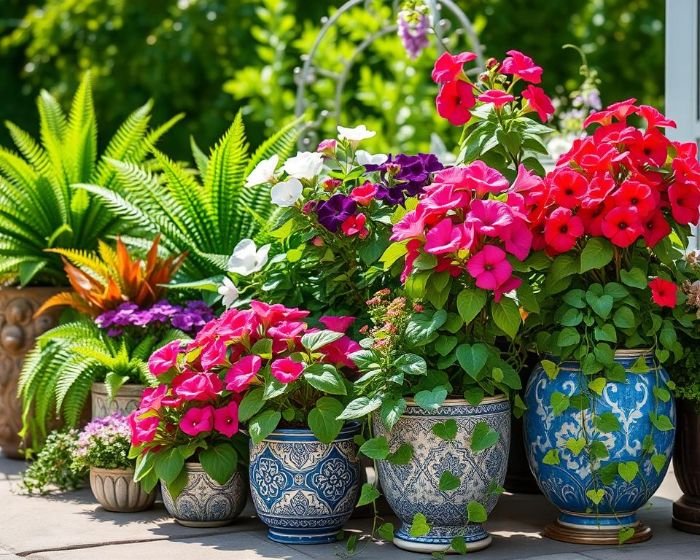
Integrating flowering plants into container arrangements enriches the garden’s visual appeal while supporting ecological benefits such as pollinator activity. The right mix of sun-loving and shade-tolerant species allows colour to be distributed evenly across varied light conditions in the same outdoor space.
Ornamental Foliage Plants for Structure and Texture
Foliage plants anchor container designs by providing consistent form and texture throughout the growing season. Unlike flowering species that peak and fade, ornamental foliage maintains its presence, offering a visual counterbalance to transient blooms. Selecting varieties with diverse leaf shapes, colours, and growth habits enhances depth and creates a cohesive visual framework.
Boxwood for Formal Shapes
Boxwood (Buxus spp.) adapts well to containers when planted in free-draining soil and placed in partial to full sun. Regular trimming maintains compact, architectural forms that suit formal or symmetrical arrangements. Containers at least 30 cm deep prevent root stress during dry periods.
Japanese Maples for Seasonal Drama
Dwarf Japanese maple cultivars such as ‘Shaina’ or ‘Red Pygmy’ bring fine texture and vibrant seasonal colour shifts. They perform best in sheltered positions with morning sun and afternoon shade, which protects delicate foliage from scorching. A high-quality loam-based compost provides stability for their woody roots.
Heuchera for Colour Variations
Heuchera hybrids offer foliage in shades from lime green to deep burgundy, ideal for underplanting taller specimens. Their compact growth makes them well-suited to smaller containers, and they thrive in partial shade with evenly moist soil. Removing older leaves in early spring rejuvenates the plant for the new season.
Hostas for Shaded Corners
Hostas excel in deep shade, producing broad leaves in various textures and colours. They require consistent moisture and protection from slugs and snails, particularly in smaller containers. Mulching with fine gravel can deter pests and reduce splash-back that can damage foliage.
Foliage Characteristics at a Glance
| Plant | Light Preference | Container Depth | Water Needs | Seasonal Interest |
|---|---|---|---|---|
| Boxwood | Partial–full sun | 30 cm | Moderate | Evergreen |
| Japanese Maples | Morning sun, afternoon shade | 40 cm+ | Moderate | Spring–autumn colour change |
| Heuchera | Partial shade | 20–25 cm | Moderate | Year-round foliage |
| Hostas | Full–deep shade | 25–30 cm | High | Summer foliage display |
Incorporating foliage plants into container arrangements stabilises the visual composition, creating year-round structure. When paired thoughtfully with flowering and edible species, they provide a textural backdrop that elevates the entire planting scheme.
Edible Fruits for Urban Containers
Compact fruiting plants can turn small patios, balconies, and rooftops into productive spaces. By selecting dwarf or patio-specific cultivars, it’s possible to achieve consistent yields without overwhelming limited soil volumes. The key lies in providing stable moisture, adequate sunlight, and nutrient-rich potting mixes that support sustained flowering and fruiting.
Strawberries for Continuous Cropping
Day-neutral strawberry varieties such as ‘Albion’ or ‘Seascape’ produce fruit throughout the summer when grown in containers with at least 20 cm depth. Hanging baskets and vertical planters maximise limited floor space while keeping fruit away from soil-borne pests. Removing runners directs energy back into fruit production.
Dwarf Citrus for Patio Harvests
Compact lemon, lime, and orange trees adapt well to large tubs in full sun. Varieties like ‘Improved Meyer’ lemon or ‘Calamondin’ orange tolerate container life with annual root pruning and regular feeding. During colder months, moving citrus indoors or to a sheltered position protects them from frost damage.
Blueberries in Acidic Mixes
Lowbush and half-high blueberry cultivars such as ‘Top Hat’ and ‘Northcountry’ are well-suited to container growing. They require acidic potting media (pH 4.5–5.5) for healthy growth and fruit set. Position in full sun for maximum yield, and water consistently to avoid berry shrivel during ripening.
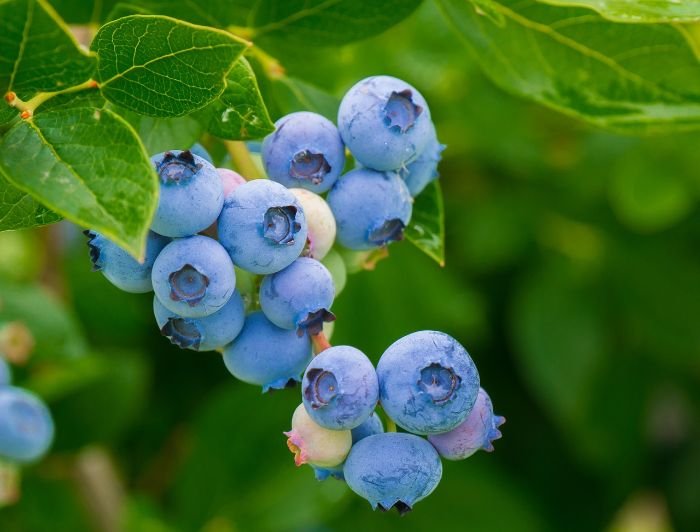
Fig Trees for Warm Microclimates
Dwarf fig varieties like ‘Petite Negra’ can produce two crops a year in warm, sheltered spaces. They thrive in large containers with a loam-based compost that retains moisture yet drains well. Pruning in late winter shapes the plant and controls its size for easy maintenance.
Container Fruit Requirements
| Fruit Type | Minimum Container Depth | Sunlight Hours | Soil Type | Notable Maintenance |
|---|---|---|---|---|
| Strawberries | 20 cm | 6+ | Fertile, well-drained | Remove runners |
| Dwarf Citrus | 40–50 cm | 8+ | Rich, free-draining | Shelter in winter |
| Blueberries | 30–40 cm | 6+ | Acidic, well-drained | Maintain pH |
| Figs | 45–50 cm | 8+ | Loam-based, moisture-retentive | Annual pruning |
Integrating fruiting plants into container arrangements not only adds variety to edible harvests but also extends the productive season. When positioned strategically alongside herbs and vegetables, they contribute to a self-sustaining urban food garden that is both functional and visually appealing.
Care and Maintenance Strategies for Container Plants
Consistent care is critical for sustaining plant health in containers, where soil volume and nutrient reserves are limited. Unlike in-ground plantings, potted specimens rely entirely on the grower to maintain optimal moisture, fertility, and environmental stability. A structured maintenance routine prevents stress, promotes strong growth, and extends the productive or decorative life of each plant.
Irrigation Scheduling and Techniques
Container plants lose moisture more quickly than those in open soil due to higher exposure to wind and sun. Checking soil moisture daily during hot periods helps prevent stress. Water deeply until excess drains from the base, ensuring the entire root zone is hydrated. Drip systems or self-watering containers can maintain even moisture for time-poor gardeners, reducing the risk of drought damage.
Fertilisation and Nutrient Management
Nutrients in potting mixes diminish over time due to plant uptake and leaching during watering. Incorporating slow-release fertilisers into the soil at planting provides a steady nutrient supply. Supplementing with liquid feeds during peak growth periods boosts flowering, fruiting, and foliage colour. Matching fertiliser type to plant needs improves growth outcomes. Flowering plants respond well to high-potassium feeds, while leafy crops perform better with nitrogen-rich formulas.
Pruning and Deadheading Practices
Pruning maintains shape, stimulates new growth, and removes damaged material that can harbour disease. Deadheading spent flowers redirects energy to new blooms or vegetative growth. Timing and technique depend on the species: for example, tomatoes benefit from sucker removal, while woody herbs respond well to light trimming after flowering.
Seasonal Adjustments for Climate Extremes
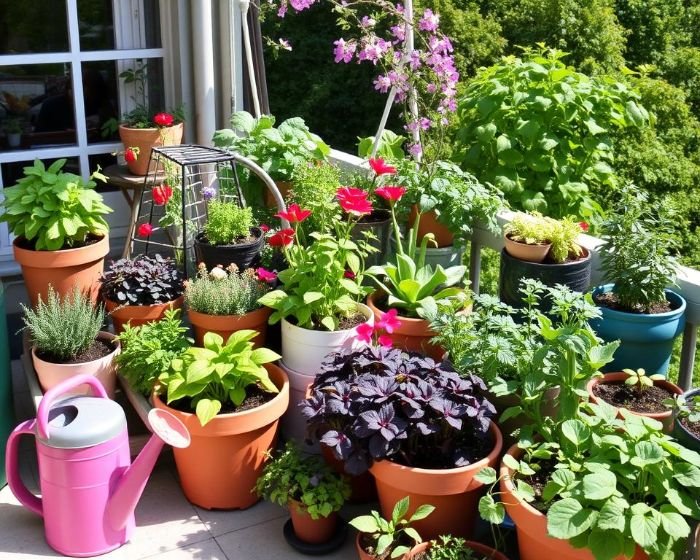
Temperature fluctuations have a greater impact on container-grown plants due to limited soil insulation. Moving pots to sheltered areas during frost, providing shade cloth in extreme heat, or clustering containers to reduce wind exposure can help maintain stable conditions. Rotating plant positions to adjust for seasonal changes in sun angle ensures consistent light exposure.
Maintenance Checklist for Healthy Container Plants
| Task | Frequency | Purpose |
|---|---|---|
| Check soil moisture | Daily in summer | Prevent drought stress |
| Deep watering | 2–3 times/week* | Fully hydrate root zone |
| Fertiliser application | As per plant need | Maintain nutrient levels |
| Pruning | Seasonal/ongoing | Control growth, remove damaged tissue |
| Deadheading | Weekly | Extend bloom period |
| Pest inspection | Weekly | Early intervention to prevent spread |
*Adjust frequency based on weather, plant type, and container size.
An organised care routine reduces plant losses and maintains peak performance throughout the year. By monitoring conditions and responding promptly to environmental changes, container gardeners can achieve consistent results with less corrective intervention later.
Design Principles for Visually Balanced Container Gardens
A well-composed container garden combines visual appeal with plant health, balancing structure, colour, and growth patterns over time. The arrangement should guide the viewer’s eye naturally while ensuring each plant has the conditions it needs to thrive. Successful designs consider both the immediate effect and how the display will evolve through the seasons.
Coordinating Colour and Seasonal Interest
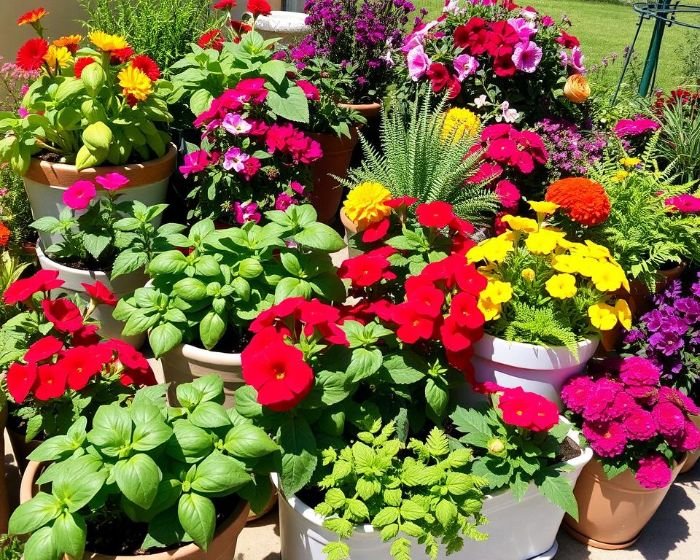
Colour harmony shapes the mood and cohesion of a container arrangement. Selecting a palette that either complements or contrasts creates a deliberate visual theme. Warm tones such as reds and oranges generate energy, while blues and purples create a calmer effect. Incorporating plants with staggered bloom times or foliage that changes colour through the year maintains interest beyond a single season. Even non-flowering plants can contribute colour through variegated leaves or distinctive textures.
Balancing Plant Form and Spatial Flow
Proportions within the container influence both aesthetics and plant performance. Taller specimens should form a focal point without overshadowing surrounding plants. Mid-height selections can bridge the visual gap between the focal plant and trailing or edging varieties. Grouping plants with similar light and moisture requirements ensures that design choices do not compromise plant health. Containers positioned in series along a balcony or pathway benefit from repeating structural elements to create rhythm and continuity.
Applying intentional design choices results in containers that look complete from planting day through to the end of the season. The combination of compatible growth habits, coordinated colour, and considered proportions allows a display to remain visually balanced while reducing ongoing adjustments.
Conclusion – Creating Productive and Attractive Container Gardens
Container gardening offers the flexibility to combine ornamental and edible plants in a way that suits available space, light conditions, and personal style. By selecting species with growth habits and care requirements suited to confined soil, gardeners can maintain healthy displays with consistent yields. The success of a container arrangement relies on thoughtful plant pairing, precise maintenance, and an understanding of how visual and functional elements work together. Over time, well-planned containers evolve into dependable, season-spanning features that contribute both beauty and utility to any outdoor space.
FAQ
What container depth is best for growing mixed plantings of vegetables and herbs?
When combining vegetables and herbs in one container, a minimum depth of 30 cm supports most compact vegetable roots and perennial herbs. Shallow-rooted herbs like basil and parsley will adapt well, while deeper-rooted vegetables such as peppers and dwarf tomatoes require the additional soil volume for stable moisture and nutrient reserves. Choosing a container with adequate width also prevents crowding, which can limit airflow and light penetration.
How can I maintain soil fertility in long-term container plantings?
Soil fertility in containers declines faster than in open ground due to nutrient leaching and plant uptake. Incorporating a slow-release fertiliser at planting and supplementing with liquid feeds during active growth maintains nutrient availability. Replacing the top 5–8 cm of soil annually with fresh, enriched potting mix restores organic matter and trace elements without disturbing established roots.
What strategies prevent root-bound conditions in perennial container plants?
Perennial plants in containers require periodic root maintenance to avoid binding, which restricts water and nutrient uptake. Lifting the plant every two to three years and pruning the outer root mass before repotting into fresh soil restores growth capacity. For larger specimens such as dwarf citrus or Japanese maples, this process can be done in situ by slicing and removing small wedges of the root ball.
Which irrigation methods provide the most consistent results for container gardens?
Consistency is critical in container irrigation. Drip systems deliver water directly to the root zone, reducing evaporation and leaf wetting that can promote disease. Self-watering containers with a sub-reservoir maintain a steady moisture level, which is particularly effective for fruiting crops. Manual watering remains effective when soil moisture is checked regularly and water is applied until it drains freely from the base.
How do I select container materials that suit both aesthetics and plant health?
Material choice influences both appearance and plant performance. Unglazed terracotta provides breathability but dries quickly, suiting drought-tolerant plants. Glazed ceramic retains moisture longer but can be heavy to move. Lightweight resin or fibreglass mimics stone without the weight, making them practical for balconies. All materials require drainage holes to prevent waterlogging, regardless of their aesthetic value.
What measures protect container plants from extreme temperature fluctuations?
Containers have limited insulation, making roots vulnerable to both heat and cold stress. Positioning pots against walls that absorb and release heat can moderate winter cold, while shade cloth or temporary relocation reduces heat stress in summer. Mulching the soil surface slows evaporation and buffers root temperature swings, particularly in smaller containers.
Can I reuse potting mix from a previous season?
Potting mix can be reused if it is free of pests and disease. It should be revitalised by removing old roots, blending in fresh compost or quality potting mix, and adding balanced fertiliser. For crops susceptible to soil-borne issues, rotating plant types between containers reduces the likelihood of repeated disease pressure.
How should I arrange multiple containers for both function and design?
Arrangements should account for light access, maintenance ease, and aesthetic flow. Placing taller containers or plants at the back prevents shading of smaller ones, while grouping by similar water needs streamlines irrigation. Repeating certain plants or container styles creates visual rhythm, and varying heights adds depth without compromising access for care or harvesting.