


Can a single community garden bridge the gap between diverse populations and foster a sense of belonging for all? Community gardening is more than planting flowers or vegetables. It’s about building connections, inclusivity, and accessibility. It brings people together, no matter their age, background, or ability.
Community gardens are key in urban areas where green spaces are scarce. They are places where people from different lives can meet. These gardens offer food, beauty, and a strong sense of community.
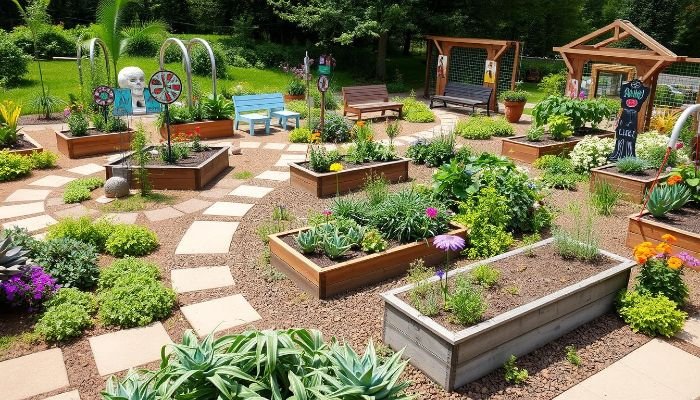
Inclusive garden design makes sure everyone can garden, no matter their physical ability or background. Features like raised beds, ergonomic tools, and wide paths help make gardens accessible to all.
Key Takeaways
- Community gardening unites people from diverse backgrounds through a shared connection to nature.
- Inclusive garden design includes accessibility features such as raised beds and wide pathways.
- Urban gardening is essential for fostering communal bonds in cities with limited green spaces.
- Universal Design principles can create environments usable for all ages and abilities.
- Raised garden boxes accommodate seniors, children, and individuals using wheelchairs.
- Gardening tools should be lightweight and ergonomically designed to reduce user fatigue.
Table of Contents
The Importance of Inclusivity in Community Gardens
Foundations of community gardening show that creating gardens that welcome everyone goes beyond appearance, ensuring inclusivity and lasting community impact. It’s about making sure everyone feels at home and can join in. The Community Gardens Task Force, set up under Section 31-j of the Agriculture and Markets Law, works to make gardens open to all. They want to grow these gardens to help with food programs and support diverse gardens.
Creating Spaces That Welcome Everyone
Designing gardens for everyone means making them accessible to all. Gardens that follow universal design principles have paths, seats, and beds that everyone can use. This helps people with disabilities, parents with strollers, and the elderly to garden too.
Encouraging Diversity and Community Engagement
Diverse community gardens bring people together. The Ron Finley Project in South Central LA shows how this works. They say 90% of their gardeners learned about different cultures. And 80% felt closer to their community.
Social networks in community gardens illustrate how these spaces act like small worlds of diverse cultures, helping people collaborate and understand each other better. The Community Gardens Task Force is working to get seniors involved, grow more food, and fight obesity. By promoting food security through community gardening, they aim to make communities healthier and more connected by breaking down barriers.
Accessibility Features for All Abilities
Community gardens should be open to everyone, including those with mobility issues. They can have raised beds, special tools, and easy paths. This makes gardening fun for all.
Raised Beds and Adaptive Tools for Mobility Access
Raised beds help those in wheelchairs or with mobility problems. They should be easy to reach and not too wide. This makes gardening easier.
Tools like long-handled ones help reduce strain. They have soft handles and bright grips. This helps people with limited dexterity or vision.
Accessible Pathways and Seating Areas
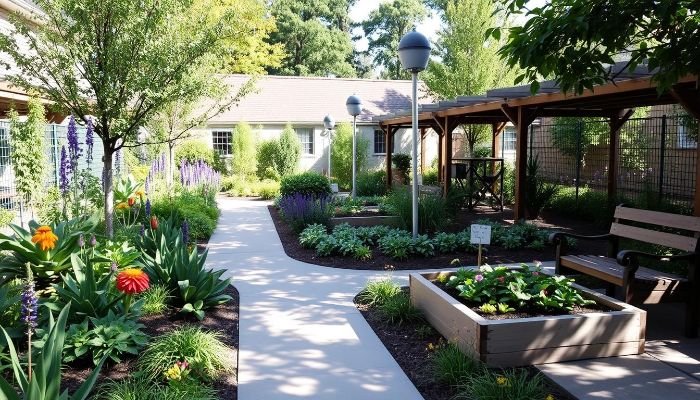
Paths need to be wide and smooth for easy movement. A width of 5 feet is best for everyone. They should also be flat and follow ADA rules.
Seating areas are important for rest. They should be in shaded spots for comfort. These spots help people relax and talk, making the garden feel like a community.
Designing for Different Age Groups and Needs
Community gardens for all ages make the garden experience better. They help everyone, from kids to seniors, enjoy the space together. This makes the garden a place of community and fun.
Safe and Engaging Spaces for Children
It’s important to have areas just for kids. Community gardens for education serve as interactive spaces that teach kids about nature and healthy food. They should have plants to touch, small gardens, and tools for kids to learn by doing.
But safety comes first. Make sure there are no harmful plants. Also, have paths and barriers that kids can easily use.
Relaxation Areas for Seniors and Caregivers
Community gardens need spaces for seniors too. Areas with comfy seats and shade are great for them to relax and chat. Raised beds help seniors garden without hurting their backs.
Incorporating Cultural and Social Diversity
Community gardens are great places to celebrate different cultures and backgrounds. They bring people together to share their heritage. Since the 1970s, these gardens have grown a lot in North America.
They offer many benefits, but some say they can also cause problems. It’s important to make sure they are good for everyone.
Planting Culturally Significant Crops
Planting crops that are important to different cultures helps everyone feel included. Seeing their crops grow makes people proud. It also helps share cultural traditions through food.
Creating Spaces for Cultural Events and Gatherings
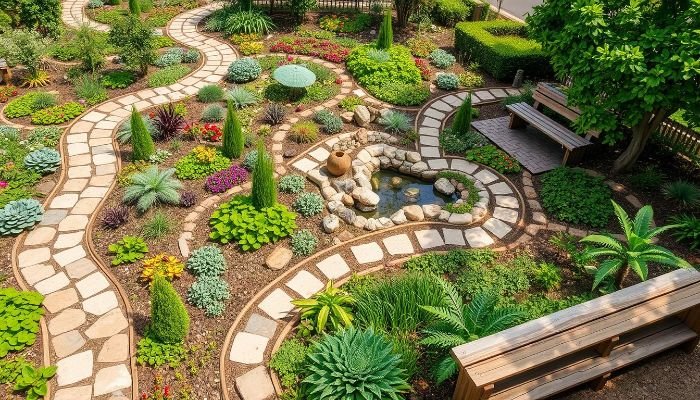
Creating special areas for events and gatherings helps people connect. These spaces are for cultural events and socializing. Research on the mental health benefits of community gardens shows that 80% of gardeners make friends from diverse backgrounds, boosting social bonds.
These areas make the garden a lively place. They help celebrate traditions, make new friends, and strengthen community bonds. This makes the garden a welcoming and important part of community life.
Sustainable and Eco-Friendly Garden Design
Sustainable gardening practices are key in community garden design. They help protect our environment and make gardens more resilient. Eco-friendly community gardens use recycled and natural materials to cut down on waste. This shows the value of saving resources and sets a good example for others.
Using Recycled and Natural Materials
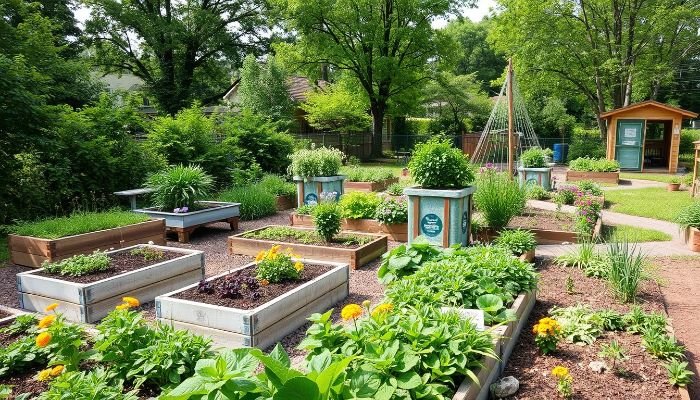
More eco-friendly community gardens are using recycled stuff. They turn old pallets into garden beds or use recycled bricks for paths. This reduces waste and makes the garden look and work better.
They also use natural stuff like native wood, stone, and compost. These choices make the garden beautiful and sustainable.
Water Conservation and Native Plantings
Water is precious, so saving it is important in garden design. Gardens can collect rainwater and use smart irrigation like drip lines. This cuts down on water use.
Choosing plants that grow well in the local climate is also key. Native plants need less water and care. They help create strong, local ecosystems that support many species.
Community Involvement in Garden Design
Getting the community involved in garden design makes sure the space is what people need. This way, neighborhoods become more welcoming and everyone feels like they own it.
Gathering Feedback from Diverse Community Members
Good community gardens listen to everyone. This makes sure the garden is for all, no matter their background or age. Studies show that making tools accessible helps people with different abilities join in.
Also, using many languages in educational materials helps more people participate. This way, everyone’s voice is heard.
Collaborative Planning and Decision-Making
Working together on garden plans is crucial for success. When everyone’s ideas are considered, the garden becomes a place where everyone wants to be. This leads to more people staying involved.
Research shows that gardens near public transport get more visitors. This helps keep the garden diverse and benefits the whole community.
Overcoming Challenges in Inclusive Garden Design
Creating inclusive community gardens faces many hurdles. Budget and space issues are common. But with careful planning, we can make gardens welcoming to all.
Addressing Space and Budget Limitations
Space and budget issues are big challenges. Vertical gardens use space well but need special watering systems. Raised beds help people of all abilities garden, standing or sitting.
The ADA says raised beds should be 20 to 36 inches high. This makes gardening comfortable for everyone.
Money can be tight too. But, local businesses and groups can help with money or materials. Using recycled stuff saves money and is good for the planet. Stone dust paths are cheap and meet accessibility rules, but need upkeep.
Ensuring Ongoing Maintenance and Accessibility
Keeping gardens accessible is key. Getting the community involved helps a lot. They feel like they own the garden and help keep it up.
Regular checks are important. Make sure paths are smooth, lights are bright, and features are safe. Adding sensory elements and colors helps everyone, including those who can’t see well.
Working with local groups helps a lot. They can provide volunteers or money. This ensures gardens stay accessible and loved by all. With the right planning, we can overcome design challenges and make gardens inclusive for everyone.
FAQ
What are the elements of designing inclusive community gardens?
Key elements include making spaces for everyone, adding cultural and social touches, and focusing on the environment. It’s important to involve the whole community in planning. Features like raised beds, tools for all, and paths for everyone are crucial.
Why is inclusivity important in community gardens?
Inclusivity lets people from all walks of life join in. It builds a strong community bond. It’s a place where everyone’s culture and stories are valued and shared.
What accessibility features are recommended for inclusive gardens?
Features like raised beds and tools for less effort are recommended. Wide paths, ramps, and seats are also key. These make the garden welcoming for everyone, no matter their mobility.
How can community gardens cater to different age groups?
For kids, create safe play areas. For seniors, add relaxing spots. Design spaces that are inviting for all ages. This way, everyone can enjoy the garden.
How can community gardens celebrate cultural diversity?
Plant crops that are meaningful to different cultures. This builds pride and belonging. Hosting cultural events and gatherings also strengthens community ties.
What sustainable practices are important in community garden design?
Use recycled and natural materials. Save water and choose native plants. These steps help the garden be kind to the environment and support local life.
What challenges are faced in designing inclusive community gardens?
Space, money, and upkeep are big challenges. Plan smart, use resources well, and involve the community often. Partnerships can also help with funding and support.