
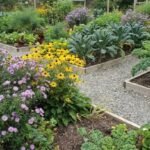


Have you ever thought about how a simple flower could change your garden? Companion planting is an old practice that pairs different crops together. It makes the garden healthier and fights pests.
Flowers in companion planting boost garden health and control pests. This practice has been around for centuries. It helps plants grow better and keeps the soil healthy.
Key Takeaways
- Companion planting has a rich historical significance, showcasing its practical applications over the centuries.
- Flowers play a crucial role in pest control by deterring harmful organisms and attracting beneficial insects.
- Specific flowers, like marigolds, can significantly improve soil health by repelling nematodes.
- Diversity in plantings not only enhances garden aesthetics but also leads to healthier ecosystems.
- Nitrogen-fixing flowers improve soil nutrient content, creating a favorable environment for vegetable crops.
Table of Contents
Benefits of Incorporating Flowers in Companion Planting
Adding flowers to your garden has many benefits. It helps keep pests away and makes your garden look beautiful. Flowers also attract good bugs and add color to your space.
Natural Pest Control Through Flowering Plants
Some flowers keep pests away without using harmful chemicals. For instance, marigolds deter nematodes and aphids; pairing them with nightshade crops is a tried-and-true solution for natural pest control. This helps your garden stay healthy and pest-free.
Plants like catmint, sage, and borage also help. They keep bad bugs away from your crops. This is good for your plants and the environment.
Enhancing Garden Aesthetics and Biodiversity
Flowers make your garden look amazing. They come in many colors and attract bees, which help your veggies grow. A garden with many different plants is better for the environment.
This variety makes it hard for pests to find food. Your garden becomes stronger and can fight off diseases better.
Best Flowers for Pest Control in Vegetable Gardens
Choosing the right flowers can help control pests in vegetable gardens; combining them with chemical-free strategies ensures a safer and more sustainable harvest. Some flowers keep harmful insects away, helping your crops. Marigolds and nasturtiums are great for this. They make your garden look good and protect your veggies.
Marigolds – Repelling Nematodes and Aphids
Marigolds, like French and African types, are top choices for pest control. They have compounds that keep nematodes and aphids away. By placing marigolds around your garden, they block pests from reaching your veggies.
The bright colors of marigolds also make your garden beautiful. They protect plants that are easily damaged.
Nasturtiums – Trapping Aphids and Beetles
Nasturtiums do two important things in gardens. They draw aphids away from other plants, helping to keep them safe. This lets gardeners know when to act against aphids.
Nasturtiums also catch caterpillars and beetles, stopping them from harming your veggies. They are beautiful and help control pests, making them a great choice.

Flowers That Attract Pollinators and Beneficial Insects
Adding flowers that attract pollinators can make vegetable gardens healthier and more productive. These colorful plants add beauty and help create a good home for beneficial insects. These insects are key in keeping pests away and plants healthy.
Sunflowers – Drawing in Pollinators and Predatory Insects
Sunflowers are beautiful plants with big, bright flowers that bees love. Their flowers are full of nectar, which is food for bees and other helpful insects. Sunflowers also have strong stems that can help other plants grow while supporting beneficial predators in the garden ecosystem.
Lavender – Supporting Bees and Repelling Pests
Lavender is wonderful for attracting pollinators and can be grouped with other aromatic blooms to heighten both the garden’s beauty and its pest-repelling properties. Its lovely smell attracts bees and other insects, helping the garden’s diversity. Lavender also keeps pests like mosquitoes and mice away. It’s good for the garden’s look and health.

Companion Flowers for Soil Health and Weed Suppression
Using companion flowers is a smart way to make your soil better and keep weeds away. Plants like clover and alyssum are great for this. They not only enrich the soil but can be planted alongside pest-deterring chrysanthemums to boost your garden’s overall resilience.
Clover – Fixing Nitrogen and Covering Bare Soil
Clover is a top pick for improving soil. It’s a legume that adds nitrogen to the soil, helping plants grow strong. Clover also covers the soil, stopping erosion and making it easier for plants to grow.
Alyssum – Ground Cover for Moisture Retention
Alyssum is a good ground cover that keeps the soil moist. It blocks sunlight, stopping weeds from growing. It also keeps the soil wet, which helps veggies grow better when it’s dry. Clover and alyssum work together to make your garden better.

Pairing Flowers with Vegetables for Maximum Impact
Pairing flowers with vegetables can make your garden better. Different flowers and vegetables can attract good bugs and keep away pests. They also make your garden look alive and colorful. Two great pairs to try are zinnias with cucumbers and calendula with leafy greens.
Zinnias with Cucumbers for Pollinator Attraction
Zinnias are great friends for cucumbers because they draw in pollinators. This combo makes your garden look beautiful and helps cucumbers grow well. More pollination means more cucumbers, which is great for gardeners who want lots of harvest.
Calendula with Leafy Greens for Pest Management
Calendula keeps pests away from leafy greens. It’s like a guard for spinach, lettuce, and other greens. Adding calendula to your garden helps manage pests and brings in good bugs for a healthy garden.
Seasonal Flower Choices for Year-Round Protection
Seasonal flowers are key in keeping pests away. They help gardeners protect their plants all year. These flowers also make gardens look beautiful.
Cool-Season Flowers for Early Pest Prevention
Cool-season flowers help fight pests early. They work well with vegetables in the spring. Pansies and snapdragons keep insects away.
These flowers protect young vegetables. They make sure seedlings grow strong.
Warm-Season Flowers for Summer Pest Control
When it gets hot, sunflowers and zinnias are perfect. They attract good bugs and keep pests away. This helps vegetables grow well in summer.
Planting these flowers with vegetables is smart. It keeps the garden healthy and balanced.
Tips for Successfully Integrating Flowers into Garden Beds
Integrating flowers into your garden beds needs careful planning. It’s important to think about where to place them. For example, planting pest-repelling flowers like marigolds near vulnerable crops can help control pests. This can reduce pest numbers by up to 25%.
It’s also key to know how much sunlight and space your plants need. Taller flowers should be placed away from smaller ones to avoid shading. This helps keep your garden healthy.
Strategic Placement for Pest Control and Growth Support
Using garden tips like crop rotation and companion planting can help a lot. For instance, growing sunflowers with cucumbers can increase cucumber yields by about 22%. Sunflowers also offer structural support to cucumbers.
Some flowers, like nasturtiums, act as trap crops. This careful planning helps create a strong garden ecosystem. It supports many beneficial insects.
Balancing Flower Density to Avoid Overcrowding
Managing flower density is another key part of your strategy. Too many flowers can compete for resources, slowing growth and spreading disease. Aim for a balanced arrangement with enough space between plants.
This ensures all plants get enough light, water, and nutrients. By managing overcrowding, your garden will look better and work better. This leads to more productivity and a healthy plant community.
FAQ
What is the purpose of companion planting with flowers?
Companion planting with flowers helps plants work together. It makes gardens healthier and more diverse. Flowers can keep pests away and attract good bugs, making gardens better.
Which flowers are best for natural pest control in vegetable gardens?
Marigolds are great at fighting nematodes and aphids. Nasturtiums draw aphids away from veggies. This lets gardeners keep an eye on pests.
How do flowers enhance garden aesthetics while benefiting crops?
Adding flowers to gardens makes them look better. They also attract bees, which help pollinate veggies. This makes gardens both pretty and productive.
Are some flowers particularlly good at attracting pollinators?
Yes, sunflowers and lavender are great for attracting bees and other pollinators. Sunflowers help with pollination, and lavender keeps pests away.
What role does clover play in companion planting?
Clover is amazing because it fixes nitrogen in the soil. This improves soil health and keeps weeds away. Its deep roots also make the soil better for veggies.
How can flower pairing with vegetables improve yields?
Pairing flowers with veggies, like zinnias with cucumbers, boosts pollination. This is key for fruit growth. Calendula with leafy greens keeps pests away and brings in good bugs, leading to more veggies.
What are cool-season flowers, and why are they important?
Cool-season flowers, like pansies and snapdragons, protect early veggies from pests. They keep crops safe when they’re most vulnerable in spring.
What tips can help integrate flowers into garden beds successfully?
To mix flowers and veggies well, place pest-repelling flowers near vulnerable crops. Think about flower size and light needs. Also, don’t overcrowd to let plants grow well.