




Ever wondered how some gardeners grow lush, thriving gardens without chemicals? The secret is companion planting! It’s an ancient practice that pairs plants to boost growth, fight pests, and improve soil. Discover how these partnerships can change your gardening.
Companion planting uses the special bonds between plants. It’s based on old wisdom from farmers worldwide. This method makes plants work together, creating a lush, productive garden with little effort.
Knowing which plants help each other is key to a great garden. For example, marigolds keep pests away with their pyrethrins. Sunflowers shade pumpkins and support beans. Catnip keeps flea beetles from eggplants.
Key Takeaways
- Companion planting makes gardens healthier and more productive.
- Pairing plants can fight pests and attract good bugs.
- Plant partnerships improve soil, making gardening sustainable.
- Knowing how plants interact is crucial for a chemical-free garden.
- Good pairings include marigolds with veggies and sunflowers with pumpkins and beans.
- Companion planting has been proven by gardeners and farmers for centuries.
Table of Contents
Benefits of Companion Planting in Perennial Gardens
Companion planting in perennial gardens has numerous benefits; understanding its basics helps improve soil health and manage pests more sustainably. This method fits well with organic gardening techniques and supports sustainable pest management.
Long-Term Soil Health Improvement
Companion planting is essential for boosting soil fertility; coupled with holistic soil management, it helps prevent diseases and fosters thriving perennial plants. Legumes like peas and beans add nitrogen to the soil. This helps other plants grow well.
Deep-rooted plants like burdock bring up nutrients from deep in the soil. This makes the top soil richer for most plants.
Studies show companion planting can boost soil nitrogen by 30%. It can also increase garden yields by up to 20%. This makes it a great choice for any garden.
Natural Pest and Disease Management
Companion planting can control pests and diseases naturally. Marigolds, for example, repel nematodes and protect other plants. Garlic and onions keep away insects and animals, reducing damage.
Research shows these methods cut down pesticide use by 50%. Marigolds and nasturtiums can keep 75% of pests away. Ladybugs, drawn by these plants, can lower pest numbers by 60%.
Best Perennial Crops for Companion Planting
Perennial fruits and vegetables are valuable for soil health; integrating trees into a sustainable design can further enhance microclimates and biodiversity. Planting them with other plants can make them grow better.
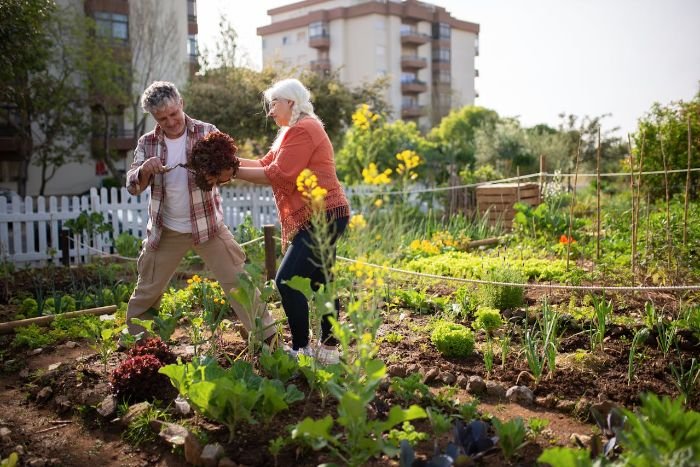
Fruit-Bearing Perennials
Blueberries, raspberries, and grapes grow well with the right plants nearby. Garlic or chives keep pests like aphids away. Studies show this helps a lot.
Borage makes strawberries taste better and grow stronger. It’s a great plant to have around.
Perennial Vegetables and Herbs
Perennial veggies and herbs also benefit from planting with others. Asparagus, rhubarb, and artichokes do well with parsley and basil. These plants keep pests away and make the soil better.
For example, thyme with tomatoes keeps armyworms from laying eggs. This makes the tomatoes healthier.
Ideal Companion Plant Pairings for Perennials
Companion planting in perennial gardens is all about teamwork. It helps plants grow better, taste better, and attracts more pollinators. It also keeps pests away naturally. Here are some great pairings to try:
Plants That Enhance Growth and Flavor
Some plants make each other taste better and grow stronger. For example, dill and basil keep pests away and make tomatoes and peppers taste sweeter. This shows how important teamwork is in a garden.
Here are some examples of plants that help each other:
- Dill with cucumbers for better growth and pest control.
- Basil with tomatoes for a tastier and pest-resistant crop.
- Rosemary with beans to make flavors stronger and keep insects away.
Pest-Repelling and Pollinator-Friendly Plants
Choosing the right plants can keep pests away and attract pollinators. Flowers like nasturtium and lavender attract butterflies and bees. They also keep pests from bothering your garden. This helps your garden grow strong and healthy.
- Hosta and ferns do well in shady spots.
- Yarrow is great for gardens that don’t get much water.
- Hellebores and butterfly milkweed are good for poor soil.
- Bee balm and black-eyed Susan help local ecosystems.
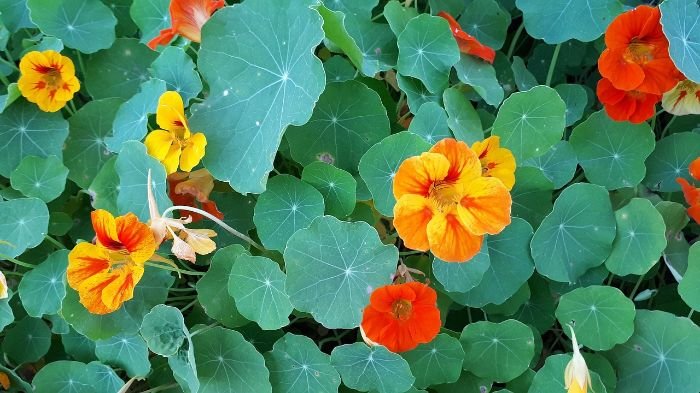
Remember to think about when each plant blooms and if they get along:
- Early bloomers like hellebores and candytuft add color in winter and spring.
- Late bloomers like sedum spectabile keep your garden colorful into autumn.
By picking the right perennials and pairing them well, you can create a beautiful and healthy garden. Good companion planting makes plants taste better and keeps pests away. It also attracts more pollinators, making your garden sustainable and strong.
Designing a Perennial Companion Planting Layout
To optimize your perennial layout, combine ornamental and edible elements so you can enjoy both visual appeal and nutritious harvests. This way, your garden will grow well and look great.
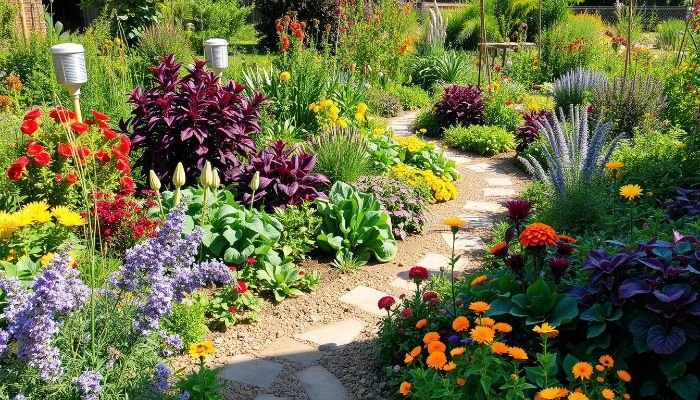
Layering Plants for Maximum Space Use
Use vertical space in your garden. Tall plants like sunflowers shade smaller ones. They also support climbing plants like beans.
This saves space and lets many plants grow together. Short plants get the right light by growing under taller ones.
Creating Microclimates for Plant Health
Creating microclimates helps plants stay healthy. Big plants like rhubarb make cooler, moister spots under their leaves. This helps plants in hot weather.
Placing plants smartly can also keep pests away. This makes your garden stronger and more resilient.
Growing many plants together is good for your garden. It makes it more diverse and healthy. For example, the “Three Sisters” method uses corn, squash, and beans together. They help each other grow and stay healthy.
Soil and Water Management for Perennial Gardens
Proper soil and water management are key for perennial gardens to thrive. Making sure your plants get enough water without wasting it is crucial. This helps keep your garden healthy and sustainable.
Mulching and Ground Covers for Moisture Retention
Mulch and ground covers like creeping thyme or clover help keep moisture in your garden. These methods are great for saving water. They also stop soil erosion, making roots grow stronger.
Deep Root Systems for Water Efficiency
Many perennials, like native plants, have deep roots. These roots reach deep water, keeping soil moist. Choosing plants with deep roots helps your garden use water better. This way, your plants do well even when it’s dry.
Seasonal Care for Perennial Companion Plants
Keeping perennial plants healthy needs regular care. This includes pruning, maintenance, and winter care. These steps help your garden grow strong and healthy all year.
Pruning and Maintenance for Healthy Growth
Pruning is key for perennials. It makes them bloom more and look better. It also stops diseases by removing sick parts.
Winter Protection and Soil Preparation
Winter prep is vital for your plants. Mulch keeps the soil moist and warm. Compost adds nutrients for when plants wake up.
By following these seasonal tips, your perennials will flourish. This means less work for you and a greener garden every year.
Common Mistakes to Avoid in Perennial Companion Planting
Many gardeners eager to harness companion planting’s advantages fall into typical pitfalls that can reduce yields and disrupt garden harmony. These mistakes can hinder the success of their perennial gardens. By understanding and avoiding these mistakes, you can maximize yields and create a harmonious, thriving garden.
Overcrowding Plants and Poor Spacing
One frequent mistake in perennial garden planning is overcrowding plants. This leads to poor air circulation and increased susceptibility to diseases. Effective plant spacing in gardens is crucial.
For example, planting at least 6-8 inches apart can prevent shading issues. It improves light access for all crops involved. Overcrowding can reduce crop yields by up to 50% due to competition for space and resources.
Ignoring Plant Compatibility and Growth Cycles
Another common error is ignoring the compatibility and growth cycles of companion plants. Each plant has specific light, water, and nutrient needs. Mismatches in these areas can hinder growth and negatively impact overall garden productivity.
For instance, heavy feeders like tomatoes and squash require up to 50% more nutrients than light feeders like herbs and alyssum. Proper growth cycle planning ensures that companion plants have compatible needs. This contributes to a more productive garden.
Understanding that deep-rooted plants can absorb up to 30% more water than shallow-rooted companions is key. It shows the importance of aligning plant requirements.
FAQ
What is companion planting in perennial food gardens?
Companion planting is when you place plants together to help each other grow. It makes plants healthier and fights pests. It also makes the soil better.
How does companion planting improve long-term soil health?
It makes the soil better by adding nutrients. Plants like peas fix nitrogen in the soil. Deep-rooted plants bring up nutrients from deep down.
What are the natural pest and disease management benefits of companion planting?
It uses plants to fight pests and diseases. For example, marigolds keep nematodes away with their smell. Garlic and onions keep insects and animals away.
Which fruit-bearing perennials are best for companion planting?
Blueberries, raspberries, and grapes do well with certain plants. Chives or garlic near them keeps pests away and helps them grow.
How do perennial vegetables and herbs benefit from companion planting?
Plants like asparagus and artichokes grow better with herbs. Herbs like parsley and basil keep pests away and make vegetables taste better.
Can companion planting enhance the growth and flavor of perennial plants?
Yes, it can. Herbs like dill and basil repel pests and make tomatoes and peppers taste better.
Which plants are both pest-repelling and pollinator-friendly?
Flowers like nasturtium and lavender attract bees and keep pests away. They help the garden grow and stay healthy.
How does vertical layering optimize garden space?
Stacking plants like sunflowers above smaller ones saves space. It also shades plants that don’t need much sun.