



Do you wish your garden could change with the seasons? Tired of a garden that looks the same every day? You’re in the right place. We’re going to show you how to create a garden that amazes with every season. Say hello to a garden full of surprises.
Key Takeaways:
- Seasonal garden highlights are essential for creating an ever-changing and visually captivating garden.
- Planning your garden to adapt to the changes of each season allows you to enjoy a dynamic and vibrant outdoor space year-round.
- By incorporating year-round garden highlights, you can create a welcoming and beautiful environment for yourself and the wildlife that visits your garden.
- Don’t settle for a static garden. Embrace the beauty of change and learn how to make your garden a seasonal masterpiece.
- Stay tuned as we dive deeper into the world of seasonal garden planning and discover the secrets to a stunning and ever-evolving garden.
Table of Contents
About Seasonal Garden Planning
Seasonal garden planning is key to a beautiful, ever-changing outdoor space. It’s about understanding how different times of the year affect your garden. By working with these changes, you can ensure your garden looks great all year. Let’s look into why seasonal interest is crucial and the pluses of making a garden that shines year-round. Ready to start?
The Importance of Seasonal Interest in Gardens
Gardens alive with the seasons are truly captivating. With each season comes a new set of colors, smells, and feels. This variety makes your garden a place where you can really connect with nature. Planning for these changes turns your garden into a year-round show.
Such a garden also becomes a home for wildlife. With plants blooming and fruits coming up at different times, all sorts of animals will visit. This makes your garden a rich, diverse place that’s good for the ecosystem. You get to enjoy it, plus you help nature – it’s a win-win!
Benefits of Year-Round Garden Highlights
Year-round garden beauty is more than just looks. It ensures there’s excitement in every season. From spring’s lively colors to the quiet beauty of winter, your garden will always offer something special. This keeps you happy and looking forward to what’s next.
Such a garden also welcomes you and your guests anytime. Picture a lively garden no matter when you enter. Whether it’s a big party or a quiet moment alone, your garden will be a haven. It’s a place of peace and refreshment for everyone.
Assessing Your Garden Space
This part is all about checking your garden space. You’ll see how to add seasonal beauty well. Look at what’s already there and find spots for special seasonal touches. Think about the sun and shade in different parts of your garden. This will make your garden grow and look great.
Evaluating Existing Features and Plants
First, check out your garden’s current look. Notice any paths, seats, or big plants. They might change where and how you design your garden. Also, know what plants might not be doing so well. You might need to take some out or add new ones.
Identifying Key Areas for Seasonal Highlights
Then, pick the special places in your garden you want to shine each season. Think about the entrance or where you sit outside. Or a nice view you often see. These places will get the most attention when it’s time to plant for the season.
Considering Microclimates and Sun Exposure
Sun and shadow spots are very important. See where the sun shines, where it’s sometimes shady, or always dark. Also, look at how big things like trees affect the sunlight. Knowing this helps you pick the right plants for each part of your garden.
Planning for Spring Highlights
The cold of winter is fading, and warm weather is on its way. It’s the perfect time to think about the beauty spring will bring to your garden. Here are some important things to consider for your spring garden:
Early Blooming Bulbs and Perennials
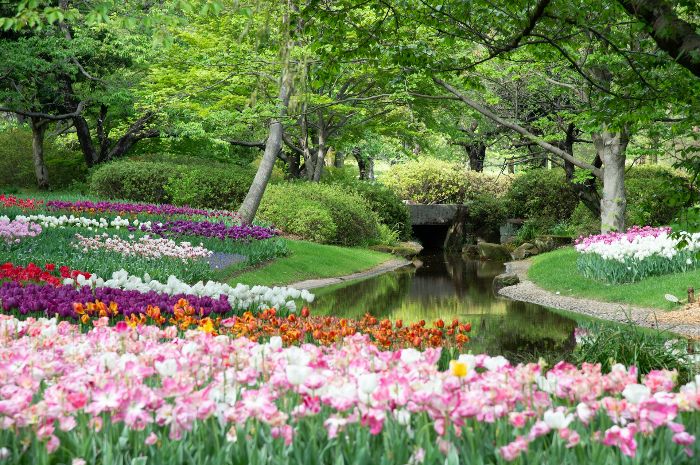
Early spring sees bulbs and perennials start to bloom, marking a new season. Plant early bloomers like daffodils, tulips, and crocuses for a burst of color. These flowers often bloom before others, making them stand out in your garden. Be sure to pick plants that thrive in your area for the best results.
Incorporating Flowering Shrubs and Trees
Add flowering shrubs and trees for a showy spring garden. These plants not only look beautiful but also bring height and structure to your garden. Choose from options like lilacs, azaleas, and cherries for a stunning display. Remember to consider their mature size so they have room to grow.
Adding Spring Containers and Accents
Spring containers and accents can really enhance your garden. Use containers to show off your favorite plants in a movable way. Fill them with bulbs, annuals, or veggies. Don’t forget to include special touches like trellises and statues to make your garden even more beautiful.
Spring is a wonderful time for gardeners. Choose your plants, include shrubs and trees, and add containers for a beautiful garden. Doing so will ensure your garden is filled with color and joy.
Designing Summer Showcases
During summer, your garden bursts with color and life. Designing it means making a beautiful outdoor area. Through picking the right flowers and plants, adding texture with foliage and colorful foliage plants, plus adding hardscaping elements, you can make a place everyone will admire.
Vibrant Annuals and Perennials for Summer
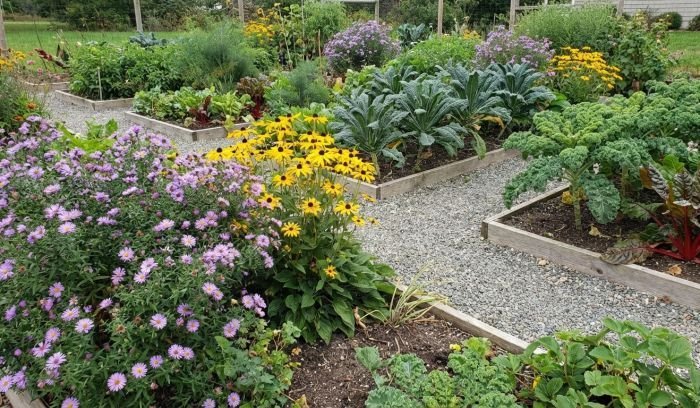
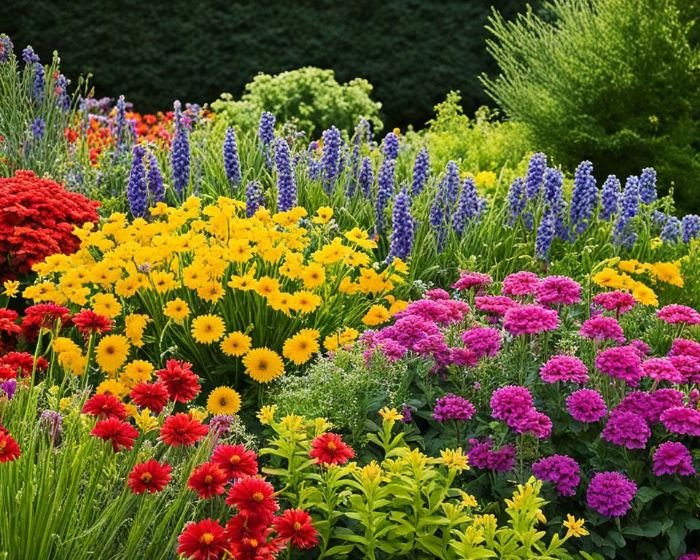
Choosing the best plants is crucial for your summer garden. Bright annuals like petunias and marigolds bring life to your space. Add in perennials like black-eyed Susans and coneflowers for steady color. It’s essential to mix plants of different heights and shapes to make your garden look great.
Utilizing Foliage Plants for Texture and Color
Foliage plants add a lot to your garden besides flowers. They give it texture, contrast, and depth. Some good options include hostas and coleus. Mixing these with your flowers adds to the beauty of your garden in a special way.
Creating Summer Interest with Hardscaping
Hardscaping is also important for a great summer garden. Patios and paths improve how your garden looks and works. A patio is perfect for relaxing, while paths let people see your garden up close. Adding water features like fountains makes your garden a peaceful spot to enjoy.
Get started on your summer garden now. Use the right plants and design elements. Make a garden that’s beautiful all summer long. Have fun and be proud of your garden!
Enhancing Autumn Appeal
We will talk about how to make your garden more beautiful in the fall. This season is full of bright colors. With the right picks, your outdoor area can look stunning.
Selecting Trees and Shrubs with Fall Foliage
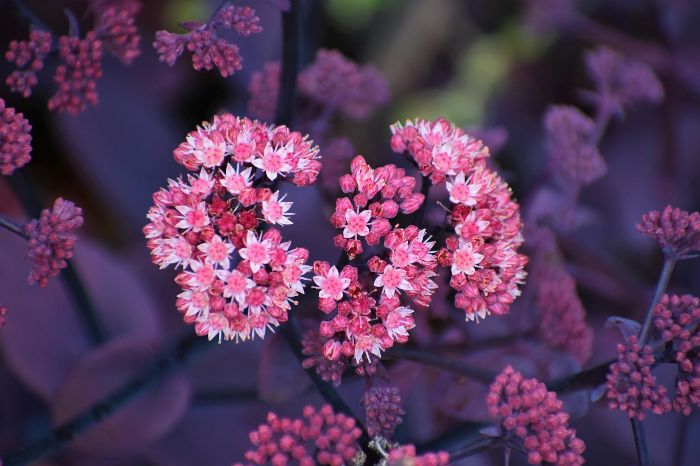
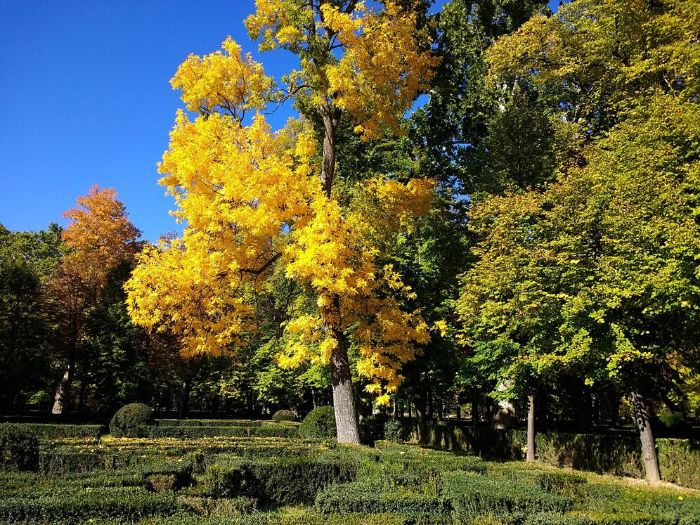
Choose trees and shrubs with beautiful fall leaves to enhance your garden. Trees like maple, oak, and dogwood look amazing in the fall. Add shrubs like burning bush and smokebush for more color.
Late-Blooming Perennials and Grasses
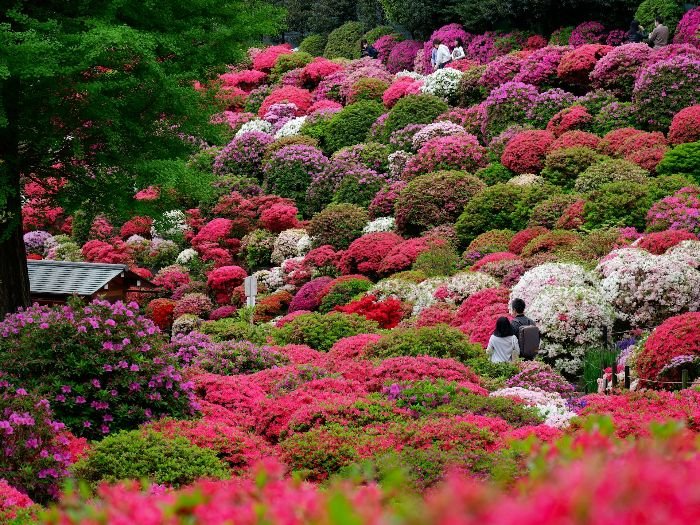
Planting late-blooming flowers and grasses can brighten up your garden in autumn. Flowers such as asters and chrysanthemums bloom late and look beautiful. Grasses like miscanthus can add texture and movement.
Autumn Accents with Pumpkins and Gourds
Use pumpkins and gourds to celebrate autumn in your garden. They bring charm and come in many colors. Place them by your door or in your garden for a festive feel.
Creating Winter Interest
As the colder months get closer, it’s key to think about winter interest in your garden. Many plants sleep in winter, but you can still make your garden beautiful. Let’s check out some ways to make your garden look great in winter.
Evergreen Plants for Year-Round Greenery
Winter interest starts with evergreen plants. These keep their leaves all year, adding a constant green. They’re like the backbone of your garden, keeping it alive when others sleep. Try boxwood, holly, or juniper to keep your garden full of life.
Plants with Interesting Bark and Berries
Choosing plants with cool bark and berries boosts your garden’s winter look. For example, the red-twig dogwood has vivid red stems and the winterberry holly provides bold red berries. They brighten up the winter scene and feed birds too.
Incorporating Garden Structures for Winter
Pergolas, arbors, and trellises are great additions for winter. They offer vertical scenery that stands out, especially when it snows. Add climbing vines or bird feeders to make your garden a lively place for wildlife.
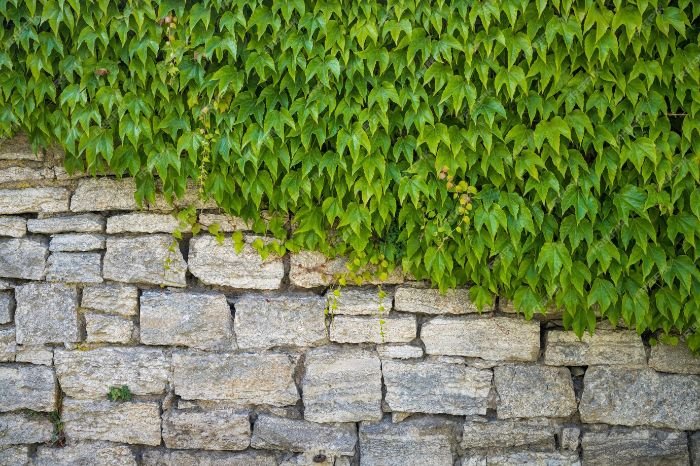
Using evergreens, striking plants, and garden structures, your winter garden can look stunning. This not only makes your space pretty but also offers shelter and food for animals. Welcome winter’s charm and turn your garden into a wonderland.
Integrating Year-Round Features
When planning a garden, it’s key to think about features that stay beautiful all year. This makes your outdoor space always interesting and looking good. We’ll talk about pathways and lighting, water features, and garden art and structures.
Using Pathways and Lighting for Continuity
Pathways are both practical and beautiful in a garden. They help people walk and connect different areas. It’s good to use materials that fit naturally, like stone or gravel. Adding lights by the paths makes your garden magical at night. You can use lanterns or LED lights to keep it looking great even after dark.
Adding Water Features for Multi-Season Appeal
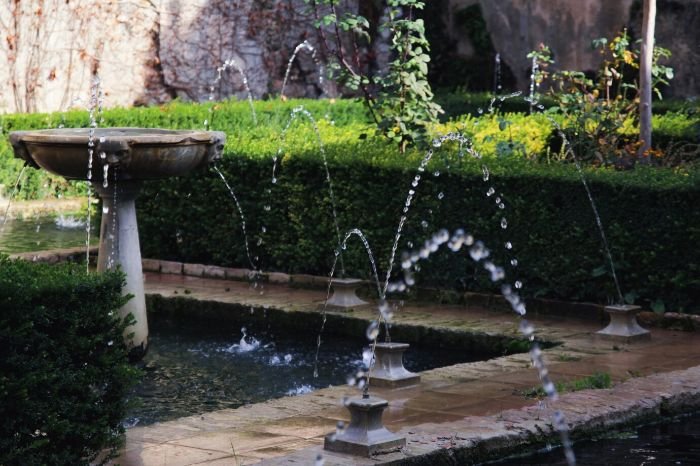
Water features, like fountains or ponds, make your garden peaceful and pretty. The sound and look of moving water is calming. Small fountains or large ponds can be the center of attention. You could plant flowers in the water to make it even prettier and attract birds and dragonflies.
Designing with Garden Art and Structures
Garden art adds fun and character to your garden. Things like sculptures or trellises make it unique. Choose items that match your garden’s look and your style. Garden structures, like gazebos, offer a place to sit and relax outside all year. They also make your garden more interesting.
Adding things like pathways, water features, and art makes your garden special and keeps it changing. These elements make the garden look good, are useful, and add interest. Choosing the right ones for your garden can make it a place everyone loves all year long.
Maintenance Tips for Seasonal Gardens
Keeping your seasonal garden beautiful all year takes work. By using these tips, your plants will stay healthy and lively no matter the weather.
Seasonal Pruning and Care Routines
Pruning is key to keeping plants healthy and looking good. It helps manage growth and shape, leading to better blooms. Different plants need to be pruned at different times. Make sure you do it right to avoid problems.
Regular care is also important. Water and fertilize regularly. Check your plants for pests and diseases. Use natural fertilizers and water each plant as needed. Watch for pests and diseases and act fast to stop them.
Soil Management and Mulching Practices
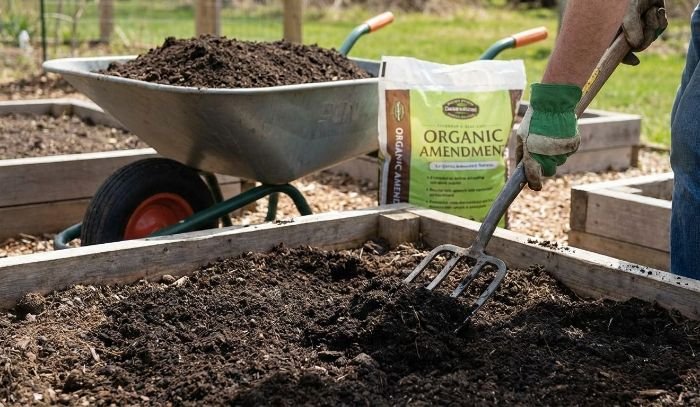
Good soil is essential for a great garden. Test your soil to know its pH and nutrients. Add compost to make it better for your plants.
Mulching is also important. It holds in moisture, keeps soil temperatures steady, and stops weeds. Put mulch around plants without touching the stems. Over time, this also makes the soil healthier.
Adapting Maintenance to Seasonal Changes
What you do for your garden changes with the seasons. Spring is for cleaning up and getting ready for new plants. Summer is about water, deadheading, and watching for pests.
In fall, get ready for winter by cleaning and protecting plants. In winter, watch the soil and shield plants from the cold. By doing the right tasks each season, your garden will do well all year.
Follow these steps to keep your garden fresh and beautiful year-round. With care and effort, your garden will be a lively and happy place.
Conclusion – Achieving a Dynamic Seasonal Garden
This piece looked at making your garden change with the seasons. We saw how planning and adding different plants and structures can make your garden come alive all year.
We talked about how gardens can look good, help animals, and make people feel happy. It’s all about choosing the right things for each time of the year. Think about what’s already there, what will be the main attractions, and how much sunlight the area gets.
For spring, you can add bulbs and flowers. In summer, think about bright annual plants and water elements. Fall is perfect for trees that change color and pumpkins. Winter can have evergreens and interesting garden setups.
By taking care of your garden right, it stays healthy all year. You need to know when and how to prune plants, keep the soil good, and change your tasks as each season comes and goes.
So, making your garden special means planning well, being creative, and ready to change with the seasons. Use the right plants and designs. Your garden will be a place full of life and beauty all year. Get inspired and start creating your perfect seasonal garden!
FAQ
What are seasonal garden highlights?
Seasonal garden highlights are features that stand out during certain times of the year. They include blooming flowers, colorful leaves, and interesting structures. These elements make the garden look beautiful.
Why is seasonal interest important in gardens?
Seasonal interest makes a garden look good all year. It changes the garden’s look through the seasons, keeping it colorful. This also brings in different birds and insects.
What are the benefits of having year-round garden highlights?
Year-round highlights keep the garden pretty no matter the season. It makes the outdoor space always fun to look at. They also help birds and small animals find food and shelter.
How do I assess my garden space for seasonal highlights?
Look at what you have in your garden already. Check if they work well for each season. Think about the sunlight and how plants grow. This helps you decide where to put new plants for the best effect.
How do I plan for spring highlights in my garden?
For spring, pick bulbs and flowers that bloom early. Add shrubs and trees for more looks. Don’t forget to use nice pots and baskets for extra charm.
How do I design summer showcases in my garden?
In summer, plant colorful flowers and plants that love the heat. Use plants with cool leaves and flowers too. Plus, you can add things like patios and paths.
How can I enhance the autumn appeal of my garden?
In fall, pick trees and bushes that turn beautiful colors. Plant late-blooming flowers and grass. Decorate with pumpkins and squash for a fun look.
How do I integrate year-round features into my garden design?
Connect your garden with paths and lights for all seasons. Add water for a year-long draw for animals. Include art and structures to make special spots in your garden.