Did you know that plant diseases are responsible for significant crop losses worldwide? In fact, plant diseases can cause an estimated 15-20% reduction in global agricultural production every year. Whether you are a dedicated gardener or a plant enthusiast, understanding how to diagnose and treat common plant diseases is crucial to maintaining the health and vitality of your plants.
In this comprehensive guide, we will walk you through the process of diagnosing plant diseases, from recognizing the signs to implementing effective treatments. You will learn how to identify common visual symptoms of plant diseases, how to conduct a thorough plant inspection, and the essential tools and techniques for accurate diagnosis. Moreover, we will delve into specific plant diseases and their respective treatments, as well as preventive measures and best practices to keep your garden disease-free.
By the end of this guide, you will be equipped with the knowledge and skills to diagnose and manage plant diseases with confidence. Let’s dive in and unlock the secrets to preserving the health and beauty of your plants!
Key Takeaways:
- Plant diseases can cause significant crop losses, impacting global agricultural production
- Diagnosing and treating plant diseases is crucial for maintaining plant health
- Understanding common visual symptoms and conducting thorough plant inspections are essential for accurate diagnosis
- Effective treatments, preventive measures, and best practices can help control and prevent plant diseases
- Knowledge of when to seek professional help and the role of technology in plant health monitoring is valuable in managing plant diseases
Table of Contents
Recognizing Signs of Plant Diseases
When it comes to maintaining healthy plants, early detection of diseases is crucial. By recognizing the signs of plant diseases, you can take prompt action to prevent further damage and save your plants. In this section, we will explore the common visual symptoms of plant diseases and how to interpret them.
Common Visual Symptoms to Watch For
Plants communicate their distress through various visual cues. By observing your plants closely, you can identify potential signs of disease. Some common symptoms to watch out for include:
- Leaf spots – Irregular or discolored spots on the leaves.
- Wilting – Drooping or withered leaves and stems.
- Discoloration – Yellowing, browning, or blackening of leaves or stems.
- Abnormal growth – Stunted growth, distorted leaves, or deformed flowers.
- Lesions – Open wounds or sores on the plant’s surface.
Decoding Symptoms – What Your Plant Is Telling You
Each visual symptom communicates specific information about the underlying disease and its cause. Understanding what your plant is telling you through its appearance can help you make informed decisions about treatment. For example:
“Leaf spots may indicate a fungal or bacterial infection. Wilting could be a sign of root rot or waterlogged soil. Discoloration might suggest nutrient deficiencies or viral diseases. Abnormal growth may be a response to pest infestation or environmental stress.”
By decoding the symptoms, you can determine the appropriate course of action to address the problem and restore your plant’s health.
Step-by-Step Guide to Diagnosing Plant Diseases
Diagnosing plant diseases is crucial for maintaining the health of your garden. By accurately identifying and treating plant diseases, you can prevent further damage and ensure the longevity of your plants. In this section, we will provide a step-by-step guide on how to effectively diagnose plant diseases.
How to Inspect Plants for Signs of Illness
Thorough plant inspection is the first step in diagnosing plant diseases. Look out for the following signs of illness:
- Leaf spots and discoloration
- Wilting or drooping leaves
- Stunted or distorted growth
- Yellowing or browning of leaves
- Absence of flowers or fruits
Pay close attention to any abnormal symptoms or patterns that may indicate the presence of disease. Inspecting plants regularly and monitoring changes in their appearance is essential for early detection.
Tools and Techniques for Effective Diagnosis
Armed with the right tools and techniques, you can enhance the accuracy of your plant disease diagnosis. Here are some essential diagnostic tools:
- Hand lens – A hand lens can help you examine plants closely and identify small pests or abnormalities.
- Pruning shears – Pruning shears are useful for taking samples of infected plant parts for further analysis.
- Soil testing kit – Testing the soil can provide valuable insights into nutrient deficiencies or imbalances that may contribute to plant diseases.
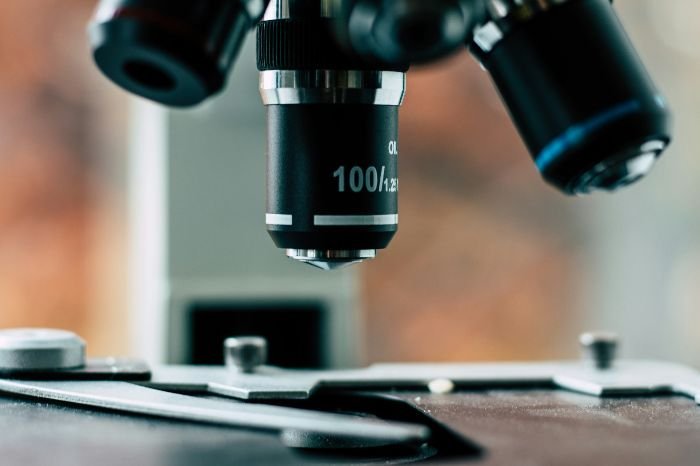
- Microscope – A microscope allows for a detailed examination of plant tissues, helping identify microscopic pathogens.
- Disease identification guides – Keep handy reference books or online resources that can assist in identifying common plant diseases.
By utilizing these tools and techniques, you can improve the accuracy of your plant disease diagnosis and make informed decisions regarding treatment.
Common Plant Diseases and Their Treatments
In this section, we will delve into some of the most common plant diseases and explore effective treatments for controlling and preventing their spread. It is crucial for gardeners and plant enthusiasts to understand these diseases and the management techniques available to maintain the health of their plants.
Fungal Infections and How to Treat Them
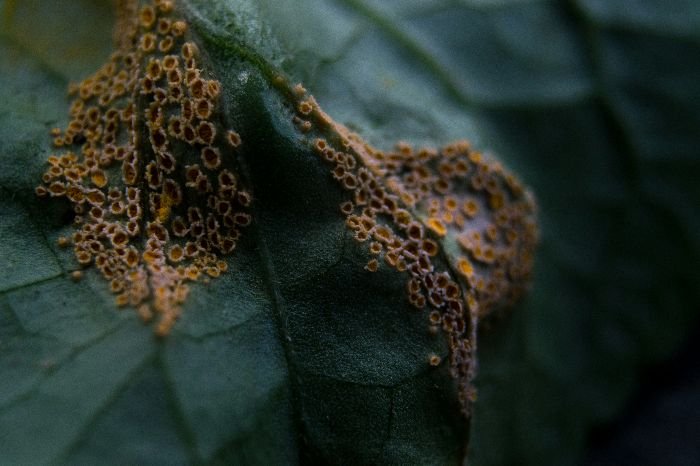
Fungal infections are one of the most prevalent types of plant diseases, affecting a wide range of plant species. They are caused by various types of fungi, which can infect different parts of the plant, including leaves, stems, and roots. Fungal infections can result in leaf spots, powdery mildew, blight, and rotting.
To effectively treat fungal infections, it is essential to identify the specific type of fungus causing the infection. This can be done through careful observation of the plant’s symptoms and consulting with plant disease experts or professionals. Once the fungus is identified, appropriate treatments can be applied, such as:
- Using fungicides specifically designed for the target fungus
- Practicing good sanitation to prevent fungal spores from spreading
- Removing infected plant parts to prevent further spread
- Providing proper air circulation and reducing humidity to create unfavorable conditions for fungal growth
Battling Bacterial and Viral Diseases
Bacterial and viral diseases can cause significant damage to plants and are often challenging to control. Bacterial diseases are caused by bacteria that can infect various plant tissues, resulting in wilting, necrosis, and abnormal growth. Viral diseases, on the other hand, are caused by viruses that interfere with the plant’s normal cellular functions.
Managing bacterial and viral diseases involves several strategies, including:
- Practicing good sanitation and hygiene to minimize the spread of bacteria and viruses
- Using disease-resistant plant varieties
- Removing and destroying infected plant materials to prevent further transmission
- Implementing integrated pest management techniques to control insect vectors that carry and transmit diseases
- Applying antiviral treatments or using biostimulant products to boost the plant’s immune system
By understanding the common plant diseases and their treatments, gardeners can effectively manage and prevent the spread of diseases in their gardens. Combining proper diagnosis, appropriate treatments, and preventive measures will help ensure the health and vitality of plants.
Preventive Measures and Best Practices
In order to maintain the health of your plants and minimize the risk of diseases, it is crucial to implement preventive measures and follow best practices. By doing so, you can create a thriving garden environment and ensure the longevity of your plants.
Cultural Practices to Prevent Disease
One of the most effective ways to prevent plant diseases is by incorporating cultural practices into your gardening routine. These practices involve modifying your gardening techniques and habits to create an environment that is less favorable to disease-causing pathogens.
Here are some cultural practices that can help prevent disease outbreaks:
- Rotate crops – By rotating your crops each season, you can disrupt the life cycles of pests and pathogens, reducing their ability to establish and spread.
- Plant disease-resistant varieties – Choose plant varieties that have been bred to resist common diseases prevalent in your region.
- Provide proper spacing – Allow sufficient spacing between plants to promote good airflow, as overcrowding can create a humid environment that favors disease development.
- Maintain clean garden beds – Remove plant debris, fallen leaves, and weeds regularly to eliminate potential hosts for diseases.
- Use clean tools and equipment – Disinfect your gardening tools and equipment between uses to minimize the risk of spreading pathogens.
Chemical and Natural Remedies for Disease Control
While cultural practices form the foundation of disease prevention, chemical and natural remedies can be used as supplemental measures for disease control. It is important to note that chemical remedies should be used with caution, following the instructions provided by the manufacturer.
Here are some chemical and natural remedies that can help control plant diseases:
- Fungicides – Fungicides are chemical substances that can be used to control fungal diseases. They work by preventing the growth and spread of fungal pathogens on plants.
- Biological controls – Biological control agents, such as beneficial insects or microorganisms, can be introduced into the garden to combat pests and pathogens naturally.
- Neem oil – Neem oil is a natural plant-based remedy that can be used to control a wide range of pests and diseases. It has both fungicidal and insecticidal properties.
- Copper-based sprays – Copper-based sprays can be used to control bacterial diseases in plants. They create a protective barrier that inhibits the growth of bacteria.
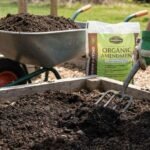
- Compost and organic amendments – Applying compost and organic amendments to the soil can improve its structure and enhance the overall health of plants, making them more resistant to diseases.
Remember, prevention is always better than cure when it comes to plant diseases. By implementing cultural practices and utilizing appropriate remedies, you can significantly reduce the likelihood of disease occurrence and maintain a healthy garden ecosystem.
Advanced Tips for Managing Plant Health
In order to maintain the health of your plants, it’s important to go beyond basic care and implement advanced strategies. In this section, we will explore two key aspects of managing plant health: knowing when to seek professional help and utilizing technology for plant health monitoring.
When to Seek Professional Help
While many plant diseases can be identified and treated by enthusiasts, there are instances where professional assistance is necessary. If you are unsure about the cause of your plant’s illness or if conventional treatments have proven ineffective, it is recommended to consult with trained professionals in plant disease management. They have the expertise and experience to accurately diagnose complex issues and provide targeted treatments for your plants.
Professional plant disease assistance ensures that you receive the most accurate diagnosis and treatment plan for your plants. Their in-depth knowledge of plant diseases, advanced diagnostic tools, and access to specialized treatments can help you effectively manage and cure even the most challenging plant health issues.
Using Technology to Monitor Plant Health
The advent of technology has revolutionized plant health monitoring, allowing for early detection and prevention of diseases. Advanced tools and applications have been developed to aid plant enthusiasts in monitoring and maintaining the health of their plants.
One example of this technology is plant health monitoring systems, which utilize sensors and data analysis to provide real-time insights into the condition of your plants. These systems can measure parameters such as soil moisture, temperature, humidity, and light levels, allowing you to identify potential issues before they become severe. By detecting early signs of stress or disease, you can take immediate action to prevent further damage and ensure the overall well-being of your plants.
Additionally, there are mobile apps available that offer plant disease identification and management guidance. These apps allow you to upload photos of affected plants and receive professional recommendations for treatment. They also provide important information on disease prevention, cultural practices, and best practices for maintaining plant health.
By utilizing technology for plant health monitoring, you can stay proactive and stay one step ahead of potential plant diseases. This advanced approach empowers you with the knowledge and insights needed to effectively manage and care for your plants, ensuring their long-term health and vitality.
Conclusion
Throughout this article, we have explored the importance of diagnosing and treating plant diseases. By accurately identifying common visual symptoms and following a step-by-step diagnosis process, gardeners and plant enthusiasts can effectively manage their plant health. It is crucial to understand that plant diseases can have detrimental effects on the overall well-being of your garden, leading to stunted growth, crop loss, and even plant death.
Implementing preventive measures, such as practicing proper sanitation, ensuring good air circulation, and selecting disease-resistant plant varieties, can significantly reduce the risk of plant diseases. Additionally, the use of cultural practices and natural remedies can help maintain a healthy garden environment. In severe cases or when unsure about the diagnosis, seeking professional help from experts in plant disease management can make a significant difference in saving your plants.
With advancements in technology, monitoring plant health has become easier than ever. Utilizing tools like plant health monitoring devices and mobile applications can aid in early detection and prevention of plant diseases. Regularly monitoring your plants’ health and promptly addressing any signs of disease will ensure the longevity and prosperity of your garden.
Remember, maintaining a healthy garden goes hand in hand with diagnosing and treating plant diseases. By staying vigilant, following best practices, and taking appropriate measures, you can create an environment where your plants thrive and disease is kept at bay.
FAQ
What is the importance of diagnosing plant diseases?
Diagnosing plant diseases is crucial for preventing further damage and ensuring the health of plants. It allows gardeners and plant enthusiasts to take appropriate measures to treat and control the diseases effectively.
How can I recognize signs of plant diseases?
Common visual symptoms that may indicate the presence of plant diseases include leaf spots, wilting, discoloration, and abnormal growth. By observing these signs, you can identify potential issues and take necessary action.
What do plant disease symptoms indicate?
Plant disease symptoms are the plants’ way of communicating that something is wrong. By understanding and decoding these symptoms, you can gain insights into the specific issues your plants are facing.
How do I effectively diagnose plant diseases?
To diagnose plant diseases accurately, it is important to conduct a thorough inspection of the plants. Look for signs of illness, such as lesions, pests, or wilting. Various tools and techniques, such as magnifying lenses and diagnostic tests, can aid in the diagnosis process.
What are common plant diseases and how can I treat them?
Common plant diseases include fungal infections, bacterial diseases, and viral diseases. Fungal infections can often be treated with fungicides, while bacterial and viral diseases can be managed through techniques like pruning infected areas and practicing proper sanitation measures.
When should I seek professional help for managing plant health?
If you are unsure about the diagnosis or treatment of a plant disease, it is advisable to seek professional help. Plant disease specialists can provide expert guidance and recommend appropriate strategies for managing plant health effectively.
How can technology help in monitoring plant health and preventing diseases?
Technology plays a significant role in monitoring plant health. Tools like plant disease detection apps and sensor-based systems can help in early detection of diseases, allowing for prompt action and prevention.