


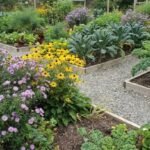


Do you have a dull and shady area in your yard? It could surely use some color. Shade perennials are your best friends. They love shade and bring beautiful colors to your garden’s dark spots.
This guide will help you see the magic of shade gardens. You’ll learn why they’re great, how to plan and plant one, and how to care for it. We will guide you through picking the best perennials and solving common problems.
Ready to add life to your shady garden? Let’s start and learn how to make a beautiful shade garden with perennials!
Key Takeaways:
- Shade perennials can transform dull and shady areas into vibrant and colorful spaces in your garden.
- A shade garden offers a unique and tranquil environment and provides relief from the heat of the sun.
- Understanding different types of shade and selecting shade-tolerant perennials are key to creating a thriving shade garden.
- Proper design, planting, and care techniques are essential for the success of a shade garden.
- By overcoming common challenges and enhancing your shade garden, you can enjoy a sanctuary of color and calm.
Table of Contents
Introduction to Shade Gardens
Shade gardens bring peace. They let many plants grow well. They cool us from the sun’s heat and welcome different creatures, too.
Planning well makes a shade garden beautiful. It adds interest and makes you feel calm. Learn why shade gardens are great for your yard.
Benefits of Shade Gardens
Shade gardens keep you cool in the sun. They let you enjoy the outside without getting too hot. This is their first big plus.
They also create a calm feel. The light through leaves is lovely. It’s perfect for relaxing or just thinking. This makes your yard nicer.
Shade makes these gardens perfect for some plants. These plants wouldn’t do well in full sun. So, your garden can have many kinds of plants that others can’t.
These gardens are also great for birds and butterflies. They find good places to nest and eat there. This makes your yard livelier and helps nature.
So, whether you want to stay cool, relax, or grow special plants, shade gardens have a lot to offer. They can make your outdoor area better.
Understanding Shade Conditions
Creating a great shade garden requires knowing about different shade types. These different types affect how well plants grow. Shade can be from dappled to full, each influencing plant success.
Types of Shade (Dappled, Partial, Full)
The amount and type of shade depend on sunlight. Dappled shade means sun comes through trees in patterns on the ground. Partial shade gets little direct sun because of nearby structures. Full shade gets no sun all day. Knowing the shade type helps choose the right plants.
Assessing Shade Levels in Your Garden
It’s key to check shade levels in the garden. Watch how sunlight shifts during the day. You can also use a tool to measure shades better. This helps find the best spots for plants needing various shade amounts.
Soil and Moisture Requirements for Shade Gardens
Shade gardens need special soil and moisture care. Many shade-loving plants like damp soil that doesn’t stay wet. Check your garden’s soil and tweak it for better drainage. Also, water plants enough based on their needs.

Selecting Shade-Tolerant Perennials
Choosing the right shade-tolerant perennials is key to a beautiful garden that lasts. These plants do well in shady spots. They turn dim areas into charming and bright spaces. Think about the colors, textures, and when they bloom. This will help you create a garden full of variety and beauty.
Hostas
Hostas are well-liked for their many leaf colors and textures. You can find hostas in shades of green, blue, white, and gold. They enrich any garden with their diversity. Hostas come in sizes from tiny to very large. This lets you add different layers and heights to your garden.
Ferns
Ferns bring elegance and a peaceful feel to shady gardens. They have soft fronds and lush green leaves. Ferns come in many shapes and sizes. Using a variety of ferns can make your garden feel rich and inviting.

Astilbes
Astilbes bring vibrant colors like pink, purple, and white to the shade. Their plumes add elegance and softness. They bloom in summer, making your garden alive with color. Their flowers also attract helpful pollinators.
Heucheras (Coral Bells)
Heucheras stand out for their colorful foliage. They include shades like burgundy, purple, and silver. They offer unique textures and colors. This makes them great for adding drama to shady gardens.
Bleeding Hearts
Bleeding hearts are known for their heart-shaped blooms. They have lovely pink and white flowers. Blooming in late spring and early summer, they add color to shady areas. They bring a whimsical feel to your garden.
Brunnera
Brunnera has pretty blue flowers and heart-shaped leaves. Its flowers appear in early spring. They create a striking scene. The plant’s leaves stay attractive all season. It’s perfect for texture and interest in shady gardens.

Planting these perennials can make your shady garden truly captivating. Each one adds something special, making your space beautiful and diverse.
Designing Your Shade Garden
A beautiful shade garden improves your outdoor look. You’ll learn to design your shade garden here. We’ll cover how to plan the layout and pick the right colors and textures.
Planning Your Garden Layout
Start by looking at the size and shape of your space. See where shadows fall from trees or structures. It’s good to work with these features. This way, your garden layout works well. It should be easy to move around.
Think about adding pathways, stepping stones, or borders. These can separate areas and make the garden more interesting.
Combining Colors and Textures
Shade gardens look best with a mix of plant colors and textures. Pick plants with different colored leaves, like greens and purples. Add plants with unique leaf patterns for more fun.
Keep an eye on the overall color theme you’re going for. Choose plants that go well together. Mix up bright and dark colors. Use different leaf shapes to make your garden exciting.
Creating Focal Points and Layers
Every shade garden needs focal points. These attract eyes and make the space feel deeper. You could use sculptures, birdbaths, or special plants for this.
Layering plants is also a good idea. Start with taller plants at the back. Then, use shorter ones as you move forward. This gives your garden a layered, full look. It’s great for the garden’s style.
Planting and Caring for Shade Perennials
For shade perennials to do well, how you plant and care for them is key. Follow these steps to have a beautiful shade garden. It will reward you with vibrant blooms and lush green.
Soil Preparation and Amendments
Getting the soil ready is important for plants that like the shade. Check the soil and add what’s needed. Things like compost or old manure help the soil. Also, a balanced fertilizer gives plants what they need to grow strong. Make sure the soil drains well to avoid problems like root rot.
Proper Planting Techniques
To plant shade perennials right, use the correct steps. Dig a hole that’s big enough for the roots. Gently spread out the roots before putting the plant in. The top of the root ball should be even with the soil. Fill the hole back with soil and gently pack it around the plant. Then, water it well to help the soil settle and remove air.
Watering and Mulching Strategies
Watering and mulching are important for your plants’ health. Water them deeply but not too often. Let the soil dry a little between waterings. This helps the roots grow deep and makes the plants tough against dry times. Put mulch around the plants to keep moisture in, stop weeds, and keep the soil the right temperature. Use natural mulch like wood chips or compost. Put on a thick layer and add more when it breaks down.
To make a great shade garden, plant and care for your perennials well. Enjoy the fun of gardening. Watch your beautiful plants grow with care.
Enhancing Your Shade Garden
When you’ve made a great shade garden with the right plants, you can improve it even more. Add paths, sitting areas, and pretty things that aren’t alive. These can make your garden look even better. They also help you organize the space and make it more interesting. Think about including stone paths, benches, or a small fountain to make your garden feel special.
Adding Hardscape Elements
Hardscape elements are parts of the garden that don’t grow, like paths and places to sit. They make your plants look more interesting and create spots people notice. By adding these elements in the right places, you can make your garden look organized and beautiful. Try including stone paths, benches, or a small fountain to make your garden feel special.
Incorporating Shade-Loving Annuals and Bulbs
Add some plants that love the shade to give your garden color all year. These flowers and plants like the cool, shaded areas. For colorful flowers, try impatiens, begonias, or coleus. For big, bright blooms, plant lilies, caladiums, or anemones. Make sure to pick plants that suit the spot you’re planting them in.
Using Containers and Raised Beds
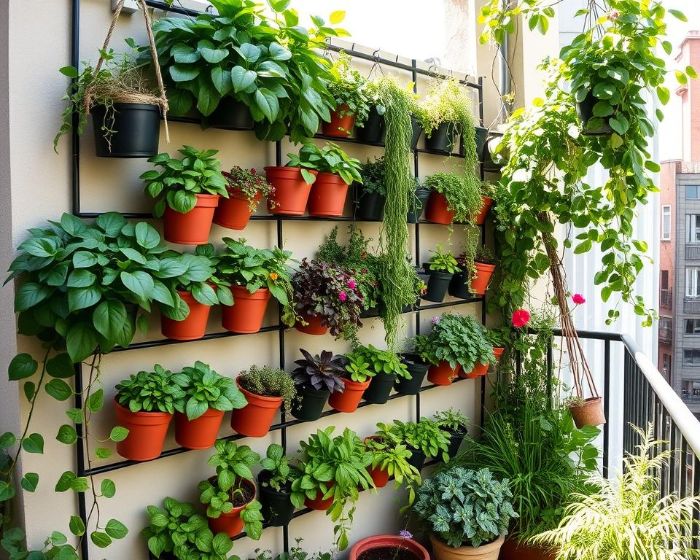
Containers and raised beds are great if your garden doesn’t have good soil or you have little space. Use them to grow plants that like the shade. You can move containers to catch more light. Look for different types of containers that match your style. Raised beds not only help with drainage but they also look nice. Try planting in raised beds to give your garden a layered look.

By adding hardscape elements, shade-loving plants, and using containers and raised beds, you can make your shade garden a special place. These changes will make your garden more beautiful, practical, and a great place to relax. Enjoy your gorgeous, shade-filled garden getaway!
Common Challenges in Shade Gardens
Shade gardens face some challenges. These need to be tackled for plant health and growth. We’ll look into the common issues gardeners face and how to solve them.
Managing Pests and Diseases
In shade gardens, pests and diseases are big worries. These include slugs, snails, aphids, and powdery mildew. To fight them, use natural ways. This can be letting good bugs eat the bad ones or using eco-friendly pest controls. Always check your plants for trouble and fix it fast to stop it from spreading.
Dealing with Poor Soil Drainage
Too much water and poor drainage can hurt plants in shade gardens. Make sure your garden’s soil drains well. If it’s clay soil, add compost or peat moss to make it better. You can also use raised beds or pots for good drainage. These are great options for plants that don’t like too much moisture.
Ensuring Adequate Light Penetration
Without enough light, shade-loving plants can suffer. though the gardens are made for low light, some plants need more. You can help by trimming trees or moving them to where they don’t block sunlight. Using light-colored mulch or stones can also bounce light back to the plants. This helps them grow better.
Managing these issues can make your shade garden a healthy place. Deal with pests and diseases, improve soil drainage, and make sure your plants get enough light. Your garden will be a lovely spot in your yard.
Conclusion – Enjoying Your Vibrant Shade Garden
Congratulations on making your vibrant shade garden! You’ve picked the right plants, designed well, and taken good care. You’ve turned dull, shady spots into lively sanctuaries. Now, it’s time to enjoy the beauty and peace of your garden.
Picture this: you’re enjoying tea on a shaded bench, surrounded by rich plants. The breeze is gentle, leaves rustling around you. In your shade garden, you’ll find a peaceful spot full of color. It’s a place for quiet, where you can relax and refresh.
Walking through your garden or just sitting by it, every moment shows your effort. The mix of colors and smells is delightful, a treat for your senses. Take a moment to notice this natural beauty in the shadow.
Enjoy every moment in your garden. It’s a place for rest, where nature’s calm can inspire you. Your shade garden is more than outdoor space. It’s a special haven that speaks of your love for nature and gardening.
FAQ
What are the benefits of shade gardens?
Shade gardens help cool down sunny areas. They offer a peaceful vibe. Plus, they’re perfect for plants and animals that like less sunlight. They also make your outdoor area look beautiful and feel serene.
How do I assess shade levels in my garden?
Seeing how much sun different spots get is key. Watch the sunlight in your garden. You can tell if a spot gets dappled, partial, or full shade. Knowing this helps you pick the best plants for each spot.
What are some shade-tolerant perennials for a shade garden?
Great shade-tolerant plants include hostas, ferns, astilbes, and more. They come in many colors and shapes. These plants can brighten up any shady spot.
How do I design a shade garden?
Think about the garden’s design, including colors and shapes. Make a layout and add focal points. Layer plants to make it look great. Use different plant colors and textures for a beautiful mix.
How should I plant and care for shade perennials?
Preparing the soil well is a must for shade plants. Make the soil better and drain well. Plant correctly to help them grow strong. Don’t forget to water and mulch to keep them healthy.
How can I enhance my shade garden?
Add paths and sitting spots to make it appealing. Mix in annuals and bulbs for more color. Use containers and raised beds if you have little space or bad soil.
What are common challenges in shade gardens?
Dealing with bugs, diseases, bad drainage, and too little light is tough. Tackling these issues is crucial for a lovely, healthy shade garden.