
Last Updated June 05, 2026
An urban garden can look healthy and still carry a soil history the plants do not reveal. Vacant lots may have held demolition debris. Narrow strips beside older houses may hold paint chips in the topsoil. Beds near busy roads may carry lead from past traffic. Vegetables can grow in that soil, and the real risk may come from dust on hands, soil clinging to roots, or bare ground tracked into the home.
Soil contamination in urban gardens is usually managed through testing, layout, clean growing media, surface cover, crop choice, and hygiene. It is rarely solved by one bag of compost or one season of plants. The safest plan treats soil as a possible exposure source until the site history and lab results say otherwise.
The risk pattern fits food gardens, community plots, side yards, vacant lots, and small city backyards where lead, arsenic, cadmium, petroleum residues, PAHs, pesticide residues, construction debris, or unknown fill may be a concern.
Key Takeaways
- Urban soil contamination is often invisible, so visual plant health cannot prove that food-garden soil is safe.
- Lead is a common urban concern, especially near older buildings, roads, industrial sites, demolition debris, and unknown fill.
- Raised beds and containers filled with clean soil are the most practical food-growing option when contamination is suspected or confirmed.
- Exposure reduction matters: cover bare soil, wash hands, clean tools, remove garden shoes, and wash produce well.
- Compost, lime, mulch, and organic matter can reduce some exposure pathways, and they do not erase heavy metals from soil.
Table of Contents
Read The Site History Before Planting Food
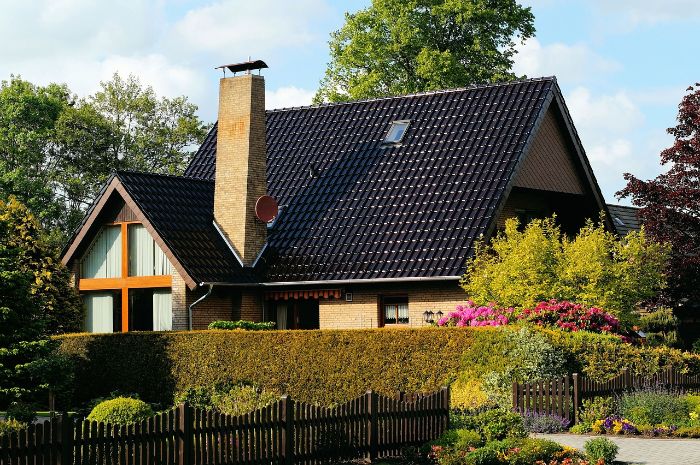
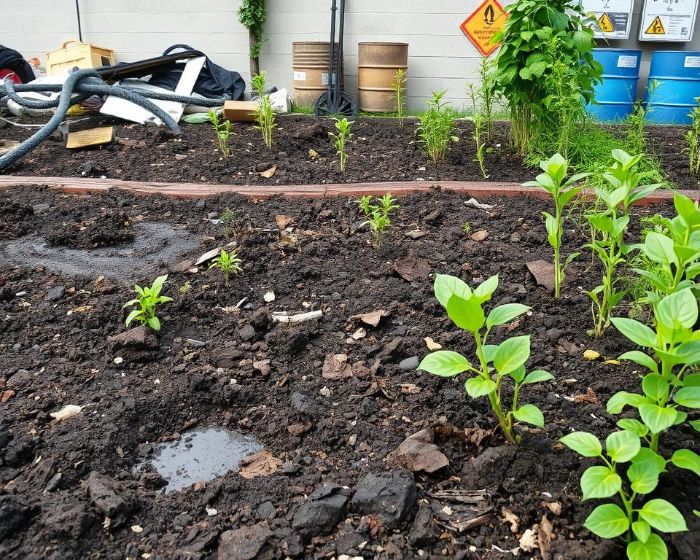
Urban soil risk starts with land use. A site that looks like an ordinary yard may have been graded with fill, scraped after a demolition, sprayed for pests, used for vehicle repair, or exposed to lead-based paint around an older building. The highest-risk areas often sit along building drip lines, alleys, curb strips, old fence lines, road edges, parking areas, and places where rubble or ash appears in the soil.
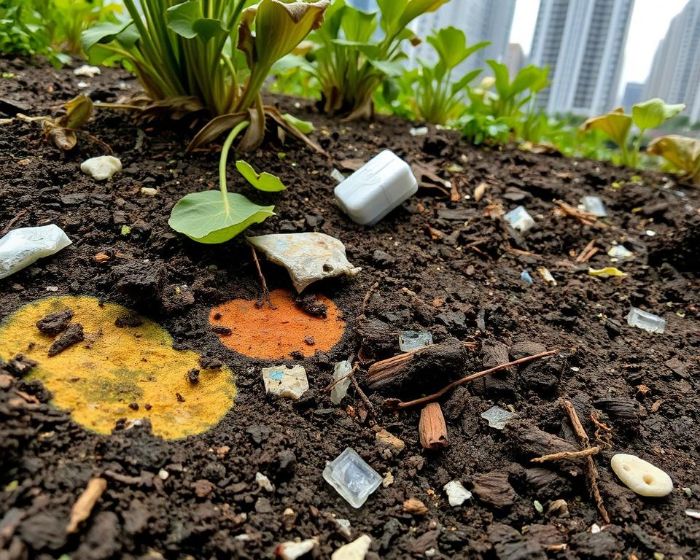
Start by walking the site with a notebook. Mark old foundations, painted structures, bare soil, strange odors, ash, glass, slag, metal fragments, oily patches, and areas where plants have repeatedly failed. Ask neighbors or property managers what used to be there. Look at local property records, old maps, aerial photos, and city brownfield data when available.
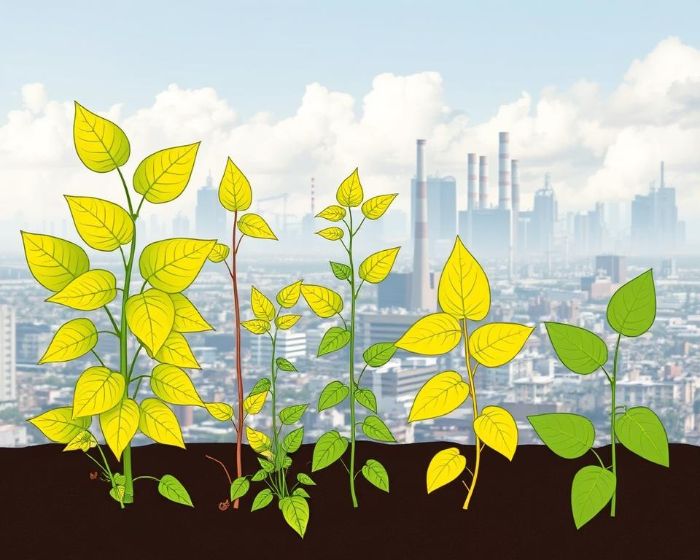
Plant symptoms cannot answer the safety question alone. Stunted growth, yellow leaves, or poor germination can come from compaction, drought, salt, low fertility, low pH, or disease. A lush tomato plant can still grow in soil that should not be handled by children or used for root crops. Exposure comes first; plant vigor comes second.
Choose The Right Safe Growing Setup For The Site
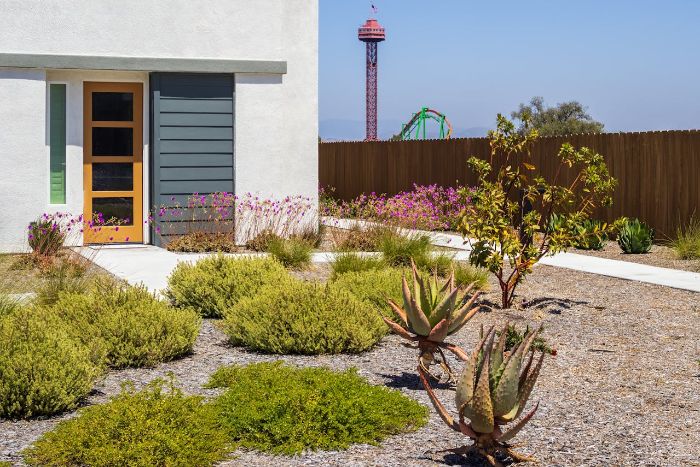
The growing setup should match the site risk. Clean containers can make sense on a balcony, driveway, or yard with unknown fill. Raised beds with a barrier and imported soil can turn a questionable in-ground area into a more controlled food garden. Native soil may still be used for ornamentals, fruiting shrubs, or covered non-food areas after testing and site review.
| Site Clue | Main Concern | Safer Growing Setup | Avoid This |
|---|---|---|---|
| Older painted house, garage, fence, or shed | Lead paint chips and dust near the drip line | Food crops in raised beds or containers set away from the structure | Root crops or leafy greens in soil beside the building |
| Busy road, alley, parking edge, or former traffic corridor | Legacy lead, petroleum residues, and road dust | Mulched buffer strip plus raised beds farther from the edge | Uncovered bare soil where dust can move onto crops |
| Former industrial, repair, dry-cleaning, gas station, or dumping site | Metals, petroleum, solvents, PAHs, or mixed contaminants | Professional site review, containers, capped soil, or non-food planting | Deep digging, tilling, or food production before testing |
| Unknown fill, ash, glass, brick, slag, or metal fragments | Imported debris and uneven contamination | Separate soil tests by zone and clean raised beds for food | Mixing questionable soil through the whole garden |
| Low-risk yard with no red flags | Possible background lead or local contamination | Soil test before food crops, then manage based on results | Assuming urban soil is safe because plants look healthy |
A raised bed helps only when it separates crop roots and gardeners from questionable soil. Raised bed gardening still depends on bed shape, access, and soil depth; in a contamination setting, the extra decision is whether the bed needs a barrier and clean imported growing media.
Test Urban Garden Soil Before Food Crops
A basic fertility test is not the same as a contamination test. Many standard tests measure pH, phosphorus, potassium, organic matter, and nutrient levels. Urban food gardens often need a separate request for lead and sometimes other heavy metals. Sites with petroleum odors, industrial history, railroad ties, pressure-treated wood, old orchards, or suspected dumping may need a broader environmental screen.
Urban food gardens should use qualified soil testing when past site use may have left lead or other contaminants. The lab request should match the site history, because a former garage, orchard, industrial lot, or old building edge does not carry the same risk profile as an ordinary lawn.
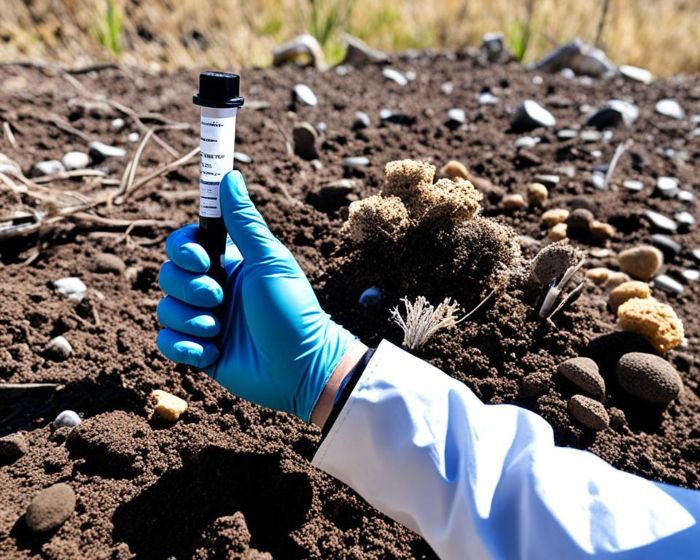
Take separate samples from separate risk zones. Keep soil from an old house drip line separate from soil in the center of a raised vegetable bed. Keep a stained patch separate from a clean-looking lawn area. A composite sample is useful only when the area has the same history and will be used the same way.
How To Sample Without Blurring The Risk
- Sample the actual area where food will grow.
- Keep play areas, pathways, drip lines, and vegetable beds as separate samples.
- Use clean plastic tools or stainless tools, not rusty or galvanized containers.
- Remove mulch and surface debris before taking the soil slice.
- Ask the lab which depth they want for vegetables, play areas, or bare soil.
- Tell the lab the site is an urban food garden and ask which contaminants they can screen.
| Test Or Result Type | Why It Matters | Garden Decision |
|---|---|---|
| Lead and other heavy metals | Metals persist and can move through dust, soil on produce, and accidental ingestion | Use lab guidance to choose in-ground crops, raised beds, containers, or non-food planting |
| Arsenic or pesticide residues | Old orchards, treated wood, and past pest control can leave residues | Use clean soil for edible crops if results are elevated or the history is unclear |
| Petroleum, PAHs, or solvent concern | Gas stations, garages, fires, rail corridors, and industrial parcels can leave mixed contamination | Use professional guidance before disturbing soil or growing food |
| pH and organic matter | Acidic soil can make some metals more mobile; organic matter can bind some contaminants | Adjust pH and organic matter based on soil-test recommendations |
| No elevated contaminants reported | The sampled zone has lower measured risk for the tested items | Keep records, maintain mulch, wash produce, and retest if land use changes |
Match Soil Test Results To The Next Garden Decision
| Result Pattern | What It Means | Food-Garden Decision | Extra Safety Step |
|---|---|---|---|
| No elevated contaminants in the sampled food zone | The tested area has lower measured risk for the screened items | Grow food with mulch, clean harvest bins, hand washing, and produce washing | Keep the lab report and retest if the site changes |
| Lead or metals are present at a moderate level | Exposure reduction matters even when plants look healthy | Favor fruiting crops, mulch bare soil, and use clean raised beds for root crops and leafy greens | Keep children away from bare soil and reduce dust movement |
| Lead or metals are elevated in a high-contact zone | Food growing in native soil becomes a poor choice | Use clean raised beds or containers for edible crops | Cover or cap native soil and avoid tilling |
| Petroleum, solvent, PAH, or industrial concern appears | Mixed contaminants may need professional interpretation | Pause food production in native soil until local environmental guidance is available | Avoid deep digging, soil mixing, and composting removed soil |
| Results conflict between zones | Contamination is uneven across the site | Use the cleanest tested zone for food and isolate high-risk zones | Mark the map so soil from one zone is not moved into another |
When a report shows elevated metals, petroleum residues, solvents, PAHs, or a contaminant the garden lab does not interpret, the next contact should be local environmental health, Cooperative Extension, or the soil-testing lab. A fertility recommendation cannot replace contaminant-specific guidance.
For lead, exposure control matters as much as plant uptake: testing food-crop soil, using clean raised beds or containers, washing produce, and keeping bare contaminated soil covered can reduce lead exposure from garden soil.
Reduce Exposure From Soil, Dust, And Produce
In many urban gardens, soil and dust create a bigger contact problem than lead uptake into fruit. Soil sticks to hands, gloves, tools, shoes, leafy greens, root crops, pet paws, toys, and harvest bins. Dry bare soil can move as dust onto leaves and into homes.
Set up the garden so soil stays where it belongs. Cover paths with wood chips, mulch, turf, gravel, or another stable surface. Keep bare soil covered between crops. Use drip irrigation or gentle watering to reduce splashing. Harvest into clean containers and keep produce off the ground. Wash hands before eating or drinking in the garden.
Garden clothing matters. Gloves reduce direct contact. Shoes used in a questionable garden should stay near the door, in a bin, or outside. Tools can be brushed or rinsed before storage. Children should have clean play areas that are separate from bare urban soil and should wash hands after outdoor play.
Children need a stricter soil boundary than adults. Bare soil with elevated lead should not function as a play surface, and garden shoes, toys, gloves, and tools should not carry soil into living areas. Use grass, mulch, clean play surfaces, or covered non-food zones where children spend time, and keep edible beds separate from play traffic.
Produce washing reduces soil and dust. Remove outer leaves from leafy greens. Scrub or peel root crops. Wash tomatoes, peppers, beans, cucumbers, squash, and herbs under running water. Use clean harvest bins and kitchen surfaces so soil from the garden does not move onto already washed produce.
Use Raised Beds, Containers, And Barriers Correctly
Raised beds are one of the most practical responses to contaminated or unknown soil. They work by creating a clean growing zone above the original ground. The bed should be filled with clean topsoil, compost, or growing mix from a supplier that can answer questions about source and testing. Unknown fill or bargain topsoil from an unverified source can move the same problem into the new bed.
A barrier beneath the bed helps reduce mixing between clean soil and questionable soil below. Water still needs a place to drain. Landscape fabric, geotextile, or another permeable barrier may be used when the goal is separation with drainage. Solid plastic can trap water unless the design includes drainage. For very high-risk sites, ask local environmental or public health staff before choosing a barrier or disturbing soil.
Raised bed materials need the same caution as the soil inside the bed. Avoid salvaged painted lumber, railroad ties, oily boards, ash-contaminated brick, rubble, or unknown industrial materials around edible crops. A clean raised bed can lose its safety value when the frame, fill, or nearby splash zone becomes a new contaminant source.
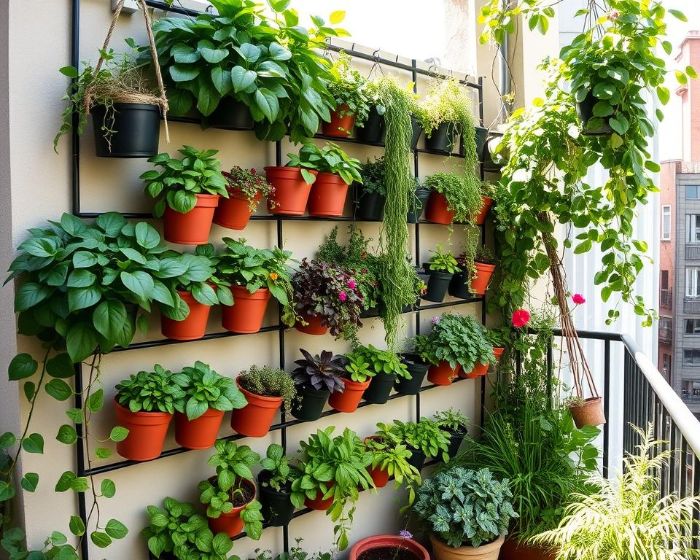
Containers are useful where soil testing is delayed, space is tight, or the ground is paved. The same logic used for container gardening in small spaces applies here: use a clean container, fresh growing mix, reliable drainage, and a location protected from contaminated dust splash.
Imported soil should be treated as an input, not a mystery. Ask where it came from, whether it has been screened, and whether compost or topsoil has been tested for metals. If the supplier cannot answer, use bagged or tested materials for edible beds. Community gardens should keep receipts, labels, and soil-test results with the garden records.
Clean raised beds also need protection after they are built. Keep contaminated soil from splashing into the bed, avoid mixing native soil into the new growing media, and keep nearby bare ground covered. A raised bed is a cleaner growing zone only while its soil, edges, paths, and inputs stay clean.
Choose Crops By Soil Contact Risk
Crop choice changes exposure. Root crops grow in direct contact with soil. Leafy greens catch dust and splash. Fruiting crops such as tomatoes, peppers, beans, peas, cucumbers, squash, and eggplant usually carry less soil contact on the edible part. Perennial ornamentals, shrubs, groundcovers, and turf can stabilize risky soil where food production is not the right use.
| Crop Or Planting Type | Soil Contact Risk | Safer Use In Urban Gardens |
|---|---|---|
| Root crops: carrots, beets, potatoes, onions, radishes | High contact with soil on the edible part | Grow in clean raised beds or containers when contamination is suspected |
| Leafy greens and herbs | Soil splash and dust can cling to leaves | Use clean soil, mulch, drip irrigation, and thorough washing |
| Fruiting vegetables: tomatoes, peppers, beans, peas, cucumbers, squash | Lower direct soil contact on the edible part | Use in lower-risk tested soil with mulch and clean handling |
| Berry bushes or fruit trees | Less soil on harvested fruit, with long-term root exposure | Use tested zones and mulch; avoid highly contaminated soil for edible plantings |
| Perennials, shrubs, turf, groundcovers, flowers | Non-food use can stabilize soil | Use to cap or cover risky areas that should stay out of food production |
The contaminant matters as much as soil contact. Lead risk often centers on soil and dust, while some contaminants can move into plant tissue more readily under certain soil conditions. Leafy greens may need stricter caution when cadmium or mixed metals are part of the lab concern, especially in acidic or salt-affected soil.
Tested soil, stable mulch, clean irrigation, and root-zone care still shape plant performance. Soil management for garden beds helps separate fertility problems from contamination decisions when plant growth looks weak.
Handle Contaminated Soil Without Spreading It
Once contamination is suspected or confirmed, the goal is to reduce contact and avoid moving soil into new places. Leave questionable soil untilled. Keep contaminated soil out of compost. Use clean material for low spots, containers, and raised beds. Keep unknown soil on site until disposal rules are clear.
Small amounts of low-risk soil may be managed in place by covering, mulching, planting groundcovers, or shifting food production into clean beds. Higher-risk soil may need professional removal, capping, or guidance from local environmental health staff. Disposal rules vary by location and contaminant. A gardener should not assume contaminated soil can go into regular yard waste.
Phytoremediation can sound appealing because it uses plants to extract or stabilize contaminants. For food gardeners, it is usually too slow to treat as a near-term safety fix. Plants used for remediation may also become contaminated biomass that needs proper disposal. Use phytoremediation only with realistic expectations and local guidance, not as a shortcut before planting vegetables.
Clean soil building still has a place. Compost, leaf mold, and organic matter improve structure, water holding, and soil biology in tested or clean beds. Use amending soil with organic matter to improve clean growing zones, not to treat contamination as solved.
Maintain Safer Urban Garden Soil Over Time
Soil safety is an ongoing habit. Keep a map of where samples were taken and what the results showed. Record which beds contain imported soil and where it came from. Retest when a new area is opened, a nearby building is renovated, a flood deposits sediment, fill is added, or unexplained debris appears.
Maintain surface cover. Mulch paths, bed edges, and bare soil around food crops. Mulch reduces dust, cushions splash, and limits direct contact with soil. The same principle behind mulching for soil health also helps urban gardens keep questionable soil from moving around the site.
Manage pH by soil-test recommendation. Some metals become more mobile in acidic conditions. Lime should be applied based on lab guidance, not as a blind safety treatment. Soil pH imbalances should be corrected by lab recommendation after contamination testing sets the safety boundary for food crops.
Urban gardening can still be productive and safe when each zone has a clear role: tested food-growing areas, covered non-food areas, and soil that needs professional advice before it is disturbed.
Conclusion
Urban garden soil contamination is best handled before planting decisions become habits. Learn the site history, test the zones where food will grow, and choose the growing setup from the results. Clean raised beds, containers, mulch, crop choice, hand washing, produce washing, and careful soil handling can turn a risky-looking site into a safer food garden plan.
When the history is unknown or the results are elevated, keep edible crops in clean media and use the existing soil for covered paths, ornamentals, groundcovers, or spaces that do not disturb dust. A safer urban garden keeps exposure low and still makes room for food, shade, beauty, and community.
FAQ
How do I know if urban garden soil is contaminated?
You cannot confirm contamination by looking at plants alone. Review the site history, look for risk clues such as old paint, traffic, debris, stains, odors, or former industrial use, then send separate soil samples to a lab that tests for lead and other relevant contaminants.
What contaminants should an urban garden soil test include?
Lead is the most common starting point for many urban food gardens. Depending on site history, ask the lab about arsenic, cadmium, other metals, petroleum residues, PAHs, pesticide residues, pH, and organic matter.
Are raised beds safe over contaminated soil?
Raised beds can reduce exposure when they are filled with clean soil and separated from the original ground with an appropriate barrier. They still need drainage, clean inputs, covered paths, and good hygiene around the garden.
Can compost fix contaminated soil?
Compost can improve soil structure and may bind some contaminants, and it does not remove heavy metals from soil. Use compost as part of soil management after testing, not as proof that contaminated soil is safe for food crops.
Which vegetables are safest in urban soil?
In tested lower-risk soil, fruiting crops such as tomatoes, peppers, beans, cucumbers, peas, squash, and eggplant usually have less direct soil contact than root crops or leafy greens. In suspected or confirmed contaminated soil, grow edible crops in clean raised beds or containers.
Should children garden in soil with elevated lead?
Children should not play in bare soil with elevated lead. Use clean play surfaces, mulch, grass, or other cover, supervise hand washing, and keep food gardens in clean raised beds or containers when soil lead is a concern.