




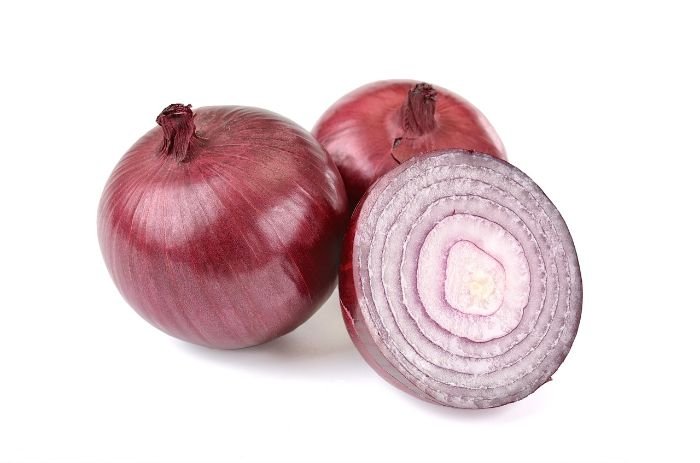
Did you know onions are more than just tasty in your food? They are also packed with health benefits. These veggies are low in calories and fat-free. They are full of healthy stuff that fights inflammation and boosts your health.
Onions are full of flavonoids, especially quercetin. This antioxidant stops inflammation in the body. It can lower the risk of heart disease and cancer. So, onions are key for a healthy diet.
But onions do even more. They have compounds that help your bones, boost your immune system, aid digestion, manage diabetes, and keep your skin and hair healthy.
Want to know more about onions’ health perks? Let’s dive into their properties and how they can make you healthier.
Key Takeaways:
- Onions are low in calories and fat-free, making them a healthy addition to any diet.
- Quercetin, found in onions, is a potent anti-inflammatory compound that can reduce the risk of heart disease and cancer.
- Onions have compounds that support bone health, boost the immune system, aid in digestion, manage diabetes, and promote healthy skin and hair.
Table of Contents
The Nutritional Profile of Onions
Onions are full of important vitamins, minerals, and phytochemicals. These help keep us healthy and feeling good. Let’s look at what makes onions so nutritious.
Key Vitamins and Minerals
Onions have lots of vitamins and minerals that are good for us. They are full of vitamin C, which helps our immune system and makes collagen. Vitamin B6 in onions is important for our brains and making neurotransmitters.
They also have potassium, which keeps our blood pressure in check. Calcium is there for strong bones and teeth. And iron is for making red blood cells.
The Role of Phytochemicals
Onions are also packed with phytochemicals, which are natural plant compounds. These phytochemicals are good for us because they fight off harmful free radicals. One key phytochemical in onions is quercetin.
Quercetin is a flavonoid that fights inflammation and protects our bodies from damage. It’s a big reason why onions are so good for us.
Anti-Inflammatory Properties
Onions are known for their anti-inflammatory effects. They are great for a healthy diet. This is thanks to a powerful antioxidant called quercetin found in onions. Quercetin is a flavonoid that helps reduce inflammation in the body.
Quercetin and Its Benefits
Quercetin is a natural anti-inflammatory. It stops the production of compounds that cause inflammation. It also reduces histamines, which help fight inflammation.
Quercetin also acts as an antioxidant. It fights off harmful free radicals and protects cells from damage. This helps reduce inflammation and boost overall health.
Reducing Chronic Inflammation
Chronic inflammation can lead to heart disease, diabetes, and arthritis. Eating onions can help fight this inflammation. Onions are full of quercetin, which helps control inflammation and ease symptoms.
Onions in an Anti-Inflammatory Diet
To get the most anti-inflammatory benefits from onions, eat them as part of an anti-inflammatory diet. This diet includes fruits, vegetables, whole grains, lean proteins, and healthy fats. Adding onions and other antioxidant foods to your meals helps support your body’s fight against inflammation.
Cancer-Fighting Abilities
Onions are now a key focus in cancer research because they might help fight cancer. Many studies have looked into how onions can prevent cancer. They’ve found out which compounds in onions are key.
Onions and Cancer Research
Many studies have looked into onions and cancer prevention. They’ve found onions might help lower the risk of some cancers. These include colorectal, stomach, and ovarian cancer.
Specific Compounds with Anti-Cancer Effects
Onions have compounds like quercetin and organosulfur compounds that fight cancer. These help stop tumors from growing and spreading.
Studies and Findings
Studies on onions show they could help fight cancer. But, we need more research to understand how they work. Still, eating onions might help lower the risk of some cancers.
Cardiovascular Health
Onions are great for heart health. They have antioxidants and compounds that help prevent heart diseases.
Onions can fight inflammation. Inflammation can lead to heart diseases. Eating onions can lower this risk.
Onions can also help lower blood pressure. Studies show that onions with lots of quercetin can lower blood pressure. This is good for the heart and helps blood flow well.
Onions can also help with cholesterol. They can lower LDL cholesterol. This lowers the risk of heart attack and stroke.
Eating onions can make your heart healthier. They fight inflammation, lower blood pressure, and manage cholesterol. Onions are a great choice for heart health.
Onions and Heart Disease Prevention
Onions are key in preventing heart disease. They have antioxidants that fight inflammation and lower heart risks.
Lowering Blood Pressure
Eating onions, especially those with quercetin, can lower blood pressure. This is good for the heart and blood flow.
Cholesterol Management
Onions can lower LDL cholesterol. Adding onions to your diet helps keep cholesterol healthy and lowers heart disease risk.
Immune System Support
Onions can help keep your immune system strong. They are tasty and full of benefits for your health. Eating onions can help fight off infections and keep you healthy.
Boosting Immune Function
Onions have compounds that boost your immune system. Quercetin is one of these compounds. It’s an antioxidant that helps your immune system work better.
Antioxidant Properties
Onions have more than just quercetin. They have other antioxidants too. These help fight off harmful free radicals. This reduces stress and inflammation in your body.
Fighting Off Infections
Onions are great at fighting infections. They have antibacterial and antiviral effects. This helps protect you from many pathogens. Eating onions can help keep your immune system strong.
Digestive Health
Onions are great for your digestive health. They are full of dietary fiber, which is key for a healthy gut.

Dietary Fiber in Onions
Onions are packed with dietary fiber. A medium onion gives you about 2 grams of fiber. That’s 7% of what you need daily.
This fiber doesn’t dissolve in water. It helps make your stool bulkier, which helps you go to the bathroom regularly and prevents constipation.
Promoting Gut Health
The fiber in onions is also a prebiotic. Prebiotics feed the good bacteria in your gut. These bacteria are vital for a healthy gut.
Eating onions and other prebiotic foods helps these good bacteria grow. This leads to better digestion, better nutrient absorption, and a healthier gut.
Preventing Digestive Disorders
Onions have fiber and prebiotics that protect your digestive system. Eating onions often can stop problems like constipation, IBS, and colorectal cancer.
The fiber in onions keeps your bowel movements regular. It stops waste from building up in your colon. This lowers the risk of colorectal cancer. Onions also reduce gut inflammation, which helps prevent digestive disorders.
Adding onions to your meals can boost your digestive health. It also lowers the chance of stomach problems.
Bone Health
Strong bones are key for a healthy life. Eating a balanced diet with nutrients for bone health is important. Onions have nutrients that help bones stay strong and prevent osteoporosis.
Onions have calcium, a mineral that makes bones strong. They also have vitamin C, which helps make collagen. Collagen is a protein that gives bones their structure.
Onions also have manganese, which helps bones form and stay healthy. This mineral works with calcium and vitamin C for strong bones.
Onions have antioxidants that fight stress and reduce inflammation. These antioxidants protect bones from damage and keep them healthy.
Eating onions can help your bones stay dense and prevent osteoporosis. Add them raw to salads or cook them in many dishes. Onions are tasty and good for your bones.
Diabetes Management
Diabetes is a chronic condition that affects millions of people worldwide. It’s important for people with diabetes to keep their blood sugar levels in check. This helps prevent complications and keeps them healthy. We’ll look at how onions can help manage diabetes by regulating blood sugar and improving insulin sensitivity.
Blood Sugar Regulation
Onions can help regulate blood sugar, which is good news for people with diabetes. Studies show that onions have compounds that make insulin work better. This means cells can use glucose more effectively, helping to balance blood sugar levels.
Onions and Insulin Sensitivity
Insulin is a hormone that helps control blood sugar levels. People with diabetes often have trouble with insulin sensitivity. Onions have quercetin, which can make insulin work better. This helps the body use glucose in a healthy way, which is good for diabetes management.
Including Onions in a Diabetic Diet
Adding onions to a diabetic diet can be tasty and helpful. You can put onions in salads, soups, stir-fries, and roasted veggies. They add flavor without raising blood sugar too much. Remember, eating onions should be part of a balanced diet. Always talk to a healthcare professional or dietitian for advice on what’s best for you.
Skin and Hair Benefits
Onions are not just for cooking. They are great for your skin and hair health too. They have natural stuff that makes your beauty routine better.
Enhancing Skin Health
Onions have lots of antioxidants and anti-inflammatory stuff. These help make your skin better and healthier. They cut down on stress and swelling in your skin.
This means your skin can look better and feel smoother. Onions have quercetin, which helps make collagen. Collagen keeps your skin strong and elastic. It also makes fine lines and wrinkles less visible.
Preventing Hair Loss
Onions might help if you’re worried about losing hair. Onion juice can make hair grow and stop it from falling out. Onions have a lot of sulfur, which helps blood flow to your scalp.
This makes hair follicles grow better and stops hair loss. Onions also fight scalp infections that can cause hair loss. Using onion juice or treatments can make your scalp and hair healthier.
Onions in Natural Beauty Remedies
People have used onions in beauty treatments for a long time. They protect your skin from damage and keep it looking young.
You can make your own face and hair masks with onions. These can make your skin elastic, lessen blemishes, and keep your hair and scalp healthy.
Try using onions in your beauty routine to see the benefits. Your skin and hair will be happy you did!
Culinary Uses and Preparation
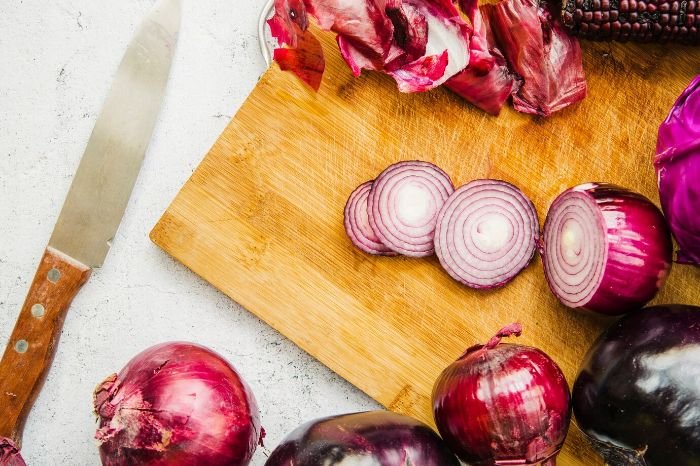
Onions are a versatile vegetable used in many dishes. They can be eaten raw in salads or sandwiches. Or cooked in soups and stews. Onions make many recipes better with their unique taste.
Different Ways to Use Onions
There are many ways to use onions in cooking. Here are some popular methods:
- Sautéing onions with garlic for sauces, stir-fries, and pasta.
- Caramelizing onions for French onion soup or tarts.
- Slicing onions thinly for salads, sandwiches, and wraps.
- Grilling or roasting onions to make them sweet and smoky.
- Using onions in omelets, quiches, and pizzas.
- Adding chopped onions to meatloaf, burgers, and meatballs.
Nutrient Retention During Cooking
Cooking onions can lower their vitamin C. But, other nutrients and compounds stay. Onions have antioxidants and phytochemicals that cooking doesn’t harm. To keep more nutrients, use gentle cooking like steaming or blanching.
Using onions in cooking boosts flavor and adds nutrients. Adding onions to your meals brings great taste and health benefits.
Conclusion
Onions add flavor to your meals and are good for your health. They bring many health benefits when added to a balanced diet.
Onions help fight inflammation and cancer. They also support heart health and boost the immune system. These vegetables are full of nutrients and phytochemicals that make you healthier.
Onions make digestion better and keep your skin and hair healthy. They help keep bones strong too. With lots of fiber, onions can help control blood sugar, which is good for people with diabetes.
You can eat onions raw in salads or cooked in many dishes. Adding onions to your meals is easy and tasty. It’s a great way to get healthier. Start adding onions to your diet to enjoy their many health benefits.
FAQ
What are the health benefits of onions?
Onions are great for fighting inflammation and lowering cancer and heart disease risk. They boost the immune system, aid digestion, and help with bone health. Onions also manage diabetes and improve skin and hair health.
What nutrients are found in onions?
Onions are packed with vitamins like C and B6, and minerals like potassium, calcium, and iron. They also have phytochemicals, especially flavonoids like quercetin.
How do onions help fight inflammation?
Onions have lots of quercetin, a flavonoid that stops inflammation-causing compounds. This can reduce chronic inflammation and help with symptoms of inflammatory conditions.
Do onions have cancer-fighting abilities?
Yes, onions have quercetin and organosulfur compounds that stop tumor growth and cancer cell spread. Studies show onions may protect against different cancers.
How can onions benefit cardiovascular health?
Onions lower heart disease risk by fighting inflammation, reducing blood pressure, and managing cholesterol. Eating onions, especially those high in quercetin, can improve heart health.
Do onions support the immune system?
Yes, onions have immune-boosting compounds like quercetin and vitamin C. These help strengthen the immune response and fight oxidative stress. Onions’ antioxidants support immune function.
How do onions promote digestive health?
Onions are full of dietary fiber, which helps with regular bowel movements and a healthy gut. They also have prebiotics that feed good gut bacteria.
Do onions play a role in bone health?
Yes, onions help bones by providing nutrients like calcium, vitamin C, and manganese. These nutrients are key for bone density and preventing osteoporosis.
Can onions help manage diabetes?
Onions can manage blood sugar by making insulin work better and helping cells take in glucose. Their antioxidants also support metabolic health and may lower diabetes risks.
How do onions benefit skin and hair health?
Onions’ antioxidants and anti-inflammatory compounds improve skin and hair. Onion juice can help hair grow and prevent loss.