




Are you ready to make your garden burst with color? Azaleas are a top pick for that. They have beautiful flowers and are easy to take care of. But, how can you make sure your azaleas do well and brighten up your yard?
This guide will show you step by step how to plant azaleas. We’ll cover picking the best kinds and planting at the right time. You’ll also find out how to choose a good spot, prepare the place, plant correctly, and keep your azaleas healthy after.
Key Takeaways:
- Choosing the right azalea varieties is crucial for a successful garden display.
- Understanding the best planting times based on your region ensures optimal growth.
- Proper location selection and site preparation are essential for azaleas’ well-being.
- Follow the step-by-step planting techniques to ensure a healthy start for your azaleas.
- Providing post-planting care and maintenance is vital for long-term azalea health.
Table of Contents
Introduction to Azaleas
Azaleas are a top pick for those who love beautiful gardens. They bring color and charm to outdoor areas with their stunning flowers. These shrubs are not just pretty, they also do well in many different climates.
Why Choose Azaleas for Your Garden?
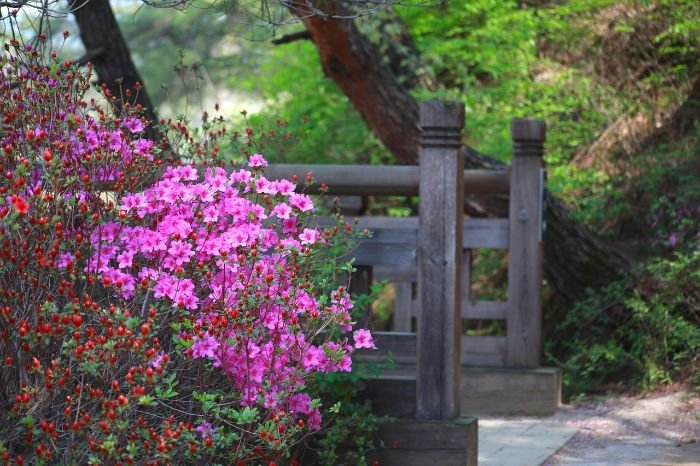
Azaleas make your garden look stunning with their bright blooms. They boost the beauty of any space. Their wide range of colors add life to your garden.
These shrubs can handle various weather conditions too. So, no matter where you live, you can enjoy blooming azaleas. This makes them perfect for gardens all over the country.
Also, azaleas come in many types, giving you lots of choices. You can pick the ones that fit your garden’s look and color scheme. Whether you need small plants for borders or big shrubs as focal points, there’s an azalea for you.
Varieties of Azaleas and Their Unique Characteristics
Azaleas have a lot of types, each with special features. You can find them in different flower colors, sizes, and blooming times. Some well-known ones are:
- Indica Azaleas – Have big, colorful flowers and are evergreen. They bloom well every year.
- Deciduous Azaleas – Their leaves change color in the fall, showing off beautiful autumn shades. They have big flowers in various colors.
- Kaempferi Azaleas – Hailing from Japan, they are hardy and good in cold weather. Their flowers come in pink, purple, and white.
- Satsuki Azaleas – Known for their detailed, colorful flowers, they offer many shapes and colors like red, pink, and purple.
Choosing different azalea types can make your garden stand out. It adds variety and beauty to your space.
Azaleas are a great choice for gardens. Their bright flowers, ability to thrive in many climates, and vast variety make them popular. They’re a sure way to make your garden look and feel special.
When to Plant Azaleas
It’s key to plant azaleas at the right time for them to grow well. The best time to plant them could change because of where you live. Knowing the local advice and watching for certain signals will help your azaleas do their best.
Understanding the Best Planting Times by Region
When you plant azaleas depends a lot on your location’s climate. Think about the typical weather and temperature. This will help you pick the best time to start your azaleas.
In places like the southern U.S. with mild winters, plant in early spring. Azaleas love this time because the weather is cool. There’s also enough rain for them to grow strong.
In colder spots that see freezing winter, aim for late spring or early fall. By then, they have time to get their roots settled before the cold. This helps them survive better.
Always check with local gardeners or experts for advice specific to your area. They can tell you the perfect times for planting based on your local weather.
Signs That It’s the Right Time to Plant
How do you know it’s the best time to plant your azaleas? Watch for a few clues to see if the planting conditions are just right:
- Soil temperature – Make sure the soil isn’t too cold. It should be warmer than freezing at 6 inches deep. Use a soil thermometer to check.
- Bud development – Look for buds starting to swell or open on existing azaleas. This means the weather’s good enough for new plants too.
- Weather patterns – Try not to plant when the weather is very hot, rainy, or windy. Aim for mild, calm days. This way, your azaleas have a better chance to grow well.
Keep an eye on these signs and tips to plant your azaleas at the best time. This will help them grow healthy and look beautiful with their blooms.
Choosing the Right Location for Azaleas
Choosing the right spot for your azaleas is key for their success. We’ll talk about the best places for them, considering sunlight, soil, and space.
Sunlight and Shade Requirements
Azaleas love spots with a bit of sun and lots of shade. They need 4-6 hours of sunlight daily. But too much sun can harm them. Make sure they get the right amount of light.
Placing them in very shady areas can stop them from blooming. Like Goldilocks, choose a spot that’s just right.
Considering Soil Drainage and Space
These plants don’t like soggy soil. Pick a place with soil that drains well. Avoid spots with heavy or clayish soil that holds too much water. If your soil is not ideal, add things to help it drain better.
Think about how much room your azaleas will need, too. They can be small or big, up to 8 feet. Make sure they have enough space to grow nicely.
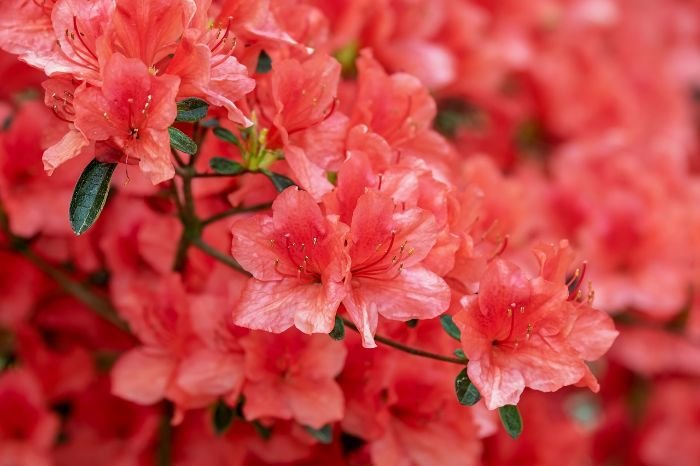
By finding the perfect spot for your azaleas, they will thrive. Pay attention to the sunlight, soil, and space they need. Then, you can enjoy beautiful flowers in your garden.
Preparing the Planting Site
How to Prepare Your Soil for Azaleas
Preparing the soil before planting azaleas is key. This ensures they grow well. Here’s how to set the right foundation for your azaleas.
- Test the soil pH – First, test your soil’s pH. Azaleas like slightly acidic soil, 4.5 to 6.0 pH.
- Improve soil drainage – Good drainage prevents root rot. Add organic matter or make raised beds for better drainage.
- Add organic matter – Boost soil texture and nutrients with compost, leaf mulch, or manure. The azaleas will love it for better drainage and food.
Steps for Proper Soil Conditioning
Soil preparation is crucial for azaleas to thrive. Follow these steps to get your soil right before planting:
- Adjust pH levels – Use sulfur or dolomite lime if a soil test shows the pH needs adjusting.
- Add nutrients – Use an acid-loving plant fertilizer as directed. This feeds your azaleas the right nutrients for strong growth.
- Improve soil texture – If soil is too heavy, add perlite or vermiculite. This helps with drainage and healthy roots.
By following these steps, your azaleas will have the perfect soil. This sets them up for long-term health and stunning blooms.
Selecting Your Azaleas
Choosing the right azaleas is key to a beautiful garden. You need to pick healthy plants. This guide will help you select the best azaleas. It focuses on picking healthy ones and tips for buying from nurseries.
How to Choose Healthy Azalea Plants
It’s vital to pick azaleas that are healthy. You want them to do well in your garden. Here’s how:
- Check for signs of disease or stress – Look at the leaves for issues like spots or strange colors. Avoid plants with wilted leaves or ones that look yellow.
- Examine the roots and foliage – Take the plant out of its pot to check the roots. They should be light and not slimy. The leaves should be full, not damaged, and free from pests.
- Select the right size and shape – Think about how big and what shape you want the azaleas to be. Choose plants with a good mix of leaves and flowers.
Tips for Buying Azaleas from Nurseries
Buying from nurseries? Here are some tips:
- Consider reputable sources – Get your azaleas from well-known nurseries or trusted garden centers. Ask for advice from gardeners or plant experts.
- Ask questions about the plant’s care and history – Learn about the plant’s needs and care tips. Ask about its age and where it was grown.
- Inspect the plants before making a purchase – Look closely at the plants for any issues like disease or pests. Avoid those with damaged or wilted leaves.
Follow these tips to pick the best azaleas. They will look great in your garden. It’s important whether you’re new to gardening or not. Good luck in creating a vibrant garden!
Planting Techniques for Azaleas
First, get your planting site and azalea types ready. Then, it’s planting time. This guide will help you plant right and grow healthy azaleas in your garden.
Step-by-Step Guide to Planting Azaleas
1. Dig a Hole – Start by digging a hole twice as wide and deep as your azalea’s root ball. This space lets the roots grow well.
2. Handle with Care – Take the azalea out of its pot gently. Loose roots help the plant. But, don’t tear them.
3. Place in the Hole – Put the azalea in the hole with its top root ball level with, or slightly above, the soil. This stops it from going too deep.
4. Backfill with Soil – Add soil and organic stuff around the roots. Lightly pack it to remove air. But don’t pack it too hard.
5. Water Thoroughly – Water your azalea well after planting. Wet the roots fully, but don’t overdo it to avoid root rot.
6. Mulch the Area – Spread mulch like wood chips around your azalea. It keeps moisture in, stops weeds, and keeps the soil at a good temperature.
7. Maintain Post-Planting Care – Check soil moisture often and water when needed. Don’t overwater or let the soil get dry. Look for pests and diseases, too.
Common Mistakes to Avoid While Planting
- Planting too deeply – Azaleas should be planted at the same depth as their pots. Too deep can hurt the roots, causing the plant to suffer or die.
- Inadequate water and drainage – Azaleas like moist, well-drained soil. Be sure the place you plant them can drain water. Water them a lot when it’s dry.
- Neglecting post-planting care – After planting, azaleas still need your care. This includes watering, putting mulch down, and keeping an eye out for bugs and diseases. Skipping these steps can make your plants less healthy and they might not bloom as much.
Plant azaleas right and avoid these errors. You’ll have a lovely, flourishing azalea garden that everyone will admire.
Post-Planting Care
After you plant your azaleas, taking care of them is key to their growth and health. This care helps your azaleas look beautiful every year. You’ll learn about watering, mulching, fertilizing them, and other important care tasks here.
Watering Requirements for New Azaleas
Azaleas need lots of water after planting. They have to get used to their new home. So, water them often in the first few weeks, but not too much.
To check if they need water, stick your finger in the soil about an inch. It should feel moist, but not wet. How often you water depends on the weather. You may need to do it 2 to 3 times a week.
Change how much you water as needed. It should be enough to go deep into the soil for the roots.
Mulching and Fertilizing Your Azaleas
Mulch keeps the soil nice and moist, prevents weeds, and helps the soil. After planting, put mulch like wood chips or straw around the azalea base. Make sure it covers the ground but not the plant stems.
Fertilizing is also important. Use special fertilizer for these plants in early spring as new growth starts. Follow the directions on the box. Be careful not to use too much fertilizer.
Plant Maintenance
Keeping your azaleas healthy is a must. Here’s what you need to do:
- Remove weeds to give your plants more room for nutrients and water.
- Check for pests and diseases often. If you see any, treat them right away.
- Prune your azaleas after their flowers are gone to keep them neat. Cut off dead parts too.
- Stay on top of watering, especially in too dry or wet times.
- Keep the soil’s acid levels right for your azaleas.
Following these steps will make your azaleas stand out in your garden. Good care like watering right, mulching, and fertilizing means your plants will be lovely and healthy for a long time.
Long-Term Maintenance of Azaleas
Once your azaleas are in the ground, taking care of them is key for long-lasting beauty. We’ll cover how to cut and shape your azaleas and how to keep the bugs away. This keeps your plants happy for years.
Pruning and Shaping Azaleas
Keeping your azaleas well-groomed is important. It makes sure they grow right, look good, and stay healthy. The perfect time to trim them is late winter to start of spring.
First, cut out the stuff that’s not healthy. Always use sharp shears. Cut right above a bud or side shoot. Don’t cut the middle part of the plant.
Think about the kind of azalea you have when shaping it. Some types grow low and round. Others are more open. Always be careful not to take off too much foliage at once.
Managing Pests and Diseases
Your azaleas might get sick or have bugs. It’s important to look out for them to keep your plants in top shape. Let’s see how to handle these issues.
Check your azaleas often for bugs like lace bugs and spider mites. If you see leaves changing, act fast. Use special soaps to kill the bugs. Also, try to have good bugs around to help keep the bad ones in check.
Preventing diseases is just as crucial. Be sure there’s enough space between plants for air. Don’t wet the leaves too much when you water. If needed, use fungicide following the label carefully to stop diseases.
Regular care that involves pruning, shaping, and watching for pests is the way to have beautiful and healthy azaleas for years.
Troubleshooting Common Problems
Dealing with Poor Growth and Bloom Issues
Azaleas are famous for their bright blooms and strong growth. But, sometimes they don’t grow well or flower enough. This can happen due to wrong care, lacking nutrients, or bad environmental conditions. To fix these problems, you need to know some solutions.
If azaleas aren’t growing well, look at how you care for them. Make sure they get enough sunlight. Lack of sun can slow their growth. Also, check if they’re getting too much or too little water. Right water balance is key for healthy azaleas.
If your azaleas aren’t blooming, they might lack nutrients. Use a special azalea fertilizer to support blooming. Remember to prune them right after they bloom. This gives them time to make new flower buds for the next year.
Solutions for Soil and Water-Related Problems
Soil issues and wrong water can hurt azaleas. Test the soil to check pH and nutrients. Then, fix the pH and add the right fertilizers as needed.
Too much water can be a big issue. Make sure the soil isn’t always wet. Add things like compost to the soil. This helps with drainage. Also, let the soil dry a bit between waterings.
Follow these tips to keep your azaleas healthy. Watch your plants and adjust care as needed. Doing so will help your azaleas grow beautifully in your garden.
FAQ
Why should I choose azaleas for my garden?
They burst into vibrant colors that brighten up any garden. Azaleas also adapt well to different climates. They fit perfectly into various garden designs.
What are some unique characteristics of different azalea varieties?
Each type of azalea brings its own special traits. This includes differences in flower colors, sizes, and when they bloom. It makes your garden diverse and beautiful.
When is the best time to plant azaleas?
The best time to plant azaleas depends on where you live. Think about the local weather and plant them when it’s best for their growth.
How do I select the right location for azaleas in my garden?
Start by picking a spot that matches their sunlight needs. Make sure the soil drains well. Also, leave enough space for them to grow.
How do I prepare the planting site for azaleas?
Before you plant, test the soil’s pH levels. Fix the drainage if needed. Making the soil just right will help your azaleas do well.
How do I take care of azaleas after planting?
After planting, keep the new azaleas watered right. Use mulch to keep the soil moist. Fertilize them for strong growth and bright flowers. Regular care is key for their health.
What can I do if I encounter common problems with my azaleas?
If your azaleas show problems, like slow growth or pests, act fast. Update the soil, water, or nutrients based on the issue. Quick fixes are important for their well-being.