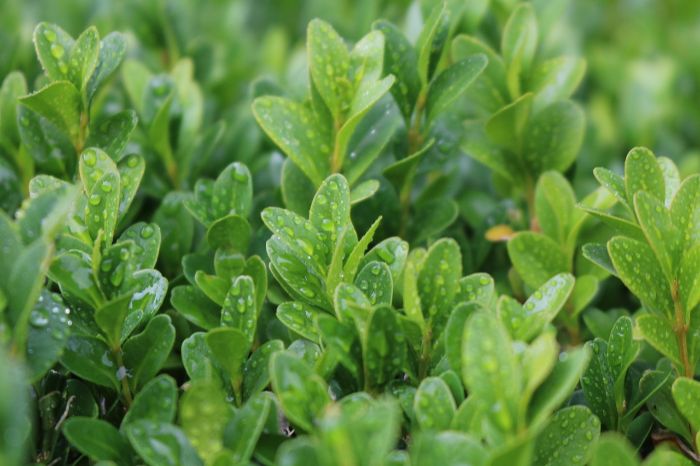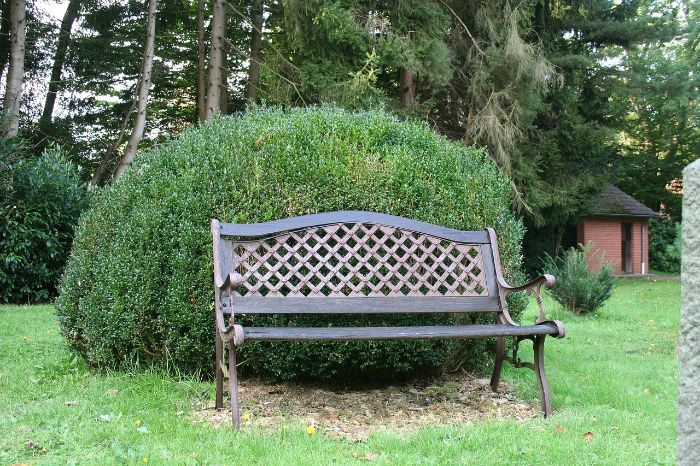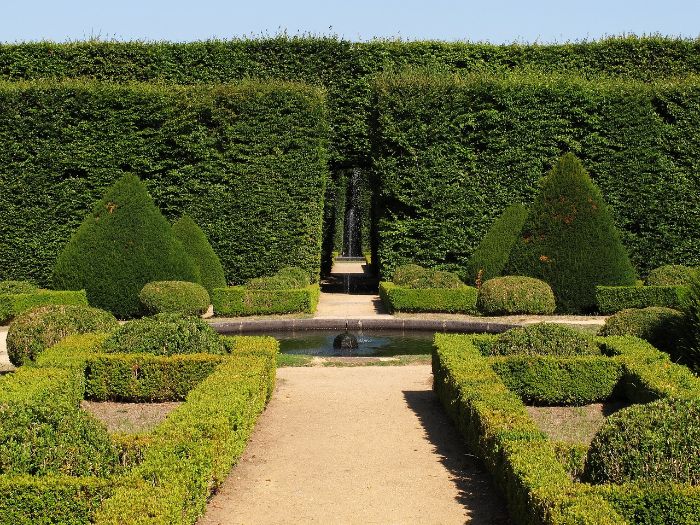





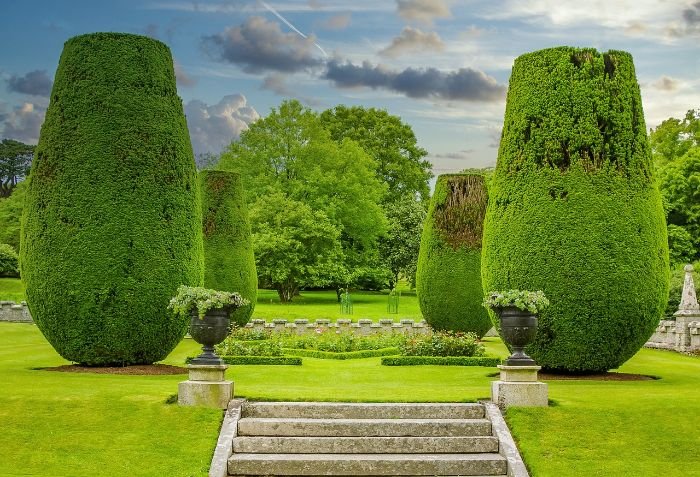
Boxwoods are a favorite of both gardeners and landscape lovers. They are known for their beauty and usefulness. These evergreen shrubs bring elegance and form to any garden. But how can you make sure your boxwoods do well?
In this section, we will share important tips for starting with boxwoods. We will cover choosing the best boxwood type and how to plant them correctly. These steps will help start your boxwood garden journey on the right track.
Key Takeaways:
- Boxwoods are popular and versatile shrubs that can enhance the beauty and elegance of any garden or landscape.
- Proper selection of the right boxwood variety is crucial for successful growth.
- Understanding the basics of planting boxwoods ensures optimal establishment and long-term health.
- This section will provide essential tips and guidance to help you start your boxwood gardening journey on the right foot.
- Stay tuned to discover the exquisite world of boxwoods and unlock the secrets to their successful cultivation.
Table of Contents
About Boxwoods
Boxwoods are a favorite for gardeners and landscapers everywhere. Their popularity and versatility make them stand out. They bring an elegant look to any outdoor area, fitting in with any style.
Why Boxwoods are Popular in Gardens
There are many reasons why boxwoods are loved in gardens. They add a classy touch. You can use them to make borders, hedges, and topiaries. Their greenery also offers privacy and a beautiful garden look.
Boxwoods are easy to care for. They grow well in many conditions, sunny or shady. They last through tough winters and dry spells, needing only light pruning.
Boxwoods are great for lots of garden designs. You can find ones that fit small or big spaces, like entrances. They vary in size, shape, and color, giving you many choices for your garden.
Overview of Boxwood Varieties
Choosing the right boxwood means knowing the different types available. Each has unique features and colors. This can make your garden look even better.
Some popular boxwood varieties include:
- American Boxwood (Buxus sempervirens) – Known for its dense leaves and slow growth, perfect for formal looks.
- Japanese Boxwood (Buxus microphylla) – Has small leaves and a round shape, fitting many garden types.
- Korean Boxwood (Buxus sinica var. insularis) – Small and neat, great for compact spaces.
- English Boxwood (Buxus sempervirens ‘Suffruticosa’) – A slow-growing type for detailed topiaries and formal gardens.
Knowing about each type helps you pick the right one for your garden. Choose based on what fits your garden’s look and care needs.
Selecting the Right Boxwood Variety
Common Boxwood Varieties and Their Characteristics
Choosing the right boxwood for your garden is key. Many boxwood types differ in how fast they grow, their size, and leaf color. Let’s look at some well-known options:
- American Boxwood (Buxus sempervirens) – It’s loved for its thick leaves and leisurely growth. Great for neat gardens and borders. The deep green leaves give a timeless feel.
- English Boxwood (Buxus sempervirens ‘Suffruticosa’) – This type is perfect for small areas. It has a tight growth and little leaves, bringing elegance to any spot.
- Korean Boxwood (Buxus sinica var. insularis) – Its ability to handle cold and hot weather makes it stand out. It shines with shiny dark leaves and a full shape, fitting many garden looks.
To pick the right boxwood, think about how fast you want it to grow and its size. You can go for a tidy style or something more natural. There’s a boxwood out there just for you.
Choosing Boxwoods Based on Climate and Zone
Think about your climate and the zone you’re in when selecting boxwoods. They need the right temps to grow best. Know the best hardiness zones for the boxwoods you like. This helps them do well in your area.
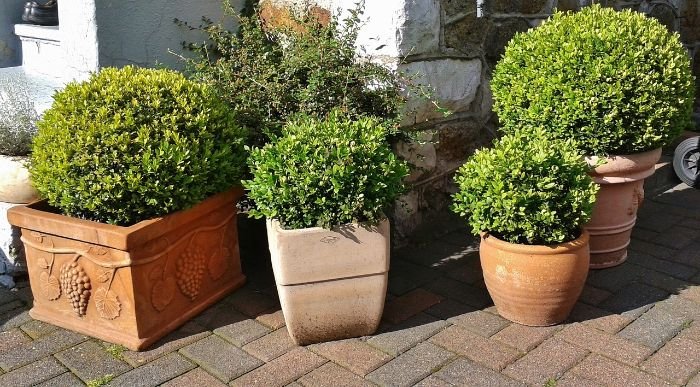
If it’s cold where you live, pick a boxwood that handles cold well, like the Korean boxwood. For warmer places, the Japanese boxwood (Buxus microphylla) is a good choice.
Choosing the right boxwood for your weather helps them grow well and last for a long time.
Selecting Boxwoods for Different Garden Styles
Boxwoods can work in many garden styles, from classic to modern. Pick boxwoods that fit your garden’s look. Here are some ideas:
- Formal Gardens – Perfect for formal spaces. They bring an orderly look and elegance. Use American or English boxwood for sharp hedges.
- Contemporary Gardens – If your garden is modern and minimal, go for boxwoods that are compact. Boxwood balls and cones are great for a trendy garden, making unique eye-catchers.
- Cottage Gardens – For a laid-back feel, choose boxwoods that are less dense. English boxwood fits in well. They mix nicely with the colorful flowers in these gardens.
Remember, with the right care, boxwoods can fit into many garden styles. Try various boxwoods and pruning styles to get the look you want.
Preparing for Planting
Before planting your boxwoods, it’s key to prepare well for their growth. We’ll show you the steps needed for them to thrive in their new spot.
Choosing the Ideal Location for Boxwoods
Choosing the right spot for your boxwoods is very important. They do well in partial shade to full sun areas. Pick a spot that gets four to six hours of sunlight a day. Also, make sure the spot has soil that drains well to avoid root rot.
Soil Preparation and pH Requirements
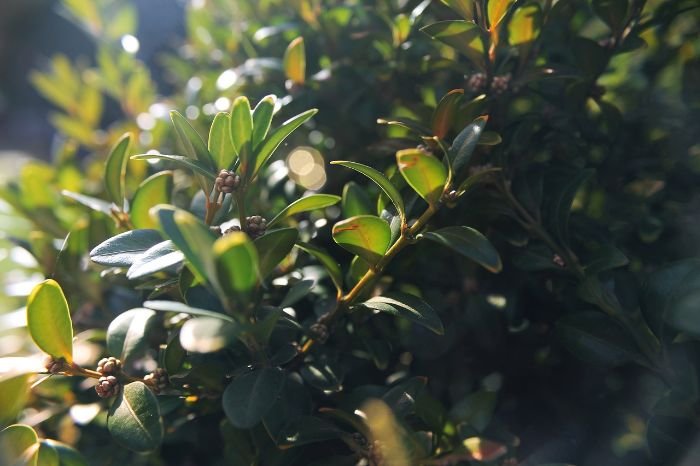
Getting the soil right is critical for your boxwoods. Test the soil’s pH with a kit or send a sample for testing. Boxwoods like a slightly acidic to neutral soil, with a pH of 6.0 to 7.5. To ensure optimal growing conditions, explore soil pH and plant selection for tips on testing and adjusting soil pH to match your plants’ needs. You might need to add organic matter or sulfur to the soil to get the pH where it should be.
Tools and Materials Needed for Planting
Get the tools and materials you need ready before planting. Here’s what you might need:
- Garden spade or shovel
- Garden rake
- Garden gloves
- Compost or organic matter
- Slow-release fertilizer
- Mulch
- Watering can or garden hose
Preparing well by choosing the right spot, tools, and materials ensures your boxwoods will do great. The next section will show you how to plant them step by step.
Planting Boxwoods
When you’re growing boxwoods, how and where you plant them is very important. This guide will show you the right way to plant them. It’ll help make sure your boxwood shrubs stay healthy and beautiful. Let’s get started!
Step-by-Step Planting Guide
1. First, get the root ball ready. Take the plant out of its pot carefully. Use your fingers to loosen the roots. This helps them spread out in the soil easily.
2. Then, dig a good hole for it. Make the hole wider but not too deep. The top of the root ball should be level with the ground.
3. Next, put the shrub in the hole. Make sure it stands up straight. Fill the hole with soil and tamp it gently around the roots.
4. Now, water the plant well. This settles the soil and gets rid of air pockets around the roots. Good watering is key to keeping the plant healthy.
5. Finally, cover the area with mulch. Leave space around the stem. Mulch helps keep the soil moist, stops weeds, and keeps the soil cool. Mulch is a good helper for your new plants.
Spacing and Depth Considerations
For boxwoods, you have to think about how far apart and how deep to plant them. Give them enough room to grow without getting too crowded.
Figuring out how far to space boxwoods changes with the type. But, for small to medium kinds, they should be 2 to 3 feet from each other. Bigger ones need 4 to 6 feet between them.
The top of the roots should be at the same level as the soil around it. Don’t plant too deep or too shallow. Too deep can make it wet and cause problems. Shallow planting means the roots can’t grow well.
Initial Watering and Mulching Tips
It’s crucial to water new boxwoods right. Water them well, soak the soil around them. Do this deep watering every 7-10 days, depending on the weather and soil.
Putting down mulch also helps a lot. It keeps the soil moist and the temperature even. Mulch stops weeds too, which is good for your boxwoods.
Following these tips will help your boxwoods grow strong and look great. Remember to space them right, plant them at the right depth, and water and mulch them properly.
Caring for Your Boxwoods
After planting your boxwoods, taking care of them is key to their health. This guide will show you how to water, fertilize, and prune your boxwoods. Following these steps will keep your plants looking their best.
Watering Requirements and Techniques
Boxwoods need proper watering for good health and growth. This is especially critical when it’s dry. To know if your boxwoods need water, stick a finger in the soil. If it’s dry an inch down, water them.
Give your boxwoods a deep soaking, not just a light sprinkle. This ensures the water goes to the roots, helping them grow strong. Don’t water too much though, as it can harm the roots. Find a balance to keep the soil moist, but not soaked.
Fertilizing Boxwoods for Optimal Growth
Fertilizing is important for boxwoods’ best growth. Use a slow-release, balanced fertilizer in the spring. It will provide nutrients all season. Pick a fertilizer made for evergreens or shrubs.
Follow the package directions for how much to use. Spread it evenly around the plants’ base, but not touching the leaves. Then, water well. This helps the nutrients get to the roots.
Pruning and Shaping Boxwoods
To keep your boxwoods the right size and shape, they need regular pruning. This should be done before new growth starts in the spring. For a detailed guide on pruning at the right time throughout the year, refer to this seasonal pruning guide for timing and techniques to ensure healthy plants.
Start by cutting off dead, damaged, or sick branches with clean shears. This makes the plant healthier. Then, trim any branches that are too close together. This lets more light in and air flow, which is good for the plant.
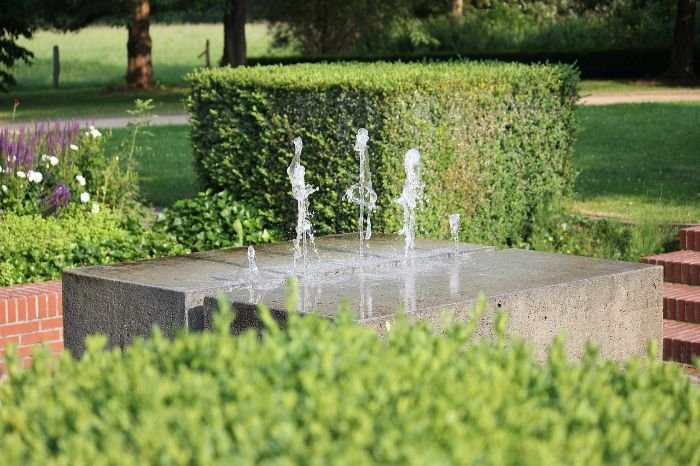
To shape your boxwoods, cut the outer branches. Use hand pruners or shears and make sure your cuts are neat. Avoid cutting too far back, and for detailed guidance, explore pruning boxwoods for shape and growth to maintain healthy, dense foliage. Old branches won’t grow back, and the plant may look ragged.
Don’t forget to stand back and check the plant’s shape as you prune. A little looking and adjusting as you go will make your boxwoods look great.
Managing Pests and Diseases
Boxwood plants can get pests and diseases, just like any other. It’s vital for gardeners to know how to handle them. We will share tips on how to spot and stop common boxwood pests.
Aphids, mites, and leafminers often harm boxwoods. Aphids suck the sap, making leaves twist and turn yellow. Mites leave a mess with leaf discoloration and webbing. Leafminers tunnel inside leaves, making them look bad.
Preventing and handling diseases is also key. Good care and health practices can lower disease chances. This includes regular pruning and keeping plants spaced well.
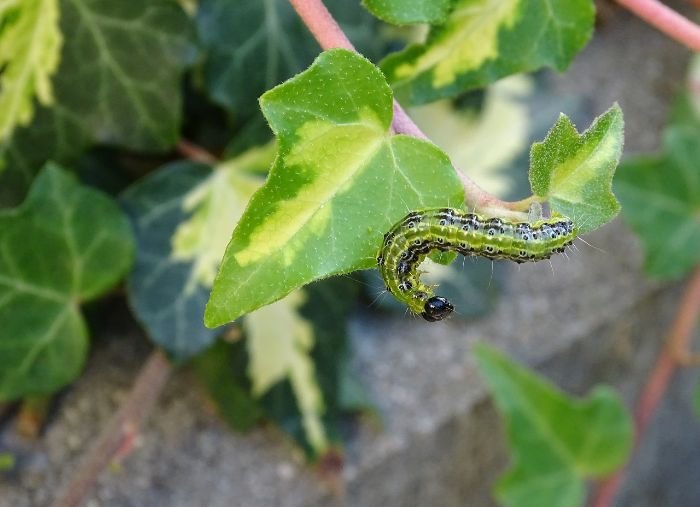
Gardeners can choose between organic and chemical means to control pests and diseases. Organic ways include using natural enemies or botanical sprays. Chemicals can also be used for a stronger effect.
Yet, chemcial methods can harm good bugs and the environment. Always follow instructions closely. And remember, think about bees and helpful wildlife when choosing how to fight pests.
By dealing with pests and diseases well, gardeners can keep their boxwoods beautiful and healthy.
Integrating Boxwoods into Your Garden Design
Boxwoods are very versatile shrubs. They are great for adding beauty and structure to gardens. By using boxwoods, you can make your outdoor space look amazing. We will look at different ways to add boxwoods to your garden.
Using Boxwoods as Hedges and Borders
Boxwoods are perfect for hedges and borders. They grow dense and stay small, making them great for borders or privacy. Whether you’re aiming for a classic hedge or a relaxed garden look, discover landscaping with boxwoods to explore both formal and informal design ideas. You can use them to frame walkways or features. This makes your garden look neat and cohesive.
Plant boxwoods in a straight line or shape them into curves. Keep them neat by trimming them. Mix different types of boxwoods for a more interesting look. This can add more layers to your garden’s design.
Creative Uses for Boxwoods in Garden Landscaping

There are many fun ways to use boxwoods in your garden. Here are some ideas:
- Make unique topiaries with boxwoods. You can shape them into animals, spirals, or pyramids. Put topiaries where they can stand out.
- Grow boxwoods in pots for your patio or balcony. Mix them with colorful plants in pretty pots. This will make your outdoor space more appealing.
- Put boxwoods along garden paths. They give paths structure. Add other plants to make the paths look inviting.
Companion Plants that Pair Well with Boxwoods
Choosing the right plants to go with boxwoods is important for a beautiful garden. Here are some good companions:
- Lavender looks great next to boxwoods. The purple flowers against the green leaves are very pretty.
- Roses and boxwoods are a classic mix. Choose roses that match the boxwoods in size and color.
- Japanese maples and boxwoods make a lovely pairing. Plant them together for a beautiful look.
- Hydrangeas and boxwoods are a nice contrast. Pick hydrangeas that suit your garden’s color scheme.
Using boxwoods well can turn your garden into a special place. For a comprehensive understanding of how to create a cohesive and balanced garden layout, explore these basic landscape design principles. You can use boxwoods for borders, in creative ways, or paired with complementary plants. This makes your garden reflect your taste and style. Get creative and enjoy making your garden welcoming and beautiful.
Seasonal Care Tips
Caring for boxwoods throughout the seasons is key to keeping them healthy. These seasonal care tips will help your boxwood shrubs thrive. From winter protection to boosting spring growth, and summer and fall care, your boxwoods will stay pretty all year.
Winter Protection for Boxwoods
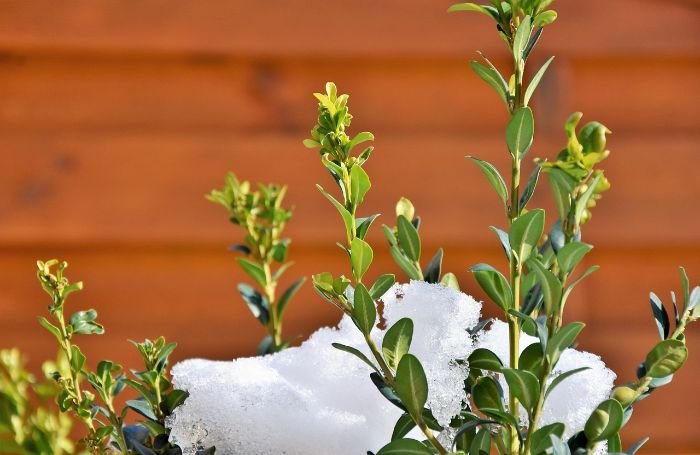
Boxwoods need care during winter to withstand cold and wind. You can wrap them in burlap or use anti-transpirant sprays to keep moisture in. Adding mulch around the plants keeps the roots warm and ensures they survive winter. This care protects your boxwoods in the colder months.
Preparing Boxwoods for Spring Growth
Spring means it’s time to get your boxwoods ready for new growth. Remove any dead or broken branches to keep the air flowing and stop the diseases from spreading. Pruning makes your shrubs look good and gets them ready for a new season. Don’t forget to give them food by fertilizing. This care starts your boxwoods off on the right foot for a healthy year.
Summer and Fall Maintenance Routines
Boxwoods need maintenance in summer and fall to stay in top shape. They enjoy regular watering, especially during dry weather, to avoid stress. Mulch helps keep moisture in and stops weeds. Keep an eye out for pests or diseases and treat them to keep your boxwoods strong. With these steps, your boxwoods will do well in warm weather and beyond.
Troubleshooting Common Issues
Just like people, boxwoods can have issues that affect their health. It’s key to know how to spot and fix these problems early. This guide will cover common boxwood troubles and their solutions. This way, you can keep your plants looking their best.
Addressing Yellowing Leaves and Poor Growth
Yellow leaves and slow growth are often linked problems for boxwoods. This might be due to not enough nutrients, water, or bugs.
To fix yellow leaves, test the soil’s acidity level. Make sure it’s between 6.0 and 7.0. Boxwoods like slightly acidic soil.
They need good sunlight too. Place them where they get partial shade with some light filtering through. Too little light can cause them to grow slowly and have yellow leaves.
Too much water can also make leaves turn yellow. Boxwoods like well-drained soil to avoid root issues. Keep the soil moist but not soggy and adjust how often you water them.
Pests like spider mites and aphids can also make leaves yellow and stunt growth. Check your plants often and treat any pest problems with safe methods.
Solutions for Overwatering and Underwatering
Both too much and too little water are big issues for boxwoods. Their roots can rot if they’re watered too often. If they don’t get enough water, they might wilt.
If you’ve been overwatering, let the soil dry out more between waterings. Also, ensure the soil can drain well. This stops water from sitting around the roots too long.
Underwatered boxwoods need more frequent deep watering. Adding a layer of mulch around them helps keep moisture in. This is essential to prevent dehydration.
Dealing with Environmental Stress
Bad weather and too much sun can stress boxwoods. Here’s how to lessen their impact:
- Wrap or shade boxwoods in hot weather to keep them cool.
- Protect them from cold wind and frost in the winter.
- Choose planting spots that naturally offer some protection.
- Water more during dry spells to maintain their health.
Following these steps and keeping an eye on your plants can help them weather any storm. Knowing how to deal with these issues is crucial for a lovely garden with healthy boxwoods.
Conclusion – Successfully Growing Boxwoods
We’ve learned a lot about growing boxwoods in this article. You now know how to pick and plant the right ones. This will help you make a great home for these plants.
We’ve talked a lot about boxwoods, from why they’re so loved to picking the best kind. Now, you can use them to make your yard look amazing. Just choose the type that fits your weather and garden style.
To start boxwoods off right, pick the best spot and get the soil ready. Use our planting tips to help them grow strong. Don’t forget about the right amount of space, water, and mulch.
Taking care of boxwoods means giving them enough water and food. Also, keep them in good shape. Know about bugs and diseases. This will help you keep your plants happy and healthy.
Boxwoods are great for all sorts of garden designs. You can use them for borders and shapes. Or try them out in pots and as main features. Adding other plants that go well with boxwoods makes everything look even better.
Remember, caring for boxwoods changes with the seasons. Make sure they stay healthy all year. Treat them right in winter, spring, summer, and fall.
Use what you’ve learned here to grow beautiful boxwoods. They will add beauty to your garden. Enjoy making your outdoor spaces more elegant with these tips.
FAQ
Why are boxwoods popular in gardens?
Boxwoods are loved in gardens for three reasons. They look good, need little work, and fit in many designs.
What are the different boxwood varieties available?
Many types of boxwoods are out there. They vary in size, shape, and color.
How do I select the right boxwood variety?
Choosing the right boxwood means looking at its size, speed of growth, and color. Think about your garden’s climate and style too.
How do I manage pests and diseases in boxwoods?
Handle pests by knowing what they are and how to get rid of them. Prevent and treat diseases. Use safe methods, either natural or chemical.
How can I incorporate boxwoods effectively into garden design?
Use boxwoods for borders, hedges, or as centerpieces. They go well with other plants for a unified garden look.
What are the seasonal care tips for boxwoods?
Care for boxwoods changes with the seasons. Protect them in winter and get them ready for spring. Keep up with watering and mulching all year.