

Last Updated June 04, 2026
Oleander earns its place in hot-climate landscapes because it flowers through heat, keeps evergreen structure, tolerates drought after establishment, and can screen a view quickly. The same shrub also carries one of the clearest safety warnings in ornamental gardening: every part of oleander should be treated as poisonous.
That tension is the real decision. Oleander can be useful in the right site. It can also be the wrong plant for a yard with browsing pets, young children, livestock access, or frequent pruning debris. The safest design choice begins with exposure risk, then moves to flower color, hedge shape, and care.
Use oleander only where its beauty can be managed without casual contact, edible confusion, burned cuttings, or dropped leaves in play and feeding areas. In the right place, it works as a heat-tolerant screen. In the wrong place, a safer flowering shrub is the better garden decision.
Key Takeaways
- Oleander is highly toxic to people, pets, horses, and grazing animals if plant material is eaten
- Leaves, flowers, stems, twigs, seed pods, sap, dried debris, and smoke from burning cuttings all need caution
- Good oleander sites are sunny, warm, well drained, and away from children, pet runs, vegetable beds, and livestock
- Use oleander for screens, hedges, hot borders, coastal planting, and containers only when maintenance access is controlled
- Bag prunings, wash after handling, avoid burning, and call poison control or a veterinarian after any suspected ingestion
Table of Contents
Start With Oleander Safety Before Garden Placement
Oleander selection should begin with who uses the garden. A back boundary in a dry, sunny, adult-managed landscape is very different from a patio where a toddler drops toys, a dog chews sticks, or horses can reach through a fence. The plant has the same flowers in both places. The risk changes with access.
| Garden Situation | Oleander Fit | Use It If | Choose Another Plant If |
|---|---|---|---|
| Back boundary screen | Good fit with controlled access | The bed is away from pets, children, edible crops, and livestock | Leaves can fall into a neighbor’s animal area |
| Front entry or walkway | Risky fit | Visitors do not brush the plant and pruning is controlled | Children, pets, or delivery paths pass through the branches |
| Pool or patio hedge | Conditional fit | Debris can be cleaned safely and no one clips flowers for table use | Leaves or flowers fall into eating, drinking, or play spaces |
| Pet yard | Poor fit | The area is fully separated from animals | Dogs, cats, rabbits, goats, or horses can chew leaves or sticks |
| Coastal, hot, exposed border | Good fit with controlled access | The site needs salt, wind, heat, and drought tolerance | Storm cleanup would scatter toxic debris into public or animal areas |
The same site-first thinking used for plant selection matters more with oleander because a mismatched shrub creates a safety problem, not only a weak planting. If the user group is unpredictable, choose a lower-risk screen before choosing a flower color.
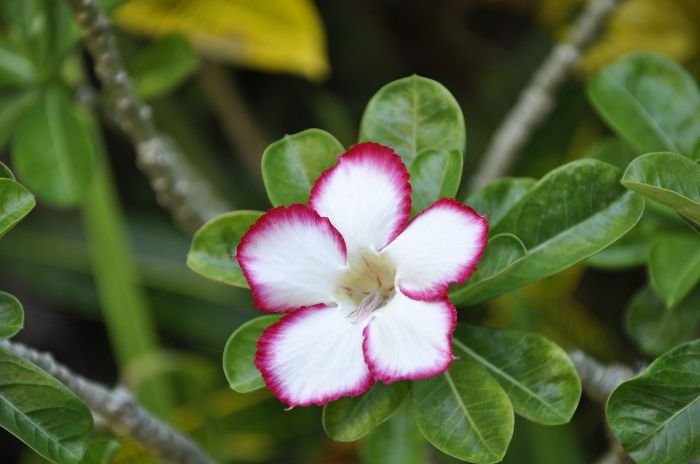
Oleander Basics For Home Landscapes
Oleander, Nerium oleander, is an evergreen shrub or small tree grown in warm regions for long bloom, narrow leathery leaves, and fast screening. It is most common in USDA Zones 8 to 11, where winters are mild enough to keep the framework alive. In colder areas, gardeners sometimes grow dwarf oleanders in large containers and move them under protection for winter.
Mature size depends on cultivar and climate. Dwarf forms may stay near 3 to 5 feet. Larger selections can reach 10 to 20 feet tall and become broad screening shrubs. That size range is one reason oleander appears along roadsides, walls, utility edges, and exposed coastal landscapes in warm regions.
| Oleander Size Type | Typical Use | Garden Risk | Selection Rule |
|---|---|---|---|
| Dwarf oleander | Large containers, smaller screens, warm patios | Still poisonous, still needs controlled access | Use where full-size oleander would require frequent pruning |
| Standard shrub oleander | Privacy screens, back boundaries, coastal borders | Can become too wide for paths and entries | Allow mature width before planting |
| Tree-form oleander | Warm-climate accent or screening tree | Dropped leaves, pods, and pruning debris still matter | Use only where cleanup can be controlled below the canopy |
Oleander likes full sun, heat, and well-drained soil. It tolerates dry periods after roots establish and handles salt spray better than many flowering shrubs. Those strengths make it useful where softer shrubs collapse under reflected heat, wind, or lean soil. Drought-tolerant plants still need establishment water, and oleander follows that rule during its first seasons.
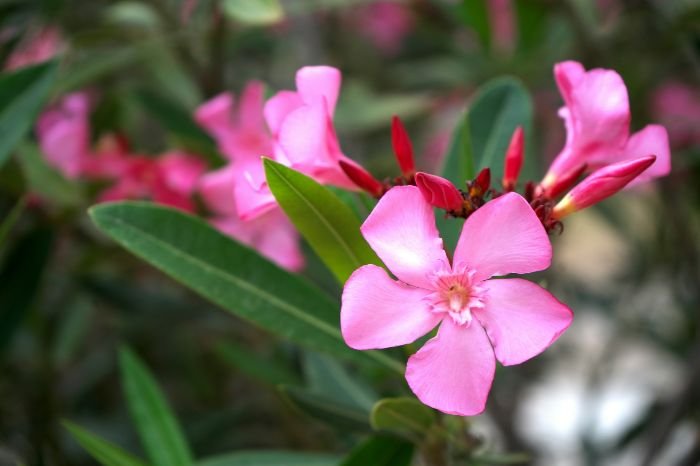
The flowers appear in clusters and may be white, pink, red, coral, salmon, yellow, or pale cream depending on the variety. Some have fragrance. Single-flowered forms often shed cleaner than heavy double forms, which can hold spent petals longer and need more cleanup near hard surfaces.
What Makes Oleander Toxic
Oleander contains cardiac glycosides, including oleandrin and related compounds, that can affect heart rhythm after ingestion. The risk is not limited to one dramatic part of the plant. Leaves, flowers, stems, twigs, seed pods, roots, sap, and dried material all deserve the same poisonous-plant handling rule.
Suspected ingestion is an emergency. Human exposure should be handled through emergency services or poison control, and animal exposure should go through a veterinarian or animal poison control center. For human poisoning guidance, oleander poisoning can involve the heart, stomach, nervous system, and skin, and fast medical help improves the chance of recovery.
| Plant Material Or Exposure | Risk | Safe Garden Rule |
|---|---|---|
| Leaves and flowers | Poisonous if eaten, fresh or dried | Keep out of play zones, pet yards, grazing areas, and cut-flower use |
| Stems and twigs | Chewing or using as skewers is dangerous | Do not leave prunings where animals or children can pick them up |
| Sap | Can irritate skin and eyes in sensitive people | Wear gloves, long sleeves, and eye protection during pruning |
| Dried debris | Still unsafe after drying | Bag and discard under local yard-waste rules |
| Smoke from burning | Can carry toxic irritants | Never burn oleander branches, leaves, or stumps |
The safest oleander rule is simple: no part goes in the mouth, in a vase, in compost for edible beds, in animal bedding, or into a burn pile. That rule is easier to teach than a complicated list of plant parts.
What To Do After Suspected Oleander Exposure
| Exposure Situation | Action | Do Not Do |
|---|---|---|
| Person may have eaten oleander | Call local emergency services or poison control immediately | Do not wait for symptoms or try home treatment |
| Child chewed a leaf, flower, stem, or pod | Contact poison control or emergency services and identify the plant as oleander | Do not assume a small amount is harmless |
| Dog, cat, horse, goat, rabbit, or livestock may have eaten oleander | Contact a veterinarian or animal poison control service immediately | Do not leave plant debris available before help arrives |
| Sap touched skin or eyes | Wash exposed skin and seek medical advice if irritation develops or sap enters the eyes | Do not keep pruning without washing tools and hands |
| Smoke from oleander was inhaled | Move away from the smoke and seek medical advice if breathing, throat, or eye irritation occurs | Do not burn more material to clear the pile |
Do Not Use Oleander For Home Remedies Or Tea
Oleander should not be treated as a home-remedy plant. Traditional or experimental use does not make the shrub safe for tea, extracts, poultices, supplements, cooking, or self-treatment. The same cardiac glycosides that make ingestion dangerous are the reason oleander belongs outside edible and medicinal home use.
Safe Placement Rules For Yards, Pets, And Children
Oleander placement should reduce curiosity, reach, and debris movement. Plant it where people admire it from a path, driveway, or window, not where they sit against it, brush past it, or trim it every few weeks. Clearance matters because mature oleander can grow wider than a nursery tag suggests.
Avoid oleander beside vegetable beds, herb gardens, berry rows, chicken runs, rabbit hutches, goat pens, horse fences, dog runs, sandboxes, school gardens, and children’s sensory gardens. The plant is too easy to confuse with harmless green waste after pruning, and dropped leaves can move farther than expected in wind.
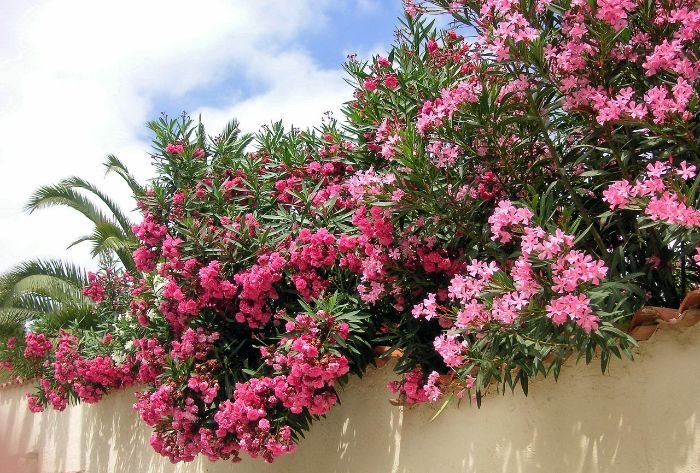
Pet risk needs a stricter rule than ordinary ornamental caution. Oleander is toxic to dogs, cats, and horses, so fallen leaves, snapped twigs, seed pods, and pruning piles should be kept out of any animal route, shelter, or feeding area.
In a pet household, the safest choice is usually no oleander in accessible areas. Some animals ignore the shrub for years. That history does not protect a new puppy, bored dog, grazing animal, storm-scattered branch, or curious pet that chews dried sticks. A fenced ornamental bed can reduce access, and the gate, fallen debris, and cleanup routine all need to match the risk.
Public sidewalks, property lines, and neighboring animal areas need extra thought. Branches should stay within the property, seed pods and clippings should be managed, and the shrub should not force pedestrians, pets, horses, goats, or other animals to brush or reach foliage. Hedges used for wind and privacy need width as well as height; the same planning logic behind garden hedges as wind barriers applies to oleander screens.
Garden Uses That Fit Oleander Best
The best garden role for oleander is background structure, color, and screening from a managed distance. The plant’s tolerance for heat, salt, wind, reflected light, and dry soil makes it useful in places where many flowering shrubs need too much water or shade.
| Garden Use | Why Oleander Fits | Safety Detail | Design Note |
|---|---|---|---|
| Privacy screen | Fast evergreen growth and dense stems | Keep it away from animal fences and play areas | Choose a size that will not need constant hard pruning |
| Hot driveway border | Tolerates reflected heat and dry air | Leave room so doors and people do not brush branches | Use lower plants at the front for a softer edge |
| Coastal garden | Handles salt spray and wind exposure | Plan storm cleanup before planting near public access | Pair with other coastal garden plants that tolerate dry, salty conditions |
| Large container | Dwarf types can give summer bloom in cold regions | Overwinter away from pets and children | Use a heavy pot, drainage, and full sun |
| Back of a mixed border | Evergreen leaves and long flowering season | Do not mix prunings with edible garden waste | Place it behind lower shrubs, grasses, or hardscape edges |
Interactive gardens need a different plant. Do not use oleander in sensory plantings, school gardens, edible landscapes, pet-friendly patios, or narrow paths where touch is unavoidable. A plant can be beautiful and still belong outside the main daily-use zone.
Care Basics That Keep Oleander Controlled
Good oleander care keeps the shrub healthy and reduces messy, risky cleanup. Plant in full sun with drainage that does not leave roots sitting in water. Water deeply during establishment, then reduce frequency as the root system expands. Established shrubs tolerate dry spells, especially in mild winter and hot summer regions.
Soil does not need to be rich. Overfeeding can create long, soft growth that needs more pruning and takes up more space. A modest spring feeding may help container plants or shrubs in poor soil. In-ground plants that grow and bloom well usually do not need frequent fertilizer.
Pruning should keep oleander within its planned size, remove winter damage, and prevent branches from crossing paths or fences. Light shaping after flowering is easier than cutting an oversized shrub back hard. Late-season pruning can leave tender growth exposed to cold and can reduce the next bloom cycle in some climates. Seasonal pruning timing should match weather, regrowth, and bloom response, especially when oleander is being kept within a planned screen size.
Containers need more attention than in-ground shrubs. Use a large pot with drainage, keep the plant in strong light, and water before the root ball becomes fully dry in summer. The sunlight pattern behind container gardening sunlight matters because potted oleander can overheat against walls and paving.
In warm regions, watch for oleander caterpillar, scale, and sooty mold, especially when dense hedges reduce airflow and make inspection difficult.
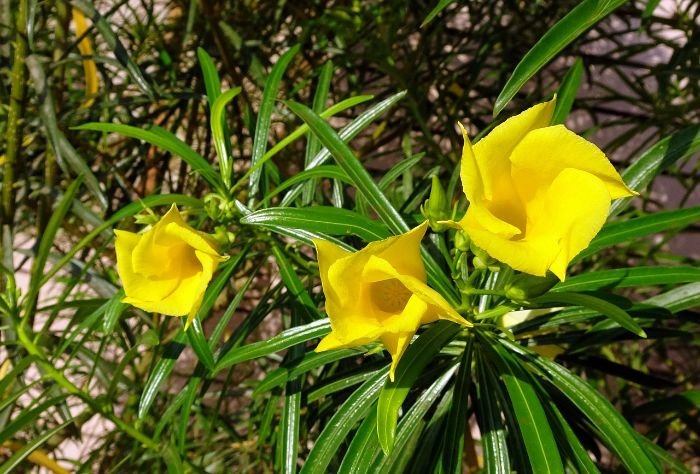
Handling, Pruning, And Disposal Precautions
Oleander maintenance should feel more like handling a hazardous plant than trimming a casual flowering hedge. Wear gloves, long sleeves, and eye protection. Keep hands away from the face during pruning. Wash hands, tools, and exposed skin afterward. Store pruners and gloves away from children after use.
Oleander prunings and dead leaves should be discarded and kept away from animal feed. Branches should stay out of BBQ fires, fire pits, cooking skewers, and craft use because smoke and plant contact can create avoidable exposure.
| Task | Precaution | Mistake To Avoid |
|---|---|---|
| Pruning | Wear gloves, sleeves, and eye protection | Snapping stems by hand and getting sap on skin or eyes |
| Cleanup | Collect leaves, stems, and flowers before animals reach them | Leaving dried sticks in lawns, paths, or pet areas |
| Disposal | Bag debris and follow local waste rules | Adding oleander to compost used on edible beds |
| Fire safety | Keep branches out of burn piles and fire pits | Burning cuttings or using branches as cooking skewers |
| Communication | Tell family, visitors, and garden workers what the plant is | Letting an unlabeled toxic shrub become casual green waste |
Do not chip oleander and spread it as mulch around edible crops, animal shelters, or children’s play spaces. Do not use oleander stems for crafts, stakes, plant labels, cooking skewers, or firewood. The easiest safe disposal plan is to cut, bag, label if needed, and remove the debris from the property routine that handles edible or pet-area materials.
Better Alternatives When Oleander Is Too Risky
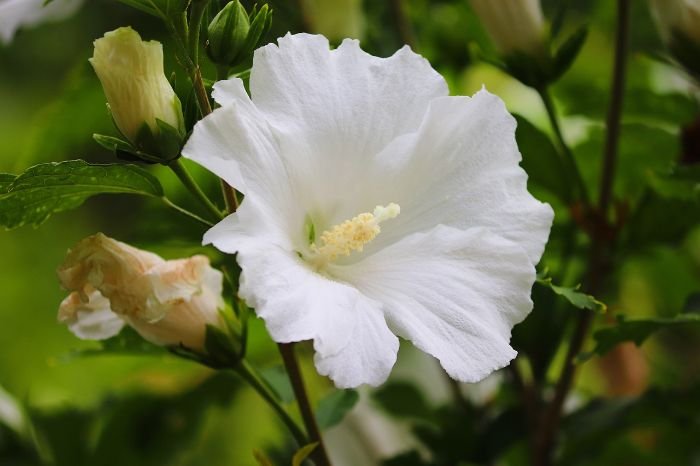
The right alternative depends on why oleander appealed in the first place. Some gardeners need evergreen screening. Others want heat-tolerant flowers, coastal resilience, or a drought-tolerant hedge. Match the replacement to the job, then check local toxicity, invasiveness, and climate fit before planting.
| Oleander Trait You Wanted | Potentially Lower-Risk Direction To Consider | Best Use | Check Before Buying |
|---|---|---|---|
| Evergreen screen | Wax myrtle, podocarpus, viburnum, or pittosporum where adapted | Privacy, wind filtering, property edges | Regional hardiness, mature width, and pet safety |
| Showy summer flowers | Hibiscus, rose mallow, crape myrtle, or abelia | Patios, borders, front yards | Winter survival and local pest pressure |
| Drought-tolerant color | Texas sage, lantana where noninvasive, salvia, or rosemary | Hot, dry beds with pollinator value | Local invasive status and animal access |
| Coastal toughness | Wax myrtle, yaupon holly, bottlebrush, or native coastal shrubs | Salt spray, wind, sandy soils | Salt tolerance, pruning needs, and mature size |
Lower-risk does not mean universally safe. Regional invasiveness, pet toxicity, thorns, fruit drop, and mature size still need checking before replacement planting.
Replacing oleander does not have to mean losing structure. A mixed screen can combine evergreen shrubs, flowering shrubs, ornamental grasses, and a fence or wall. That approach reduces the pressure on one risky plant to solve every design problem.
Conclusion
Oleander is beautiful because it performs where many shrubs struggle: heat, sun, drought, salt spray, and exposed boundaries. Its evergreen leaves and long flower season make it tempting for screens, borders, and containers.
The safety decision comes first. Plant oleander only where children, pets, livestock, visitors, and garden workers are protected from ingestion, pruning debris, and smoke from burned material. Keep it out of edible gardens, play areas, pet runs, and any place where leaves or stems can become casual waste.
If the site can handle those rules, oleander can be a tough flowering shrub with real landscape value. If the rules feel difficult to maintain, choose a safer screen or flowering shrub and let the garden be easier to live with.
Frequently Asked Questions
Is Oleander Safe To Grow At Home?
Oleander can be grown at home only when access is controlled. It is a poor choice for yards with young children, browsing pets, livestock, or casual pruning debris. Treat every part of the plant as poisonous.
Which Part Of Oleander Is Poisonous?
Leaves, flowers, stems, twigs, roots, seed pods, sap, and dried debris should all be treated as poisonous. Smoke from burning oleander cuttings is also unsafe.
Can Dogs Or Cats Be Around Oleander?
Dogs and cats should not have access to oleander. If a pet chews or eats any part of the plant, contact a veterinarian or animal poison control service as soon as possible.
Can Oleander Clippings Go In Compost?
Do not add oleander clippings to compost used around edible gardens, pet areas, or children’s spaces. Bag the debris and follow local disposal rules.
Does Oleander Need Much Water?
During establishment, oleander needs regular water. Mature in-ground plants tolerate dry periods better than many flowering shrubs, especially in warm climates with well-drained soil.
What Is Oleander Best Used For In A Garden?
Use oleander as a managed background screen, hedge, hot-border shrub, coastal planting, or large container plant in places where people and animals cannot chew or casually handle the plant.