




Azaleas demand precise soil acidity to develop healthy roots, sustain nutrient uptake, and produce vigorous blooms. Soil pH directly controls the availability of iron, phosphorus, and other micronutrients critical for their metabolic function. Inadequate acidity leads to chlorosis, reduced flowering, and stunted growth. Success with azaleas in home landscapes depends on accurate soil testing, methodical amendment, and consistent pH management throughout the plant’s life cycle.
Key Takeaways:
- Azaleas require acidic soil with a pH between 4.5 and 6.0 for optimal nutrient absorption and flowering.
- Soil pH influences iron, phosphorus, and micronutrient availability, directly affecting plant vigor and bloom quality.
- Amending soil with peat moss, composted pine bark, or elemental sulfur is effective for lowering pH and improving texture.
- Consistent monitoring, periodic reapplication of amendments, and appropriate irrigation methods maintain favorable acidity over time.
- Improper soil pH results in nutrient deficiencies, visible leaf discoloration, poor growth, and increased susceptibility to disease.
Table of Contents
Soil pH, Nutrient Uptake, and Physiological Response in Azaleas
Soil acidity exerts direct control over the metabolic pathways and visible growth of azaleas. pH values in the optimal range regulate the solubility of key minerals, shape microbial communities, and determine the success of the plant’s adaptive strategies. Understanding these interactions allows for precise diagnosis and intervention at every stage of azalea development.
Role of Soil pH in Nutrient Availability
Azaleas require a pH range between 4.5 and 6.0 to access iron, manganese, phosphorus, and other essential elements in ionic forms that roots can absorb. Above this range, iron and manganese become insoluble, resulting in visible chlorosis and reduced photosynthetic capacity. Below pH 4.5, the risk of aluminum toxicity increases, disrupting root cell division and water uptake. Each shift outside the optimal window creates measurable imbalances in nutrient transport and metabolic activity.
Mechanisms of Iron Uptake and Chlorosis Prevention
Iron uptake in azaleas depends on both pH-sensitive solubility and the activity of root-associated chelators. In acidic soil, iron remains available as Fe²⁺ ions, which are efficiently absorbed and mobilized within leaf tissues. When pH rises above 6.0, iron converts to insoluble forms, leading to interveinal yellowing (chlorosis) on young leaves. Prolonged deficiency results in poor bud set, limited flower production, and increased vulnerability to opportunistic pathogens.
Soil pH and Iron Availability in Azaleas
| Soil pH | Iron Form | Leaf Chlorosis Risk | Nutrient Uptake Efficiency |
|---|---|---|---|
| 4.5–6.0 | Fe²⁺, soluble | Low | High |
| 6.1–7.0 | Fe³⁺, insoluble | High | Low |
| >7.0 | Fe³⁺, locked | Very High | Very Low |
Microbial Activity and Soil Health in Acidic Conditions
Beneficial fungi and bacteria adapt to acidic soils, supporting azalea health through mycorrhizal associations and organic matter decomposition. Symbiotic mycorrhizal fungi increase the root’s absorption surface and facilitate access to phosphorus and micronutrients. Acidic conditions suppress pathogenic soil organisms, reducing the incidence of root rot and nutrient antagonism. However, extreme acidity can limit microbial diversity, requiring precise amendment and monitoring.
Control of soil pH underpins every aspect of azalea nutrition, growth, and flowering. Consistent management within the ideal range maximizes nutrient efficiency, mitigates disease risk, and produces resilient, high-performing plants.
Soil Preparation Strategies for Azaleas – Testing, Amendment, and Structure
Thorough soil preparation sets the trajectory for azalea vigor and bloom density. Accurate pH assessment, physical amendment, and structural refinement each play a direct role in establishing an environment where azaleas can anchor, feed, and persist through variable climate conditions. Effective preparation blends analytical testing with context-specific interventions.
Soil pH Testing – Methods and Interpretation
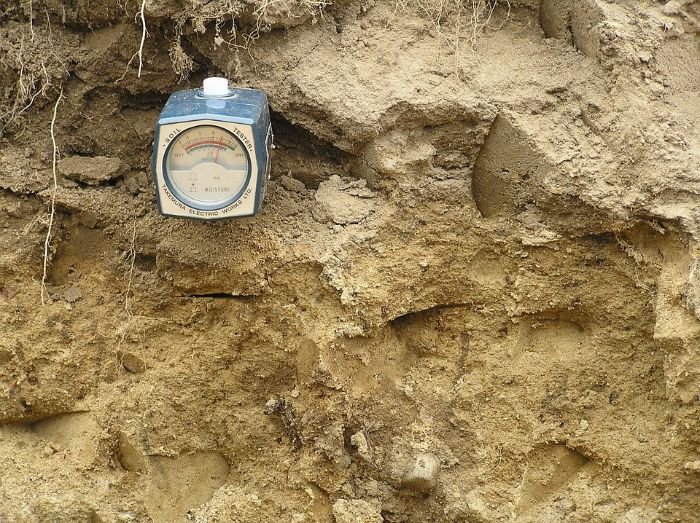
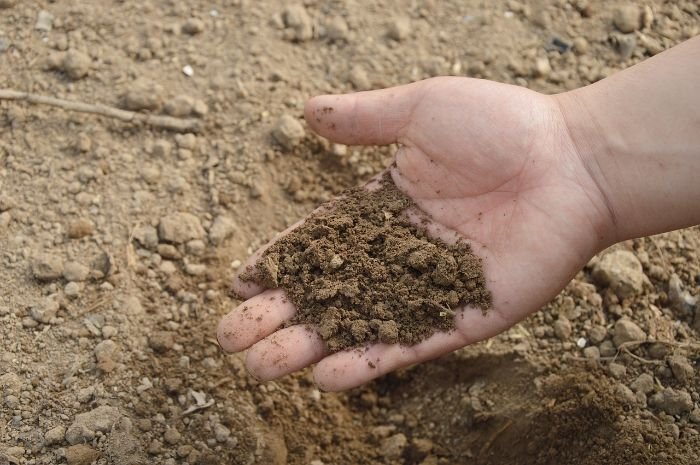
Precision in soil management begins with reliable pH measurement. Laboratory analysis delivers the most detailed mineral profile, but high-quality digital meters or fresh chemical test kits provide sufficient accuracy for most residential gardens. Sampling should occur at multiple depths and locations across the intended planting area. A representative mean pH below 6.0 signals favorable conditions; values above this threshold require corrective action before planting.
Amending Soil Acidity – Material Selection and Incorporation
Modifying soil pH for azaleas relies on integrating acidifying amendments. Peat moss and finely shredded pine bark lower pH while improving organic matter and drainage. Elemental sulfur, when applied in granular form and evenly mixed, achieves controlled acidification through microbial conversion to sulfuric acid. Application rates depend on soil type and baseline pH. Heavy clay soils demand higher sulfur doses and repeated tilling, while sandy soils respond rapidly but require closer monitoring to prevent over-acidification.
Acidifying Amendments and Their Application Parameters
| Amendment | pH Impact | Typical Rate (per 100 sq ft) | Soil Type Sensitivity | Additional Benefits |
|---|---|---|---|---|
| Peat moss | Moderate | 2–4 inches incorporated | Universal | Enhances structure, moisture |
| Pine bark | Moderate | 2–3 inches mixed in | Universal | Boosts microbial activity |
| Elemental sulfur | Strong | 1–3 lbs (based on soil test) | Higher in clay soils | Sustained acidification |
| Iron sulfate | Moderate | 4–6 lbs | Faster in sandy soils | Adds iron, rapid pH shift |
Enhancing Structure and Drainage
Azaleas require soil with high porosity, moderate water retention, and minimal compaction. Amending heavy soils with coarse sand, leaf mold, or decomposed organic matter prevents waterlogging and root suffocation. Raised beds with customized blends of acidic organic material and native soil offer optimal aeration and drainage, especially in regions with dense or alkaline subsoils.
Meticulous soil preparation before planting azaleas determines both initial establishment and the plant’s long-term resilience. Analytical testing, tailored amendment, and physical improvement of site structure form the basis of sustained health and consistent flowering.
Managing and Maintaining Soil Acidity for Azalea Longevity
Long-term success with azaleas requires ongoing attention to soil chemistry and maintenance practices that prevent pH drift. Environmental factors, irrigation water, and biological processes can gradually neutralize soil acidity, necessitating a strategic approach to monitoring and periodic amendment. Sustaining optimal conditions preserves nutrient availability, supports robust growth, and minimizes physiological stress.
Monitoring Soil pH Over Time
Annual or semi-annual pH testing provides early detection of undesirable shifts. Sampling should occur at root depth and in areas exposed to irrigation runoff or fertilizer applications, as these locations are most susceptible to change. Immediate retesting is warranted if azaleas exhibit chlorosis, stunted growth, or abnormal flowering, as these symptoms often reflect altered soil pH.
Reapplying Amendments and Adjusting Practices
Organic mulches such as pine needles or leaf litter slowly acidify the soil as they decompose. Replenishing mulch annually maintains this effect and protects soil structure. If pH rises above 6.0, granular sulfur or iron sulfate can be reapplied according to soil test results. Fertilizer selection also matters; products labeled for acid-loving plants contain ammonium-based nitrogen, which supports acidity without the risk of excess salts.

Maintenance Interventions for Sustaining Acidic Soil
| Maintenance Task | Timing | Expected Outcome |
|---|---|---|
| Soil pH testing | 1–2 times/year | Early identification of pH drift |
| Mulch replenishment | Spring/Fall | Ongoing acidification, weed control |
| Sulfur/iron sulfate | As needed | Rapid correction of rising pH |
| Acidic fertilizer use | Growing season | Consistent nutrient delivery |
Watering, Drainage, and Environmental Control
Irrigation with alkaline tap water or repeated overwatering can reduce soil acidity. Using collected rainwater or acidified irrigation solutions maintains target pH while reducing sodium and carbonate buildup. Site grading and organic matter integration prevent puddling and ensure roots remain in oxygen-rich environments. These practices also discourage root rot and suppress soil-borne pathogens.
Sustaining acidic soil for azaleas requires systematic monitoring, strategic amendment, and adaptive management of both cultural and environmental variables. Routine attention to these factors underpins continued plant health and maximizes ornamental value through every growing season.
Troubleshooting Soil Acidity and Addressing Growth Problems in Azaleas
Effective intervention begins with accurate identification of symptoms linked to pH imbalance or suboptimal soil structure. Azaleas respond predictably to deviations in acidity, making it possible to diagnose problems and restore plant health through targeted remediation. Strategic adjustment and consistent observation support recovery and sustained performance.
Recognizing Symptoms of Soil pH Imbalance
Chlorosis appears as iron-deficient, pale leaves. This symptom develops when leaf tissue turns yellow but the veins remain green. The pattern often indicates soil pH above 6.0, which restricts iron uptake. Additional signs include poor bud set, weak flowering, stunted shoots, and increased pest or disease incidence. Severe pH deviation may cause leaf tip burn, marginal browning, or premature leaf drop. Careful examination of multiple plants across the planting area helps distinguish soil-related stress from localized injury or pest activity.
Corrective Measures for High or Low Soil pH
When soil pH rises above the optimal range, incorporate elemental sulfur or iron sulfate according to current test data. For localized issues, deep watering with rainwater and application of acidifying mulch restores favorable conditions. If the pH drops below 4.5, sparing use of finely ground agricultural lime increases pH gradually without harming root systems. Frequent, shallow lime application is safer than a single high dose, especially in organic-rich soils.
Diagnostic Symptoms and Targeted Solutions
| Symptom | Likely Cause | Remediation Approach |
|---|---|---|
| Leaf chlorosis | High pH, iron lockup | Add sulfur, switch to acidic fertilizer |
| Poor flowering | Nutrient unavailability | Test pH, adjust with peat or sulfur |
| Leaf tip burn | Excess acidity, fertilizer | Light lime application, flush salts |
| Slow growth, stunting | Root stress, pH drift | Improve drainage, retest, amend |
Preventive Strategies for Long-Term Stability
Preventing recurrence relies on regular soil analysis, rotational use of acidifying mulch, and irrigation management. Avoiding excess fertilizer, monitoring rainfall patterns, and maintaining even soil moisture levels discourage pH drift and secondary nutrient imbalances. Selecting companion plants with similar soil needs further stabilizes site chemistry and reduces resource competition.
Timely diagnosis and targeted correction of soil acidity issues preserve the health, flowering, and longevity of azaleas. Continuous observation and adaptive care enable gardeners to prevent recurrence and secure consistent ornamental results year after year.
Selecting and Integrating Acid-Loving Companion Plants
Azaleas reach their full ornamental value when paired with species that thrive under similar acidic conditions. The choice of companion plants impacts both aesthetic harmony and long-term soil stability. Well-selected associates prevent competition for nutrients and moisture, foster biodiversity, and create resilient, visually unified plant communities.
Criteria for Companion Plant Selection
Companion species should tolerate or prefer acidic soil within the same pH range as azaleas. Plants that compete poorly under neutral or alkaline conditions, or that require frequent liming, are unsuitable for shared beds. Selecting plants with staggered bloom times, contrasting foliage, and varied mature sizes generates sustained seasonal interest and visual depth.
Common Acid-Loving Companions for Azaleas
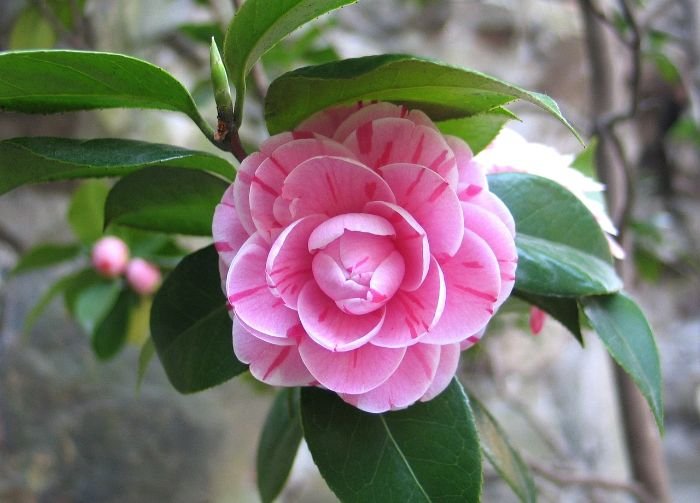
Camellias, rhododendrons, and hollies prosper in similar acidic, well-drained soils and develop overlapping root zones without outcompeting azaleas. Ferns and shade-tolerant perennials such as bleeding heart (Dicentra) or Japanese forest grass (Hakonechloa) extend texture and color into shadier sections of the bed. Using evergreen groundcovers like moss or pachysandra maintains soil moisture and suppresses weeds, improving the overall planting environment.
Impact on Soil Health and Biodiversity
A diverse, acid-adapted plant palette promotes a robust soil ecosystem by supporting a broad spectrum of beneficial microbes and minimizing nutrient depletion. Layered canopies and mixed root systems reduce erosion and buffer pH changes over time. Introducing native species enhances pollinator activity and builds ecological resilience throughout the garden.
Integrating acid-loving companion plants with azaleas enriches the garden’s structure and ecological function. Thoughtful selection, spacing, and care support a dynamic, healthy landscape that thrives across seasons.
Conclusion – Cultivating Healthy Azaleas
Successful cultivation of azaleas depends on maintaining acidic, nutrient-available soil tailored to the species’ physiological demands. Consistent monitoring, precise pH management, and careful selection of soil amendments enable robust growth, sustained flowering, and resistance to common disorders. Integrating compatible companion plants not only enhances ornamental value but also stabilizes the soil environment and strengthens the garden’s overall health. Informed, adaptive care ensures that azaleas remain a durable and vivid presence in both home and professional landscapes.
FAQ
What soil pH range is optimal for azalea growth and flowering?
Azaleas require soil with a pH between 4.5 and 6.0. Maintaining pH within this range maximizes the bioavailability of iron and phosphorus, supports active root function, and produces stronger blooms. Regular testing ensures the pH does not drift beyond this window.
How can I safely lower the pH of alkaline or neutral soil before planting azaleas?
Lower soil pH by incorporating acidifying amendments such as peat moss, composted pine bark, or elemental sulfur. Elemental sulfur is particularly effective on heavy soils but requires accurate rate calculation and even distribution. Amending well in advance of planting allows the pH to stabilize for optimal azalea health.
Why do azalea leaves turn yellow while veins remain green, and how can this be corrected?
This pattern, known as interveinal chlorosis, signals iron deficiency due to elevated soil pH. To correct it, lower the pH using sulfur or iron sulfate, apply a fertilizer formulated for acid-loving plants, and irrigate with rainwater or acidified water if possible.
How does the choice of mulch affect soil acidity and moisture for azaleas?
Acidic mulches such as pine needles or oak leaf litter gradually lower pH and conserve soil moisture. They also moderate soil temperature, reduce weed pressure, and support beneficial microbial activity. Renew mulch layers annually to sustain these effects.
What irrigation practices help maintain soil acidity for azaleas?
Use rainwater whenever possible, as most municipal tap water is alkaline and can raise soil pH over time. Avoid overwatering and ensure proper drainage to prevent nutrient leaching and root stress. In areas with hard water, acidifying irrigation solutions may be necessary.
Which companion plants reliably share acidic soil with azaleas without causing resource competition?
Suitable companions include camellias, rhododendrons, hollies, certain ferns, and shade-tolerant groundcovers like pachysandra. These plants tolerate the same pH range and do not outcompete azaleas for nutrients or water.
How frequently should soil amendments or acidifiers be reapplied in established azalea beds?
Reapplication intervals depend on initial soil chemistry, rainfall patterns, and amendment type. Most beds benefit from annual topdressing with pine mulch and biennial pH testing. Apply sulfur or iron sulfate only when tests indicate a rising pH.
What are the risks of excessive acidification, and how can they be addressed?
Soil pH below 4.5 can cause aluminum toxicity, impaired nutrient uptake, and poor azalea performance. If soil becomes too acidic, apply finely ground agricultural lime in light, incremental doses, and retest until the desired range is restored.