






Have you ever thought about all the ways thyme can be used? This herb belongs to the mint family and has many varieties. Each one has its own special traits and benefits. Thyme is great for cooking and also for natural remedies.
This guide will show you how thyme can make your food and health better. We’ll talk about its uses in the kitchen, its beauty in gardens, and its health benefits. Let’s explore the many sides of this fragrant herb together.
Key Takeaways
- Thyme is a versatile herb with diverse culinary uses.
- There are numerous varieties of thyme, each with unique traits.
- Thyme has a rich history and significance in medicine.
- Caring for thyme involves specific cultivation techniques.
- Thyme can be used ornamentally in gardens.
- Incorporating thyme into your home can enhance both dishes and natural remedies.
Table of Contents
Overview of Thyme
Thyme has a rich history and is known for its uses in cooking and medicine. This small plant has a deep connection to human tradition and culture.
History and Origin of Thyme
Thyme comes from the ancient Levant region, where it grew well in the warm weather. Many civilizations valued thyme. The ancient Egyptians used it in embalming, showing its importance in their beliefs.
Greeks burned thyme as incense, linking its smell to bravery and strength. This habit spread to the Roman Empire, where thyme was used to clean spaces and make food taste better. In the Middle Ages, thyme was seen as a way to protect against infections during the Plague.
General Characteristics of Thyme
This aromatic shrub, renowned for its culinary and ornamental uses, can be tailored to specific needs by selecting thyme variety that suits your climate and flavor preferences. The leaves can be oval or linear in shape. When it blooms, thyme flowers come in purple or white, forming whorls that attract bees.
Thyme also has an essential oil rich in thymol. This oil is used in perfumes and medicines, showing thyme’s wide range of uses.
Culinary Varieties of Thyme
Thyme is a key ingredient in many kitchens around the world. It adds rich flavors and aromas to dishes. There are three main types: Common Thyme, Lemon Thyme, and Caraway Thyme. Each type is perfect for different recipes.
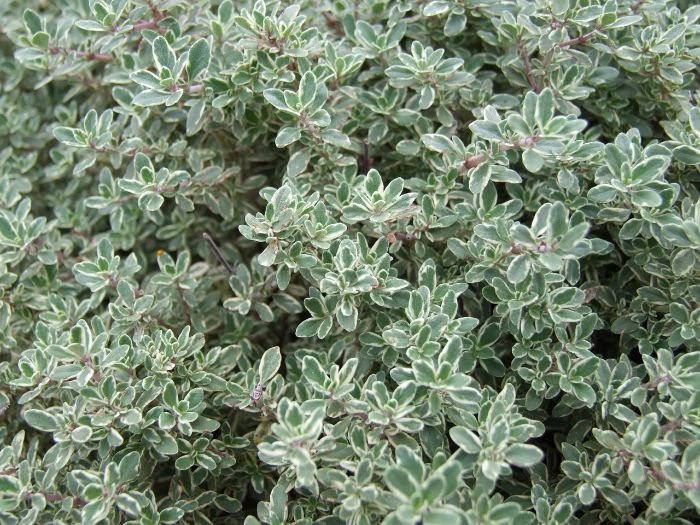
Common Thyme (Thymus vulgaris)
Common Thyme, or Thymus vulgaris, is a favorite in cooking. It has a strong, earthy taste. This makes it great for soups, meats, and more. It’s a must-have for both chefs and home cooks.
Lemon Thyme (Thymus citriodorus)
Lemon Thyme, or Thymus citriodorus, is known for its citrus scent. It’s perfect for salads, fish, and chicken. Its tangy flavor adds a fresh touch to dishes.
Caraway Thyme (Thymus herba-barona)
Caraway Thyme, or Thymus herba-barona, tastes like caraway seeds. It’s great for cooking and gardening. In the kitchen, it’s perfect for stews and veggies. In gardens, it’s a good ground cover.
Ornamental Varieties of Thyme
Thyme plants are not just for cooking; they also make gardens look great. Many types of thyme are ground covers that draw in bees and butterflies. They add texture and beauty to any garden.
Woolly Thyme (Thymus pseudolanuginosus)
This type of thyme is perfect for those who want a soft, fuzzy ground cover. Its leaves are covered in soft fur and can handle dry spots well. It’s great for rock gardens and places that don’t get much water.
Creeping Thyme (Thymus serpyllum)
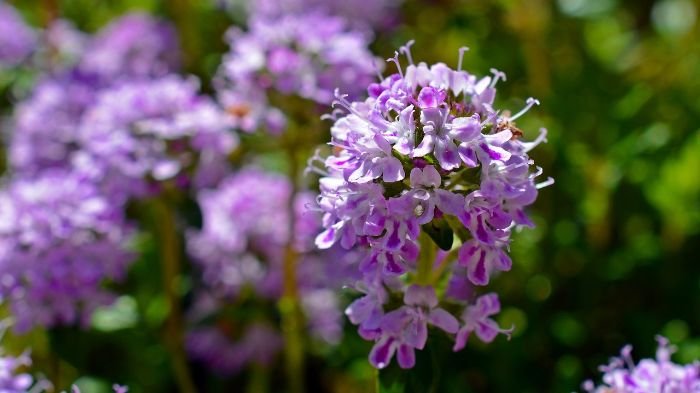
Creeping thyme spreads out and forms a mat, making it perfect for paths and stones. It makes garden paths look beautiful and brings in bees and butterflies. This plant makes gardens come alive.
Silver Thyme (Thymus vulgaris ‘Argenteus’)
Silver thyme has leaves that look like silver, making it a standout in the garden. It’s not just pretty; it’s also a tasty herb for cooking. This makes it a great choice for gardeners who love to cook.
Medicinal and Aromatic Varieties
Thyme comes in many types, each with its own health benefits. These varieties are known for their healing properties and smells. They play a big part in health and wellness.
Let’s look at some of these special thyme types. They show how thyme is used in medicine and cooking.
Wild Thyme (Thymus serpyllum)
Wild thyme is famous for its healing powers. It’s been used in old medicine for fighting germs and protecting against harm. Its oils are very useful, making it a top choice for natural treatments.
Adding wild thyme to foods or drinks can boost your health. It’s a great way to get more thyme health benefits.
Thymus citriodorus ‘Orange Balsam’
This type is known for its lovely smell and healing effects. It’s often found in teas and essential oils. It helps with breathing and makes you feel better.
Thyme types like this one are loved for their scent and health perks. They help improve your mood and keep you healthy.
Growing and Caring for Thyme
To cultivate thyme successfully alongside other herbs, exploring herb garden varieties can help you pair thyme with other culinary or medicinal plants. These steps help make your thyme garden thrive.
Ideal Growing Conditions
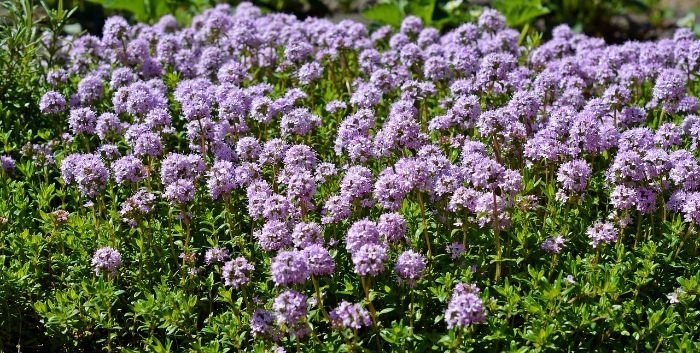
Hot, sunny conditions are ideal for thyme, but proper soil preparation ensures the well-draining environment these plants need to thrive. It can even grow in poor soil, which makes it popular with gardeners. Make sure your thyme gets at least six hours of sunlight daily.
Planting and Propagation
Want more thyme? Try these planting methods. You can grow thyme from seeds, cuttings, or by dividing mature plants. Spring is the best time to plant thyme for strong growth.
Maintenance and Harvesting
Keeping thyme healthy is key. Prune it after it blooms to keep it bushy and promote new growth. While harvesting thyme for both fresh and dried use, maintaining natural pest control ensures healthy plants and abundant leaves.
Uses of Thyme Beyond the Kitchen
Thyme is famous for cooking, but it’s also great for health and cleaning. It’s a versatile herb with many uses.
Thyme in Natural Remedies
Thyme’s oil has thymol, which fights bacteria and germs. This makes thyme good for the lungs and fighting infections. Herbalists use it to boost health.
Thyme in Household Products
Thyme is useful in many household items. It’s in mouthwashes, hand sanitizers, and acne treatments. Thyme makes these products better, improving health and beauty routines.
Tips for Incorporating Thyme in Your Garden
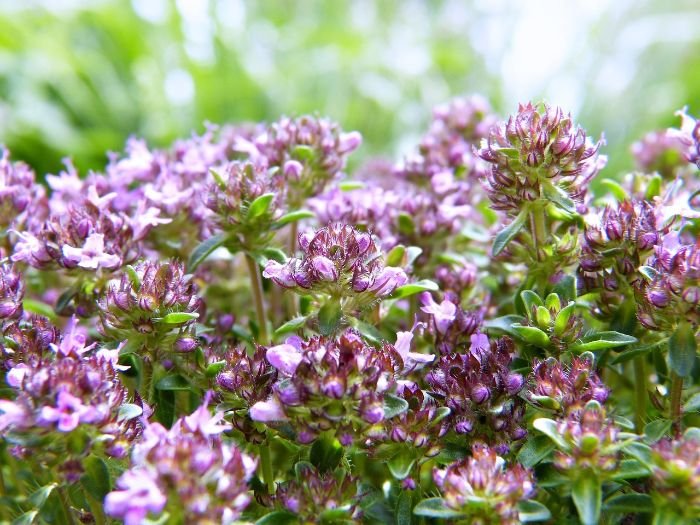
Adding thyme to your garden makes it look better and work better. Thyme is great for many garden designs. Here are some tips and ideas to make your garden stand out.
Designing with Thyme
Thyme is perfect for garden designs because of its many colors and how it grows. It loves sunny spots, making it great for paths, borders, and rock gardens. Here are some ideas for using thyme:
- Use creeping thyme between pavers for a cute walkway.
- Thyme makes a great ground cover, adding texture and color to your garden.
- Mix different thyme types in raised beds for a striking look.
For more creative approaches that highlight thyme’s role in ornamental settings, explore thyme in landscaping.
Creative Uses for Thyme
Thyme is not just for cooking. It has many uses that can make your home and garden feel special:
- Make homemade oils with thyme for a unique taste in cooking.
- Fill sachets with dried thyme for a natural scent in your home.
- Add thyme to homemade soaps for a nice smell and skin benefits.
Conclusion
Thyme is a versatile herb with many varieties and uses. It makes dishes taste better and smell great. Common Thyme and Lemon Thyme are just a few types that add flavor and aroma.
But thyme is not just for cooking. It has health benefits too. It’s used in natural remedies and household products. This herb is great for cooking, health, and making gardens look nice.
Learning about thyme’s growing conditions and uses shows its value. Exploring thyme can show you why it’s loved in many kitchens and gardens in America.
FAQ
What are the main culinary uses of thyme?
Thyme is used in soups, meats, sauces, and marinades. It adds a special flavor to Mediterranean dishes. Lemon thyme is great for salads and seafood, adding a fresh taste.
What conditions are ideal for growing thyme?
Thyme loves hot, sunny spots with well-drained soil. It’s tough and grows well in poor soil. This makes it perfect for easy-care gardens.
What are some medicinal properties of thyme?
Thyme’s oil is full of thymol. It fights bacteria and germs. People use it to help with breathing problems, prevent infections, and boost health.
How is thyme propagated and planted?
You can grow thyme from seeds, cuttings, or sections. Plant it in spring. This lets it get ready for the growing season.
What are some ornamental uses for thyme in gardening?
Thyme like woolly and creeping thyme are great ground covers. They look good between stones and as borders in flower beds. They also attract bees and make gardens look better.
How can I creatively use thyme in my home?
Use thyme in oils, soaps, or aromatic sachets. These ideas make your home smell nice and look good.


