



Why do some gardeners have lush thyme beds while others struggle to get a single sprout? Growing thyme successfully requires more than scattering seeds – it calls for timing, technique, and attention to detail. It’s about knowing the best time, methods, and tips for success. Thyme is prized for its bold culinary flavor and its ornamental value, making it both useful and attractive in any garden setting. This guide covers the optimal conditions, practical steps, and proven strategies for growing healthy thyme plants at home.
Key Takeaways
- Proper timing directly influences thyme’s ability to establish and thrive.
- Knowing the right environmental conditions helps ensure vigorous and resilient thyme growth.
- Thoughtful soil preparation and seed selection greatly improve germination success.
- Mulching and well-timed watering are critical to support healthy early growth.
- Strategic companion planting can improve thyme’s growth while supporting a healthier garden ecosystem.
- With proper preparation, common issues like transplant shock can be minimized or avoided altogether.
Table of Contents
Understanding Thyme Planting Essentials
Thyme (Thymus) is a hardy, multi-purpose herb valued for its aromatic foliage and culinary applications. Successful cultivation begins with understanding thyme’s preferred growing conditions. It thrives in well-draining soil and full sun exposure. Different thyme varieties offer a range of flavors and fragrances, adding both function and appeal to garden layouts.
Overview of Thyme Planting
Begin by selecting a location with full sun and preparing well-drained soil. Healthy root development depends on proper drainage, especially for herbs like thyme that dislike excess moisture. Incorporating compost into the planting area improves soil fertility and supports stronger, more vigorous growth.
Consistent use of solid gardening techniques, such as timely planting, soil care, and spacing, can significantly improve outcomes when growing thyme.
Benefits of Growing Thyme
Thyme offers more than culinary value. Once established, it is highly drought-tolerant, requiring minimal watering – an advantage for low-maintenance gardens or water-conscious growers.
Additionally, thyme attracts beneficial pollinators like bees and butterflies, promoting biodiversity and supporting neighboring crops. Its evergreen foliage ensures a steady supply of fresh herbs year-round, even in colder months.
Choosing the Right Time to Plant Thyme
Planting thyme at the right time is crucial to ensure healthy development and maximize growth. Poor timing can lead to weak roots or slow establishment. Understanding seasonal cues helps align planting with optimal growing conditions.
Best Seasons for Planting
Spring, after the final frost, is the ideal time to plant thyme. Young plants are sensitive to cold, and frost can damage new growth. Waiting ensures better root establishment and early development.
By planting before the onset of intense summer heat, thyme has time to adapt and strengthen, increasing its resilience during drier months.
Understanding Climate Considerations
Thyme’s climate is very important for its growth. It grows well in USDA hardiness zones 5 to 9. Lemon thyme likes warmer places, doing best in zones 7 to 9. German thyme is more hardy.
This info helps gardeners pick the right thyme for their area. It leads to healthier thyme plants.
Preparing for Seed Sowing
Successful thyme cultivation begins with quality seeds and a suitable environment for germination. Selecting healthy seeds and preparing the soil properly sets the foundation for strong, productive plants. In this section, we’ll explore how to choose viable seeds, prepare the soil, and optimize germination conditions.
Selecting Quality Thyme Seeds
Choosing high-quality thyme seeds is the first step toward a productive herb garden. Source seeds from reputable suppliers or nurseries that specialize in herbs. Fresh, well-stored seeds offer higher germination rates and produce more vigorous plants.
Pre-Sowing Preparations
Proper soil preparation is critical before sowing thyme. The soil should be well-drained and enriched with organic matter to promote healthy root development. Incorporating aged compost improves soil structure and provides essential nutrients that support early seedling growth.
Germination Requirements
Thyme seeds germinate most effectively at temperatures around 13°C (55°F). Consistent soil moisture is essential during this stage, but overwatering must be avoided to prevent rot. Under ideal conditions, germination typically occurs within 10 to 14 days. Regular monitoring allows timely intervention if any issues arise.
Seed Sowing Techniques
Sowing thyme seeds right can greatly improve your gardening success. It’s important to know different techniques. We’ll talk about starting seeds indoors and direct sowing in the garden. We’ll also cover the best planting depth and spacing for healthy growth.
Indoor Seed Starting
Starting thyme seeds indoors is especially beneficial in cooler climates, where outdoor growing seasons are shorter. Sow seeds in small containers 6 to 10 weeks before the expected last frost. This head start promotes stronger, more resilient seedlings ready for transplanting when conditions improve.
Direct Sowing in the Garden
Direct sowing is appropriate once soil temperatures consistently reach around 21°C (70°F). Plant seeds directly into weed-free, loose soil to ensure strong emergence. Monitoring both day and night temperatures is important to avoid premature planting in fluctuating conditions.
Ideal Planting Depth and Spacing
Proper spacing is key to healthy thyme development. Plant seeds approximately 6 mm (1/4 inch) deep and space them 30 to 60 cm (12 to 24 inches) apart to ensure adequate air circulation and minimize competition for nutrients. This layout supports strong, well-shaped plants.
Transplanting Thyme Seedlings
Transplanting thyme seedlings needs careful timing and technique. This ensures they grow well in your garden. With the right steps, your herb garden will flourish.
When to Transplant Seedlings
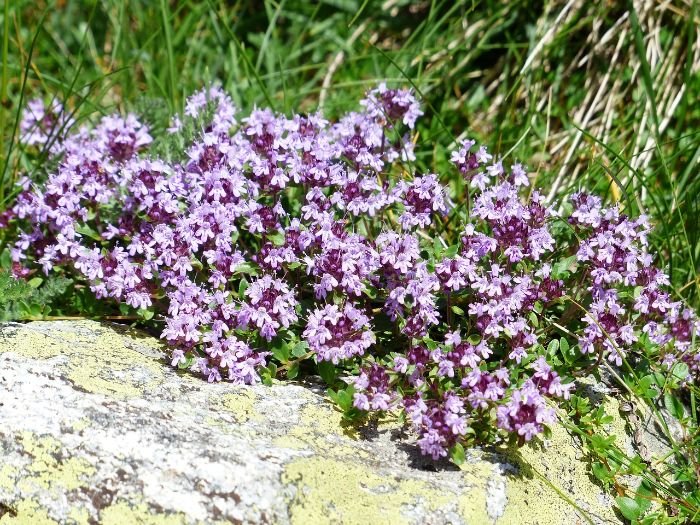
Transplant thyme seedlings once they have developed a sturdy root system and all risk of frost has passed – typically in late spring. Well-rooted plants are more likely to adapt quickly to their new environment and continue growing without interruption.
Steps for Transplanting
Follow these steps to transplant thyme successfully:
- Prepare the planting area by loosening the soil and incorporating compost to improve structure and nutrient content.
- Gently remove seedlings from their containers, handling them by the leaves, not the stems, to avoid damaging the roots.
- Place each seedling in a shallow hole, spacing them adequately to prevent overcrowding.
- Water thoroughly after transplanting to settle the soil around the roots and support early establishment.
Acclimating Seedlings to Outdoor Conditions
Before transplanting, harden off thyme seedlings by gradually introducing them to outdoor conditions. Over the course of a week, expose the plants to increasing levels of sunlight and outdoor temperatures. This gradual transition minimizes transplant shock and prepares the seedlings for stable growth in their permanent location.
Caring for Young Thyme Plants
Young thyme plants need special care to grow well. Knowing how to take care of them makes sure they do great in your garden.
Watering and Feeding Requirements
In the early growth stages, consistent but moderate watering is critical. Allow the top 2–3 cm (about 1 inch) of soil to dry out before watering again to prevent root rot. Once established, thyme becomes highly drought-tolerant and requires minimal supplemental watering.
For a more detailed guide on watering practices and soil preparation for thyme, refer to the University of Florida’s comprehensive resource: Spice Up Your Life: A Beginner’s Guide to Growing Thyme.
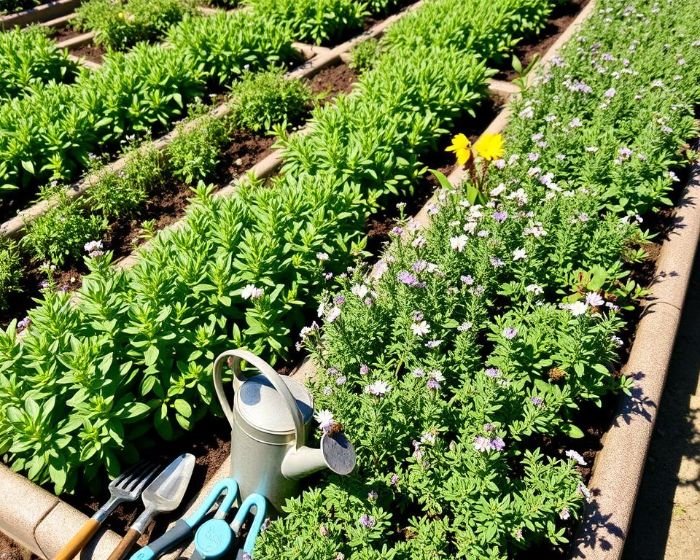
Applying a balanced organic fertilizer during the early stages supports healthy root and leaf development. Avoid over-fertilizing, as excess nutrients can reduce thyme’s flavor intensity.
Mulching for Moisture Retention
Mulching with organic materials helps retain soil moisture, regulate temperature, and protect young thyme roots from environmental stress. Natural mulches such as straw, shredded leaves, or bark also suppress weeds and gradually improve soil quality as they decompose.
Pruning Young Plants for Bushier Growth
Light, regular pruning encourages thyme to develop a fuller, bushier shape. Trimming the tips stimulates lateral growth and prevents the plant from becoming woody and sparse. Begin pruning once the plant reaches about 10 cm (4 inches) in height, and repeat periodically throughout the growing season.
Troubleshooting Common Planting Issues
Gardeners often face problems when growing thyme. These issues can make plants unhealthy and less productive. Quickly fixing thyme planting problems can help. The main issues are poor germination and transplant shock. Knowing how to solve these problems can make gardening better.
Dealing with Poor Germination
Poor germination in thyme is often caused by inconsistent moisture, temperature fluctuations, or low-quality seeds. To improve success rates:
- Maintain consistent soil moisture – damp but never saturated.
- Monitor soil temperature closely, aiming for 13°C (55°F).
- Use only fresh, high-viability seeds sourced from reliable suppliers.
Adjusting watering routines and optimizing soil conditions significantly increases the likelihood of uniform sprouting and reduces early-stage failure.
Addressing Transplant Shock
Transplant shock occurs when seedlings are moved outdoors too abruptly, leading to stress symptoms like wilting or discoloration. To minimize this:
- Gradually acclimate seedlings over 5–7 days by increasing exposure to sun and wind.
- Transplant during mild weather – preferably in the late afternoon.
- Water immediately after planting to help roots settle and reduce shock.
These precautions help seedlings transition smoothly, promoting faster adaptation and stronger post-transplant growth.
Companion Planting with Thyme
Learning about companion planting thyme helps gardeners make their gardens better. Picking the right plants to grow with thyme boosts thyme’s growth and garden health. The right partners can keep pests away and help each other grow.
Best Plant Partners
Thyme thrives when planted alongside other Mediterranean herbs that share its preference for sun and well-drained soil. Ideal companion plants include:
- Rosemary
- Lavender
- Sage
- Oregano
These herbs not only enjoy similar growing conditions but also contribute to natural pest control through their aromatic oils. Grouping them together enhances garden harmony and supports a low-maintenance, pest-resistant planting system.
Avoiding Incompatible Plants
Some plants are incompatible with thyme due to their aggressive growth habits or differing environmental needs. For example, mint spreads rapidly through underground runners and can quickly overwhelm thyme by competing for space, sunlight, and nutrients. To maintain a balanced garden, plant thyme away from invasive species and moisture-loving plants.
Conclusion
Growing thyme successfully begins with understanding its basic needs – from proper timing and soil preparation to thoughtful care and maintenance. By applying the strategies outlined in this guide, you’ll not only enjoy a healthy, thriving thyme bed, but also enrich your garden with a resilient, multipurpose herb.
This overview covered how to select viable seeds, prepare the soil for optimal germination, and maintain healthy growth through careful watering, pruning, and transplanting practices. When grown properly, thyme enhances both the culinary and ecological value of your garden.
Whether you’re a beginner or an experienced gardener looking to improve herb yields, integrating thyme into your planting routine is a practical, rewarding choice that continues to give back season after season.
If you’re cultivating herbs in containers or urban gardens, thyme adapts particularly well to confined spaces. Its compact size and low water requirements make it ideal for balconies, raised beds, and patio planters. As a perennial in most climates, well-maintained thyme can produce for years with minimal intervention – offering fresh flavor and visual texture without constant replanting.
FAQ
When is the best time to plant thyme?
The best time to plant thyme is in early to mid-spring, after the final frost. This allows the seedlings to establish before summer heat sets in.
What soil conditions are ideal for thyme?
Thyme prefers well-drained, slightly alkaline soil enriched with organic matter such as aged compost.
How should I space thyme seeds when planting?
Space thyme seeds or seedlings 30 to 60 cm (12 to 24 inches) apart to promote air circulation and prevent overcrowding.
Is it necessary to water thyme frequently?
Water young thyme regularly until established, allowing the top layer of soil to dry between waterings. Mature plants require far less water.
What can I do to prevent poor germination?
Use fresh, high-quality seeds and maintain consistent moisture and a stable temperature around 13°C (55°F) during germination.
How do I acclimate thyme seedlings for transplanting?
Gradually expose seedlings to outdoor conditions over 5–7 days, increasing light and airflow each day.
What should I do if I notice transplant shock?
Ensure seedlings were hardened off, water them immediately, and avoid planting during extreme heat or cold. Stress signs usually resolve with proper aftercare.
Can I grow thyme indoors?
Yes. Start thyme indoors in containers placed in bright, sunny windows or under grow lights. Ensure good drainage and airflow.


