





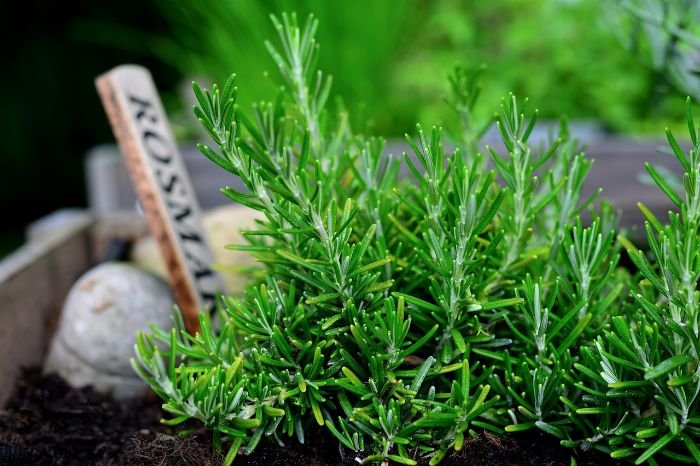
Rosemary is a shining star, both in the kitchen and the garden. It brings beauty and taste. But, how do you find the perfect rosemary type for your garden?
Our journey starts with the basics of rosemary. We will look at its use in cooking and in the garden. Discovering the best rosemary variety includes thinking about the weather and type of soil. We’ll also share some favorite rosemary types for their special flavors. This way, you’ll be all set to pick the best rosemary for your green space.
First up, let’s learn about the basics of rosemary.
Key Takeaways
- Choosing the right rosemary variety is essential for successful growth and optimal flavor.
- Consider factors such as climate suitability and soil requirements when selecting a rosemary variety.
- There are popular rosemary varieties known for their unique flavors and culinary profiles.
- Proper planting and care techniques are crucial for the health and vitality of your rosemary plants.
- By selecting the right rosemary variety, you can enhance your garden and elevate your culinary creations.
Table of Contents
Rosemary – A Versatile Culinary Herb
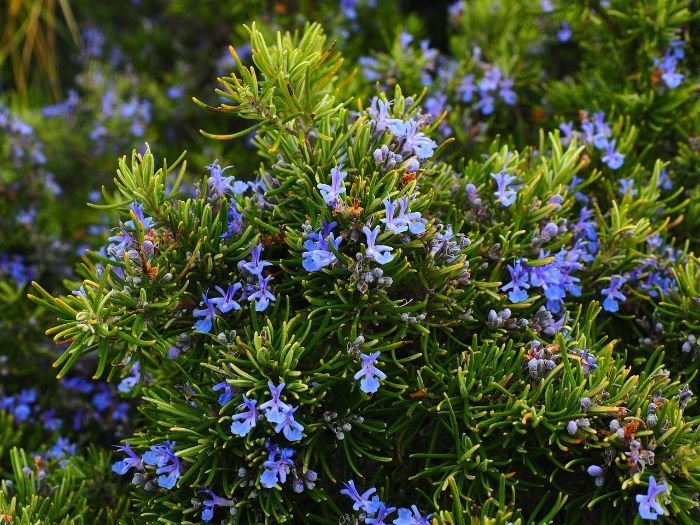
Rosemary is an herb from the Mediterranean. Its scientific name is Rosmarinus officinalis. People have used it in cooking and medicine for many years. This herb stays green all year and has thin leaves and blue flowers in winter.
Its smell is strong and sharp. It makes dishes taste better. Rosemary goes well with meats, baked items, soups, and salads.
The Basics of Rosemary and Its Uses
Rosemary is great for cooking and health. It has antioxidants and oils. These help fight germs, lessen swelling, and boost the brain.
Rosemary helps with digestion, blood flow, and memory. Adding it to your herb garden is smart because of these benefits.
Why Choosing the Right Variety Matters
Each kind of rosemary is unique. The type you choose affects how it smells and tastes. Picking the right one matters for cooking the flavors you want.
Key Factors to Consider When Selecting Rosemary
Choosing the right rosemary type for your garden means looking at some important things. Think about the climate and the kind of soil they need. These aspects are key to your rosemary plants’ growth and health.
Assessing Climate Suitability for Different Varieties
Rosemary loves Mediterranean weather – it does best with mild, wet winters and hot, dry summers. Yet, some types do better in harsh cold or hot climates. You’ll find some rosemary that loves the cold and others that love the heat.
Know your local climate before picking a rosemary variety. If you deal with cold, ‘Arp’ and ‘Hill Hardy’ are good choices. In contrast, ‘Tuscan Blue’ and ‘Gorizia’ do well in hot, dry weather.
Soil Type and Its Impact on Rosemary Growth
Your garden’s soil type affects how rosemary grows too. Rosemary likes soil that drains well and is slightly alkaline. It’s critical for preventing root rot and helping the plant grow.
Before planting, check if your soil needs any improvements. You might add compost to make the soil better. Doing this helps with water, nutrients, and plant growth. Don’t forget to keep an eye on the soil’s moisture and water your rosemary enough.
Choosing the right rosemary and preparing the soil well are both important. By doing this, you set the stage for healthy rosemary in your garden.
Exploring Popular Rosemary Varieties
We’ll check out different rosemary types that work well in various climates. Picking the right rosemary can make your garden grow wonderfully. It doesn’t matter if you’re in a cold or hot place, there’s a rosemary type for you.
Best Varieties for Cold Climates
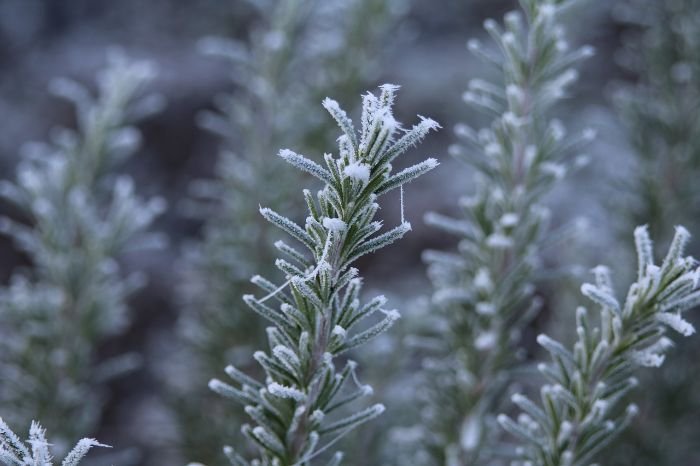
In places that get cold, choose rosemary that isn’t scared of freezing temps. ‘Arp’ and ‘Hill Hardy’ are great for cold areas. They can handle winter well, staying strong throughout the season.
Top Choices for Warm, Dry Conditions
If you’re in warm, dry spots, pick rosemary that loves the heat. ‘Tuscan Blue’ and ‘Gorizia’ are perfect for these places. They do well in the heat and lack of water, working great in arid gardens.
Culinary Profiles of Different Rosemary Varieties
Every type of rosemary has a special taste and smell. These traits can make your food better. Knowing the flavors of each can help you choose the right one for your cooking.
Varieties with the Best Flavor for Cooking
‘Tuscan Blue’ and ‘Blue Spires’ are great for cooking. They have big leaves and a strong smell. This makes them perfect for meats, sauces, and marinades.
Aromatic Qualities and Their Culinary Uses
‘Miss Jessup’s Upright’ and ‘Collingwood Ingram’ have light flavors. They’re good for infusing oils or making teas.
Trying different types of rosemary can enhance your food. If you’re roasting something big or making a special oil, various flavors of rosemary will add a new touch to your dishes.
Planting and Caring for Your Rosemary
Tips for Planting Rosemary Successfully
Choosing the right soil is crucial for your rosemary to grow well. Opt for soil that drains well and has a bit of alkaline. Mix in some compost or old manure to boost its fertility. This also helps improve drainage.
Rosemary loves the sun, so pick a spot that gets at least six hours of it daily. The hole you dig should be a bit bigger than your plant’s root ball. Make sure its top is level with the surrounding soil. Then, fill the hole back up and pat the soil around the plant.
Make sure to water your rosemary well right after planting. Keep it moist until it takes root. But, remember not to overdo it; too much water can hurt it. Putting mulch around the plant helps keep moisture in and stops weeds.
Ongoing Care and Maintenance Recommendations
Good care habits are vital for your rosemary’s health. It likes to dry out a bit between watering. So, water deeply, but not too often. About an inch of water every ten days is a good goal, but adjust based on your weather.
Pruning your rosemary once a year is also key. It helps them keep a nice shape and grow fuller. Cut off any parts that look wild, leaving a couple of inches. This will make your rosemary look good and last longer.
Keep an eye out for pests like aphids and spider mites. Check your plants often for bugs. If you spot any, use natural ways to get rid of them. By doing this, your rosemary will stay lush and pest-free.
FAQ
How do I choose the right variety of rosemary for my garden?
Think about the climate where you live, the type of soil in your garden, and how you plan to use the rosemary in cooking.
Why is selecting the right variety of rosemary important?
Picking the right rosemary variety matters a lot. Each type has unique traits that affect how it grows, smells, and tastes.
What varieties of rosemary are suitable for colder climates?
For colder areas, ‘Arp’ and ‘Hill Hardy’ are great choices. They do well in freezing weather.
What rosemary varieties are best for warm and dry conditions?
‘Tuscan Blue’ and ‘Gorizia’ handle heat and lack of water well. They’re perfect for hot, dry places.
Which rosemary varieties have the best flavor for cooking?
‘Tuscan Blue’ and ‘Blue Spires’ are top picks for cooking. They add strong flavor and smell to dishes like meats and marinades.
What are the culinary uses of different rosemary varieties?
Each kind of rosemary has its own unique scent. This can be used to make oils, teas, or to flavor food in many recipes.


