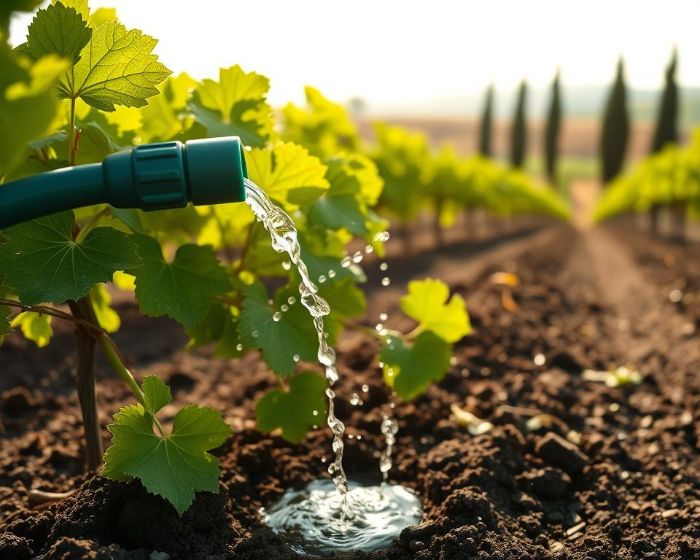





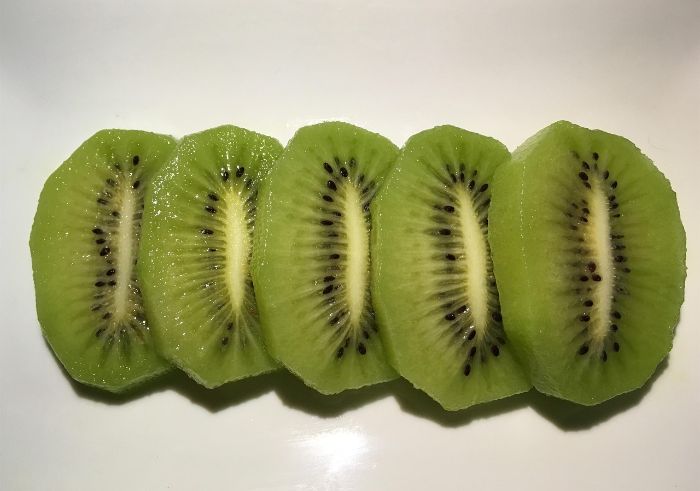
Did you know you can find omega-3 fatty acids in homegrown kiwiberries? These small fruits are packed with vitamin C and antioxidants. They are also a great source of omega-3 fatty acids. These fats are key for heart health and brain function. Growing your own kiwiberries can boost your heart-healthy diet.
Omega-3 fatty acids are great for heart health. They reduce inflammation, lower blood pressure, and cut the risk of heart disease. These fats are also vital for brain health, helping with memory and thinking skills.
Fatty fish like salmon and sardines are top sources of omega-3. But kiwiberries offer a tasty alternative. By growing your own, you control the quality and get fresh, nutrient-rich kiwiberries.
We’ll dive into omega-3 fatty acids in kiwiberries next. We’ll look at their nutrition, benefits, and how to grow kiwiberry vines. Let’s explore how homegrown kiwiberries can help your heart stay healthy!
Key Takeaways:
- Kiwiberries are a unique source of omega-3 fatty acids, in addition to being rich in vitamin C and antioxidants.
- Omega-3 fatty acids play a significant role in supporting heart health and brain function.
- Growing your own kiwiberries allows you to have a fresh and abundant supply of these essential fatty acids.
Table of Contents
The Uncommon Source of Omega-3 Fatty Acids in Kiwiberries
Kiwiberries, also known as baby kiwis or hardy kiwis, are small fruits full of nutrition. They taste great and are a rare source of omega-3 fatty acids. These acids are key for overall wellness; similarly, berries grown at home can support cognitive health and add variety to your diet.
What Are Omega-3 Fatty Acids?
Omega-3 fatty acids are a type of fat our bodies can’t make. They help with brain function, reduce inflammation, and support heart health. There are three main types: EPA, DHA, and ALA.
Benefits of Omega-3 Fatty Acids
Omega-3 fatty acids have many benefits. They lower inflammation and reduce heart disease risks; pairing them with high-potassium fruits can further round out a nutrient-rich lifestyle. They also support brain health and can help prevent depression and anxiety.
These fats are good for your eyes too. They help with vision and prevent eye problems as you get older.
Kiwiberries as a Unique Source
While fish and seafood are top sources of omega-3s, kiwiberries offer a plant-based option. They’re packed with ALA, which can turn into EPA and DHA in the body. This makes them great for vegetarians and vegans looking to boost their omega-3 intake.
Now, let’s dive into the amazing nutrition of kiwiberries. We’ll see why they’re a great choice for a healthy diet, and how leafy superfoods can work alongside kiwiberries to enrich your daily nutrition.
Nutritional Profile of Kiwiberries
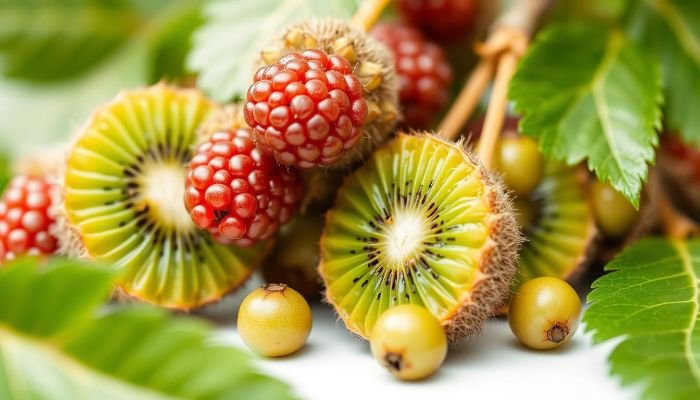
Kiwiberries are tasty and full of important vitamins, minerals, antioxidants, and fiber. Let’s dive into their nutritional benefits.
Key Vitamins and Minerals
Kiwiberries are full of vitamins and minerals for good health. They have a lot of vitamin C. This vitamin helps your immune system and keeps your skin and tissues healthy.
They also have vitamin K for blood clotting and bone health. Plus, they have folate for cell growth and development.
Kiwiberries give you potassium for heart and muscle health. They also have copper for making tissues and red blood cells. And they have vitamin E to fight off free radicals.
Antioxidant Properties
Kiwiberries are full of antioxidants to protect your body from damage. These antioxidants lower the risk of chronic diseases and keep you healthy.
Vitamin C in kiwiberries boosts your immune system and fights free radicals. They also have vitamin E and copper for more antioxidant power.
Dietary Fiber and Digestive Health
Kiwiberries are great for your digestive health. They’re full of dietary fiber. This fiber helps with digestion, prevents constipation, and keeps your gut healthy.
This fiber also makes you feel full, which helps with weight control. Eating a lot of fiber can lower heart disease risk and help control blood sugar.
Kiwiberries are a great addition to any diet. Enjoy them alone, in salads, or in smoothies. They’re a tasty way to get important vitamins, minerals, antioxidants, and fiber.
Preparing to Grow Kiwiberries in Your Garden
Before you start growing kiwiberries, you need to prepare. This guide will help you pick the right kiwiberry types, understand soil and climate needs, and find the best spot to plant.
Choosing the Right Kiwiberry Varieties
Kiwiberries come in many flavors and sizes. Think about your climate, what you like to taste, and how you plan to use them. Some top kiwiberry types are:
- Haley’s Comet
- Geneva
- Issai
- Megazoom
Ask your local nursery or agricultural extension for advice on the best kiwiberry types for your area.
Ideal Soil and Climate Conditions
Kiwiberries do well in soil that drains well and has a pH of 5.0 to 7.0. The soil should be full of organic matter for good growth and fruit. They also need full sun to ripen, so pick a spot that gets enough sunlight.
The climate is key to growing kiwiberries. Most types can handle USDA zones 4-8. But, some can take extreme cold or heat. Check your area’s climate and pick kiwiberry types that fit.
Selecting the Perfect Planting Site
Think about how much space kiwiberry vines need. They can grow big and need a trellis for support. Make sure you have enough room for the plants and the trellis. Also, pick a spot that protects from strong winds, which can hurt the vines.
Kiwiberries need both male and female vines to produce fruit. Make sure you have the right mix of male and female vines for pollination and fruiting.
With knowledge of kiwiberry types, soil, climate, and planting spots, you’re set to start planting kiwiberry vines.
Planting Kiwiberry Vines
Planting kiwiberry vines is a fun step towards enjoying tasty fruits. We’ll cover when to plant, how to plant, and tips on spacing and trellising.
When to Plant Kiwiberry Vines
The best time to plant kiwiberry vines is early spring or late fall. These seasons have moist soil and mild temperatures. This helps the vines grow well and build a strong root system.
Proper Planting Techniques
Follow key steps for planting kiwiberry vines for success. Dig a hole big enough for the vine’s root ball. Spread the roots out so they’re not tangled.
Then, fill the hole with soil and press it down to remove air pockets.

Spacing and Trellising
Spacing is crucial for kiwiberry vines. Keep each vine 10-15 feet apart for good air flow, sunlight, and nutrients. This helps vines grow well and reduces disease risks.
Trellising is key for supporting kiwiberry vines and boosting fruit production. Train vines on a trellis for support. Use soft ties or clips to keep them secure, allowing them to grow freely.
Caring for Your Kiwiberry Vines
Looking after your kiwiberry vines is key for their health and lots of fruit. We’ll cover watering, fertilizing, and how to prune and train them.
Watering and Irrigation Needs
Kiwiberry vines need regular water, especially when it’s dry. Keep the soil moist but not too wet. Deep watering helps the roots get enough moisture.
A thick layer of mulch helps keep moisture in and stops weeds.
Fertilization and Soil Management
Getting the soil right is vital for kiwiberry vines. Before planting, add organic matter to the soil to make it better. Use a balanced fertilizer during the growing season for strong vines and lots of fruit.
Mulching keeps the soil moist, controls temperature, and stops weeds.
Pruning and Training for Optimal Growth
Pruning and training kiwiberry vines keeps them healthy and productive. Prune in late winter or early spring. Cut out dead, sick, or weak branches.
Training vines on a trellis or arbor helps control growth and supports the fruit. Guide new shoots to the trellis for even fruiting.
Next, we’ll talk about pests and diseases that can hit kiwiberry vines. We’ll share tips to keep your plants healthy.
Managing Pests and Diseases
Kiwiberry vines can get pests and diseases. It’s key to keep your plants safe for a good harvest. We’ll talk about pests and how to stop and treat diseases. We’ll look at both organic and chemical ways to control them.
Common Pests Affecting Kiwiberry Vines
Pests can harm your kiwiberry vines. You might see:
- Aphids
- Mites
- Caterpillars
Check your kiwiberry vines often to catch pests early. This helps you act fast and lessen damage. Using pest control is key to keeping your plants healthy and growing well.
Disease Prevention and Treatment
Stopping diseases is important for your kiwiberry vines. Here’s how to keep them healthy:
- Prune and train your vines for good airflow.
- Take out any sick plant parts right away.
- Make sure the soil drains well to avoid root rot.
If your vines get sick, act quickly. Early treatment can stop the disease from spreading and save your plants. Kiwiberry vines can get:
- Powdery mildew
- Bacterial canker
- Root rot
Organic and Chemical Control Methods
You have choices for pests and diseases. Organic methods are good for the environment. Chemical methods can work well too, depending on the situation. You can use:
- Organic pest control: Use insecticidal soaps, neem oil, or natural predators.
- Chemical pest control: Pick the right insecticides for the pests.
- Organic disease control: Apply organic fungicides or use cultural practices.
- Chemical disease control: Use fungicides made for certain diseases.
Always follow the product instructions when using any control methods. Treat at the right time and in the right amount. This helps your kiwiberry vines the most and keeps them safe.
Good pest and disease management keeps your kiwiberry vines healthy. This leads to a great growing season.
Harvesting and Using Your Kiwiberries
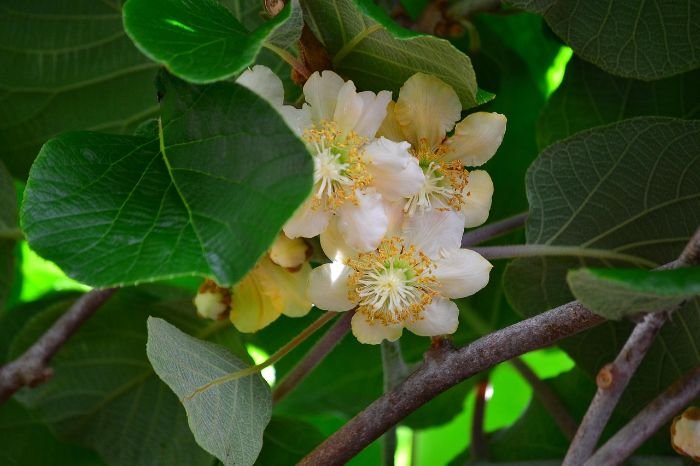
Once your kiwiberries grow and ripen, it’s time to enjoy them. Harvesting at the right time makes sure they taste great. We’ll talk about how to know when they’re ripe, different ways to pick them, storing, and tasty recipes to try.
Recognizing Ripeness
To see if your kiwiberries are ready, look for signs. Ripe ones have soft skin that gives a bit when pressed. They come off the vine easily. The color is bright and even, showing no green spots.
Tasting a few berries before picking is a good idea. This checks if they’re sweet and tangy. Kiwiberries don’t get riper after picking, so pick them when they’re best.
Harvesting Techniques
There are ways to pick kiwiberries. Twist the fruit off the vine or cut the stem with shears.
Be gentle when picking to avoid bruising the berries. Put them in a shallow container to stop them from getting squished.
Storing and Preserving Kiwiberries
Keep your kiwiberries fresh by storing them right. Put ripe ones in the fridge for up to two weeks. Use a bag with holes or a tray with paper to keep moisture away.
If you have lots of kiwiberries, think about preserving them. Freeze them by laying them out on a baking sheet and putting them in the freezer. Move them to a container or bag once frozen. You can use frozen kiwiberries in smoothies, desserts, or just thaw them for a snack.
Delicious Kiwiberry Recipes
Kiwiberries can be used in many dishes. Here are some tasty recipes to try:
- Kiwiberry Spinach Salad with Feta Cheese
- Kiwiberry Smoothie Bowl
- Kiwiberry Jam
- Kiwiberry Yogurt Parfait
- Kiwiberry Crumble Bars
Try these recipes or invent new ones – add them to other vitamin-packed staples for fresh salads, desserts, or savory meals that brim with flavor and nutrition.
Now you know how to pick, store, and use your kiwiberries, and have some great recipes. Enjoy the yummy results of your hard work.
Conclusion – Enjoy the Omega-3 Benefits of Homegrown Kiwiberries
Growing your own kiwiberries lets you enjoy their omega-3 fatty acid benefits. These fruits are fresh and of high quality. Omega-3 fatty acids are key for heart health and overall well-being. Adding homegrown kiwiberries to your diet is tasty and easy.
Kiwiberries are a rare source of omega-3 fatty acids. They have alpha-linolenic acid (ALA), a plant-based omega-3. ALA helps reduce inflammation, boost brain health, and support heart function. Growing kiwiberries at home means you control the process. This ensures your fruits are free from harmful chemicals or pesticides.
Growing kiwiberries is rewarding and fun. You start by picking the right kiwiberry varieties. Then, you need well-drained soil and proper trellising. Each step helps you grow kiwiberries full of omega-3 benefits.
With the right care, you can harvest kiwiberries every year. These kiwiberries are full of nutrients. They give you and your family a steady source of these beneficial fatty acids.
FAQ
What are omega-3 fatty acids?
Omega-3 fatty acids are key fats that help your heart and brain. They are important for your health. These fats are essential and play a big role in keeping you healthy.
What are the benefits of omega-3 fatty acids?
Omega-3 fatty acids help reduce inflammation and improve heart health. They support brain function and eye health. They also boost mood and mental well-being.
Why are kiwiberries a unique source of omega-3 fatty acids?
Kiwiberries have alpha-linolenic acid (ALA), a type of omega-3. Your body can turn ALA into EPA and DHA. These are great for health. Kiwiberries offer a plant-based omega-3 option, unlike fish.
What key vitamins and minerals do kiwiberries contain?
Kiwiberries are packed with vitamin C, which boosts your immune system and helps make collagen. They also have potassium, copper, vitamin K, folate, and vitamin E. These nutrients are great for your health.
What are the antioxidant properties of kiwiberries?
Kiwiberries protect cells from damage and lower the risk of chronic diseases. Their antioxidants fight off harmful free radicals.
How does the dietary fiber in kiwiberries promote health?
Kiwiberry fiber helps your digestion, aids in weight control, and keeps blood sugar levels stable.
How do I choose the right kiwiberry varieties for my garden?
Pick kiwiberry types that fit your climate and taste likes before planting them in your garden.
What are the ideal soil and climate conditions for growing kiwiberries?
Kiwiberries do well in soil that drains well and has a pH of 5.0 to 7.0. They need full sun and protection from strong winds.
How do I properly plant kiwiberry vines?
Plant kiwiberry vines by digging a hole big enough for the roots. Spread the roots out and fill the hole with soil.
How should I care for my kiwiberry vines?
Water kiwiberry vines well, especially when it’s dry. Use the right fertilizers and mulch to feed them. Prune in late winter or early spring to help them grow and produce fruit.
What pests and diseases can affect kiwiberry vines?
Kiwiberry vines face threats from pests like aphids, mites, and caterpillars. They can also get diseases like powdery mildew, bacterial canker, and root rot.
How do I harvest and use kiwiberries?
Pick kiwiberries when they’re ripe, with soft skin and easy to remove. Use pruning shears or twist the fruit off. Store them in the fridge, freeze them, or use in recipes.
Why should I grow my own kiwiberries?
Growing kiwiberries lets you enjoy their omega-3 benefits fresh and in quality. They’re great for a heart-healthy diet and offer many nutrients for well-being.
Source Links
- https://en.wikipedia.org/wiki/Omega-3_fatty_acid
- https://www.facebook.com/homegrownprimalnz/
- https://farmtopalms.com/discover-the-top-10-health-benefits-of-kiwi-fruit/