




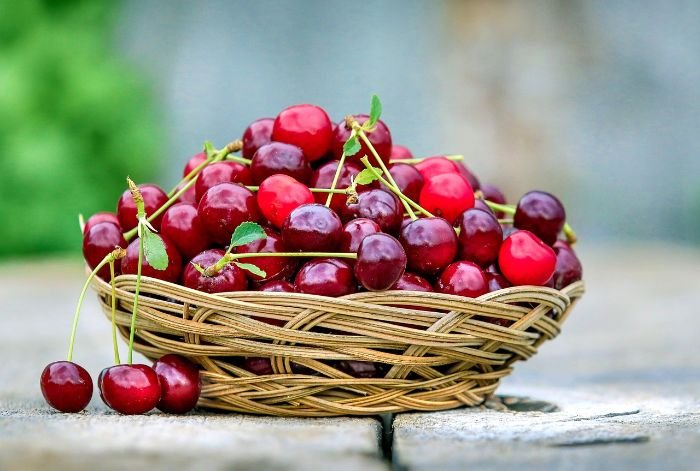
Are you tired of tossing and turning all night? Struggling to find a restful sleep? The solution might be closer than you think. Have you ever thought about the power of homegrown cherries?
These tasty fruits have a secret: they can help you sleep better. The key is a hormone called melatonin.
Melatonin is made by our brains and helps us sleep. It makes us fall asleep faster and improves sleep quality. Foods rich in melatonin, like cherries, can help with sleep.
So, how do homegrown cherries improve sleep? And why are they a great source of melatonin? We’ll explore the sleep benefits of melatonin and how to grow your own cherry trees. Get ready to learn how homegrown cherries can help you sleep better.
Key Takeaways:
- Homegrown cherries have a good effect on sleep because they are full of melatonin.
- Melatonin helps control sleep-wake cycles and makes sleep better.
- Cherries are a natural melatonin source and can be grown in your garden.
- Eating foods high in melatonin, like cherries, helps you fall asleep faster and sleep better.
- Stay tuned to learn more about melatonin and how to grow cherries in your backyard.
Table of Contents
The Sleep-Promoting Effects of Melatonin
Melatonin is key for a good night’s sleep. It’s a hormone made by the brain’s pineal gland. It helps control when we sleep and wake.
What is Melatonin?
Melatonin is made by our bodies when it gets dark. As night falls, melatonin levels go up. This tells our body it’s time to sleep.
How Melatonin Improves Sleep Quality
Melatonin doesn’t just start sleep. It helps the whole sleep process. It makes sure sleep cycles work right, giving us deep and refreshing sleep.
Cherries as a Natural Source of Melatonin
Cherries are a tasty, natural way to get melatonin. They have lots of melatonin. This makes them great for better sleep.
Studies show that drinking tart cherry juice boosts melatonin and sleep quality.
Eating cherries can help you sleep better. You can have them as a snack, add them to food, or drink cherry juice. Cherries are a yummy way to get more sleep.
Nutritional Profile of Cherries
Cherries are tasty and full of nutrients that help keep you healthy. Let’s look at what makes them great for your diet.
Key Vitamins and Minerals
Cherries have important vitamins and minerals for your body. They are full of vitamin C, which helps your immune system and keeps your skin healthy. They also have potassium, which is good for your nerves and muscles. Plus, cherries have manganese, which helps turn carbs, protein, and fat into energy.
Antioxidant Properties
Cherries are known for their antioxidants. These substances, like flavonoids and anthocyanins, fight off harmful stress and inflammation. This can lower the risk of heart disease and some cancers. The bright colors of cherries show how powerful they are against disease.
Dietary Fiber and Digestive Health
Cherries are also a good source of dietary fiber. Fiber is key for a healthy gut, helping with bowel movements and preventing constipation. It also helps control blood sugar, aids in weight management, and supports heart health. Eating cherries can help you get enough fiber and keep your digestive system working well.
In conclusion, cherries are a treat that’s good for you. They have vitamins, minerals, antioxidants, and fiber. So, enjoy some cherries and enjoy their health benefits.
Preparing to Grow Cherries in Your Garden
Growing cherries in your garden can be rewarding. You get delicious fruits right at your doorstep. But, you must prepare well before planting your cherry trees. We’ll cover the key steps to prepare your garden for cherry cultivation.
Choosing the Right Cherry Varieties
It’s important to pick cherry varieties that fit your garden. There are many types, each with unique taste, size, and hardiness. Think about what you like in sweetness and the cherry size you want.
Ideal Soil and Climate Conditions
Cherry trees do well in well-drained soil rich in organic matter. The best soil pH is between 6.0 and 6.8. Test your soil to adjust it for cherries. Also, check your area’s climate. Most cherries need a certain number of cold hours to bloom and produce fruit.
Selecting the Perfect Planting Site
The spot you pick for your cherry trees is key to their health and yield. Look for a spot that gets at least six hours of sunlight a day. Stay away from frost-prone areas, as blossoms can get damaged. Good air flow helps prevent diseases. Make sure your trees have enough room around them to grow.
Planting Cherry Trees
Planting cherry trees right is key for their growth and health in your garden. By using the best planting methods, your cherry trees will grow strong roots. They will thrive for many years.
When to Plant Cherry Trees
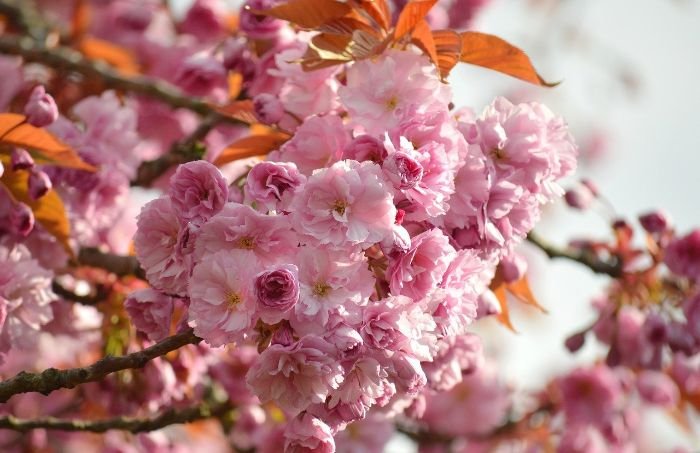
The best time to plant cherry trees is in late winter or early spring. This lets the trees grow roots in cool temperatures and moist soil. It helps them adapt better and lowers stress.
Proper Planting Techniques
Start by preparing the hole well for planting cherry trees. Dig a hole big and deep for the tree’s roots. Make sure there’s enough room for the roots to grow well.
Put the tree in the hole so the bud union is level or a bit above the soil. This stops the tree from being planted too deep. Fill the hole with soil, pressing it gently to get rid of air pockets.
Spacing and Mulching
Cherry trees need space to grow and breathe. They should be about 15 to 20 feet apart. This lets each tree get enough sunlight and air for healthy growth and fruit.
Adding mulch around the tree is a good idea after planting. Mulch keeps the soil moist, stops weeds, and keeps the temperature right. Use 2 to 4 inches of organic mulch, like wood chips or straw, around the tree. Leave a gap around the trunk to avoid moisture problems.
By planting in the dormant season, preparing the hole well, and using the right spacing and mulching, you’re giving your cherry trees a great start. With care, you’ll enjoy beautiful flowers and tasty cherries for many years.
Caring for Your Cherry Trees
Proper care is key for your cherry trees’ health and fruit production. By focusing on their needs, your trees will thrive and give lots of fruit. You need to take care of watering, fertilizing, soil, pruning, and training them.
Watering and Irrigation Needs
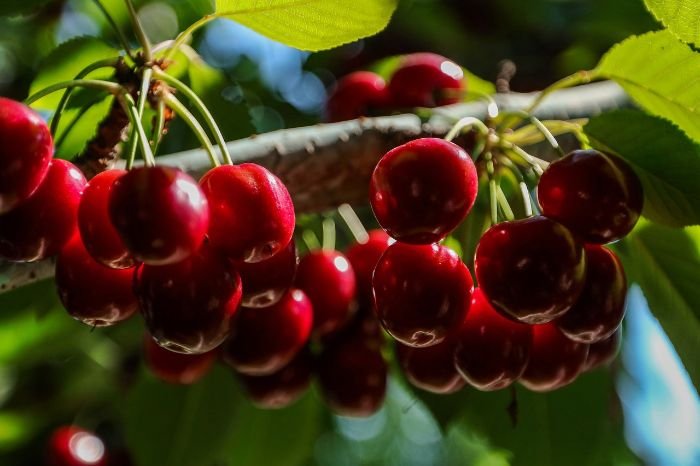
Cherry trees need the right amount of water to stay healthy. They need more water during dry times to avoid drought stress. Deep watering helps the roots grow strong.
Water the trees slowly and deeply to let the water reach the roots. This makes them strong against drought and other problems.
Fertilization and Soil Management
Feeding your cherry trees with the right nutrients is crucial. Test the soil to see what nutrients it lacks. Then, use a balanced fertilizer that cherry trees need.
Check the soil often to keep it moist but not too wet. This stops water from harming the roots.
Pruning and Training for Optimal Growth
Pruning keeps cherry trees looking good and helps them make more fruit. Do this in late winter or early spring when they’re not growing. Cut out dead, damaged, or diseased branches and any that cross over each other.
Training your trees with pruning makes sure they get enough sunlight and air. This lowers disease risk and makes the fruit better.
Managing Pests and Diseases
Keeping cherry trees healthy is key. This section will talk about pests, preventing and treating diseases, and organic and chemical ways to control them.
Common Pests Affecting Cherry Trees
Cherry trees face many pests that can harm their growth and fruit yield. Some common pests are:
- Aphids – These small insects eat the sap of leaves and shoots. This causes leaves to twist and the tree to grow less.
- Cherry Fruit Flies – These pests lay eggs inside the fruit. The maggots then eat the cherries from the inside.
- Tent Caterpillars – These caterpillars make silk tents in tree branches. They eat the leaves, making the tree weak.
It’s important to watch cherry trees closely, especially when pests are most active. This helps catch problems early.
Disease Prevention and Treatment
Stopping diseases before they start is crucial for healthy cherry trees. Here are ways to prevent them:
- Sanitation: Clean up fallen leaves and fruit to stop pests from breeding.
- Air Circulation: Prune branches to let air move better. This lowers humidity and stops diseases.
- Proper Irrigation: Don’t overwater and make sure the soil drains well. This stops root rot.
If a disease happens, treat it quickly to lessen damage. Common diseases include powdery mildew and bacterial canker. Talk to a local expert to find the right treatment.
Organic and Chemical Control Methods
There are organic and chemical ways to handle pests and diseases.
Organic methods use natural ways to control pests and stop diseases. These include:
- Biological Control: Use beneficial insects like ladybugs and lacewings to eat pests.
- Physical Barriers: Use netting or row covers to keep pests away from trees.
- Cultural Practices: Good gardening practices like crop rotation and companion planting help keep trees healthy and pests away.
Chemical methods use pesticides and fungicides to fight pests and diseases. Always follow the product label and think about the environment when using them.
Being proactive in managing pests and diseases is key to keeping your cherry trees healthy. This ensures a good harvest.
Harvesting and Using Your Cherries
When your cherry trees are ready, it’s time to pick and enjoy your hard work. Harvesting cherries right makes sure you get the best taste and sweetness.
Recognizing Ripeness
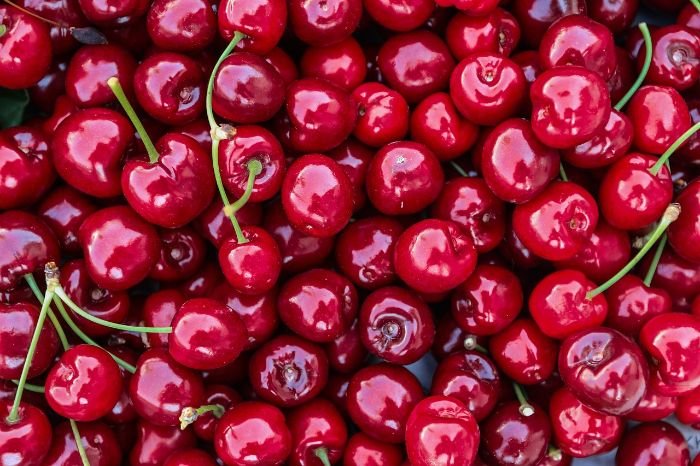
Knowing when cherries are ripe is key for a good harvest. Ripe cherries are firm, plump, and have a deep color. They come off the stem easily when twisted. Don’t pick cherries that are not ripe yet, as they won’t taste sweet or flavorful.
Harvesting Techniques
Picking cherries needs care. Take each cherry off the tree by twisting it gently until it comes off. Be gentle to avoid hurting the fruit or branches. It’s best to pick them in the early morning or late evening when it’s cooler and they won’t bruise easily.
Storing and Preserving Cherries
After picking, store cherries right to keep them fresh and tasty. Put them in a shallow container and refrigerate them quickly. Don’t wash them until you’re ready to eat or use them, as moisture can make them spoil faster.
If you have lots of cherries, you can preserve them for later. Freezing is a great way to keep their flavor. Wash and pit the cherries, then put them in airtight containers or freezer bags. Label and date them, and freeze for up to a year.
Delicious Cherry Recipes
Cherries are great to eat by themselves or as an ingredient in many dishes. They add flavor and color to pies, tarts, jams, and sauces. Try different cherry recipes to enjoy their sweet taste.
Whether you like classic cherry pie or homemade preserves, there’s a recipe for you. Cherries can also be used in savory dishes like salads and sauces for something new.
Conclusion – Sleep Better with Homegrown Cherries
Homegrown cherries are a great way to get better sleep. They are full of melatonin, a hormone that helps you sleep. Eating cherries, fresh or in recipes, gives you melatonin and a tasty treat.
Growing cherries lets you have fresh melatonin-rich cherries anytime. Harvest them when they’re ripe for the best nutrition. Homegrown cherries give you melatonin for better sleep and taste.
Sleep is key for your health, and cherries can help. They’re tasty and full of vitamins, minerals, and antioxidants. Cherries also have fiber for your gut health. Enjoy cherries for their health perks and sweet taste.
Wake up feeling great with cherries in your life. Plant cherry trees or add cherries to your meals for better sleep and health. Start growing your own cherries for a good night’s sleep.
FAQ
What are the sleep-promoting effects of melatonin?
Melatonin helps control sleep and wake cycles. Eating foods high in melatonin, like cherries, can make sleep better and help you fall asleep faster.
What is melatonin?
Melatonin is a hormone made by the pineal gland in the brain. It helps set sleep and wake times and makes sleep restful.
Why are cherries a natural source of melatonin?
Cherries have melatonin naturally. This makes them great for better sleep. Adding cherries to your diet is an easy way to get more melatonin.
What are the key vitamins and minerals found in cherries?
Cherries are packed with vitamins and minerals. These include vitamin C, potassium, and manganese.
What are the antioxidant properties of cherries?
Cherries have vitamin C. This vitamin fights off harmful free radicals and boosts the immune system.
How should I care for my cherry trees?
Take care of your cherry trees by watering, fertilizing, managing the soil, and pruning. This helps them grow well and produce more fruit.