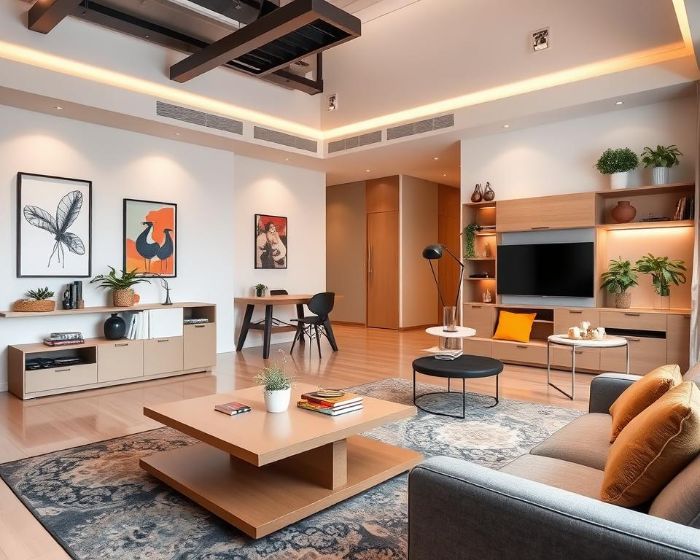





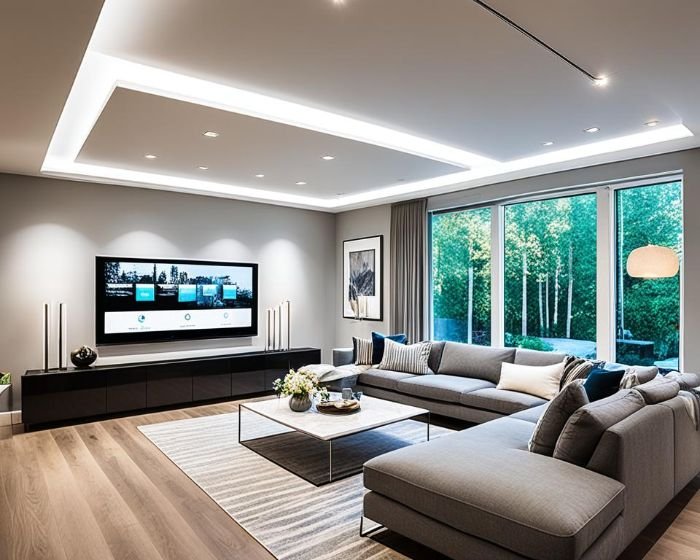
Did you know that smart lighting solutions can significantly enhance the ambiance and functionality of your home? With the advent of advanced home lighting technology, homeowners now have access to a wide range of smart lighting solutions that offer energy efficiency, convenience, and customization options like never before.
In this comprehensive guide, we will explore the world of smart lighting and discuss how it can transform your modern home. From the benefits of smart lighting to the technology behind these innovative systems, we’ll cover everything you need to know to make informed decisions about implementing smart lighting in your home.
So, let’s dive in and discover how smart lighting solutions can revolutionize your living space!
Key Takeaways:
- Smart lighting solutions offer enhanced energy efficiency and cost savings for modern homes.
- Convenience and comfort are greatly improved with the ability to control lighting remotely via smartphone apps or voice commands.
- Smart lighting systems rely on advanced technology, such as wireless communication protocols, to provide seamless lighting control.
- When choosing smart lighting, consider factors like compatibility, lighting type, installation ease, and additional features and accessories.
- Smart lighting systems offer advanced customization and automation options, including security features.
Table of Contents
Benefits of Smart Lighting in Modern Homes
Smart lighting offers numerous benefits for modern homes. Firstly, it provides energy efficiency and cost savings by utilizing low-energy LED bulbs that deliver ample light while consuming minimal energy. This results in reduced electricity bills and a smaller carbon footprint.
Secondly, smart lighting enhances convenience by allowing homeowners to control their lights remotely via smartphone apps or voice commands. This eliminates the need to manually adjust switches and provides greater flexibility in managing lighting preferences.
Additionally, smart lighting systems can create personalized lighting scenes and schedules, optimizing comfort levels in different areas of the home. Whether you want bright task lighting for focused work or soft ambient lighting for a cozy movie night, smart lighting can adjust to your desired atmosphere with just a few taps on your smartphone or a simple voice command.
How Do Smart Lighting Systems Work?
Smart lighting systems rely on advanced technology to offer seamless and efficient lighting control. These systems, also known as connected lighting, utilize wireless communication protocols, such as Zigbee or Wi-Fi, to enable smart bulbs, fixtures, and switches to communicate with each other and with central control devices.
This interconnectedness allows homeowners to customize lighting settings, adjust brightness levels, and change colors with ease. Whether it’s creating the perfect ambiance for a cozy movie night or setting the mood for a dinner party, smart lighting systems offer unparalleled flexibility and control.
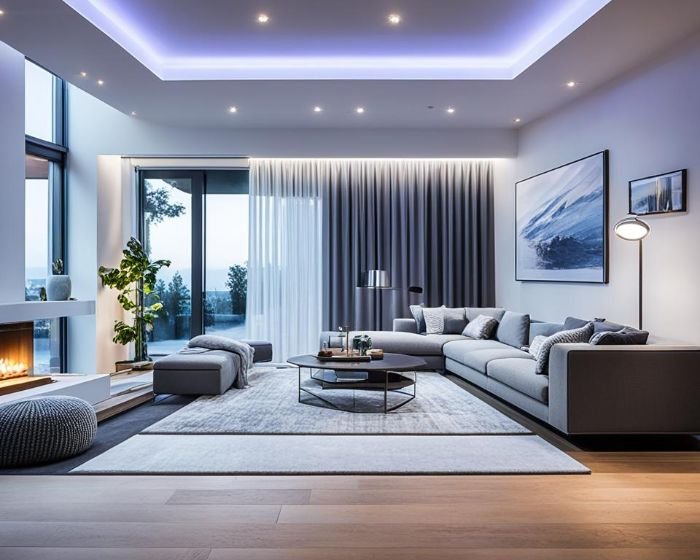
Furthermore, smart lighting systems are designed to be compatible with popular smart home platforms, including Amazon Alexa, Google Assistant, and Apple HomeKit. This compatibility enables seamless integration and control through voice commands and smart home automation routines.
By connecting smart lighting with other smart home devices, homeowners can experience a truly connected and automated living space. For example, you can program your lights to turn on when you enter a room, adjust the lighting based on the time of day, or even sync it with your favorite music or movies for a more immersive experience.
Overall, the technology behind smart lighting systems and their compatibility with smart home devices have revolutionized the way we control and interact with our lights. With just a few taps on a smartphone or a simple voice command, you can transform the lighting in your home and create a personalized atmosphere that suits any occasion.
Choosing the Right Smart Lighting Solution
When it comes to selecting smart lights for your home, it’s important to consider several factors. By choosing the right smart lights, you can enhance the ambience, convenience, and energy efficiency of your living spaces. Here are some key factors to consider when buying smart lights:
Factors to Consider When Selecting Smart Lights
- Compatibility with Existing Smart Home Devices and Platforms – Ensure that the smart lights you choose are compatible with your existing smart home devices and platforms. This will allow for seamless integration and control through a single interface.
- Type of Lighting Required – Consider the type of lighting you need for different areas of your home. Whether it’s color-changing bulbs for creating ambiance, ambient lighting strips for accent lighting, or task lighting fixtures for focused illumination, choose smart lights that meet your specific lighting requirements.
- Installation and Setup – Evaluate the ease of installation and setup for the smart lights you are considering. Opt for lights that are user-friendly and come with clear instructions, enabling a hassle-free installation process.
- Additional Features and Accessories – Explore the availability of additional features and accessories that complement your smart lighting system. This could include features such as dimming capabilities, scheduling options, motion sensors, or compatibility with voice assistants.
Reviewing the Top Smart Lighting Products
With a wide range of smart lighting products available in the market, it can be overwhelming to choose the best one for your home. To help you make an informed decision, here are some of the top smart lighting products worth considering:
- Philips Hue – Known for its extensive range of smart lighting solutions, Philips Hue offers a variety of bulbs, light strips, and fixtures. With seamless integration with popular smart home platforms, Philips Hue provides enhanced flexibility and control.
- LIFX – LIFX offers a diverse range of smart lighting products that deliver vibrant colors and high-quality illumination. These Wi-Fi-enabled lights can be controlled through a smartphone app or voice commands, providing a convenient lighting experience.
- Nanoleaf – Nanoleaf specializes in unique lighting designs that serve as both functional fixtures and artistic installations. Their smart lighting panels allow for customizable patterns and colors, adding a touch of creativity to your home.
- Yeelight – Yeelight offers affordable smart lighting solutions that are compatible with major smart home platforms. With options ranging from color-changing bulbs to desk lamps, Yeelight provides a cost-effective way to upgrade your lighting.
By considering these factors and exploring the top smart lighting products, you can choose the right smart lights that align with your preferences, budget, and technology requirements.
Advanced Features and Capabilities
Smart lighting systems offer a wide range of advanced features and capabilities that go beyond basic lighting control. These intelligent systems provide homeowners with various options for customization and automation, making it easier than ever to create the perfect lighting environment in their homes.
Customization and Automation Options
One of the key advantages of smart lighting is the ability to customize the lighting settings according to your preferences. With advanced features, you can easily adjust the colors and brightness levels of your lights to create personalized lighting scenes. Whether you want a bright and energetic atmosphere for a gathering or a cozy and relaxing ambiance for a movie night, smart lighting allows you to tailor the lighting experience to suit any occasion.
Furthermore, automation capabilities enable you to schedule automatic lighting changes throughout the day. You can set your lights to gradually brighten in the morning to simulate the sunrise, helping you wake up naturally. Similarly, you can program your lights to gradually dim in the evening to prepare for a peaceful night’s sleep. With these automation options, smart lighting seamlessly integrates into your daily routine, enhancing your overall comfort and convenience.
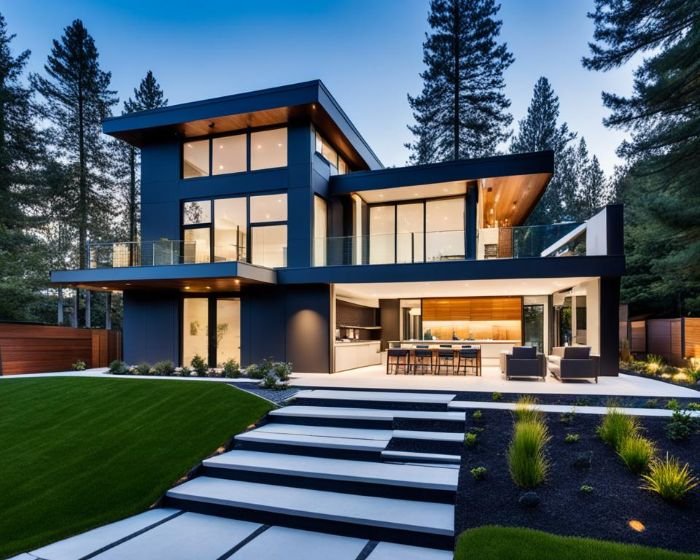
Smart lighting systems also offer valuable security benefits for your home. By integrating motion sensors or door/window sensors with your smart lighting, you can enhance the security of your property. When motion is detected, the lights can automatically turn on, deterring potential intruders and making your home appear occupied. This feature is particularly useful when you’re away from home, as it creates the illusion that someone is present, adding an extra layer of security.
In addition, you can use smart lighting to simulate activity when you’re on vacation or away for an extended period. By setting up schedules and routines, you can program the lights to turn on and off at specific times, making it seem like you’re still home. This proactive approach to home security offers peace of mind and helps protect your property even when you’re not physically there.
Tips for Integrating Smart Lighting with Other Smart Home Devices
Integrating smart lighting with other smart home devices can enhance your home automation experience and create a seamless and comprehensive smart home ecosystem. By integrating smart lighting with devices such as smart speakers, smart thermostats, and smart security systems, you can streamline your daily routines and improve the overall efficiency of your home.
Incorporating smart lighting into your smart home setup offers numerous benefits, including:
- Improved Convenience – By integrating your smart lighting with other devices, you can control your lights using voice commands or through automation routines. For example, you can use a smart speaker to turn on the lights in your living room or set the lights to gradually dim at bedtime.
- Enhanced Energy Efficiency – Smart lighting can be programmed to adjust brightness levels based on natural light conditions or occupancy. By integrating your smart lighting with smart sensors or motion detectors, you can ensure that lights are only on when needed, resulting in energy savings and reduced electricity bills.
- Synchronized Ambiance – Integrating smart lighting with other smart home devices allows you to create synchronized ambiance throughout your home. For instance, you can program your smart lighting to complement the music playing on your smart speaker, creating a captivating and immersive experience.
The integration of smart lighting with other smart home devices allows for a truly connected and intelligent living space where your lighting seamlessly interacts with and enhances other aspects of your home automation system.
When integrating smart lighting into your smart home setup, here are some tips to keep in mind:
- Choose Compatible Devices – Ensure that the smart lighting system you choose is compatible with your other smart home devices and platforms. This will ensure smooth communication and seamless integration between different devices.
- Create Automation Routines – Take advantage of automation routines to create customized lighting scenarios. For example, you can program your smart lighting to gradually brighten in the morning, automatically turn off when you leave home, or synchronize with your entertainment system for movie nights.
- Utilize Voice Commands – If your smart lighting system supports voice control, make use of voice commands to control multiple devices simultaneously. This allows you to adjust the lighting in multiple rooms with a single command, making your smart home even more convenient and user-friendly.
- Maximize Connectivity – Explore the connectivity options between your smart lighting and other smart devices. For example, you can integrate your smart lighting with your smart security system to automatically turn on lights when motion is detected, enhancing your home’s security.
By following these tips and integrating your smart lighting with other smart home devices, you can create a cohesive and intelligent home automation system that enhances your everyday life. Enjoy the convenience, energy efficiency, and synchronized ambiance that smart lighting brings to your smart home.
Conclusion
In conclusion, smart lighting solutions provide a wide range of benefits for the modern home. The enhanced energy efficiency of these systems not only helps homeowners save on electricity bills but also reduces their carbon footprint, making them an environmentally friendly choice. Additionally, the convenience offered by smart lighting allows homeowners to control their lights remotely and create personalized lighting scenarios that perfectly suit their needs and preferences.
By considering the factors outlined in this guide, such as compatibility with existing smart home devices and the type of lighting required, homeowners can select the perfect smart lighting solution for their home. Exploring the top smart lighting products on the market is also essential to make an informed decision. These products offer a variety of features and functionalities that can transform the ambiance of any living space.
Moreover, integrating smart lighting with other smart home devices opens up endless possibilities for automation and control. By combining lighting with other systems like smart speakers and security systems, homeowners can create a more cohesive and seamless home automation experience. This allows for effortless control over various aspects of the home, improving overall efficiency and convenience.
Embrace the future of lighting technology and experience the convenience and comfort that smart lighting brings to your modern home. With its energy efficiency, convenience, and customization options, smart lighting has the power to transform any space into a perfect sanctuary for any occasion. Enhance your home lighting experience today and enjoy the numerous benefits that smart lighting has to offer.
FAQ
What are the benefits of smart lighting in modern homes?
Smart lighting offers enhanced energy efficiency and cost savings, as well as improved convenience and comfort. It utilizes low-energy LED bulbs, allows remote control via smartphone apps or voice commands, and can create personalized lighting scenes and schedules.
How do smart lighting systems work?
Smart lighting systems rely on advanced technology and wireless communication protocols, such as Zigbee or Wi-Fi, to enable smart bulbs, fixtures, and switches to communicate with each other and with central control devices. They are compatible with popular smart home platforms, allowing for integration and control through voice commands and automation routines.
What factors should be considered when selecting a smart lighting solution?
It is essential to consider compatibility with existing smart home devices and platforms, the type of lighting needed, ease of installation and setup, and the availability of additional features and accessories. Researching and reviewing top smart lighting products on the market is also recommended.
What advanced features and capabilities do smart lighting systems offer?
Smart lighting systems offer customization options, allowing homeowners to create personalized lighting scenes, adjust colors and brightness levels, and schedule automatic lighting changes. They can also be integrated with other smart home devices for enhanced security and automation.
How can smart lighting be integrated with other smart home devices?
Smart lighting can be integrated with devices such as smart speakers, smart thermostats, and smart security systems. This integration allows for the creation of automation routines, utilization of voice commands for controlling multiple devices, and maximization of connectivity between different smart devices to streamline daily routines and improve overall home efficiency.