




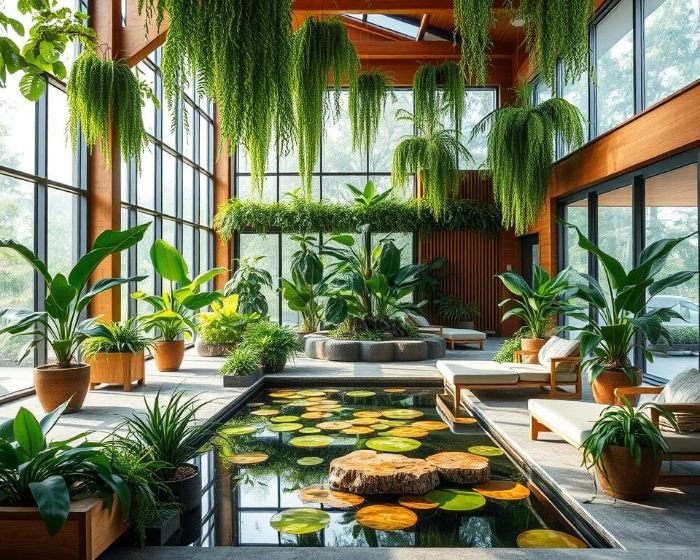
What if connecting indoors with nature could boost your well-being? People spend almost all their time inside, moving between home and work. This makes biophilic design very important. It combines beauty with natural elements in our spaces.
By linking indoors with outdoors, biophilic design makes us feel better. It turns our places into havens of health and joy. This is what biophilic design offers.
Key Takeaways
- People spend around 80-90% of their time indoors, highlighting the need for better indoor environments.
- Biophilic design utilizes natural materials to improve emotional comfort and overall health.
- Integrating elements like plants and natural light can significantly boost productivity and creativity.
- Exposure to nature – even in simulated forms – has been shown to reduce stress and anxiety levels.
- Natural designs can lead to cognitive improvements and enhance focus through calming effects.
- Biophilic design principles align with sustainability, promoting eco-friendly living.
- Wood elements in design have been linked to relaxation and a reduction in stress responses.
Table of Contents
What is Biophilic Design?
Biophilic design connects us to nature through buildings. It uses elements that remind us of nature. This makes us feel better and more at peace.
This idea comes from biophilia. It’s about our natural urge to be with living things.
Origins and Principles of Biophilic Design
Erich Fromm first used the term biophilia in 1964. Edward O. Wilson made it famous in the 1980s. It shows how we’ve always been connected to nature.
This connection makes us feel good and helps us get along with our surroundings.
Biophilic design has a few main parts:
- Direct experience of nature – being near light, air, water, and plants.
- Indirect experience of nature – using nature’s images, materials, and colors.
- Creating spaces that feel like the outdoors.
Why Biophilic Design is Trending in Home Décor
More people want biophilic design in their homes. This is because we spend most of our time indoors. Without nature, we feel stressed and disconnected.
Homeowners want to bring nature inside. They want natural light, plants, and water features. This makes them feel calm and comfortable.
Studies show people like homes with nature views. They’re willing to pay more for these homes. As cities grow, we need peaceful, natural spaces in our homes.
Benefits of Biophilic Design in Your Home
Biophilic design in homes brings many benefits. It improves both mental and physical health. As cities grow, we need places that feel natural and restorative.
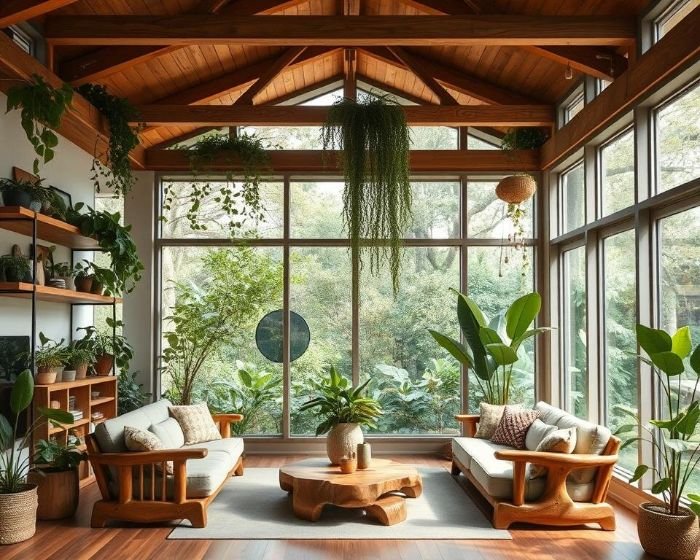
Homes can help us live healthier by adding natural elements.
Enhancing Mental and Physical Well-being
Biophilic design features are good for our health. They help lower blood pressure and reduce anxiety. Studies show that plants indoors can make us feel better.
Just five medium plants can clean the air by 75%. This makes our homes healthier.
Reducing Stress and Promoting Relaxation
Nature helps us relax and feel less stressed. Spaces with natural elements help us calm down. Work stress costs millions of lost days each year.
Biophilic design can make us feel better mentally and physically.
Boosting Productivity and Creativity
Biophilic design also boosts our mood and work performance. People working in natural settings feel more motivated and creative. A study found they felt 15% better and worked 6% more efficiently.
Adding natural light and plants helps us focus and think better. This is true for both home offices and big companies.
Key Elements of Biophilic Design
Biophilic design brings nature indoors to make spaces better for our well-being. It uses natural light, plants, and eco-friendly materials. These elements make any area look and feel better.
Natural Lighting and Its Importance
Natural light is key in biophilic design. It makes us feel good and energized. Big windows and skylights let in more light, making spaces lively and welcoming.
Incorporating Greenery and Plant Life
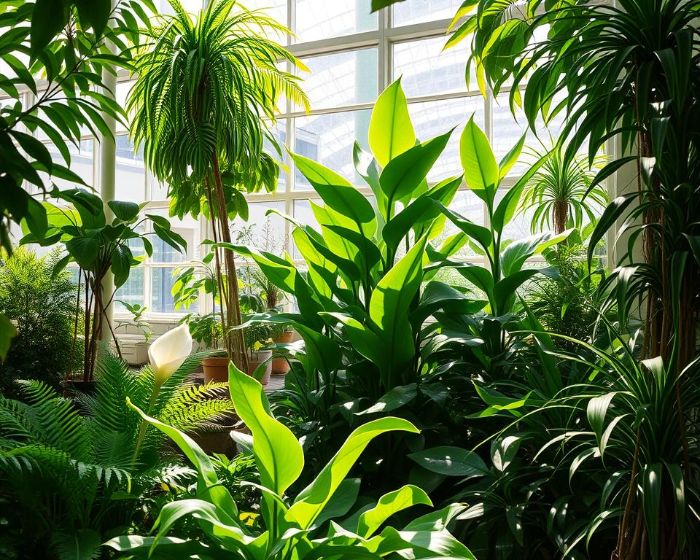
Indoor plants do more than just look good. They clean the air and make spaces quieter. They also make us feel calm and happy. Vertical gardens are great for small spaces, bringing nature closer to us.
Natural Materials like Wood, Stone, and Bamboo
Using natural materials in design is important. Wood, stone, and bamboo make spaces feel cozy and natural. They add texture and warmth, making spaces feel more connected to nature.
Biophilic Design Tips for Every Room
Biophilic design brings nature into every room. It makes spaces more relaxing and healthy. By using natural elements, we can make our homes feel like nature.
Living Room – Creating a Cozy, Natural Ambience
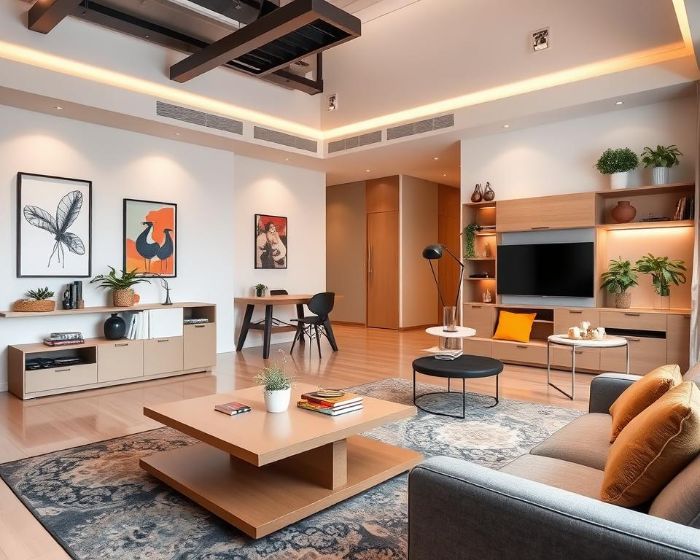
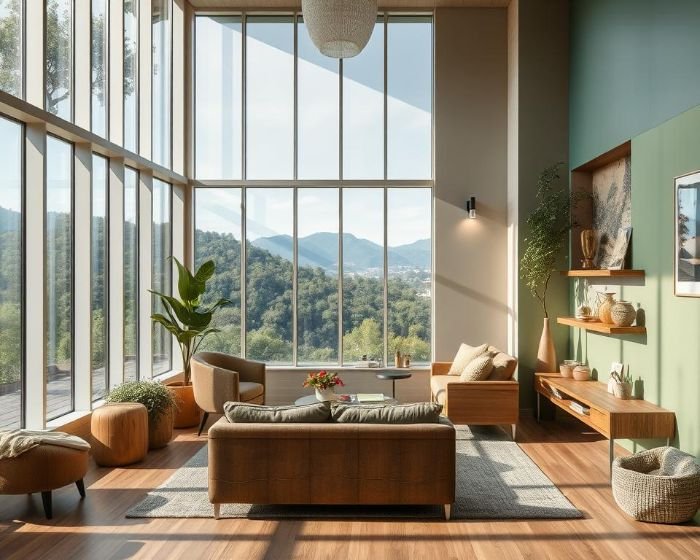
Large windows in the living room let in lots of light. This makes the room feel open and airy. Wood furniture and floors add warmth and coziness.
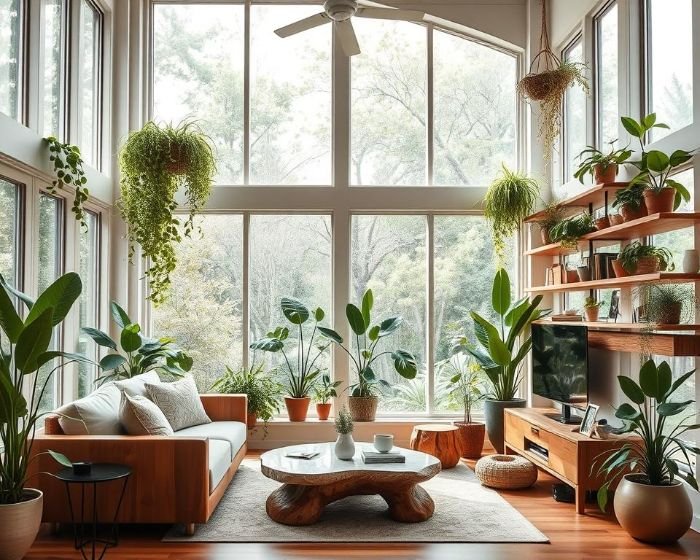
Adding plants makes the room feel more natural. It turns the living room into a cozy place to relax.
Kitchen – Adding Greenery and Natural Materials
In the kitchen, herbs and small plants make it welcoming. Wooden cutting boards and bamboo utensils bring in organic touches. A light color scheme makes the kitchen feel fresh and inviting.
Bedroom – Designing a Tranquil, Nature-Inspired Space
Make the bedroom calm with soft colors and natural textures. Organic linen makes it cozy and peaceful. Placing furniture to see green outside helps you relax.
Ways to Integrate Biophilic Design at Home
Adding biophilic design to your home makes it better and healthier. You can use indoor plants, water features, and natural textures. This makes your home feel closer to nature. Here are some ways to do it.
Choosing Indoor Plants and Vertical Gardens
Choosing the right indoor plants can improve air quality and look. Try peace lilies, snake plants, or pothos for their air-purifying benefits. Vertical gardens are great for small spaces, offering greenery without taking up much room.
They make a strong statement and help calm your space by improving air quality.
Using Water Elements for Calming Effects
Water features like small fountains or indoor ponds can change your home’s feel. The sound of water flowing can lower stress and help you relax. Adding these in living areas or bedrooms can make your home peaceful.
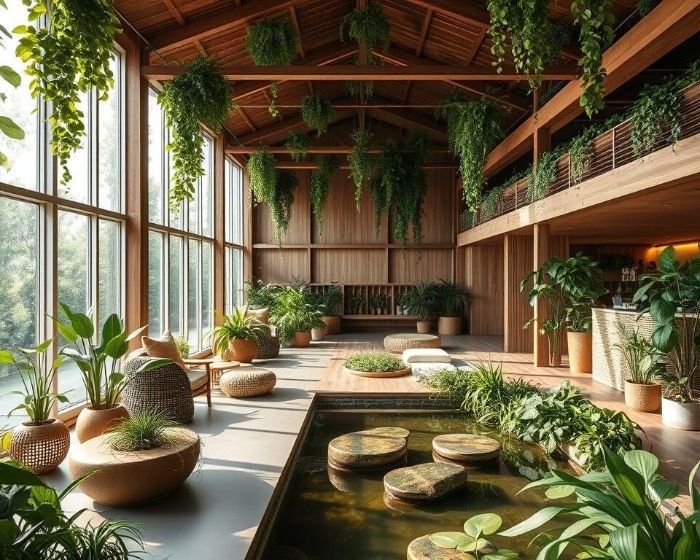
Water walls or aquariums are eye-catching and improve your senses in your space.
Bringing in Natural Textures and Patterns
Natural textures are key to a biophilic look. Use fabrics that remind you of nature, like stone-patterned wallpapers or leaf-like textiles. Materials like wood, stone, or bamboo add interest and warmth.
This connection to nature improves your life and brings harmony to your home.
Biophilic Décor Ideas Beyond Plants
Biophilic décor is more than just plants. It’s about using nature-inspired colors, natural scents, and outdoor views. These elements make your home feel calm and connected to nature.
Using Nature-Inspired Color Palettes
Choosing colors that remind you of nature can change your home. Pick soft greens, earthy browns, and deep blues. These colors bring peace and a connection to the outdoors.
Painting walls or picking furniture in these colors helps. It makes your home feel soothing and supports biophilic design.
Incorporating Natural Scents and Aromatherapy
Using natural scents in your home can make it feel more relaxing. Lavender, eucalyptus, and sandalwood are great for calming. You can use essential oils, scented candles, or incense.
This adds to the calming feel of your home. It also helps you feel more connected to nature and improves your mood.
Maximizing Views of the Outdoors
Designing with outdoor views in mind can make your home feel more connected to nature. Place seating near big windows or create outdoor spaces that feel like part of your home. This lets natural light in and reminds you of the outdoors.
It helps balance indoor comfort with the beauty of nature. This makes your home feel more harmonious and peaceful.
Common Mistakes to Avoid in Biophilic Design
Adding biophilic design to your space can make you feel better and work better. But, some common mistakes can ruin its benefits. Knowing these mistakes helps make your indoor space better.
Overcrowding Spaces with Too Many Plants
Greenery is key in biophilic design, but too many plants can make a mess. Too much greenery can be hard to take care of and mess up the look. It’s better to pick a few plants that do well in your space.
Ignoring the Importance of Lighting and Ventilation
Good lighting is vital for plants and for people to feel comfortable. Not enough light can hurt plants and make your space look bad. Also, air flow is important for plants and for people’s health. Make sure your space gets enough natural light and air.
Biophilic Design for Small Spaces
Turning small areas into green spaces is possible with biophilic design. Even a small spot can become a mini garden. This boosts air quality and makes your space feel cozy.
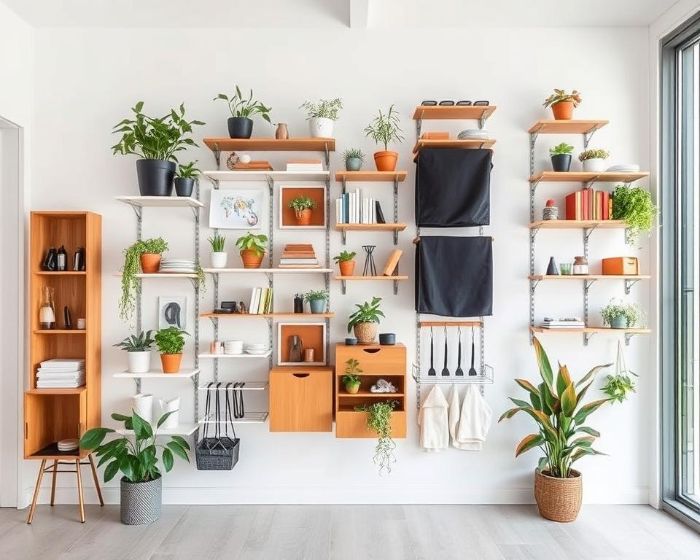
Choose a corner for a green spot. Use wall-mounted planters or hanging pots. They use vertical space well and let plants grow, bringing a calm, natural feel.
Creating a Green Nook or Indoor Garden
Small space biophilic design can make your home feel like the outdoors. Think about using shelves for plants and materials like terrariums or vines. This makes your space look good and feels calming.
Just a few plants can make your home feel welcoming. They can also help you relax and feel less stressed.
Choosing Space-Saving Plants and Accessories
For your indoor gardens, pick plants that don’t take up much space. Succulents are great because they’re easy to care for and fit well in small areas. Use small pots and creative plant displays on shelves.
This way, your biophilic design will be both beautiful and practical. It shows that even a small area can connect you to nature.
FAQ
What is biophilic design?
Biophilic design connects people with nature indoors. It makes spaces better for well-being and comfort. It uses light, water, and plants in homes and offices.
How does biophilic design contribute to mental health?
Studies show biophilic design boosts mental health. It lowers stress and anxiety. Natural elements create calm spaces.
Why is biophilic design trending in contemporary home decor?
People want to feel better by adding nature indoors. As cities grow, homes become more like nature.
What are some key elements of biophilic design?
Key elements are natural light, plants, and sustainable materials. Spaces should also offer views of the outdoors.
What indoor plants are best for biophilic design?
Peace lilies, snake plants, and pothos are great. They clean the air and look good in your home.
What are some common mistakes to avoid in biophilic design?
Avoid too many plants and ignore lighting and air. Plants need space and air, and so do people.