




Ever thought about what’s in your cleaning products? More people are making their own cleaners because of the bad stuff in store-bought ones. These homemade solutions are safe and work well with things you already have at home.
Did you know 40% of cleaning products are made at home? You can clean your kitchen and bathroom with simple recipes. It’s easy and fun to make your own cleaners.
Making safe cleaners is easy with common items like vinegar, baking soda, and essential oils. These recipes save money and keep your family safe. Let’s dive into making your home clean and green with DIY solutions.
Key Takeaways
- 40% of home cleaning products are DIY natural solutions.
- White vinegar and baking soda are key ingredients in many recipes.
- Homemade cleaners help reduce toxic chemical exposure.
- Eco-friendly cleaning can be cost-effective and easy to make.
- Natural ingredients can tackle a wide range of cleaning challenges.
Table of Contents
Benefits of Using Natural Cleaning Solutions
Switching to natural cleaning solutions has many benefits for homes. One big plus is less chemical exposure, which is great for those who are sensitive. Traditional cleaners can be toxic and harm skin and lungs.
Choosing eco-friendly options makes homes safer for families and pets. This is because natural cleaners don’t have harmful chemicals.
Reducing Exposure to Harsh Chemicals
Natural cleaning products lower the risk of harmful chemicals. Indoor air quality can be bad, especially from cleaners. This makes using non-toxic solutions very important.
Natural cleaners are gentle but still effective. They use safer ingredients that don’t harm health.
Eco-Friendly and Cost-Effective Cleaning Alternatives
Natural cleaning solutions are good for the environment and save money. DIY recipes using vinegar and baking soda are popular. They replace expensive, chemical cleaners.
These alternatives clean well with less product. They also come in sustainable packaging, like refill pouches and recyclable materials. This supports a greener lifestyle.
Ingredients for DIY Natural Cleaners
Starting to make your own natural cleaners is easy. You just need to know about a few key ingredients. White vinegar, baking soda, and lemon juice are great for cleaning. They’re good for the planet and save money too.
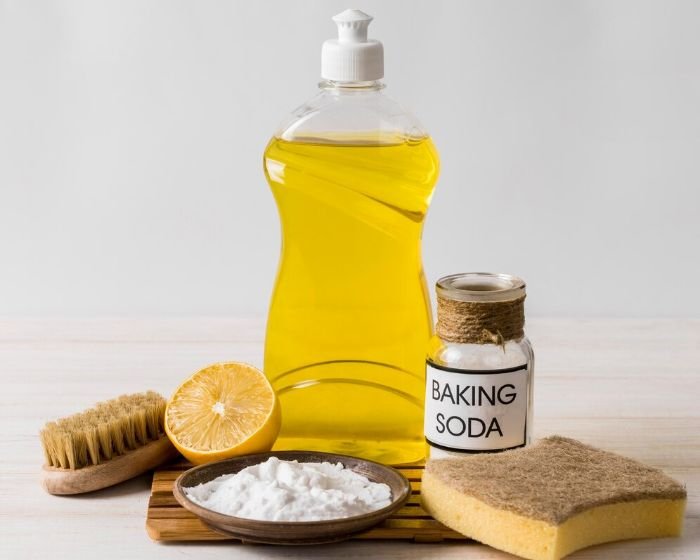
White Vinegar, Baking Soda, and Lemon Juice
White vinegar is a strong disinfectant and deodorizer. It’s perfect for many cleaning jobs. Its acid helps remove dirt and stains.
Baking soda is great at soaking up smells and gently cleaning surfaces. It’s used in laundry, cleaning, and even for carpets. Lemon juice is also useful, with its antibacterial properties and fresh scent.
Essential Oils for Fragrance and Antibacterial Properties
Adding essential oils to your cleaning recipes can make them better. Oils like tea tree, lavender, and eucalyptus smell nice and fight bacteria. They make your home smell good and keep it clean without harmful chemicals.
DIY Kitchen Cleaning Solutions
Cleaning your kitchen with natural ingredients is a great way to keep your home healthy. These kitchen cleaning recipes use common household products. They make surfaces clean and safe.
All-Purpose Kitchen Counter Cleaner Recipe
This DIY cleaner uses white vinegar and essential oils. You’ll need:
- 1 cup distilled white vinegar
- 1 cup distilled or boiled water
- 10-15 drops of lemon essential oil
- 10-15 drops of orange essential oil
Mix everything in a spray bottle. It cleans and disinfects, making your kitchen smell nice. Keep it in the fridge to last up to three months.
Natural Degreaser for Stovetops and Ovens
A natural degreaser is key for tough grease. You’ll need:
- 1 cup rubbing alcohol
- 3 cups water
- 5 drops of dish detergent
Mix these in a spray bottle. It works great on stovetops and ovens. It also deodorizes.
When cleaning cabinets, spray on a cloth first. Then wipe down knobs and surfaces. It removes dust and grease stains.
Natural Bathroom Cleaners
Creating your own bathroom cleaners at home is good for your health and the planet. You can use common kitchen items to make safe and effective cleaners. Here are two easy recipes to keep your bathroom clean.
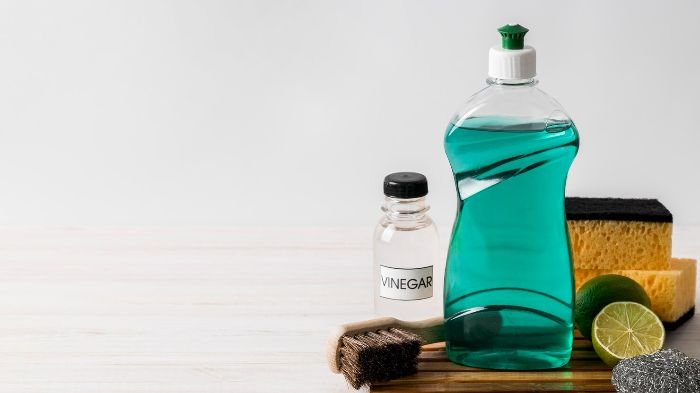
Homemade Tile and Grout Cleaner
This DIY cleaner is great for bathroom grime. To make it, mix:
- 2 tablespoons of Liquid Castile Soap
- 1 tablespoon of Baking Soda
- 2 cups of Warm Distilled Water
- Optional: a few drops of your favorite Essential Oil (like Tea Tree or Sweet Orange)
Put these ingredients in a 16-ounce spray bottle. The warm water helps the baking soda work well. Keep the solution in a cool place and use it in a month.
DIY Toilet Bowl Cleaner with Essential Oils
Try using lemonade Kool-Aid for a natural toilet cleaner. It has citric acid to break down stains. Or, you can use this mix:
- 1 cup of Baking Soda
- 1 cup of White Vinegar
- Optional: a few drops of an Essential Oil for fragrance
Put the baking soda and vinegar in the toilet bowl. Let it fizz for 10 minutes, then scrub. This cleaner keeps your toilet fresh and odor-free without harsh chemicals.
Living Room and Furniture Cleaning
Keeping your living room clean is key, especially for furniture care. Proper care can make your furniture last longer and your space feel welcoming. Here are some tips for cleaning your living room, including recipes for wood polish and dusting spray.
Wood Polish for Furniture
To make a great wood polish, mix equal parts olive oil and vinegar. This combo conditions and shines wood without harsh chemicals. Use a soft cloth to apply it, buffing in the wood grain direction. For an alternative, coconut oil is also excellent for polishing wood. It not only makes wood shiny but also keeps it moist, preventing dryness or cracking. Coconut oil is safe for kids and pets because it’s non-toxic, making it a great choice for homes with little ones or furry friends. Additionally, it works especially well on wood that gets a lot of sunlight, as it helps protect against the drying effects of UV exposure. Try it on walnut, mahogany, oak, and other hardwoods to maintain their rich color and natural beauty.
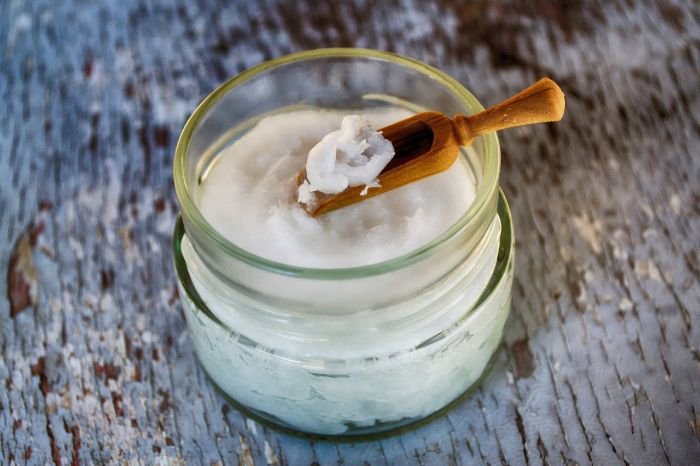
This polish not only enhances the look of your furniture but also keeps wood healthy and well-conditioned for years to come.
Dusting Spray for Surfaces and Decor
Refresh your home with a natural dusting spray. Mix one part castile soap with four parts water. Add a few drops of your favorite essential oil for scent and germ-fighting.
This spray is perfect for all surfaces. It cuts down dust and keeps your home smelling fresh.
DIY Bedroom Cleaning Solutions
Keeping your bedroom clean and fresh improves sleep and relaxation. Using natural ingredients makes your space smell good and healthier. You can make fabric fresheners and natural window cleaners at home easily.
Fabric Freshener and Mattress Spray
Homemade fabric fresheners get rid of bad smells from bedding and furniture. Here’s what you need:
- 2 cups water
- 1 tablespoon baking soda
- 5 to 10 drops of your favorite essential oil
Put these in a spray bottle and shake it up before each use. It not only gets rid of bad smells but also leaves a nice scent on your bed and pillows.
Natural Window Cleaner for Bedroom Windows
Clean windows let in more natural light, making your room feel brighter and fresher. Here’s a simple recipe for a natural window cleaner:
- 2 cups water
- 2 tablespoons white vinegar
- 2 tablespoons rubbing alcohol
- 5 drops peppermint essential oil
Mix everything in a spray bottle and spray it on the glass. Use a microfiber cloth to clean it without streaks. This cleaner keeps your windows clear and shiny without using harsh chemicals.
Laundry Room – Natural Laundry Detergent and Stain Remover
Using natural laundry detergent and DIY stain removers makes your laundry better. These homemade solutions clean clothes well and make your home healthier. They avoid harsh chemicals found in store-bought products. Here are some easy recipes to start with.
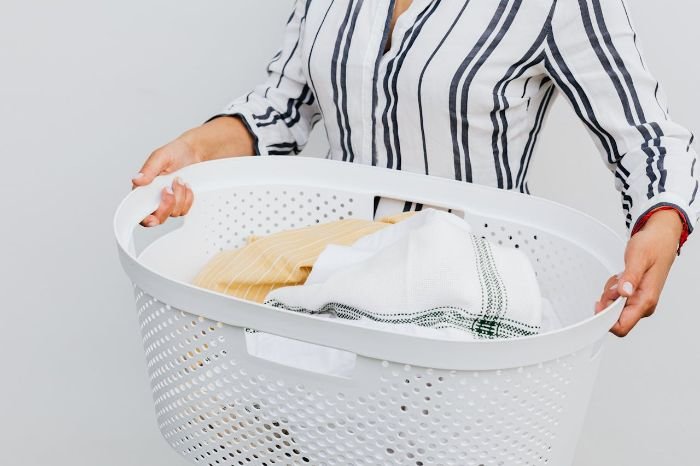
Recipe for Homemade Laundry Detergent
Making your own laundry detergent is easy and saves money. Here’s what you need for a big batch:
- 1 bar of soap (grated, castile soap works well)
- 1 cup of washing soda
- 1 cup of borax
Just mix everything well and put it in a sealed container. Use about 2 tablespoons for each load. This detergent cleans clothes well and is gentle on fabrics.
DIY Stain Remover for Clothes and Linens
For tough stains, try a DIY stain remover. Here are ingredients for different stains:
- Baking soda paste – Make a paste with baking soda and water for grease stains.
- Vinegar spray – Mix equal parts water and vinegar for food or drink stains.
- Hydrogen peroxide solution – Use hydrogen peroxide for blood or sweat stains. Apply it and wait before washing.
- Essential oils – Add a few drops of tea tree oil or lavender oil for a fresh smell and to fight bacteria.
These natural solutions remove stains well without harsh chemicals. They keep your clothes looking good and are safe for the planet.
Tips for Safe and Effective Use of DIY Cleaners
Using homemade cleaning solutions is great, but safety comes first. Storing your DIY cleaners right can make them last longer and work better. Use glass or top-notch plastic containers and label them well.
Keep them in a cool, dry spot, away from sunlight. This keeps them strong and safe from accidents with kids or pets.
Always test your cleaners on hidden spots first. This step is key to avoid damage or color changes on your stuff. Put a small amount on a secret spot, like inside a cabinet, and wait a bit.
If it looks good, you can use it everywhere. This way, your cleaning is both safe and effective.
Following these steps makes your DIY cleaning better and safer. It keeps your home healthy and your stuff looking good. Adding these tips to your cleaning routine will make it more fun and rewarding.
FAQ
What are the advantages of using DIY natural cleaning solutions?
DIY natural cleaners are better for your health and the planet. They use safe, natural ingredients. This makes them good for your skin and lungs and saves money.
Can I use essential oils in my homemade cleaners?
Yes, you can. Oils like tea tree, lavender, and eucalyptus make your cleaners better. They smell nice and fight germs.
How do I create an all-purpose cleaner for my kitchen?
Mix white vinegar, baking soda, and a few drops of your favorite essential oils. This combo cleans and disinfects kitchen surfaces well.
What natural ingredients are effective for cleaning bathrooms?
Use baking soda, vinegar, lemon juice, and essential oils for bathrooms. They fight mold and grime well.
How can I clean my wooden furniture naturally?
Mix equal parts olive oil and vinegar for wood polish. It makes wood shine and is safe for your home and the planet.
What’s a good recipe for a natural stain remover?
Make a stain remover with baking soda, vinegar, and hydrogen peroxide. It works on many stains and is gentle on fabrics.


