
Last Updated June 02, 2026
Homemade organic sprays for blight work only when they land on green leaf tissue before new spores infect it. Brown spots with yellow halos, target rings on lower tomato leaves, greasy dark patches after cool rain, and sudden stem lesions do not respond the same way. A spray bottle can slow a mild leaf-spot season. It cannot rebuild tissue that has already collapsed.
The safest blight plan starts with diagnosis, leaf removal, dry foliage, and clean tools. Use a mild baking soda oil spray or a label-rate neem or horticultural oil spray on remaining healthy leaves during early pressure. Use labeled organic copper only when the crop, disease, and harvest interval match the label.
Key Takeaways
- Spray green tissue before new spots appear.
- Remove infected lower leaves before mixing sprays.
- Test every homemade mix for leaf burn first.
- Skip vinegar blends on living leaves.
- Treat late blight as an urgent disease needing diagnosis, removal, and label-based options.
Table of Contents
Blight Spray Reality – Protect Green Tissue First
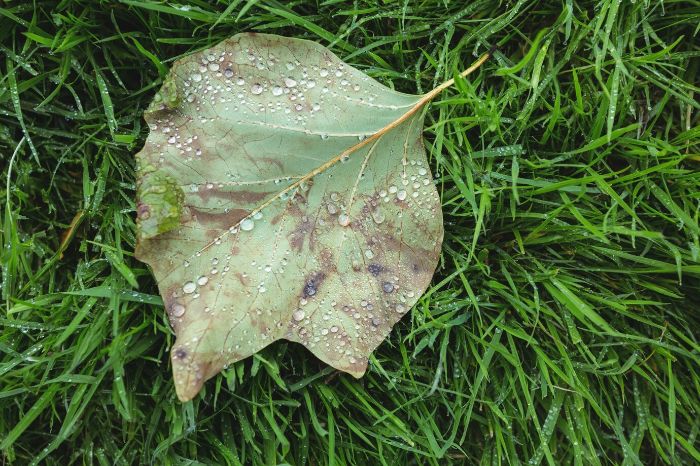
Blight is a symptom word gardeners use for several diseases. Early blight on tomato and potato often begins low on the plant as brown spots with target rings. Late blight moves faster in cool, wet weather and can darken leaves, stems, and fruit in days. Bacterial blights and leaf spots create water-soaked or angular marks that spread with wet hands, splash, tools, and dense foliage.
Sprays work on the surface. They change the leaf environment, coat the cuticle, or leave a contact residue where new spores land. The dead center of a blight spot is already gone. After infected tissue is removed from the spray plan, three checks decide whether treatment still has value: remaining healthy foliage, wet-weather pressure, and the speed of disease movement against new leaf growth.
Ordinary early blight in home tomatoes often needs mulch, dry foliage, pruning, sanitation, and rotation before fungicide. That matters because a spray-only plan leaves the same wet soil splash, crowded stems, and infected lower leaves in place.
| Blight Pattern | Likely Problem | Spray Role | First Action |
|---|---|---|---|
| Target-like rings on older lower leaves | Early blight or similar fungal leaf spot | Protect remaining green leaves | Prune spotted leaves and mulch soil |
| Dark water-soaked patches after cool wet weather | Possible late blight | Label-based fungicide only, if still useful | Remove infected tissue and confirm diagnosis fast |
| Angular greasy spots after handling wet plants | Bacterial blight or bacterial leaf spot | Limited; copper only when labeled | Stop handling wet plants and sanitize tools |
| White powdery growth on leaf surfaces | Powdery mildew, not true blight | Bicarbonate or oil sprays fit better | Improve airflow and treat early |
Use plant disease identification before spraying when symptoms do not fit a familiar pattern. Sunscald, herbicide drift, nutrient stress, and overwatering damage can mimic disease from a few feet away. A close look at leaf position, margin shape, stem lesions, and weather timing keeps the spray from becoming a reflex.
Choose The Right Homemade Blight Spray For The Symptom
The right homemade spray depends on whether the problem is early, mild, and surface-based. A few lower leaves with spots can be pruned away, then the remaining canopy can receive a protective coating. A plant with dark lesions on stems, fruit, and upper leaves needs a different response. By that stage, kitchen sprays waste the hours when removal or a labeled product matters more.
| Garden Situation | Use This Approach | Avoid This Mistake |
|---|---|---|
| Early blight begins on the lowest tomato leaves | Prune, mulch, then use mild baking soda oil spray on green leaves | Spraying dead spotted leaves and leaving them attached |
| Humid week follows several rainstorms | Use a preventive spray before new spots expand | Waiting until one-third of the canopy is brown |
| Leaves are heat-stressed, curled, or dry at midday | Water the root zone and delay spraying | Adding oil or soap to stressed foliage |
| Late blight is suspected on tomato or potato | Remove infected tissue and consider labeled organic copper | Testing garlic, vinegar, or baking soda for several days |
| Spots repeat every year in the same bed | Change rotation, mulch, spacing, and irrigation pattern | Treating the spray as the whole disease program |
Blight pressure drops when rotation, residue cleanup, drainage, mulch, and planting density reduce the number of spores reaching leaves before the first spray is mixed. Soil health management for disease prevention matters because spray coverage cannot compensate for infected residue and wet lower foliage.
Tomatoes, Potatoes, And Peppers Need Different Blight Decisions
| Crop | Main Blight Concern | Spray Decision | Non-Spray Step |
|---|---|---|---|
| Tomatoes | Lower-leaf early blight, late blight on upper growth, fruit lesions | Protect healthy foliage early; use copper only when label and disease match | Prune lower leaves, mulch, stake, and keep foliage dry |
| Potatoes | Late blight moving from foliage toward tuber risk | Act fast when symptoms match late blight; do not rely on kitchen sprays for an advancing outbreak | Remove infected foliage carefully and keep soil from washing spores toward tubers |
| Peppers | Bacterial spots, leaf spots, and wet-canopy spread | Use only products labeled for the crop and disease | Avoid handling wet plants and improve spacing |
| Ornamentals | Mixed leaf spots often called blight | Test mild sprays first and avoid edible-harvest assumptions | Remove damaged leaves and improve airflow |
Baking Soda Oil Spray – Use A Mild Cornell-Style Preventive Mix
Baking soda can temporarily raise the pH on the leaf surface, which may make germination harder for some surface spores on healthy tissue. It does not disinfect the plant, cure infected spots, or protect new growth after the coating has weathered away. Too much baking soda leaves salt on leaves and soil; too much oil or soap burns tender foliage.
This is a mild Cornell-style bicarbonate spray, not a registered blight cure. Keep the mix weak, test one leaf first, and stop using it if spots keep advancing faster than new foliage can stay clean.
| Ingredient | Amount | Purpose |
|---|---|---|
| Clean water | 1 gallon | Dilutes the mix enough for leaf use |
| Baking soda | 1 tablespoon | Raises leaf-surface pH briefly |
| Light horticultural oil or vegetable oil | 1 teaspoon | Helps the spray spread and cling |
| Mild liquid castile soap | 4 to 6 drops | Emulsifies oil in the water |
Mix the baking soda into half the water first. Stir the oil and soap in a small cup until they look cloudy and blended, then add that mixture to the sprayer. Add the remaining water and shake gently. The spray should look evenly cloudy, not oily on top.
Test one lower healthy leaf and wait 24 hours. A safe test leaf stays green, flexible, and matte. A burned test leaf shows pale speckling, tan edges, or a dull gray patch where droplets dried. Spray only the remaining healthy foliage, including the underside of lower leaves. Stop when the leaf is wet enough to glisten without dripping.
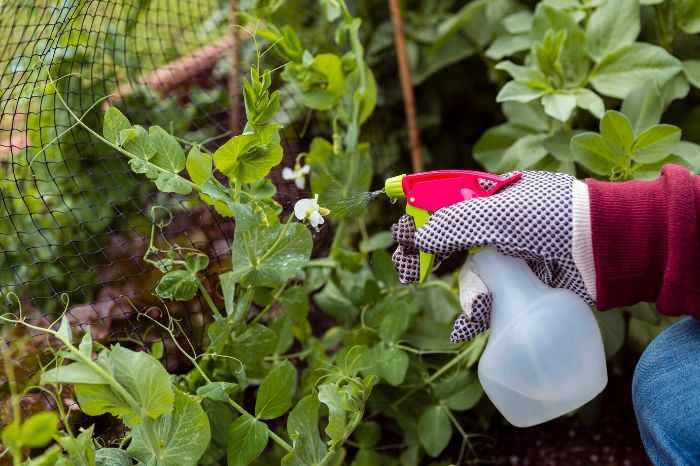
Use this mix no more than once a week during mild early pressure, and repeat only after rain if the test leaf stayed clean and the plant is not heat-stressed. Rinse the sprayer after use because baking soda residue clogs nozzles and leaves a crust around seals.
Neem Or Horticultural Oil Spray – Keep The Oil Gentle
Neem and horticultural oils are mixed at home from concentrates, and they behave like coating sprays. They work best on mild leaf-surface disease pressure and soft-bodied pests that weaken plants at the same time. Oil does not make a late-blight plant safe. It also increases leaf-burn risk when the plant is dry, hot, or recently sprayed with sulfur.
| Ingredient | Amount | Use Note |
|---|---|---|
| Water | 1 quart | Use room-temperature water for better mixing |
| Neem or horticultural oil concentrate | Use the label rate for the crop | Never guess the amount from a different product |
| Mild liquid soap | 2 to 3 drops only if needed | Use only when the product does not already emulsify |
Shake the sprayer every few minutes because oil separates as you work down a row. Coat the leaf surface lightly and avoid open flowers. Spray in the evening after bees have left and leaves still have time to dry before night humidity settles. Do not spray wilted plants; irrigate at the base and treat the next day after foliage looks normal again.
Oil spray fits best when blight pressure and pest pressure overlap. Aphids, mites, whiteflies, and stressed leaves create a messy canopy that dries slowly. Insects, dense growth, and disease pressure often meet on the same lower leaves, so organic pest control should support cleaner canopy structure rather than add another spray layer by default.
Organic Copper – Use It As A Label-Based Fallback
Copper is a label-based contact protectant with crop, disease, dilution, timing, protective equipment, pollinator, and harvest restrictions. Some copper products are allowed in organic gardening. They must match the crop, disease, dilution, timing, protective equipment, pollinator precautions, and harvest interval printed on the label. For pesticide products, the label controls the legal use, and the current product label should be checked before every application. Do not mix copper with apple cider vinegar, soap-heavy blends, or homemade oils.
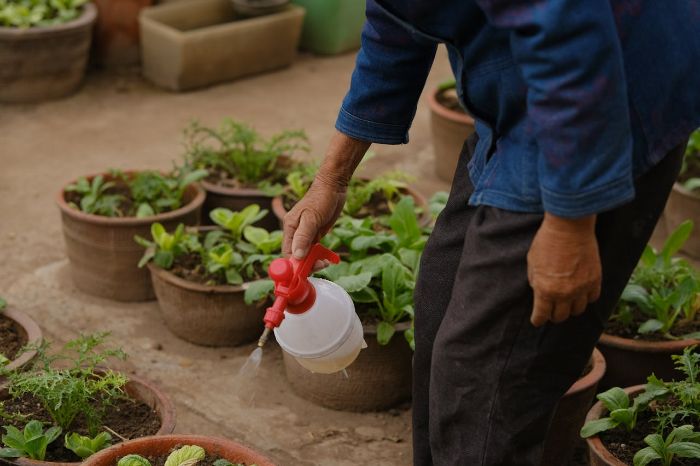
Fixed copper formulations are one of the few organic options with decent efficacy against late blight, and even then they protect best before infection races through the planting. Copper can burn foliage, accumulate in soil, and harm aquatic life if used carelessly. Higher copper rates increase burn, residue, soil buildup, and aquatic-risk concerns without making infected tissue recover.
Bordeaux mixture appears in many homemade potato blight searches because older recipes combine copper sulfate and lime. For a home food garden, a labeled organic copper product is the safer route because the label gives the crop, dilution, interval, protective equipment, and harvest restrictions. Raw copper sulfate mixtures leave too much room for wrong concentration, plant burn, soil copper buildup, and unsafe handling.
| Use Copper When | Hold Back When | Safety Check |
|---|---|---|
| Late blight risk is confirmed nearby | Only a few old lower leaves show mild early blight | Crop and disease appear on the label |
| Bacterial blight or leaf spot is listed for the crop | Plants are flowering heavily or heat-stressed | Pollinator and harvest intervals are clear |
| Wet weather keeps new growth vulnerable | You already sprayed oil recently | Label allows the interval and mixture |
Use a dedicated sprayer for copper if possible. Mark the bottle, rinse it well, and keep it away from fertilizer, soap, and herbicide sprayers. A sprayer that once held weed killer should never touch tomatoes, potatoes, peppers, beans, or ornamentals.
Application Timing – Coverage Beats Recipe Strength
Sprays fail when they are applied after the disease has already moved through the canopy. They also fail when droplets sit on hot leaves, roll off dusty foliage, or land only on the top surface. The target is a thin film on healthy leaf tissue before the next wet period.
| Timing Choice | Good Move | Damage Risk |
|---|---|---|
| Time of day | Early morning after dew dries or early evening with drying time left | Midday sun raises burn risk |
| Weather | Spray before a humid stretch or after rain has dried | Spray on wet leaves spreads disease by touch |
| Canopy | Thin lower leaves first, then spray what remains | Dense foliage traps wet air and hides untreated surfaces |
| Coverage | Wet both sides until leaves glisten | Runoff wastes spray and increases residue |
| Repeat interval | Every 7 days during pressure, sooner only after rain wash-off | Daily spraying burns leaves and adds residue |
Water at the soil before the spray day, not over the foliage after treatment. A drip line or careful hand watering keeps leaves dry and reduces splash from infected soil. The setup used for drip irrigation is one of the simplest ways to make blight sprays work less often.
Wash hands and sanitize pruners after touching diseased foliage. Work from the healthiest plants toward the sickest plants. That order keeps wet spores and bacteria from hitchhiking across the bed on gloves and blades.
What To Skip – Vinegar, Strong Soap, And Leaf-Burning Mixes
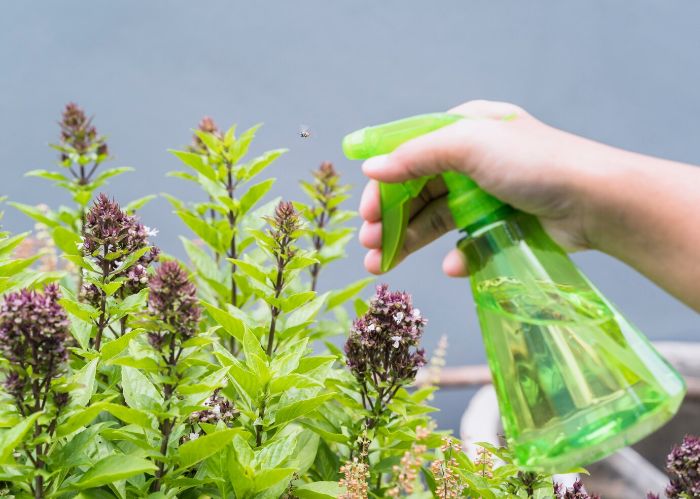
Some homemade recipes damage plants faster than blight does. Vinegar is a plant tissue burner, which is why it appears in weed-killer recipes. Strong dish detergents strip leaf waxes. Heavy oil coats slow gas exchange and cook leaves during hot weather. Garlic and hot pepper sprays may repel insects, and they are weak disease tools for blight.
| Common Home Ingredient | Why Gardeners Try It | Better Use |
|---|---|---|
| Apple cider vinegar | Acidity sounds antifungal | Keep it off living foliage; use no vinegar blight spray |
| Strong dish detergent | Helps sprays spread | Use a few drops of mild castile soap only |
| Hydrogen peroxide | Foaming looks like sanitation | Reserve for cleaning tools, not routine leaf spraying |
| Garlic and hot pepper | Repels some pests | Use for pest pressure, not as the blight plan |
| Compost tea | Sounds biologically protective | Use finished compost on soil; avoid spraying uncertain brews on leaves |
Homemade mixes age poorly. Make only what you will use that day, label the sprayer, and discard leftovers away from ponds, drains, and edible harvest surfaces. Rinse produce before eating it, even when the spray ingredients came from the kitchen.
Prevention – Make Sprays Do Less Work
The best blight spray program is the one that has less disease to spray. Mulch blocks infected soil from splashing onto low leaves. Staking keeps foliage off the ground. Wider spacing lets leaves dry after dew. Rotation keeps tomatoes, potatoes, peppers, and eggplants away from last year’s infected residue.
Use mulching to conserve soil moisture under tomatoes and potatoes as soon as soil has warmed. Straw, shredded leaves, or clean grass clippings create a physical barrier between soil spores and lower leaves. Pull mulch back slightly from stems so the crown stays dry.
Rotation matters most in beds with repeat disease. The disease-prevention value in crop rotation principles comes from breaking the host-residue cycle. Move nightshades out of the bed for at least two seasons when early blight has been heavy.
Prune lower leaves when they first touch soil or mulch, and never remove more than one-third of the plant’s leaves at once. Leaves feed fruit. A stripped tomato plant may look clean for a week and then sunscald its fruit because the canopy lost too much shade.
Conclusion
Homemade organic blight sprays belong at the early, protective stage. Remove infected leaves, keep foliage dry, choose a mild baking soda oil mix or label-rate oil spray for healthy tissue, and reserve copper for label-matched disease pressure. When late blight symptoms move fast through tomato or potato foliage, shift from kitchen recipes to removal, diagnosis, and a labeled organic option before the planting becomes a spore source.
FAQ
How do you make a homemade blight spray?
Mix 1 gallon of clean water with 1 tablespoon baking soda, 1 teaspoon light horticultural oil or vegetable oil, and 4 to 6 drops of mild castile soap. Test one healthy leaf for 24 hours before spraying the remaining green foliage.
Can homemade sprays cure blight?
Homemade sprays cannot cure blight. They can only help protect healthy leaf tissue during early pressure. Infected leaves, stem lesions, and fast late blight symptoms need removal, sanitation, diagnosis, and sometimes a labeled fungicide.
What kills blight in soil naturally?
Crop rotation, infected residue removal, mulch, dry foliage, resistant varieties, and clean tools reduce disease pressure over time. No safe kitchen treatment reliably kills all blight pathogens in garden soil.
Is vinegar safe for blight on plant leaves?
Vinegar can burn living foliage and should stay out of blight sprays for tomatoes, potatoes, peppers, beans, and ornamentals. Use it neither as a leaf treatment nor as a soil cure.