
Cultivating an herbal garden engages the senses and interrupts habitual patterns of distraction. This process grounds attention in the present, supporting both mental clarity and emotional regulation. By actively tending to medicinal and aromatic herbs, gardeners anchor mindfulness practices in daily routines and create a living environment optimized for relaxation, reflection, and stress relief.
Key Takeaways
- Direct interaction with herbs, soil, and seasonal changes heightens sensory awareness and facilitates mindful presence.
- Selecting and arranging specific calming and focusing herbs amplifies both psychological and physiological benefits.
- Structured garden layouts and multi-sensory features improve the effectiveness of meditative and restorative practices.
- Integrating mindful gardening rituals strengthens resistance to daily stress. Focused attention during planting and harvesting supports mental clarity.
- Using fresh herbs in daily routines extends the impact of the garden into tea, bathing, breathing, and personal wellness rituals.
Table of Contents
How Herbal Gardening Promotes Mindfulness and Relaxation
Working with herbs in a garden context initiates direct engagement between body and environment. Every task in the garden requires sustained attention and intentional movement. Preparation sets the tone for mindful action. Planting individual herbs demands careful observation of root structure and soil condition. Ongoing maintenance brings focus to watering, pruning, and monitoring growth. Harvest becomes a deliberate, sensory experience that closes the cycle. Each step anchors attention in the present and shifts focus away from external distractions.
Sensory Anchoring Through Herbal Cultivation
Physical contact with soil, aromatic foliage, and textured stems anchors attention in the senses. The act of touching basil leaves, breathing in lavender’s aroma, or tracing the patterns on lemon balm interrupts habitual, automatic thought cycles. These interactions trigger physiological responses that reduce heart rate, steady breathing, and shift the mind into a restorative mode. Repetition of these tasks over the gardening season conditions the nervous system to recognize the garden as a safe and calming space.
Rhythmic Actions and Cognitive Quiet
Routine gardening activities, when performed mindfully, introduce a natural rhythm that calms internal dialogue. Sowing seeds in rows, watering at a steady pace, or pruning spent blooms encourages a deliberate, unhurried approach. These motions provide structure and repetition, both known to facilitate meditative states and lower physiological markers of stress. Personal experience often reveals a drop in mental agitation and increased capacity for sustained focus after even a brief period in the garden.
Emotional Regulation and Restoration
Herbal gardening offers a setting where emotional states can be observed and modulated through purposeful action. Tendencies toward distraction, impatience, or anxiety become apparent in the way plants are handled or tasks are prioritized. Returning to slow, attentive engagement with the herbs fosters patience, gratitude, and acceptance of imperfection. Over time, the garden becomes not just a site for growth but also a personal sanctuary for emotional processing and renewal.
Mindful herbal gardening cultivates both attention and calm through tangible, repetitive actions and a direct connection to living systems. The garden environment, shaped by regular practice, supports a sustainable framework for mental clarity and emotional recovery.
Selecting Herbs That Support Mindfulness and Relaxation
Choice of herbs strongly shapes the sensory and psychological impact of a garden. Some varieties calm the nervous system, while others increase clarity or lift mood. Selecting plants with clear therapeutic value creates a personal sanctuary for stress relief and attentive presence.
Herbs for Calming and Emotional Balance
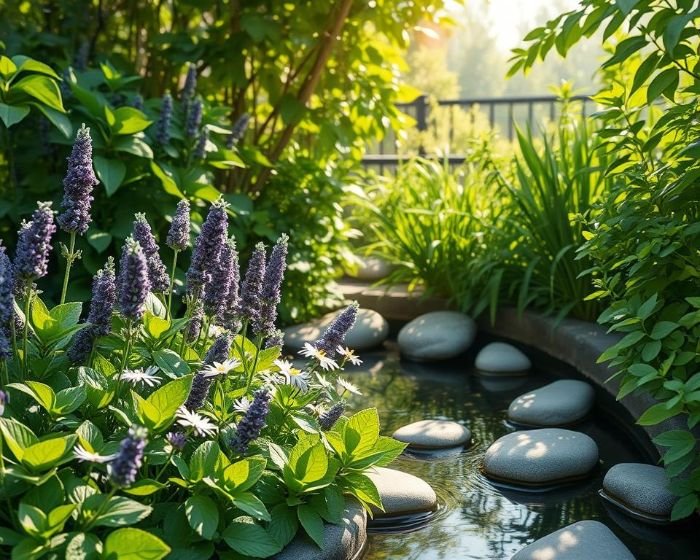
Certain plants act directly on the nervous system to lower anxiety and support restful states. Lavender produces aromatic oils that moderate stress responses and slow breathing. Chamomile flowers contain compounds known to ease agitation and promote better sleep. Lemon balm emits a mild citrus scent and can be used to settle tension in both body and mind. Personal experience confirms that tending to these species often brings a noticeable sense of calm.
Herbs for Focus, Clarity, and Mental Energy
A different group of herbs boosts alertness and cognitive stamina. Rosemary, when brushed or harvested, releases an invigorating scent that research links to improved memory and attention. Peppermint leaves deliver a cooling aroma and subtle stimulant effect. Basil, particularly when harvested fresh, provides both a sharp scent and flavor that heightens mental focus. Integrating these species supports sustained mindfulness and sharper perception during meditation or quiet reflection.
Therapeutic Qualities of Common Mindful Herbs
| Herb | Primary Effect | Sensory Profile | Mindfulness Application |
|---|---|---|---|
| Lavender | Calming | Floral, soothing | Stress relief, evening rituals |
| Chamomile | Sedative, gentle calming | Apple-like, delicate | Sleep, relaxation, tea rituals |
| Lemon Balm | Mood-lifting, relaxing | Citrus, bright | Tension reduction, calm focus |
| Rosemary | Alertness, clarity | Piney, sharp | Morning routines, memory support |
| Peppermint | Refreshing, energizing | Cool, menthol | Breathwork, re-centering breaks |
| Basil | Focus, sensory sharpness | Sweet, spicy | Meditation prep, grounding tea |
Combining Multiple Herbs for Layered Effects
A well-curated herbal garden delivers more than isolated outcomes. Pairing calming species with focus herbs produces an environment that adapts to different needs throughout the day. For instance, a border of lavender and rosemary can frame a sitting area used for both morning focus and evening relaxation. Rotating use of herbal teas, infused oils, or simple hand-harvested sprigs helps link plant care to daily mindfulness practice.
Choosing herbs with intention makes the garden a resource for mental recovery, attention training, and emotional steadiness. The experience deepens when each plant is selected for both its therapeutic profile and its role in your personal rituals.
Designing a Mindful Herbal Garden for Sensory Immersion
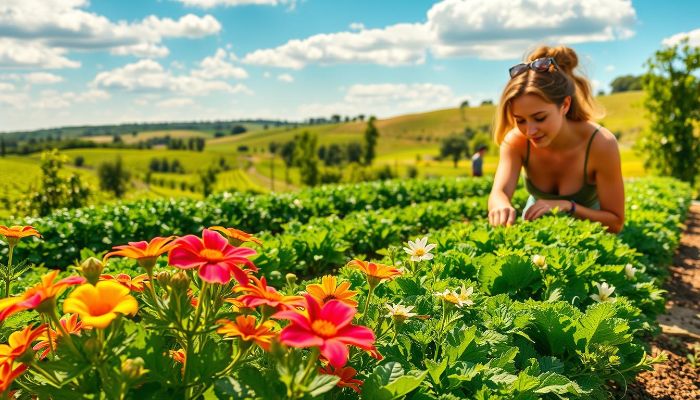
A well-designed herbal garden creates a multi-layered sensory experience that sustains mindful attention and relaxation. Layout, plant selection, and site features should encourage slow movement, personal reflection, and direct contact with living textures, scents, and colors. Every design choice can heighten awareness and foster a sense of sanctuary.
Structuring Space for Contemplation and Movement
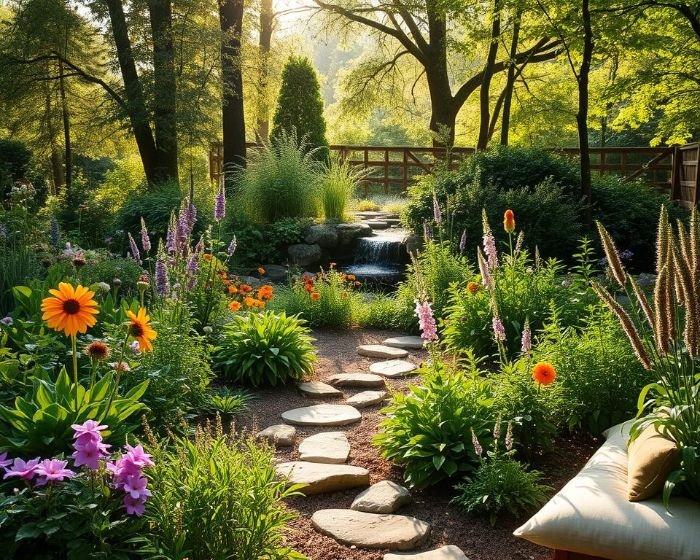
Dividing the garden into distinct zones supports different types of engagement. Placing winding paths through dense borders of herbs slows movement and encourages exploration. Small seating areas bordered by aromatic plants offer places to pause, observe, and breathe deeply. A personal touch in arranging stepping stones, benches, or simple wind chimes often transforms a utilitarian space into a meditative retreat.
Layering for Visual Depth and Tactile Contrast
Height variation and plant texture anchor the visual field and invite touch. Taller species such as rosemary or sage define the garden’s backbone. Lower-growing mint or thyme create soft carpets underfoot, while textured leaves like lemon balm provide contrast when brushed by hand. Personal experience shows that interacting with these varied surfaces grounds attention and relieves tension. By arranging plants to invite touch and close observation, the garden becomes a tool for grounding and present-moment awareness.
Integrating Elements that Engage Multiple Senses
Gardens that engage all the senses reinforce mindfulness with every visit. Planting species with distinct aromas, vibrant colors, and edible leaves brings each walk through the garden into sharp focus. Water features, even small fountains or bowls, add gentle sound that masks urban noise. Sun-warmed stones and shaded alcoves offer shifting thermal sensations throughout the day. These choices deepen immersion and help break habitual cycles of distraction.

A garden designed for sensory immersion sustains mindfulness without effort. Each pathway, plant, and feature becomes an invitation to slow down, observe, and reconnect with what is real in the present. Over time, this environment supports not only relaxation but also a deeper and more resilient sense of well-being.
Mindful Gardening Rituals – Daily Practices for Clarity and Calm
Daily routines in an herbal garden provide structure for cultivating awareness. When ordinary tasks are performed with deliberate attention, each action serves as a cue to return to the present moment. Mindful engagement in garden care gradually builds a resilient habit of focus and emotional regulation.
Attentive Planting and Ground Preparation
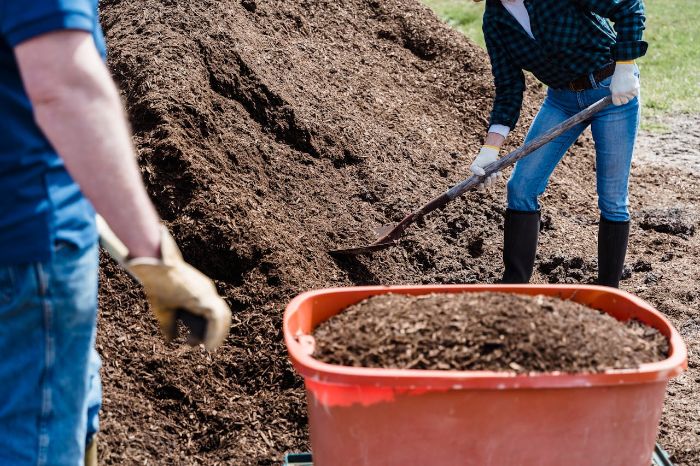
Planting herbs with full attention creates a direct link between physical action and mental stillness. Preparing soil, placing each seed or cutting, and pressing earth around the roots can become a meditative sequence. Slow, rhythmic movements while planting heighten sensory detail and reinforce the value of purposeful work. The physical connection to the soil often prompts a sense of grounding and presence.
Observational Walks and Gentle Maintenance
A walk through the garden with the intention of noticing detail transforms ordinary maintenance into an exercise in mindfulness. Noticing new growth, subtle changes in scent, or shifts in leaf texture fosters curiosity and breaks automatic thinking patterns. Pruning, weeding, and watering become opportunities for slow observation and conscious breath. Pausing to notice sunlight on the skin or dew on the leaves creates natural reset points throughout the day.
Mindful Harvesting and Integration into Daily Life
Harvesting herbs is most beneficial when carried out slowly and with appreciation for each plant’s development. Noticing aroma as leaves are gathered, feeling the difference in texture, or savoring the quiet at the end of the process can anchor a sense of gratitude. Using fresh herbs in tea, cooking, or simple inhalation connects the work of the garden to nourishment and restoration outside the garden itself.
Ritualized, attentive garden care transforms routine tasks into moments of clarity and renewal. As these practices become habit, the garden evolves into a living resource for daily grounding, stress reduction, and sustained mindfulness.
Extending Mindfulness Beyond the Garden – Everyday Use of Fresh Herbs
The value of a mindful herbal garden does not end at the garden gate. Integrating fresh herbs into daily routines strengthens the connection between intentional cultivation and well-being. Each use of harvested material can serve as an anchor for present-moment awareness and physical renewal.

Herbal Tea Rituals for Grounding and Focus
Preparing and drinking herbal tea provides a direct extension of mindful gardening. Harvesting leaves in the morning for a calming infusion, observing color changes as herbs steep, and focusing on aroma while sipping all bring attention to sensory detail. Choosing chamomile in the evening or peppermint after a meal offers both physiological and psychological cues to pause and reset. The act of selecting, preparing, and consuming tea closes the loop between cultivation and self-care.
Aromatic Baths and Steaming for Relaxation
Fresh herbs can transform simple bathing into a meditative experience. Adding sprigs of lavender or rosemary to a warm bath releases essential oils that calm the nervous system and ease muscular tension. Inhaling steam from a bowl infused with basil or lemon balm supports deep breathing and a quiet mind. These practices encourage an embodied form of mindfulness, drawing attention inward and supporting relaxation at the end of a demanding day.
Mindful Cooking and Savoring
Cooking with homegrown herbs engages both attention and appreciation. Chopping basil or thyme for a meal invites focus on texture and fragrance. Savoring a meal seasoned with herbs grown and tended by hand creates gratitude and satisfaction beyond nutrition. Many gardeners report that this conscious approach to food preparation reinforces the connection between the work in the garden and well-being in daily life.
Conclusion
Mindful cultivation of an herbal garden reshapes daily experience through steady attention, sensory immersion, and purposeful routines. Thoughtful plant selection, intentional design, and ritualized care turn ordinary spaces into refuges for calm and self-renewal. Carrying harvested herbs into daily rituals extends the garden’s restorative effects, building resilience and clarity well beyond the growing season. Over time, the herbal garden evolves into both a sanctuary for relaxation and a practical tool for personal mindfulness.
FAQ
Which herbs are best for supporting mindfulness and relaxation in a garden?
Select species with established calming or focusing effects. Lavender, chamomile, and lemon balm promote relaxation and emotional balance. Rosemary and basil enhance mental clarity and concentration. Combining these varieties creates a garden environment that supports a wide range of mindful practices.
How does daily engagement with an herbal garden improve stress resilience?
Routine care requires present-moment attention, physical movement, and sensory awareness. Planting, observing, and harvesting herbs each day interrupt habitual stress cycles and build the neural pathways associated with calm, focus, and emotional regulation. Over time, these actions form a sustainable habit that increases baseline resilience.
What garden design features maximize mindfulness benefits?
Design for both sensory immersion and flow. Use meandering paths, layered plantings, and secluded seating to encourage slow movement and reflection. Integrate varied textures, colors, and aromatic plants to fully engage sight, touch, and smell during garden visits.
Can harvested herbs be used outside the garden to reinforce mindfulness?
Fresh herbs extend mindfulness beyond the garden when integrated into daily routines. Preparing herbal teas, infusing bathwater, or using herbs in mindful cooking each anchors attention in sensory experience. These practices link cultivation with personal rituals that sustain presence and relaxation.
How can mindfulness be practiced while performing ordinary garden tasks?
Shift focus to the quality of each action. Feel the texture of soil, listen for subtle sounds, and notice scent changes as you move through the garden. Complete each task with deliberate, unhurried motion, and observe the mind’s response to direct sensory input.
What is the role of seasonal change in mindful herbal gardening?
Seasonal rhythms offer unique opportunities for renewed attention. Preparing beds in spring, observing growth in summer, harvesting in autumn, and planning during winter each prompt new sensory experiences and reflective practices. Adapting routines to the season deepens engagement and sustains interest year-round.
Are there risks or challenges to using an herbal garden for mindfulness?
Potential obstacles include unrealistic expectations, overemphasis on perfection, or neglect during busy periods. Address these challenges by accepting imperfection, setting realistic maintenance goals, and viewing each visit as an opportunity for reset rather than a chore.