


Ever thought about how digging in the dirt could boost your health? In today’s world, staying physically healthy is a daily battle. Gardening offers a unique solution that goes beyond just unwinding. It not only improves your physical health but also boosts your mental well-being.
Studies show that spending time outdoors can lift your mood and lower anxiety and depression. This introduction explores the physical activity in gardening. It shows how tending to your garden can lead to better health. It also helps reduce the burden on our healthcare systems.
Key Takeaways
- Gardening promotes both physical and mental well-being.
- Engaging with nature has positive effects on mood.
- Physical activity in gardening helps in maintaining health.
- Connecting with your environment can reduce stress and anxiety.
- Regular gardening may alleviate strain on healthcare systems.
- Active involvement in gardening fosters an overall healthier lifestyle.
Table of Contents
Why Gardening Is More Than Just a Hobby
Gardening is more than a simple hobby; it’s a dynamic activity that connects us with nature, boosts our fitness, and can be practiced through daily gardening mindful routines for both mental and physical benefits. It involves a range of tasks that not only make it enjoyable but also offer a full-body workout. This holistic approach to physical activity is both engaging and beneficial.
A Full-Body Activity That Engages Muscles and Movement
Gardening tasks like digging, raking, and manual weeding work different muscle groups, offering a low-impact way to build strength and endurance. These activities contribute to a comprehensive full-body workout, enhancing core strength and mobility. As you perform these tasks, your body experiences increased muscle tone and stamina. This engaging physical activity promotes overall health and well-being.
How Regular Gardening Mimics Low-Impact Exercise
Gardening is an excellent option for those looking to stay active without the risks of high-impact exercises. The activities involved in gardening are similar to low-impact exercises. It allows individuals of all fitness levels to participate safely, making it accessible to everyone, regardless of age.
Building Strength and Endurance in the Garden
Gardening tasks are an excellent way to boost strength and muscle endurance while enjoying the outdoors. The physical activities in gardening make it a fun hobby and significantly improve physical fitness. Here are some key activities for gardeners to enhance strength and endurance.
Digging, Lifting, and Carrying – Everyday Tasks That Tone Muscles
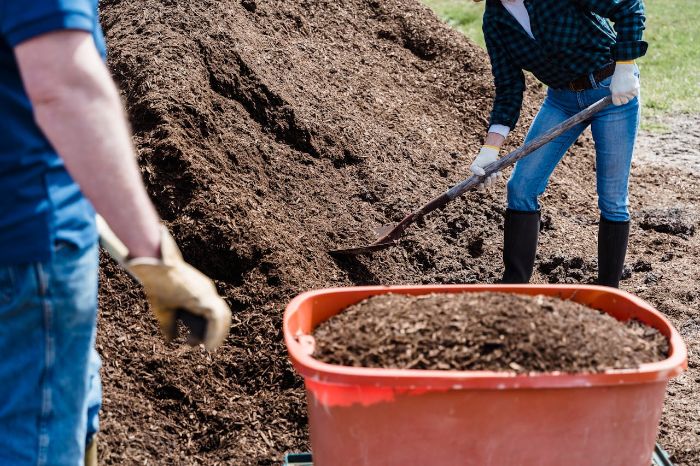
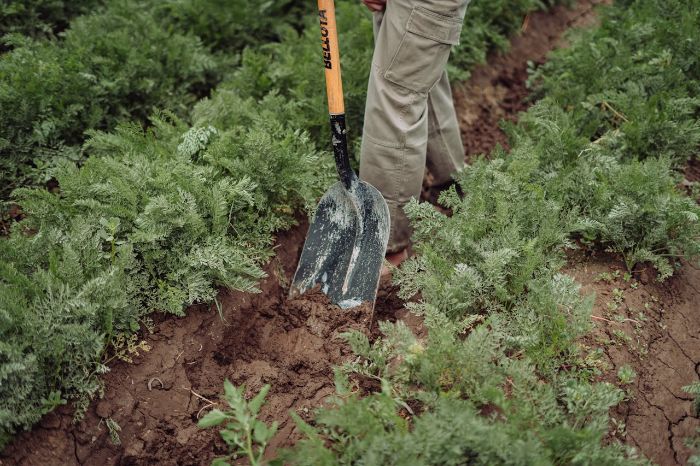
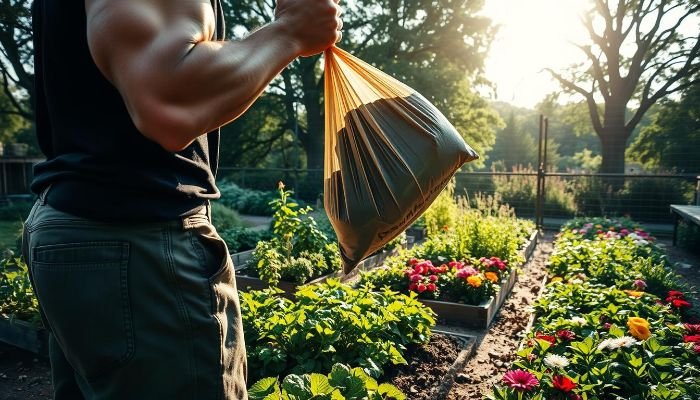
Daily gardening tasks like digging, lifting, and carrying improve muscle strength. These activities engage various muscle groups, mainly in the arms, shoulders, and back. Regularly doing these tasks enhances muscle endurance, making physical activities more efficient.
Repetitive Motions That Improve Core and Arm Strength
Gardening tasks often involve repetitive motions that are crucial for core stability. Pruning, weeding, and planting not only strengthen arms but also engage the core. This functional strength training ensures a balanced workout, improving physical fitness while caring for plants.
Improving Flexibility and Balance Naturally
Gardening naturally enhances flexibility and balance. Tasks like reaching, bending, and stretching boost joint mobility. As we age, maintaining physical health becomes crucial, and these movements are key to an active lifestyle.
Reaching, Bending, and Stretching for Joint Mobility
Gardening involves a variety of motions that improve joint mobility. Simple actions, such as pulling weeds or planting flowers, require reaching and bending. These movements increase flexibility and keep joints limber, reflecting the tips for healing therapeutic garden design aimed at promoting overall well-being. Gardening keeps the body active, reducing stiffness from a sedentary lifestyle.
Enhancing Balance Through Varied Terrain and Movements
Different garden terrains and planting styles improve balance. Uneven surfaces require adaptability and strengthen core muscles, enhancing stability. Gardeners navigating through plant beds and around obstacles develop better coordination and posture. This reduces the risk of falls and injuries, leading to a more balanced and agile body.
Cardiovascular Benefits of Active Gardening
Active gardening boosts your heart rate and enhances physical fitness. Tasks like weeding, raking, and planting improve blood circulation and endurance. It’s a fun outdoor activity that also serves as a creative outlet and a way to exercise.
How Weeding, Raking, and Planting Raise Your Heart Rate
Weeding and raking require repetitive motions that raise your heart rate. These activities engage various muscle groups, improving your cardiovascular system. The continuous movement keeps your heart rate in a beneficial range, boosting your fitness level.
Gardening as a Moderate-Intensity Exercise
Gardening is a moderate-intensity exercise, perfect for maintaining cardiovascular health. Activities like planting seeds, lifting soil, and pushing a wheelbarrow burn calories similar to traditional workouts. It increases your heart rate while allowing you to enjoy fresh air and nature’s beauty.

Promoting Healthy Weight and Blood Pressure
Gardening is a unique blend of physical activity and mental well-being. It’s perfect for those aiming to improve their lifestyle. By participating in different gardening tasks, one can manage weight and control blood pressure. Regular outdoor activities lead to substantial health gains.
Calories Burned During Common Gardening Activities
Gardening tasks are great for burning calories and aiding in weight management. Each activity adds to daily energy expenditure:
- Weeding
- Planting
- Raking leaves
- Digging and lifting
- Pruning and trimming shrubs
These activities, based on intensity and duration, burn calories. They help maintain a healthy weight while enjoying gardening’s benefits.
Stress Reduction and Blood Pressure Control Through Nature
Being in nature profoundly impacts mental health. Gardening reduces stress and lowers cortisol, improving blood pressure. Green spaces offer a refuge from daily stress, focusing on personal health. Plant cultivation boosts emotional health, guiding towards a balanced lifestyle.

Making Gardening a Safe, Sustainable Workout
Gardening is not just a hobby; it’s a way to improve your health. Yet, it’s vital to practice safe gardening to avoid injuries. By warming up properly and understanding body mechanics, you can enhance your experience. Using ergonomic tools and techniques also helps prevent injuries. Here are some tips to make gardening safer and more enjoyable.
Warm-Up Tips and Proper Body Mechanics
Begin your gardening day with a warm-up that includes gentle stretches. Target major muscle groups to boost flexibility and blood flow. Good body mechanics are key while gardening. Bend your knees when lifting, keep your back straight, and avoid twisting to reduce injury risk.
Tools and Techniques That Minimize Strain or Injury
The right hand tools for every homeowner can greatly reduce physical strain while gardening, making it safer and more enjoyable as a regular workout. Here are some safety tips:
- Choose ergonomic tools that fit well in your hands, easing wrist and arm strain.
- Go for long-handled tools to cut down on bending and reaching.
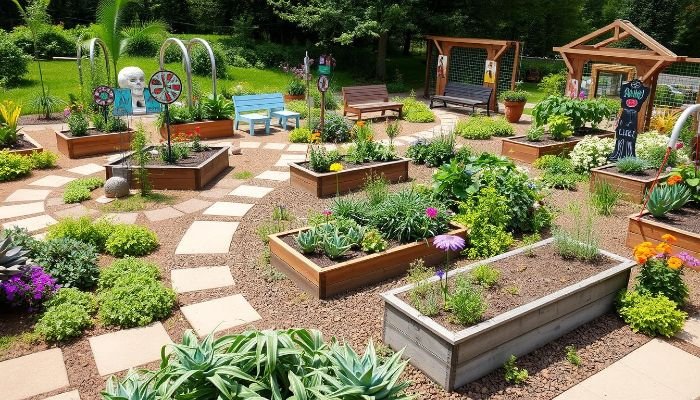
- Consider raised garden beds to reduce the need for kneeling or bending.
By adopting safe gardening practices and good body mechanics, gardening can be a sustainable workout. It prioritizes your health and safety while you enjoy the outdoors.
Encouraging an Active, Outdoor Lifestyle
Gardening is a wonderful way to live an active outdoor life, boosting physical health for both individuals and families. By sticking to a gardening routine, families gain physical benefits and strengthen their bond with nature. This routine helps maintain a healthy lifestyle by encouraging regular outdoor activities.
Building a Routine That Supports Physical Wellness
Creating a gardening schedule is a great way to add exercise to your daily routine. Tasks like planting, weeding, and harvesting make it easy for family members to stay active. This shared effort promotes discipline and a healthier lifestyle for everyone involved.
Getting the Whole Family Involved for Shared Benefits
Family gardening is a great way to build stronger bonds and teamwork while improving physical health. It teaches children valuable skills and offers mental and emotional benefits. Working together outdoors reduces stress and strengthens relationships, proving gardening’s value in promoting health and happiness.
FAQ
What are some physical health benefits of gardening?
Gardening boosts cardiovascular health, strengthens muscles, and increases flexibility. It also enhances balance. The act of gardening can reduce stress, anxiety, and depression, improving mental well-being.
How does gardening serve as a form of exercise?
Gardening involves activities like digging and planting, which work multiple muscle groups. These actions improve cardiovascular fitness, making it suitable for all fitness levels.
Can gardening help with weight management?
Yes, gardening can burn calories, aiding in weight management. Regular gardening activities contribute to a healthy lifestyle, supporting weight control goals.
Is gardening safe for older adults?
Gardening is safe for older adults with proper techniques. Using ergonomic tools and practicing safe posture minimizes injury risks. Warm-up exercises are also crucial for safety.
How does gardening enhance mental health?
Exposure to nature through gardening reduces cortisol levels and improves mood. It alleviates anxiety and depression symptoms. Physical activity and nature connection enhance mental well-being.
What safety measures should I take while gardening?
Warm up before gardening, use proper body mechanics, and choose ergonomic tools. Taking breaks and staying hydrated are also key for safety and wellness.
How can families benefit from gardening together?
Gardening as a family promotes physical activity and bonding. It teaches children valuable skills and provides stress relief. It’s a fun, educational experience for all ages.
What types of tools are recommended for safe gardening?
Ergonomic gardening tools like padded gloves and lightweight hand tools are recommended. They reduce body strain, making gardening safer and more enjoyable.