
Are you ready to turn your garden into a place that helps our planet? Sustainable gardening does just that. It makes your garden and you healthier. Plus, it looks great too.
Sustainable gardening is more than a trend. It is a promise to protect our Earth. By focusing on the health of the soil, saving water, inviting diverse plants and animals, using natural ways to manage pests, and cutting down on waste, your garden can help make the world better.
Key Takeaways:
- Sustainable gardening is an environmentally friendly way to garden.
- Following sustainable gardening principles is good for people and the planet.
- It includes working on soil, water, plants, animals, bugs, and using less waste.
- These methods create pretty gardens that support a healthier planet.
- Learn about the main ideas in sustainable gardening and the many good things it brings.
Table of Contents
Introduction to Sustainable Gardening
Welcome to the world of sustainable gardening. Here, we combine caring for the Earth with enjoying its beauty. We will learn about sustainable gardening’s definition. And see why it’s key in today’s gardening.
What is Sustainable Gardening?
Sustainable gardening is a way to garden that doesn’t harm the earth. It works to keep nature balanced over time. This means using less resources, keeping ecosystems safe, and avoiding harmful chemicals.
The Importance of Sustainability in Modern Gardening
Today, taking care of the earth in gardening is very important. Our planet is dealing with big issues like climate change and pollution. Sustainable gardening helps by saving natural resources, cutting pollution, and helping life to thrive.
It’s more than a trend; it’s vital for a healthier planet. By choosing sustainable practices, we help the Earth and make sure future generations have a beautiful planet to live on.
Key Principles of Sustainable Gardening
Sustainable gardening has key principles for creating eco-friendly gardens. These include:
Soil Health and Conservation
Gardeners focus on keeping soil healthy and saving it. They add organic matter, use compost, and limit tilling. This helps make a good base for plants to grow well.
Water Conservation and Management
Conserving water is vital in sustainable gardening. This is done with drip irrigation and rainwater harvesting. Choosing plants that can survive with less water also helps.
Biodiversity and Ecosystem Support
It’s crucial to make homes for pollinators and other animals. Planting a variety of plants and avoiding synthetic chemicals helps these creatures. This action is good for the ecosystem.
Use of Native Plants
Gardening with native plants is key. They need less water and care. Plus, they help wildlife, benefiting the whole ecosystem.
Integrated Pest Management (IPM)
To handle pests, gardeners use IPM. This method prevents harm to helpful insects and the earth. It uses eco-friendly methods to keep pests in check.
Organic Practices and Avoiding Synthetic Chemicals
Organic methods are preferred over synthetic products. This means using eco-friendly fertilizers and controlling pests naturally. It keeps the soil and water safe.
Waste Reduction and Recycling
Reducing waste is crucial. Gardeners compost and reuse things to lower their impact. This makes gardening more sustainable.
By following these principles, gardeners can make lovely gardens that work with nature. They also help in making a better, sustainable world.
Soil Health and Conservation
Keeping your garden healthy means looking after the soil. By using sustainable methods, you can make your soil better. This will help your plants grow stronger and give you more food. Let’s look at some important ways to keep your soil healthy and safe.
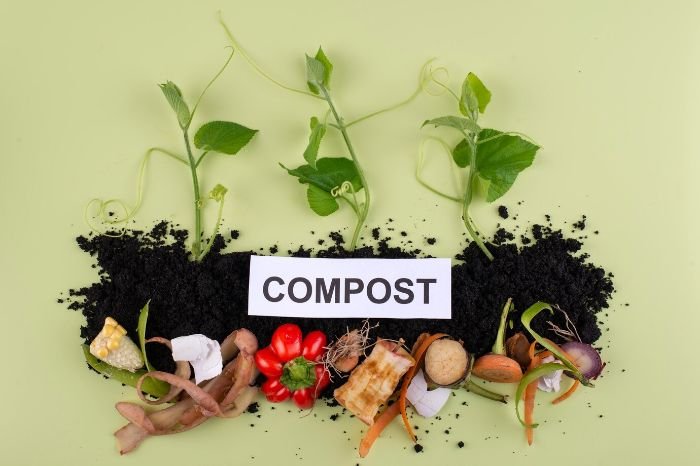
Building Healthy Soil with Compost
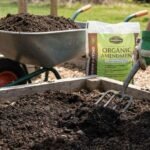
Adding compost is a great way to improve your soil. Compost is natural and full of nutrients and good bugs. It keeps the soil moist, helps roots grow, and makes the soil better. Adding compost makes your garden soil more fertile. This supports the healthy growth of plants.
Mulching for Soil Protection and Moisture Retention
Mulching is key for keeping the soil safe. You can use straw, wood chips, or compost to cover the soil. This helps stop erosion, keeps the temperature steady, prevents weeds, and saves water. The mulch layer slows down water loss and stops the soil from getting hard. As the mulch rots, it adds more good stuff to the soil.
No-Till Gardening to Preserve Soil Structure
Not tilling, or doing it less, is good for the soil too. Too much tilling can squish the soil, wash it away, and lower its health. By not tilling much and only breaking the soil when you must, you keep the soil’s helpers and structure safe. This kind of gardening is good for the soil, keeps water where it should be, and stops nutrients from washing away.
Adding these methods to your garden care can make a big difference. Your soil will be healthier, your garden more fertile, and you’ll be helping the environment.
Water Conservation and Management
In sustainable gardening, it’s key to use water wisely. This helps cut down on water waste and supports the earth. You can do this by using smart irrigation, collecting rainwater, and picking plants that don’t need a lot of water. These steps save water and keep gardens beautiful.
Efficient Irrigation Systems
Using the right tools to water your plants is very important in sustainable gardening. Drip irrigation, soaker hoses, and smart controllers give water straight to the roots. This lessens water waste and helps plants grow. It’s a smart way to keep your garden healthy while saving water.
Rainwater Harvesting Techniques
Catching rainwater is a great way to reduce water use. Instead of relying only on city water, you can store rainwater for your plants. You can use tools like rain barrels and cisterns. This step not only saves water but also helps the garden stay green without extra runoff.
Drought-Resistant Plant Selections
Choosing plants that need less water is vital for a sustainable garden. These plants grow well in the local weather and need little water. By picking plants that are used to drought, you save on water use. These plants can go longer without water, making your garden both beautiful and water-smart.
Enhancing Biodiversity and Supporting Ecosystems
Building a sustainable garden is more than just pretty. It helps increase biodiversity and support ecosystems. You can easily make a garden where pollinators, good bugs, and local wildlife feel at home.
Creating Habitats for Pollinators and Beneficial Insects
Bees and butterflies do a lot to help plants grow. You can make your garden a place they love by planting many types of flowers. Make sure they have food all year round by planting a mix of plants. Also, add water for them and avoid using pesticides.
Encouraging Native Wildlife
Use plants native to your area to bring in local wildlife. These plants feed and shelter animals like birds and insects. Trees and shrubs are great because they give animals places to nest and hide. You can also put out bird feeders and birdbaths to welcome more wildlife.
Planting a Diverse Range of Species
Different kinds of plants are key for healthy ecosystems. When you plan your garden, choose a wide variety of plants. Mix flowers, shrubs, and trees that bloom at various times. Make sure to plant different sizes to offer homes for a lot of critters.
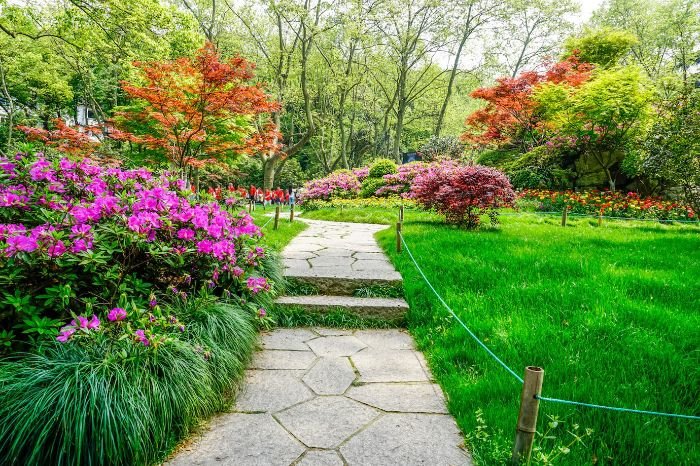
By boosting biodiversity and helping ecosystems, your garden does a lot. It helps save habitats, makes the environment better, and looks fantastic with all the life in it.
Organic Practices and Avoiding Synthetic Chemicals
When you garden sustainably, using organic methods is key. It helps keep your garden healthy for the earth and its creatures. Instead of synthetic stuff, go for organic fertilizers and natural ways to keep pests away.
These choices keep the soil and water safe. They also support all the plants, bugs, and animals that call your garden home.
Benefits of Organic Fertilizers
Organic fertilizers are great for plants and the planet. They feed plants slowly, which is better than the quick hit from synthetic stuff. This means plants get food as they need it and not all at once.
Plus, they boost the soil’s health by adding good bacteria. This bacteria makes soil strong, helping plants grow better. It’s like a bonus that makes your garden even happier.
Natural Pest Control Solutions
Making your garden’s bugs happy is part of sustainable gardening. Instead of poisons, go for friendly ways to manage pests. For example, mix plants that bugs hate with ones you want to protect.
Adding helpful bugs is also a smart move. Ladybugs and their friends eat the bad bugs, keeping things in balance. This means you can skip the harmful chemicals and keep your garden safe for everyone.
Maintaining a Chemical-Free Garden
Going truly green means saying no to chemical sprays and killers. This is great for the earth and for everyone who visits your garden.
Choose organic options for feeding and protecting your plants. This step keeps your garden full of life without harming it. It’s about making smart choices that help your garden keep buzzing with activity.
By using organic ways and avoiding chemicals, your garden can be a happy place for all life. Plus, you’re doing your part to keep our planet beautiful for the future.
Waste Reduction and Recycling
Reducing waste and recycling are key to green gardening. They help gardeners lower their impact on the earth. This makes the future more sustainable for everyone.
Composting Kitchen and Garden Waste
Composting is vital for cutting down waste and making use of organics. It means turning food scraps, garden leftovers, and leaves into compost. This compost is full of nutrients for the soil, which helps plants grow better. So, by composting, gardeners lessen their trash and improve their gardens.
Using Recycled Materials in the Garden
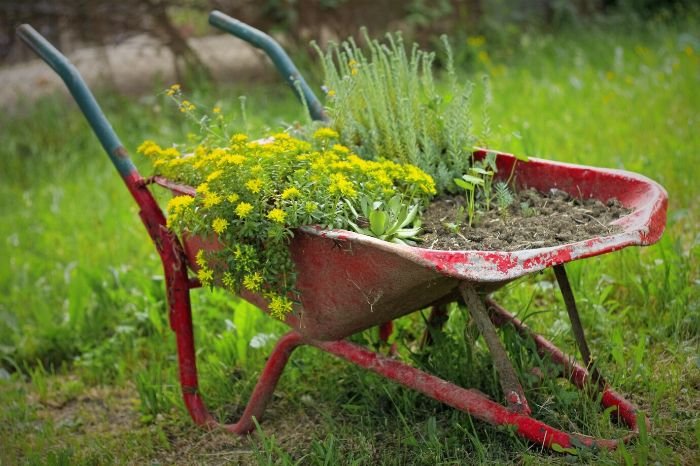
Gardeners who care for the planet think of smart ways to reuse things. They use old wood, discarded containers, or plastic lumber for their garden needs. This not only lessens the use of new resources but also turns old items into something useful. It’s like a big recycling circle that’s good for both the garden and the environment.
Repurposing and Upcycling Garden Tools and Containers
Green-thumbed gardeners also love turning old stuff into garden treasures. They don’t throw away old tools or pots. Instead, they find new uses for them. This not only cuts down on trash but also makes the garden special. It’s all about making the most of what we already have for a better tomorrow.
Benefits of Sustainable Gardening
Sustainable gardening is more than a pretty garden. It helps the environment, health, and money too. Let’s look at the great things it does, starting with the earth.
Environmental Benefits
Sustainable gardening keeps our planet healthy. It saves water, energy, and cuts pollution. Gardens that are eco-friendly also help plants and animals to thrive. And they fight against climate change. Overall, it keeps our water, soil, and air clean, helping the whole ecosystem.
Health Benefits for Gardeners
Gardening sustainably is good for you too. It keeps you fit and feeling good. Working with plants also lowers stress and makes you happier. Plus, it means less contact with harmful chemicals. This keeps you and your loved ones safe.
Economic Advantages
Going green in the garden saves money over time. Using less water and chemicals cuts your bills. Meanwhile, fewer bought supplies and lower maintenance costs make it cheaper. It’s good for both the planet and your wallet.
Long-Term Sustainability and Resilience
Sustainable gardens are built to last. They grow strong naturally, needing less help. By using less water and chemicals, they fight off problems better. This means a brighter future for your garden and the world around it.
Conclusion – Embracing Sustainable Gardening
Sustainable gardening is about more than just pretty plants. It’s a way to help the planet. You can join in by using certain gardening methods. These ways help save resources, support wildlife, and lower your environmental impact.
It’s not hard to start. This type of gardening has many good points. It keeps the earth safe, improves your health, saves money, and stands the test of time. By choosing sustainable methods, you do your part in saving our planet.
Even if you’re new to gardening, there’s a lot you can do. Start by making your soil healthy with compost. Save water by using smart irrigation. Plant things that grow locally to help wildlife. Use natural growing methods, and recycle to cut down on waste. Each step makes a difference.
So begin your eco-friendly gardening journey. You’ll see a garden that’s not just pretty, but strong and kind to the earth. By going sustainable, you help the planet. And you create something lasting for those that come after us.
FAQ
What is sustainable gardening?
Sustainable gardening is about gardening in a way that’s kind to the environment. It tries to lessen harm to the planet while being good for people and nature. This means using ways that save resources, keep ecosystems safe, and make soil healthy without using too many chemicals.
Why is sustainability important in modern gardening?
Sustainability in gardening is vital because it helps protect nature. It cuts down on pollution and helps wildlife by promoting a variety of plants. This also helps with the problems of climate change, making our landscapes stronger and healthier.
How can I improve soil health and conservation in my garden?
To make your soil better, add things like leaves, grass clippings, and food scraps. Also, use compost and don’t till too much. These methods keep the soil healthy, help good bugs and plants grow, and keep the soil moist and full of nutrients.
How can I enhance biodiversity and support ecosystems in my garden?
Help make your garden a great place for bees and other useful bugs by planting different kinds of flowers and shrubs. Also, let local animals find a home in your garden. Doing this provides food and safe places for wildlife, helps plants grow, and keeps your garden’s ecosystem strong.
How can I reduce waste and recycle in my garden?
Turn old fruits and vegetables and garden waste into compost. Reuse things like wood or plastic for garden beds or decorations. Also, think about how to use old garden tools in new ways. These actions cut down on waste and help our planet.
What are the benefits of sustainable gardening?
Sustainable gardening helps the environment, improves our health, and saves money. It keeps more resources safe, supports many types of life, and makes us feel good. Plus, it lowers costs over time.