


Have you ever thought about how one tree can change a garden and an ecosystem? Trees are key in sustainable gardening. They boost biodiversity, clean the air, and offer many environmental benefits. These tall plants do more than make our gardens look good. They help create a strong garden ecosystem that supports wildlife, fights climate change, and encourages sustainability in cities and the countryside.
By adding trees to our gardens, we care for our gardens and help make a healthier planet for the future.
Key Takeaways
- Trees are vital for promoting biodiversity in garden ecosystems.
- They offer significant environmental benefits, including air quality improvement.
- Strategic planting enhances aesthetic appeal and supports sustainable landscaping.
- Trees act as natural habitats for various wildlife species.
- The combination of trees and sustainable gardening practices fosters a greener future.
Table of Contents
The Importance of Trees in Sustainable Gardening
Trees are key to a healthy garden, both in cities and the countryside. They help the environment and make gardens sustainable.
Why Trees Are Essential to a Healthy Garden Ecosystem
Trees do more than just look good. They give homes to many animals, help turn nutrients into food for plants, and connect different living things. This makes the garden strong and healthy.
The Environmental Impact of Trees in Urban and Rural Gardens
In cities, trees clean the air, cool the area, and give shade to people and animals. In the countryside, they make soil better, stop soil from washing away, and help manage water. Trees are important in all kinds of gardens for their many uses.
Trees as the Backbone of Sustainable Landscaping
Trees are the heart of green landscaping. They add beauty and offer many environmental benefits like storing carbon and helping different plants and animals live together. By taking care of trees, we make our gardens better for the planet and for us.
Benefits of Trees for Wildlife and Biodiversity
Trees are key to supporting wildlife and boosting biodiversity. They turn gardens into lively places full of life. They offer shelter and food to many creatures, making them vital for healthy environments.
Creating Habitats for Birds, Insects, and Other Wildlife
Many birds, insects, and small mammals live in trees. These places protect and house them, helping them grow and survive. The more tree types, the better for wildlife, making cities and countryside richer.
Native vs. Non-Native Trees – Supporting Local Ecosystems
Native and non-native trees affect ecosystems differently. Native trees fit well with the local weather and soil, helping wildlife. They keep ecosystems strong by offering food and homes to local animals. Planting native trees helps local wildlife, while non-native trees can harm the balance.
How Trees Contribute to Pollinator Health and Biodiversity
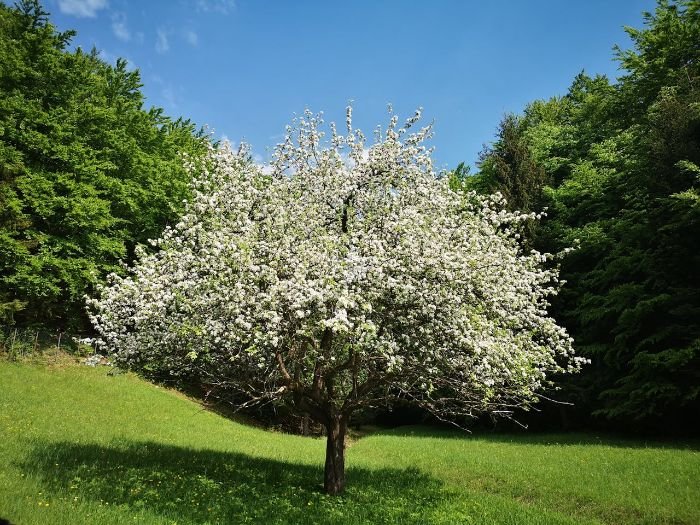
Trees are good for pollinators, which are key for plant growth. With trees that bloom, they attract bees and butterflies. This helps keep ecosystems balanced and supports life for plants and animals.
Trees as Natural Climate Regulators
Trees are key to our planet’s health. They help control the climate. By planting them wisely, we can fight urban heat, clean the air, and manage water better.
Reducing Urban Heat Islands with Strategic Tree Planting
Urban heat islands make cities hotter than the countryside. This happens because of concrete and not enough trees. Trees cool us down by shading us and cooling the air through evaporation.
How Trees Help to Improve Air Quality and Reduce CO2 Levels
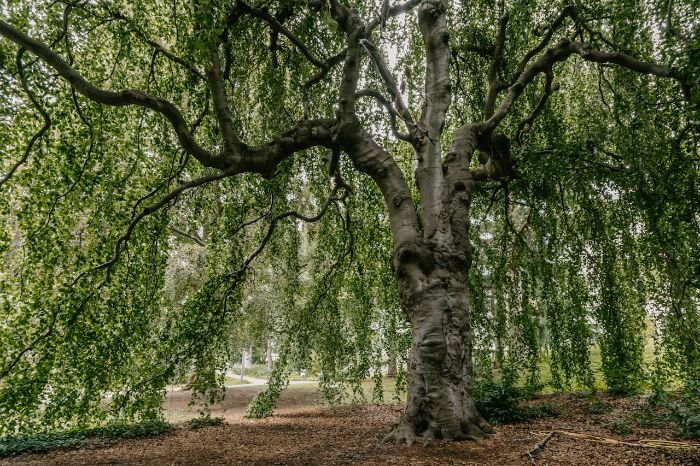
Cities have poor air quality because of pollution from cars and factories. Trees clean the air by removing pollutants like sulfur dioxide and nitrogen oxides. They also take in carbon dioxide and make oxygen, helping our climate and air quality.
The Role of Trees in Water Regulation and Prevention of Flooding
Managing water well is crucial, especially in places prone to flooding. Trees help by soaking up rainwater with their roots. This reduces flooding and stops soil from washing away, keeping communities safe during heavy rains.
Enhancing Soil Health with Trees
Trees are key to making soil healthy. They help stop soil erosion, make soil better, and add nutrients to it.
How Trees Prevent Soil Erosion and Improve Soil Structure
Trees have deep roots that act like a barrier against soil erosion. These roots keep the soil in place during storms. This keeps the soil healthy and stops it from losing nutrients, which plants need to grow.
The Benefits of Tree Root Systems for Soil Stability
Tree roots make the soil better by creating a network under the ground. This network helps water and air get into the soil. It makes the soil good for trees and other plants to grow.
Mulching with Leaves – Natural Compost and Soil Enrichment
Using leaves as mulch helps the soil a lot. When leaves break down, they add organic stuff to the soil. This makes the soil better for plants and keeps it moist and weed-free.
Choosing the Right Trees for Sustainable Gardens
Choosing the right trees for sustainable gardens is key for their growth and the ecosystem’s health. Climate, space, and soil type all play a part in this process. Getting these elements right creates a great home for trees and other plants.
Factors to Consider – Climate, Space, and Soil Type
Knowing your area’s climate is vital when picking trees. Trees do well or poorly based on temperature, moisture, and sunlight. Also, think about the space you have to consider the tree’s size and type. Some trees have big roots and canopies, so you must plan ahead.
Soil type is also important. It affects how well trees drain water, get nutrients, and stay healthy.
Best Tree Species for Urban and Suburban Gardens
Urban trees need to handle pollution and tight spaces. Trees like the London plane and flowering cherry do well here, adding beauty and helping the environment. Suburban gardens have more room for trees to grow.
Trees like oaks and maples are great for these areas, offering shade and homes for wildlife. For smaller spaces, trees like dogwoods or redbuds are perfect. They add beauty without taking up too much room.
Integrating Trees into Existing Garden Designs
Adding trees to your garden makes it more sustainable. Using companion planting helps with health and looks. Trees near flowers attract pollinators and increase biodiversity.
This approach keeps your garden balanced and makes sure every plant adds to the garden’s health.
Planting and Caring for Trees in a Sustainable Way
Trees need care to stay healthy and live long. Using sustainable care when planting trees helps create a strong garden. This way, trees grow well and don’t harm the environment.
Sustainable Tree Planting Techniques and Tips
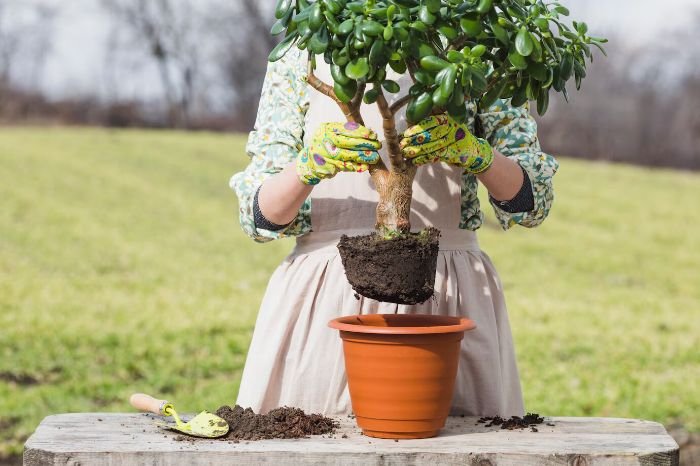
Start by picking the best spot for your tree. Think about what your tree needs. Important steps include:
- Proper spacing to allow for air circulation and growth.
- Selecting appropriate sites that provide adequate sunlight and soil conditions.
- Using organic fertilizers that support healthy roots and the overall ecosystem.
Watering and Mulching for Optimal Tree Health
Watering young trees is key, especially in their first year. It helps them grow strong roots. Adding organic mulch helps keep moisture in and makes soil better. This combo brings many benefits:
- Conserving water by reducing evaporation.
- Suppressing weeds that compete for nutrients.
- Providing additional food for beneficial microorganisms.
Pruning and Maintenance – Keeping Trees Healthy and Productive
Pruning trees is crucial for their health and look. It helps them grow and removes dead or sick branches. Here are some pruning tips:
- Timing cuts during the dormant season to minimize stress.
- Using clean, sharp tools to make smooth cuts.
- Aiming for a balanced structure that allows light penetration and air circulation.
The Long-Term Benefits of Trees in Garden Ecosystems
Trees add many benefits to gardens and neighborhoods. They make the environment better and improve property values. They also make gardens look nicer and create peaceful places.
Planting trees in a garden means creating a legacy for the future. It brings people together in tree planting projects. This helps make communities stronger and more sustainable.
Enhancing Property Value and Garden Aesthetics
Trees are key to making property more valuable. They make homes look better from the outside. This makes them more appealing to buyers.
Shade and beauty from trees make gardens peaceful. A garden with trees is more valuable. It becomes a place people want to live in.
Trees as a Legacy – Planning for Future Generations
Adding trees to gardens helps now and in the future. They show care for the environment. They teach us to protect nature.
Teaching about trees makes people want to take care of them. This builds a culture of caring for the earth. It’s something that can be passed down through generations.
Encouraging Community Involvement in Tree Planting Initiatives
Tree planting brings people together. It makes places look better and helps the environment. People learn about the role of trees.
This creates a strong bond with nature. It also builds strong community ties. People work together for a sustainable future.
Overcoming Challenges in Tree Planting and Maintenance
Tree planting and maintenance have their own challenges. Gardeners must tackle these to keep their green spaces thriving. They need to know how to handle pests, diseases, and growth in small spaces. They also need to deal with how climate change affects tree health.
Dealing with Pests and Diseases in Trees
Managing pests and diseases is key to keeping trees healthy. Knowing what threats they face helps gardeners take action. Using pest control methods and picking trees that resist diseases can help a lot.
Managing Tree Growth in Small Spaces
Choosing the right tree is important in small spaces. Picking trees that don’t grow too big makes the area look better. It also stops trees from getting too crowded. Planning carefully helps trees grow well in small areas.
Addressing Climate Change Impact on Tree Health
Climate change is hard on trees. Changing how we plant trees is crucial. Using trees that can handle drought and extreme weather is important. Knowing about climate change helps make better planting choices for the future.
Trees and Permaculture in Sustainable Gardening
Trees are key in permaculture, making gardens sustainable and full of life. They help create systems that grow well over time.
Integrating Trees into Permaculture Design Principles
Trees add structure to permaculture designs. They give shade, act as windbreaks, and keep soil in place. These benefits make gardens more self-sufficient.
Permaculture loves diversity. Using many tree types makes ecosystems healthier.
Using Trees to Create Food Forests and Edible Landscapes
Food forests show how trees can make gardens productive. By planting different species, like fruit and nut trees, gardeners create a lively, regenerative space. These gardens feed people and animals, and keep nature in balance.
Companion Planting with Trees for Mutual Benefits
Planting with trees makes gardens more productive. Pairing trees with certain plants helps fight pests and keeps plants healthy. This approach uses resources well, helping trees and plants grow together in a thriving ecosystem.
Conclusion – Trees as Cornerstones of Sustainable Gardening
Trees are key to sustainable gardening. They make ecosystems balanced and healthy. They help with soil health and air quality.
They also help many animals, making life richer in gardens. This supports the health of ecosystems.
Using trees in gardens makes land use smart and helps communities care for the environment. Trees change landscapes for the better. They fight climate change and make ecosystems stronger.
This mix of plants makes gardens look good and be good for the planet.
Adding trees to gardens is important for a greener future. By focusing on trees, we make our gardens beautiful and help the planet. This helps us leave a sustainable world for future generations.
FAQ
What role do trees play in sustainable gardening?
Trees are key in sustainable gardening. They boost biodiversity, clean the air, and help wildlife. They make gardens healthy in cities and the countryside.
How do trees improve air quality?
Trees clean the air by removing pollutants and absorbing carbon dioxide. They release oxygen, fighting climate change and making air cleaner to breathe.
What types of trees are best for urban gardens?
Oaks and maples are great for city gardens. They adapt well and need little care. These trees cool the area and provide shade.
Why is it important to choose native trees?
Native trees fit well with local climates and soil. They support local life and provide homes for native animals.
How do trees prevent soil erosion?
Trees stop soil erosion with their deep roots. These roots hold the soil in place, keeping landscapes healthy and soil rich.
What are some sustainable tree planting techniques?
Good planting methods include picking the right spot, proper spacing, and using organic fertilizers. Consistent watering and mulching help trees grow strong.
What is the impact of trees on urban heat islands?
Trees cool cities by shading and cooling the air. This is crucial in busy cities where it gets very hot.