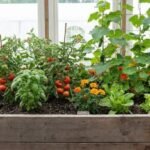

Do you want a garden that looks great and helps the planet? Native plant gardening is your best bet. Choose plants that naturally grow in your area. You’ll make a place where local wildlife thrives, the soil stays healthy, and water is saved.
Native plants are important because they have been part of an ecosystem for a long time. They help keep everything in balance by providing food and homes for animals. This way, bees and butterflies, who help plants grow, feel at home in your garden. This makes your space not only pretty but also vital for the environment.
There are more good reasons to plant natives. Their deep roots stop soil from washing away and keep water in the ground. They don’t need a lot of extra water, bug killers, or plant food. This means you spend less energy on maintaining your garden. You’re also doing your part to keep the earth healthy.
This article will show you why using native plants is a big deal. We’ll talk about why they’re good for your garden and for the world. Plus, we’ll give you tips on the best plants to pick for your space.
Key Takeaways:
- Native plant gardening supports local wildlife and promotes biodiversity.
- Native plants have deep root systems that enhance soil health and conserve water.
- By embracing native plant gardening, you can reduce the use of fertilizers and pesticides.
- Selecting the right native plant species is crucial for success in native gardening.
- Native plant gardening creates a sustainable and environmentally-friendly landscape.
Table of Contents
Introduction to Native Plant Gardening
Native plant gardening is great for the planet. It means using plants that naturally grow in your area. These plants are well-matched to the local weather, soil, and animals.
Definition and Significance of Native Plants
Native plants are those that have grown in an area without people changing them. They’re critical for keeping the local world balanced and strong. Because they belong there, they help other living things and make the whole environment better.

Overview of the Benefits of Native Plant Gardening
Using native plants is good for nature and you. It helps bees, butterflies, and birds find a home. These plants also save water, prevent soil from washing away, and make the ground healthier.
They welcome different animals by giving them food and homes. In the end, native plant gardening helps us save nature and enjoy a pretty, lasting garden.
Importance of Native Plants in Local Ecosystems
Native plants are key to keeping local ecosystems healthy. They provide food and homes for native wildlife. They also boost soil health, save water, and help maintain a varied and stable environment.
Supporting Local Wildlife and Pollinators
These plants offer vital food and shelter for local wildlife. Birds, butterflies, and bees rely on them for their daily needs. Setting up native plant gardens helps these animals flourish. This benefits the overall diversity and health of the ecosystem.
Enhancing Soil Health and Water Conservation
Native plants have deep roots that make soil healthier. They draw water deep down, reducing surface runoff. The root systems clean water, prevent erosion, and protect soil. This boosts soil health and helps save water.
Promoting Biodiversity and Ecosystem Stability
These plants are crucial for a rich and balanced ecosystem. They form the basis of many food chains, supporting various life forms. Planting natives at home creates living spaces for a wide range of creatures. A varied ecosystem is stronger and better at dealing with change.
Environmental Benefits of Native Plants
Native plant gardening has many good effects on our environment. It reduces the need for harsh chemicals. This is because native plants are very good at living in their natural settings.
They can fight off insects and diseases by themselves. They let good bugs do their job, keeping the garden healthy. Gardeners can keep their plants safe without using a lot of dangerous chemicals. This helps nature around us stay well.
Native plants also help save water. They need less because they are used to the local weather. Their deep roots can find water deep in the ground.
This helps even in dry times. There is less water waste from the ground. This is good for the plants and for the earth. Gardens with native plants look great, but they also use water wisely.
Native plants are good at keeping the soil in place. Their roots hold the earth tight. This stops the soil from being carried away by rain or wind.
It really helps where rain is heavy or the land is steep. The plants make sure the water around us stays clean. This means a better home for fish, animals, and us.
Using native plants in our gardens has many benefits. It is good for the earth in many ways. It means using fewer chemicals. It saves water. Most importantly, it keeps our soil and water clean. Choosing native plants is good for the environment and for everyone living in it.
Selecting Native Plant Species
Choosing the right native plants is key to a successful garden. Pick plants that thrive in your local weather and soil to grow strong with less work. I’ll guide you on checking your area’s climate and soil, finding native plants, and locating trusted plant nurseries.

Assessing Your Local Climate and Soil Conditions
First, know your area’s climate and soil. This helps choose plants that love where you are. Look up your USDA zone to find suitable plant types. Also think about rain, sunshine, and soil. Knowing all this helps pick the best native plants for your garden.
Identifying Native Plants in Your Region
After checking your climate and soil, find the right native plants. Visit your local Extension Office for advice on what grows naturally. They guide you on plant care. You can also search online or use field guides for more plant info.
Knowing about native plants’ role in the environment is important. They help wildlife by offering food and shelter. Planting native species is good for the local natural balance and helps preserve ecosystems.
Resources for Finding Native Plant Nurseries
So, once you’ve picked your plants, it’s time to find them. Native plant nurseries are the best places. They offer healthy plants suited to your area. Their staff can also help you take care of your new plants.
To find a native plant nursery, try these tips:
- Search online for lists of native plant nurseries near you.
- Ask your local Extension Office or botanical gardens for advice.
- Join a gardening club or native plant group for more nursery recommendations.
Getting plants from these nurseries means you support local, thriving gardens.

Planning Your Native Plant Garden
Planning is key for a great native plant garden. Think about many things to make a garden that shines with native plant beauty. It should also change with each season and bring local wildlife.
Designing for Seasonal Interest and Color
Create a garden that’s interesting all year by picking plants that bloom at different times. This way, your garden always looks lively and colorful, with various shapes and shades.
No matter the season, there’s a way to make your garden look amazing. Use early blooming plants in spring, and grasses and wildflowers for summer. Fall brings goldenrods and sedges that turn beautiful colors. Planning this way keeps your garden pretty and full of life all the time.
Creating Habitat for Local Wildlife
Building a native plant garden means making a home for local animals. Native plants are food and shelter for birds, butterflies, and bees. They help these creatures thrive and attract other helpful bugs too.
It’s important to know what local animals like. Choose plants that feed butterflies or give birds seeds. Add bird-feeding stations and birdhouses. This makes your garden even more inviting to wildlife.
Incorporating Native Plants into Existing Gardens
You can add native plants to your current garden too. Start by finding spots to replace non-native plants with native ones. Take out invasive plants to help the local ecosystem thrive.
Add native plants over time, replacing a few at a time. Make sure they can grow well in your garden’s area. This step-by-step approach helps the new plants grow strong.
Being patient and planning well make your garden a better place over time. It will become a balanced space for native plants and wildlife to live in harmony.
Planting and Caring for Native Plants
For native plants to grow well, proper planting and care are key. Follow the right steps for a healthy garden.
Soil Preparation and Planting Techniques
First, ready the soil by clearing it of weeds or other plants. This stops them from taking water and food needed by the new plants. It also gives the native plants a better start.
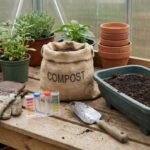
Then, check your soil. If needed, mix in compost to improve it. Native plants like certain soil types. So, it’s good to create the right soil for them.
When planting, make a hole just right for the plant’s roots. Put the plant in the hole at the same level as in the pot. Fill around it with soil, press gently, and water well.
Watering and Mulching Practices
Newly planted natives need plenty of water till they are settled. After that, they will need less water. But still, they need it regularly till their roots are strong.
It’s better to water deeply but not too often. Deep waterings help the roots grow deep. This makes the plants better at handling dry times.
Mulch is important for keeping the soil healthy. Put a layer of wood chips or bark around the plants. Mulch helps the soil keep moisture, stops weeds, and keeps the soil not too hot or cold.
Pruning and Maintenance Tips
Keeping your native plants trimmed is important. It makes them look good, keeps them healthy, and helps them grow.
Know when and how to prune. Some plants need it before they bloom, and some after. Pruning keeps the plant strong.
Also, watch out for bugs or sickness. Although native plants are tough, they need care. If you see a problem, try to fix it with natural ways, not chemicals.

By taking good care in planting and looking after them, your native plant garden can be very successful. Doing the right thing for the soil, watering, mulching, and trimming will make your plants happy. They will help your garden and the planet be healthier, too.
Overcoming Challenges in Native Plant Gardening
Native plant gardening has its fair share of challenges. To keep your garden healthy, you must face these challenges head-on. Here you’ll find tips to beat common challenges and keep your garden tough.
Dealing with Invasive Species
Managing invasive species is hard in native plant gardening. These plants can take over and hurt native ones. It’s key to spot and get rid of these invaders. Use plants that naturally fight off the non-natives. This way, the good plants have a better chance.
Managing Pests and Diseases Naturally
Handling pests and diseases without harmful chemicals is another tough part. But, doing it naturally keeps your garden’s ecosystem healthy. Invite good bugs by planting flowers they like. You can also use soaps and natural oils to keep pests in check. Check your plants often for disease signs. Then, fix the issue quickly with organic methods. This keeps your garden strong.
Adapting to Changing Environmental Conditions
Our world is changing, and so are our gardens. Native plants are better at handling these changes. But, you still need to keep an eye out. Choose plants that can survive with less water. Change how you water based on the weather. Also, be ready for more bugs and diseases. Stay on top of these challenges for a healthy garden.
Overcoming these hurdles will set your native plant garden up for success. Knowing and managing the challenges is key. This way, your garden will be a lively home for plants and animals. Plus, it will help our planet stay healthy.
Conclusion – Embracing Native Plant Gardening
Native plant gardening has benefits for the environment and you. It helps wildlife, saves water, and encourages variety. It makes your area look beautiful and balances nature.
It’s great for local animals. They find food and shelter in native plants. So, birds, butterflies, and insects will visit. This makes your area’s life stronger and healthier.
Native plants do well without much extra care. They use less water and don’t need many treatments. This keeps your garden green and cheap in a good way.
Choosing native plants is choosing to help nature. It’s a way of preserving our world right in your garden. So, add some native plants and watch your garden thrive more than ever.
FAQ
What are the benefits of native plant gardening?
Choosing native plants has lots of good points. For one, it helps out local wildlife. It also makes the soil healthier and uses less water. Plus, it means you don’t need as many chemicals.
What are native plants?
Native plants grow naturally in certain areas. They fit in well because they’re used to the weather, soil, and local animals.
How do native plants contribute to local ecosystems?
They help in many ways. Native plants feed and house local wildlife. They also bring in important insects and help the soil. This way, they keep the water clean too.
How do native plants support local wildlife?
These plants are key for local animals like birds and butterflies. They offer food and a place to live, making the area richer in life.
How do native plants help enhance soil health?
Native plants are good for the ground. Their deep roots keep the soil from washing away. They also add good things to the soil and keep it healthy.
How do native plants reduce the need for fertilizers and pesticides?
These plants don’t need extra help to fight off bugs and diseases. That means you can use fewer chemicals around them.
How can I adapt to changing environmental conditions in my native plant garden?
Stay updated on the weather and choose tough plants. Use ways to garden that don’t harm the environment.