
Integrated Pest Management (IPM) is a practical approach to controlling garden pests while reducing reliance on chemical pesticides. Instead of treating pests as isolated problems, IPM focuses on prevention, monitoring, and long-term balance in the garden ecosystem.
IPM gardening combines multiple methods, including cultural practices, biological controls such as beneficial insects, mechanical solutions, and targeted chemical use only when necessary. This approach helps protect plant health, human safety, and the surrounding environment.
Key Takeaways:
- Integrated Pest Management (IPM) is an approach that minimizes the use of chemical pesticides in favor of environmentally friendly methods.
- IPM combines cultural, biological, mechanical, and chemical controls to manage pests effectively.
- IPM is applicable to a wide range of pests, including microorganisms causing plant diseases, insects, animals, and invasive plants.
Table of Contents
Introduction to Integrated Pest Management (IPM)
What is IPM?
Integrated Pest Management (IPM) is a smart way to handle pests. It focuses on stopping pests before they become a big problem. It uses many different ways to keep the number of pests manageable, instead of just using lots of chemicals.
The main goal is to keep pests at a level where they don’t harm us too much without getting rid of them all. The Environmental Protection Agency calls it a method that cares about preventing pests and only using chemicals when necessary.
History and Development of IPM
IPM started in the early 1900s when people saw that using a lot of chemicals was bad. They worried about the pollution and the pests getting used to the treatments. So, scientists and researchers looked for other, safer ways to control pests.
They mixed what they knew about pests with ways to watch and control them. This made pest management work better and in a way that doesn’t hurt the environment too much.
Principles of Integrated Pest Management
Integrated Pest Management (IPM) is a smart way to control pests. It aims to use less chemicals. This helps the environment and keeps your garden healthy.
Prevention First
First, focus on preventing pests. Choose plants that bugs don’t like and make a good home for them. Use the right watering and plant spacing. This keeps your garden strong and not an easy target for pests.
Monitoring and Identifying Pests
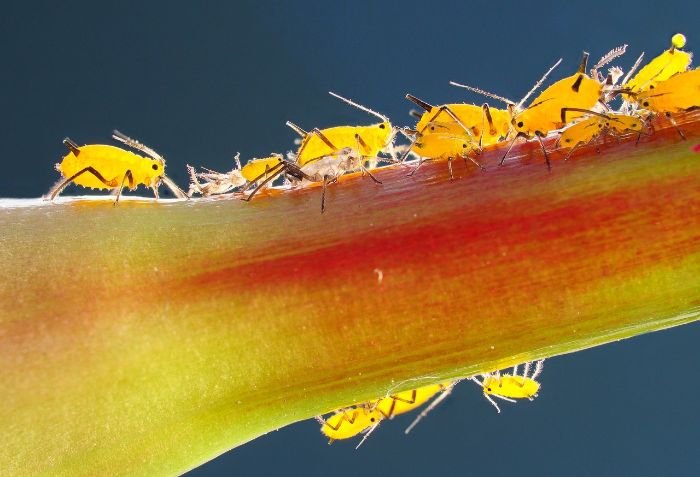
Keep checking your garden for bugs. Know the pests before they get too many. This way, you can act fast. You’ll use the best methods that don’t harm good bugs.
Decision-Making Based on Thresholds
Decide when to act by setting pest levels that need action. This helps you use control wisely. It cuts down on bad chemicals in the environment.

Implementing a Combination of Control Methods
Use a mix of ways to control pests. This includes natural enemies of pests and some use of safe chemicals. A variety of methods help stop pests at different times.
IPM is all about stopping pests before they become a big issue. It focuses on watching, deciding wisely about control, and using different methods to keep pests in check.
Components of IPM
Integrated Pest Management (IPM) is a way to handle pests without using lots of chemicals. It blends several methods like cultural, biological, mechanical, and chemical ways. These help manage pests in a friendly, efficient manner.
Cultural Controls
Cultural controls are about changing the growing area to stop pests. This makes the environment less inviting for them, cutting the need for chemicals. Ways to do this in a garden include:
- Selecting pest-resistant plant varieties
- Properly spacing plants to facilitate airflow and sunlight penetration
- Providing adequate irrigation and nutrients to promote plant health
- Practicing good sanitation, such as removing fallen leaves and plant debris
- Promoting biodiversity by planting a variety of species
Biological Controls
Biological controls use natural enemies to fight pests. This method lets good bugs, animals, or tiny creatures help control the pests naturally. Places these enemies can include:
- Introducing beneficial insects like ladybugs, lacewings, or parasitic wasps
- Encouraging predatory animals, such as birds or toads, to inhabit the garden
- Using microbial insecticides or biological agents to target specific pests
Mechanical and Physical Controls
Using hands-on methods to control pests is mechanical and physical control. It’s about directly dealing with pests or making it hard for them to invade. Control methods without chemicals look like this:
- Hand-picking pests, such as caterpillars or slugs
- Using traps, such as sticky traps or pheromone traps, to capture pests
- Installing fencing or netting to deter large pests
- Using mulch or row covers to create physical barriers against pests
Chemical Controls
Sometimes, using chemicals is necessary in IPM. But, the focus is always on choosing the least harmful chemicals and using them carefully. It’s critical to protect other beneficial bugs and the environment. Here are the steps to follow:
- Use chemicals together with other methods.
- Always read and follow the pesticide label.
- Think about the effects on good bugs and the land.
- Ask experts for the best and safest chemical ways.
Steps to Implement IPM in Your Garden
Implementing IPM in your garden is done step by step. This way, you can control pests well with fewer chemical pesticides. You’ll make the environment better for your plants. Here is how:
Assessing Your Garden’s Pest Situation
Start by checking what pests are in your garden. Figure out what harm they’ve done. This helps you understand the pest problem and what to do about it.
Setting Action Thresholds
Next, decide when to take action based on pest numbers. These are your action thresholds. They help you know when to start controlling pests to prevent big damage.
Choosing Appropriate Control Methods
Now, pick how to deal with the pests. You can use many methods like changing plants, using helpful bugs, or carefully picking off pests. Choose what fits your situation best.
Monitoring and Recording Results
Keep an eye on the pests regularly. This way, you can see what’s working or if you need to change tactics. Write down what you find to see what’s been effective over time.
By using these steps, you can keep your garden healthy and your impact on nature low. Remember, every garden is different. So, adjust your IPM to what works best for you.
Benefits of IPM for Eco-Friendly Gardening
IPM is great for green gardening and keeping pests under control. It’s all about using less chemical sprays. This helps protect the earth, people, and helpful bugs.
Less chemical use is a big plus of IPM. It doesn’t rely on sprays that can hurt nature and health. Instead, it uses other ways to fight pests. This makes gardening safer for everyone.
IPM also makes gardens better for nature. It attracts good bugs and animals by planting wisely. This keeps a healthy balance of life in the garden.
Also, IPM is smart in dealing with pests long-term. It looks into why pests come and then stops them from spreading. So, the garden stays healthy without much spraying.
Summing up, IPM is key for a green, pest-free garden. It cuts down on toxics, helps nature thrive, and keeps pests at bay. Plus, it makes your garden a better place for plants, animals, and you.
Examples of IPM Strategies in Action
Adding IPM strategies to your garden can cut down on pests without a lot of pesticides. Let’s look at some IPM ideas you can use:
Companion Planting for Pest Control
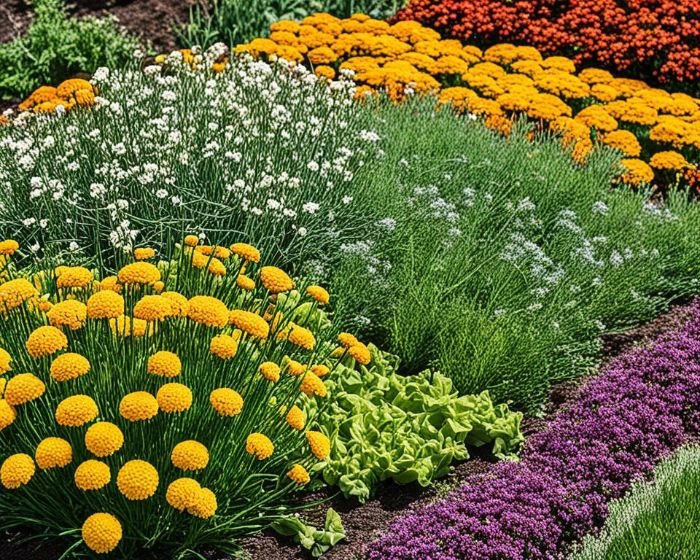
Companion planting means you plant certain things together to fend off bugs or draw in good bugs. For instance, adding marigolds next to veggies can scare away nematodes. Plant parsley too. It brings wasps that eat caterpillars. This way, planting different things together keeps the garden safe from pests.
Using Beneficial Insects
Beneficial insects, like ladybugs and lacewings, are great for controlling pests. They eat the bugs that harm your plants. Using these friendly bugs means you can have less pests without using chemicals. It’s a safe way to keep your garden happy.
Physical Barriers and Traps
Barriers and traps can also stop pests. Using nets, covers, or traps stops insects and birds from ruining your plants. These ways protect your plants without using chemicals.
By using all these strategies in your garden, you can keep pests under control naturally. This helps create a place where your plants, and the good bugs, can thrive.
Challenges and Considerations in IPM
Balancing Immediate Needs with Long-Term Goals
IPM faces challenges in juggling the need for pest control now with eco-friendly gardening long-term goals. It’s easy to reach for chemical sprays, but they can hurt the environment and helpful bugs.
IPM says, “Let’s think big picture,” by focusing on preventing pests, watching for them, and using many ways to control them. Finding a balance helps turn your garden into a place that’s not just pretty but healthy for everyone.
Understanding and Overcoming IPM Challenges
Being good at IPM means knowing the common problems and how to fix them. First, you need to spot the pests right to use the best control. Each pest might need a different plan, and mix-ups can waste time or hurt friends.
Using lots of control ways – like changing how you garden, using bug’s enemies, or safe bugs instead of chemicals – is key but tricky. And facing bugs that don’t care about your usual tricks needs cleverness.
Keep learning and asking for advice to win against these issues and make your IPM plan work.
Conclusion – Embracing IPM in Your Garden
Integrated Pest Management (IPM) offers a complete and lasting way to manage pests in your garden. It focuses on prevention, checking for bugs, and using different ways to keep them under control. With IPM, you won’t need as many chemical pesticides.
Choosing IPM means you’re choosing to garden in an eco-friendly way. It helps nature by increasing the variety of plants and animals around. IPM also helps make sure your garden stays healthy and beautiful for a long time.
IPM lets you build a garden that’s both lively and kind to the Earth. By using methods that don’t harm the environment, your garden can flourish. It also helps keep pests in check without hurting the ecosystem.
FAQ
What is Integrated Pest Management (IPM)?
Integrated Pest Management (IPM) is a way to deal with pests. It helps limit the use of harmful chemical sprays. IPM uses methods like changing how we grow plants, helpful bugs, and setting up barriers to keep pests away. It tries to be safe for people, pets, and the planet.
How does IPM work?
IPM works by stopping pests before they become a big problem. It blends different ways to control pests, aiming not to wipe them out. IPM uses what we know about pests and the Earth to fight them in smart and lasting ways.
What are the main components of IPM?
IPM has a few key parts. It uses ways like changing the plant’s environment and introducing pests’ natural enemies to lower their numbers. Other methods include physically removing pests and using barriers. Spraying chemicals is the last choice.
How can I implement IPM in my garden?
To use IPM in your garden, start by checking for pests and damage. Decide when to act based on how many pests you see. Then, pick the right ways to get rid of them. Keep an eye on the pests to know if your methods are working. Make changes if needed.
What are the benefits of using IPM in gardening?
IPM is great for the environment and helps keep your garden healthy. It cuts down on chemical use, which is good for all living things. By using friendly bugs and good gardening practices, you make your garden more diverse. This makes it a better place for plants and wildlife.
What challenges should I consider when implementing IPM?
IPM can be hard because it’s about finding a balance. You need to control pests now but also think about the future. Keeping at it and knowing how to use different control methods are key to making IPM work.