



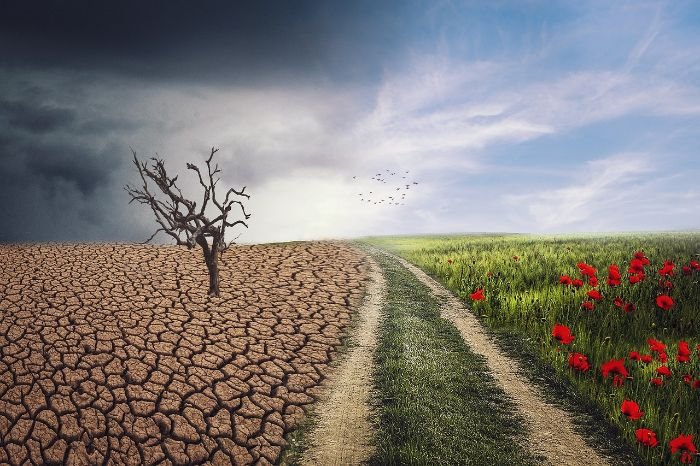
Climate change is changing our world fast. Its effects are clear in our gardens. We see different weather, extreme heat or cold, and strange rain patterns. To keep our gardens healthy and green for a long time, gardeners must pick plants that can handle these tough times.
What are resilient plants, you may ask? They are key to tackling climate change in gardens. In this part, we will talk about gardening in a changing climate. We’ll see how picking the right plants helps our gardens and our planet. Adding these tough plants doesn’t just help us deal with climate change. It also helps to make our gardens better places.
Key Takeaways:
- Gardening for climate change requires adapting to the changing environmental conditions.
- Selecting resilient plants is crucial for creating sustainable and thriving gardens.
- Resilient plants can withstand and thrive in challenging climate conditions.
- Resilient plant selection plays a role in both adapting to and mitigating climate change.
- By choosing resilient plants, gardeners contribute to the long-term health and sustainability of their landscapes.
Table of Contents
Introduction to Climate Change Gardening
In our fast-changing world, gardens feel the effects of climate change. Temperatures are rising, and rain patterns are shifting. More extreme weather events are becoming common. As gardeners, we must learn new ways to help our gardens thrive.
The Impact of Climate Change on Gardens
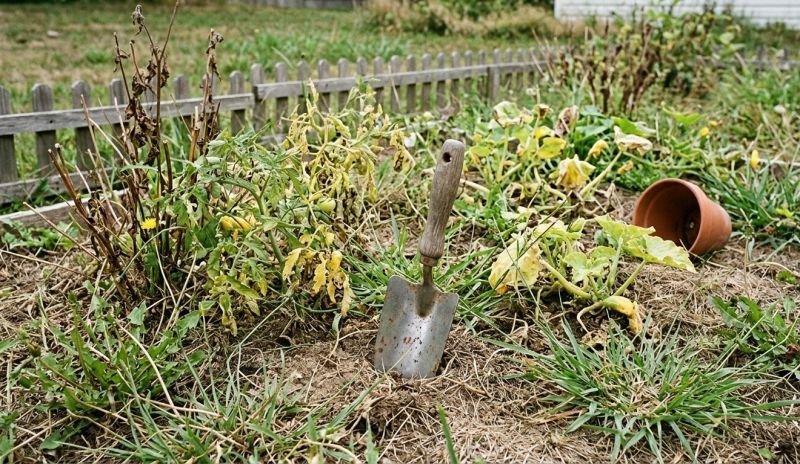
Climate change is turning gardening upside down. With the rising heat, many plants are struggling. Without enough rain, plants can get damaged. If there’s too much rain, the roots might drown. Extreme weather like hurricanes and tornadoes can destroy entire gardens in an instant.
Why Resilient Plant Selection is Crucial
Picking sturdy plants is crucial under these new climate rules. They are strong enough to handle stress from weather changes. These plants don’t need much water, and they brave extreme weather better. They also help gardens be more natural by needing less man-made chemicals.
Understanding Climate Resilience in Plants
Creating thriving gardens during climate change involves knowing about climate resilience in plants. Climate resilience means a plant can handle and adapt to changing weather. Resilient plants have special traits to grow well in any climate.
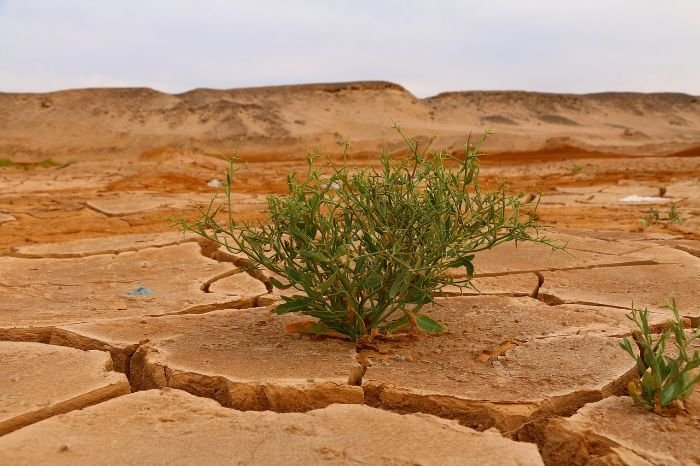
Key Traits of Climate-Resilient Plants
Plants that can survive climate change have unique characteristics. These include:
- They are good at saving water and surviving dry spells. This is because they can hold water well.
- These plants can live in waterlogged areas without dying. They have ways to breathe in water, like storing oxygen in their roots.
- They can live in temperatures from very cold to very hot. They know how to keep themselves warm or cool.
By planting these tough plants, gardens can be ready for climate challenges.
Adapting to Variable Conditions
Plants also change themselves to suit the weather. They do this by growing differently or changing how they work internally.
They time their important events, like flowering, for the best weather. This helps them survive and make new plants more easily.
Over many years, plants can even change or grow new traits to fit the environment better. This is how they stay strong and keep adapting.
For gardeners, knowing about plant resilience is key to lasting gardens. Choosing plants that can adapt helps ensure garden success.
Selecting Resilient Plant Species
Picking the right plant species is key for a tough garden. Resilient plants can handle the challenges a changing climate brings. Here, we’ll take a look at different resilient plants for your garden.
Drought-Tolerant Plants
Looking for plants that can do well with little water is smart. Drought-tolerant plants don’t need a lot of water to survive. They can keep water in by having deep roots or thick leaves.
Here are some top picks for drought-tolerant plants:
- Agave stores water in its thick leaves and can go long periods without water.
- Lavender smells great, looks pretty, and does well with little water.
- Yucca’s sharp leaves and water-saving tricks help it survive harsh, dry weather.
Flood-Resistant Plants
In wet areas or those prone to floods, choose plants that can handle a lot of water. These plants are good at handling too much water without getting sick. They have roots that can take wet soil and short floods.
Here are some great flood-resistant plants:
- Cyperus, also known as papyrus, loves wet soil and can deal with some flooding.
- Irises do well in both dry and wet spots, making them a great all-around choice.
- Marsh Marigold brightens up wet spots and can deal with a lot of water.
Plants with Temperature Flexibility
With the world warming up, garden plants need to handle both hot and cold. Temperature-flexible plants can do well in changing weather. They are ready for anything.
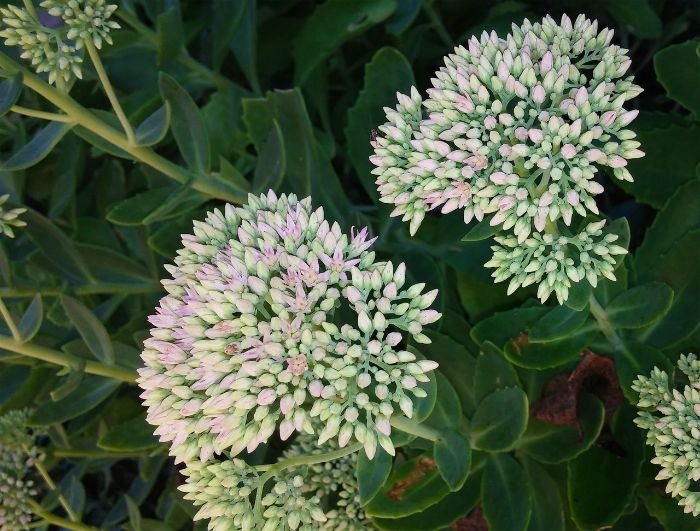
Check out these temperature-flexible plants:
- Sedum, or stonecrop, can take both heat and cold, perfect for many places.
- Japanese Maples look amazing and can deal with hot summers and cold winters.
- Black-eyed Susans are tough flowers that will bloom even in rough weather.
Native Plants as Climate-Resilient Choices
In today’s changing climate, people are looking to native plants for their gardens. These plants have lived in their local areas for a long time. So, they are strong against the challenges of a changing climate.
Benefits of Native Plants
Native plants are great for the environment. They help local animals and bugs by providing places to live and food to eat. Using native plants in your garden helps keep the local ecosystem healthy.
Native plants are also easy to take care of. They are used to the local weather and soil, which means you don’t need to water or add stuff to the soil as much. This saves time and is good for the planet.
Finally, native plants help the soil and water stay healthy. Their roots keep soil from washing away and help rainwater soak into the ground. This keeps pollution out of our water.
Examples of Resilient Native Species
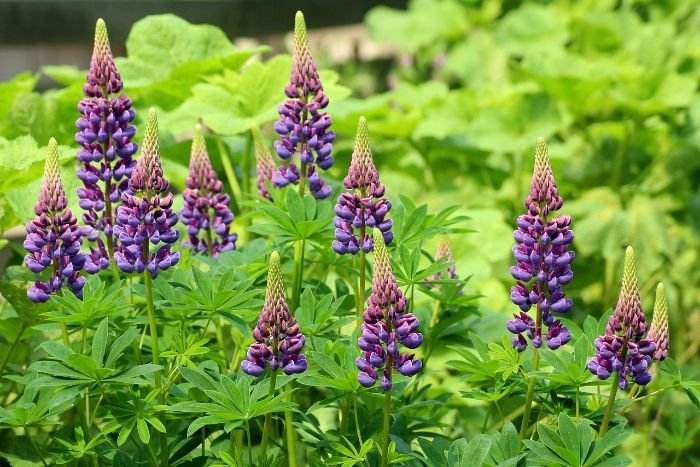
There are many strong native plants you can choose for your garden. Let’s look at some examples:
- Lupine (Lupinus spp.) – This plant blooms beautifully and grows almost anywhere. It’s a great choice for many gardeners.
- Switchgrass (Panicum virgatum) – Switchgrass is a tough grass that doesn’t need much water. It’s good for the soil and is a home for wildlife.
- Black-eyed Susan (Rudbeckia hirta) – This flower is tough and attracts important insects. It can handle rough weather and doesn’t need a lot of care.
- Eastern Redbud (Cercis canadensis) – A pretty tree that’s good with different conditions. It feeds bees and butterflies early in the year.
But, there are many more plants you could use. Talk to people at local nurseries or plant groups to find the best ones for where you live.
Resilient Plant Varieties for Different Climates
Selecting the right plant varieties for different climates is key in resilient gardening. We’ll look at plants that thrive in dry, wet, and variable climates. These recommendations will help you build a thriving garden.
Resilient Plants for Dry Climates
In dry climates, gardening can be hard due to high heat and little water. But, there are plants that love these arid conditions. They have deep roots and thick leaves to keep water in. You can use succulents like Aloe vera and Agave, or drought-tolerant shrubs such as Lavender and Yarrow.
Resilient Plants for Wet Climates
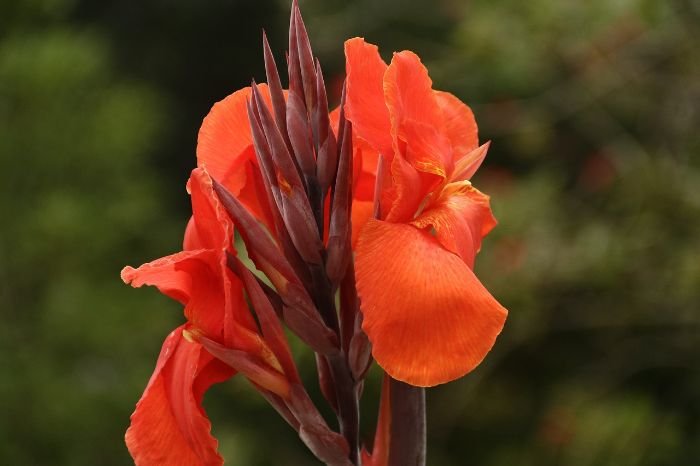
Plants in wet climates must handle lots of water and high humidity. They should tolerate being water-logged and resist diseases. Look into plants like Iris and Canna that love water, or Pitcher Plant and Bald Cypress that do well near bogs.
Resilient Plants for Variable Climates
Variable climates can change from hot to cold quickly. Plants must be able to adapt. There are hardy plants that flourish in these ups and downs. Consider flowers like Black-eyed Susan and Daylilies. Ornamental grasses like Maiden Grass and Fescue also do great.
Pick plants that match your climate for a beautiful, resilient garden. They can thrive in dry, wet, or variable climates. This means your garden will bloom despite the weather challenges.
Tips for Planting and Caring for Resilient Plants
Gardening for climate change starts with choosing sturdy plants. But that’s just step one. It’s crucial to plant and care for these plants correctly. This ensures they not only survive but thrive in your garden. We’ll show you how to prepare the soil and add the right stuff. We’ll talk about the best ways to water and prune your plants too. Let’s get started!
Soil Preparation and Amendments
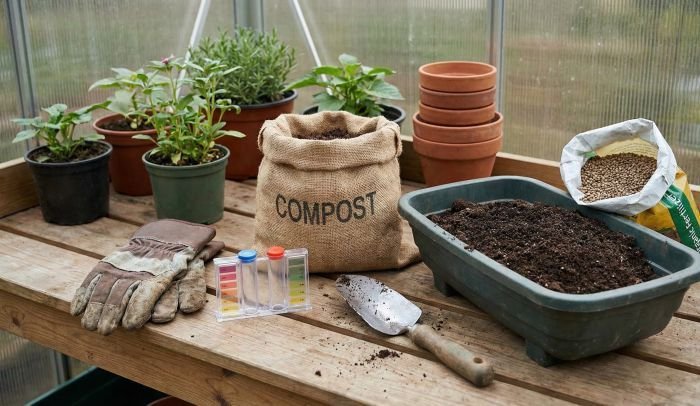
To make a good home for your plants, the soil needs attention. First, test the soil’s pH. This test tells you if the soil is good as is or needs a boost. Then, clear out any weeds and debris. Adding things like compost and manure can make the soil better. They add plant food and improve the soil’s structure. Other additions, like peat moss or perlite, help keep water where roots can get to it. This stops root rot and helps your plants grow strong.
Watering and Irrigation Techniques
Water wisely to save water and help your plants. Aim for deep but not too often watering. This helps roots grow deep. That makes plants better at handling dry times. Using drip systems waters plants directly. This uses less water than spraying it around. A layer of mulch keeps the soil moist. It also means you don’t have to water as much.
Pruning and Maintenance Strategies
Pruning and taking care of plants regularly keeps them in top shape. Cutting off dead parts and shaping plants is important. It helps air get around and makes them look nice too. Good pruning helps new flowers grow. But that’s not all. Keep weeds away. Watch out for bugs and illnesses on your plants. If you have climbers, make sure they have the right support. These simple actions keep your garden happy in any weather.
Use these tips to make your garden a success. Picking the right plants is just the start. Good soil, water, and taking care of your plants are key. Good gardening helps fight climate change. It’s a way to have a lush garden despite the world’s challenges.
Additional Strategies for Climate-Resilient Gardening
Besides picking strong plants, gardeners have other good ways to make their gardens tough. These methods make plants stronger, save resources, and cut down harm to the earth. Let’s check out some of these tricks:
Companion Planting for Resilience
Companion planting means putting different plants together to help each other. This makes plants tougher by drawing beneficial bugs, pushing away pests, and making the soil better. For instance, if you plant marigolds with tomatoes, it stops bad bugs. Planting beans near corn adds nitrogen to the soil. Picking the right companion plants can make your garden diverse and strong.
Using Mulch and Ground Covers
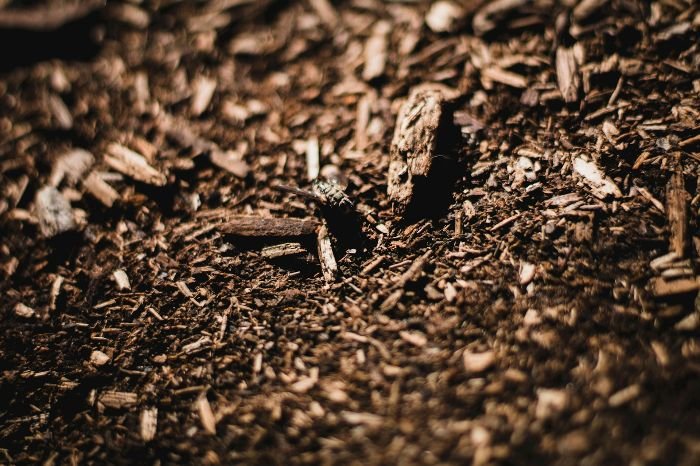
Mulching covers the soil with things like wood chips or straw. It keeps moisture in, evens out the soil temperature, and stops weeds from growing. Mulch also acts like a blanket for the plant roots, protecting them from the weather. Ground covers, like low plants or crops, can protect the soil too. Both mulch and ground covers save water, cut out the need for chemicals, and keep the garden healthier.
Implementing Sustainable Gardening Practices
Using green gardening methods is key for gardens that can handle climate change. It means using less fake stuff, saving water, and making less trash. Green ways include making soil rich with compost from food scraps, using rainwater to water, and choosing natural pest controls. By doing these things, you make gardens that are strong and kind to the planet.
With companion planting, mulch, and green gardening, your plants get tougher, and your garden becomes more lively and green. These extra steps, added to picking the right plants, will keep your garden doing well even as our climate changes.
Conclusion – Embracing Climate-Resilient Gardening
As we finish up, it’s clear that we need to adopt climate-resilient gardening. We discussed how climate change affects gardens and why picking strong plants is key. Let’s go over the main tips and urge you to make your garden more resilient and sustainable.
Understanding which plants can handle the weather is vital. Choose plants that can survive droughts, floods, and different temperatures. This ensures your garden will do well under any weather.
Using native plants is a big help in climate-resilient gardening. They fit in with the local area easily and need less care. Plus, they support wildlife and make your garden stronger.
When planting, also think about adding friends to your plants, like mulch. These simple things can make a big difference. They help save water, keep your garden weed-free, and are good for the earth.
By taking these steps, you’re helping the planet and making a beautiful, strong garden. Let’s start now and create gardens that are ready for whatever the climate throws at them.
FAQ
What is climate change gardening?
Climate change gardening means picking plants that can handle changes in the weather. It’s all about thriving in new environmental conditions.
How is climate change impacting gardens?
Climate change is shifting temperatures and rain patterns. It’s also making extreme weather more common. These things all affect our gardens.
Why is resilient plant selection crucial?
Choosing strong plants helps us keep up with climate change. It lets us make gardens that last and do well over time.
What are the key traits of climate-resilient plants?
Climate-resilient plants can handle droughts, floods, and changing temperatures. They adjust and grow in different conditions.
How can gardeners select resilient plant species?
Gardeners should pick plants that fit their garden’s needs. For dry places, choose drought-tolerant plants. For wet areas, go with flood-resistant ones. For places where temperatures change a lot, look for plants that can handle that.
What are some examples of resilient native plant species?
Some tough native plants include Black-Eyed Susan, Purple Coneflower, Switchgrass, and Eastern Red Cedar.
What are some tips for planting and caring for resilient plants?
Soil prep and the right amount of water are key for resilient plants. Also, make sure you prune and take care of them regularly. This keeps them healthy and strong.
What are some additional strategies for climate-resilient gardening?
Pairing plants that help each other is a good idea. Using mulch and ground covers saves water and keeps weeds down. Also, use earth-friendly gardening methods to protect the planet.