




Most gardeners water with good intentions but follow stories passed around for decades. Some of those habits quietly rot roots, scorch leaves, or waste hours with no gain. The truth is simple – timing, depth, and delivery matter more than tradition.
Learn the myth that makes leaves droop even when soil is wet, the habit that spreads disease overnight, and the trick with a simple container that tells you if your watering ever reaches the roots. Break free from old tales and your garden will reward you with stronger growth, fewer pests, and less wasted water.
Key Takeaways:
- Expose the common habit that secretly rots plant roots
- Avoid the bedtime watering trap that fuels garden disease
- Catch the midday leaf signal that shows shallow watering
- Test your system with one overlooked tool most gardeners ignore
- Discover the myth that drains water and still leaves soil dry
Table of Contents
Three Rules That Replace Garden Watering Myths
Garden watering myths fade fast when you use simple, repeatable checks. Use soil cues instead of calendars, deliver water to root depth, and confirm what actually reached the ground before you adjust run time. These three habits keep plants hydrated without waste.
The three rules of watering – soil-first, slow-deep, verify delivery
The answer to garden watering myths is three rules:
- Water when the top 1-2 inches turn dry,
- Soak slowly so moisture reaches the active root zone,
- Verify delivery with a quick catch-can check.
If soil is still damp at 1-2 inches, wait. When you do water, use a gentle flow that does not bead or run off and aim for 6-8 inches depth in beds and 3-4 inches in turf. Set a few straight-sided cans under the pattern; even levels tell you coverage is good, uneven levels mean you adjust position or runtime before the next session.
I stick to these three rules across beds, turf, and containers because they scale without gadgets.
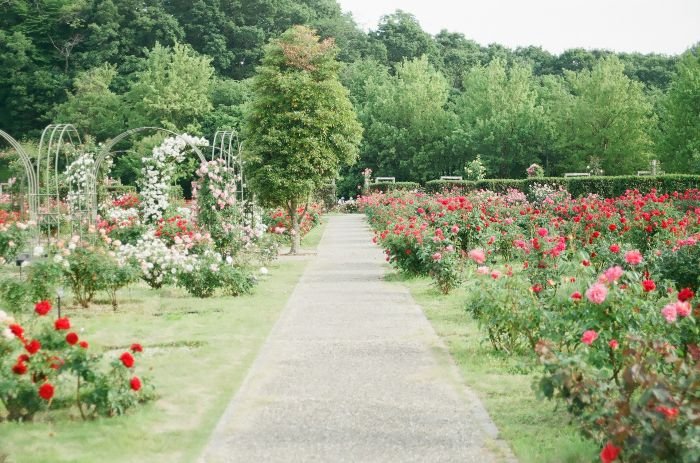
Why myths persist – habit, bad proxies, calendar thinking
Most myths ride on convenience. Daily sips feel safer than a proper soak, and a fixed “every other day” plan feels tidy even when roots do not need it. Shiny leaves, hot air, or a dry surface are bad proxies for root moisture. Replace those shortcuts with simple touch checks and depth targets so decisions match plant needs, not habit.
Quick validation – soil touch test and catch-can check
Validation keeps you honest. Push a finger 1-2 inches into the soil or use a screwdriver; cool resistance means wait, dry crumble means water. After any sprinkler session, place 3-5 cans across the pattern and compare levels. If one area shows half the water of the others, shift heads or extend runtime until levels match.
Containers need the same logic – water until a steady stream exits drain holes, then pause to let the profile equalize.
| Myth | Why it fails | Do instead |
|---|---|---|
| Water a little every day | Roots stay shallow and heat sensitive | Water when the top 1-2 inches are dry and soak to root depth |
| One inch per week fits all | Soil texture and weather change demand | Check soil first, then target depth by bed or turf |
| If leaves look shiny, plants are fine | Leaf sheen does not show root moisture | Test soil by touch 1-2 inches down before watering |
| Night watering is always best | Long leaf wetness can raise disease risk | Favor early morning so leaves dry after watering |
| Sprinklers water evenly by default | Patterns overlap unevenly with wind and obstacles | Use catch cans to confirm even coverage and adjust |
| Water on leaves burns plants in sun | Sun scorch comes from heat, not clean water drops | Aim at the base; brief leaf wetting is generally safe |
These rules convert opinion into simple checks. Follow them consistently and you will break bad habits without chasing gadgets or rigid schedules.
Timing Myths – Morning, Evening, Heat, Wind, After Rain
Timing myths waste water and stress plants. Trade fixed schedules for clear windows and hard stop signals. Use air conditions, leaf-dry periods, and recent rain to decide when to run water.
What is the best time to water your garden?
Early morning is the best time to water your garden for most beds and lawns. Aim for 5-9 am so leaves dry by late morning and evaporation stays low. Cooler air holds less moisture, so droplets linger less and disease pressure drops. In hot zones or heat waves, slide earlier toward sunrise to keep canopy temps down when water hits the soil. Evening can work in dry climates with good airflow, but only if leaves dry within 2-4 hours; avoid long overnight wetness.
Pro tip: if shade keeps an area damp past 10 am, switch that zone to pre-sunrise only and water at soil level.
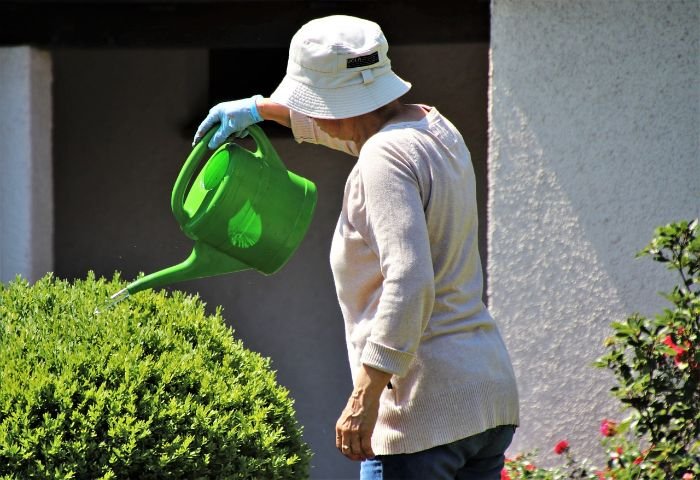
When should we not water the plants?
Skip irrigation when air temperatures exceed 90°F with direct sun, because much of the spray flashes off and roots absorb less. Hold water during strong wind above about 12 mph; patterns drift and coverage turns patchy. Do not water when the top 1-2 inches are still cool and damp or when soil already puddles after a short test. If a thunderstorm is forecast to drop around 0.5 inch within 24 hours, delay and let the storm do the work. Overhead watering late in the evening in humid weather keeps leaves wet for many hours, which raises disease risk.
Pro tip: run a 60-second spot test at the edge of a bed. If water beads or runs sideways, pause and return at cooler, calmer conditions.
After rain or cool snaps – how long to wait
Treat rain like irrigation and count it. A simple can or gauge tells you if the storm delivered enough to pause for a day or two. On loam, about a half inch of steady rain usually carries beds for 24-48 hours; sandy ground dries faster and clay holds longer. Cool spells slow plant use, so push the next check later rather than watering by habit. When in doubt, press a finger 1-2 inches into the soil at dawn; dry crumble means water, cool resistance means wait.
- If temps top 90°F with full sun, delay until cooler hours.
- If wind is above 12 mph, hold and reschedule.
- If rain delivers around 0.5 inch, pause 24-48 hours.
- If leaves stay wet past sunset, switch to early morning.
- If soil is cool and damp at 1-2 inches, skip the cycle.
Midday watering – myth and exception
Midday watering is often dismissed as wasteful, but the real problem is efficiency. At 11 am to 3 pm in full sun, up to 30% of overhead spray can vanish to evaporation before reaching roots. That said, in emergency wilt situations, a targeted soak at the base can prevent permanent damage. Use this only as a rescue tool, not routine practice.
- If temps top 90°F with full sun, delay until cooler hours.
- If wind is above 12 mph, hold and reschedule.
- If rain delivers around 0.5 inch, pause 24-48 hours.
- If leaves stay wet past sunset, switch to early morning.
- If soil is cool and damp at 1-2 inches, skip the cycle.
- If midday wilt threatens plants, water at the base only.
| Timing Myth | Why it fails | Evidence-based practice |
|---|---|---|
| Evening is always best | Long leaf wetness raises disease pressure | Early morning 5-9 am with fast leaf dry |
| Water anytime, plants adapt | Heat and wind cut efficiency | Favor calm, cool hours for maximum uptake |
| Rain covers watering for a week | Soil texture shifts how long moisture lasts | Use gauges and soil touch to decide |
| Never water at midday | Rescue soaks can prevent permanent wilt | Use only as an emergency base soak |
| Wind does not matter | Patterns drift and coverage gets patchy | Delay if wind exceeds 12 mph |
Timing decisions get sharper when they follow air conditions and leaf-dry windows. Use these triggers, and watering plants myths about “evening is always best” or “anytime works” fall away fast.
Quantity Myths – Daily Sips, “One Inch For All,” Overwatering Fear
Volume myths lead to shallow roots and wasted water. Replace blanket numbers with depth targets and quick checks. Aim for water to reach the active root zone, then wait until the upper layer dries before the next cycle.
Deep watering vs frequent watering – root depth targets by bed and turf
Daily sips keep roots in the top inch, where heat and wind are harshest. Beds respond better to slow soaks that reach 6-8 inches; turf performs on 3-4 inches. Containers need full-profile moisture, not a surface splash, so water until a steady stream exits the drain holes, pause 5-10 minutes, then finish with a short second pass. If beds crust on top, loosen the top 0.5 inch so water enters instead of running off.
Pro tip: if you cannot push a screwdriver 3-4 inches into turf after watering, you reached the blades, not the roots. Extend runtime next session, not today.
Verify amounts – tuna can test and screwdriver probe for depth
Trade calendar plans for two simple checks. Place 4-6 straight-sided cans across the sprinkler pattern; when the average reaches about 1 inch for cool-season lawns or 0.5-0.75 inch for warm-season light cycles, stop. In beds, runtime varies by soil: sandy profiles take water fast, loams moderately, clays slowly. Probe depth with a screwdriver or a thin trowel 30 minutes after watering; smooth glide to 6-8 inches signals a good soak, gritty resistance at 3-4 inches means you fell short.
Containers are simpler – clear runoff plus evenly moist media top-to-bottom beats any minute count.
Pro tip: keep one marked tuna can at 0.5 inch and one at 1 inch. Different targets prevent overwatering in light-maintenance weeks.
Heat wilt vs overwatering – different signals, different fixes
Heat wilt shows in midafternoon and recovers by evening; leaves feel warm and limp, soil tests dry in the top 1-2 inches. The fix is earlier watering or temporary shade, not a second midday cycle. Overwatering shows morning droop, pale growth, and a sour smell; the upper layer stays cool and damp and the probe sinks too easily. The fix is airflow, drainage improvement, and longer gaps between cycles.
| Quantity Myth | Why it fails | Evidence-based practice |
|---|---|---|
| One inch per week fits all | Soil, weather, and turf type change demand | Use cans to measure output and soil depth to verify reach |
| Water a little every day | Roots stay shallow and stress quickly | Soak to 6-8 inches in beds, 3-4 inches in turf, then wait |
| More water cures yellow leaves | Chronic saturation starves roots of oxygen | Check morning firmness and smell; increase gaps and improve drainage |
| If the surface is dry, water now | Top half inch dries first while roots are fine | Test 1-2 inches down; water only when that layer is dry |
| Containers need just a quick splash | Surface wetting misses the root ball center | Water to steady runoff, pause, then finish with a short pass |
These checks turn volume into depth that roots can use. Keep the probe and cans handy, and adjust runtime on the next cycle instead of stacking extra water today.
Method Myths – Sprinklers, Drip, Hand Watering, Leaf Wetness
Tool choice matters as much as timing and volume. Match the method to the area and conditions, then verify coverage and placement. A few field rules clear up common mistakes without turning this into a hardware manual.
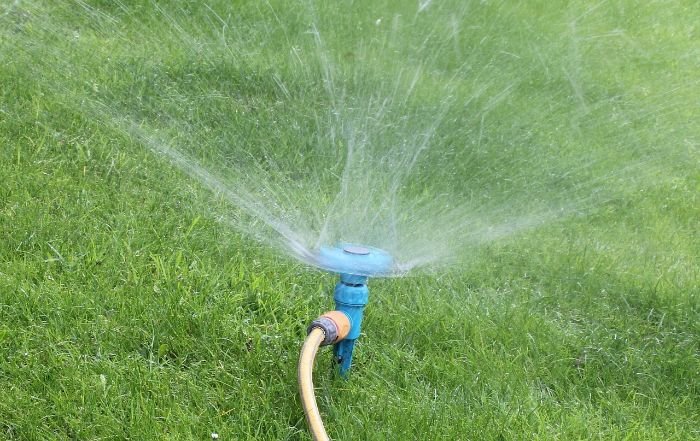
Sprinklers vs drip – coverage, waste, where each works best
Sprinklers shine on open turf and uniform groundcovers, where head-to-head overlap can form an even pattern. Keep arc and radius matched and avoid running when wind exceeds about 12 mph. If brown “donuts” appear around sprinkler heads, the overlap is short and water is landing near the head, not across the arc. Raise sunken heads to grade and clear grass that blocks the spray.
Drip wins in beds with mixed plant heights, narrow strips, or windy sites. Use emitters around 0.5-1 gph for most perennials and shrubs and space lines so every root zone gets at least two wet spots. If mulch stays dry but roots perk, the system is doing its job. Lawn watering myths often start with assuming sprinklers are “automatic”; even they need periodic checks to keep patterns honest.
Pro tip: if spray fogs in the air, you have too much pressure at the nozzle. Step down pressure or use larger nozzles with lower psi.
“Water on leaves burns plants” – when leaf wetness matters
Clean water does not act like a magnifying glass. Leaf burn comes from heat and salts, not sun through droplets. The real issue is long leaf-wetness periods that raise disease risk. Favor early morning so foliage dries by midmorning. In humid evenings, keep water at the base or use drip. If overhead watering is your only option, choose larger droplets and shorter runtime so leaves dry within 2-4 hours after sunset.
Pro tip: if you see persistent leaf wetness overnight, shorten evening cycles or shift them to pre-dawn.
Hand watering done right – slow flow, base targeting, runtime cues
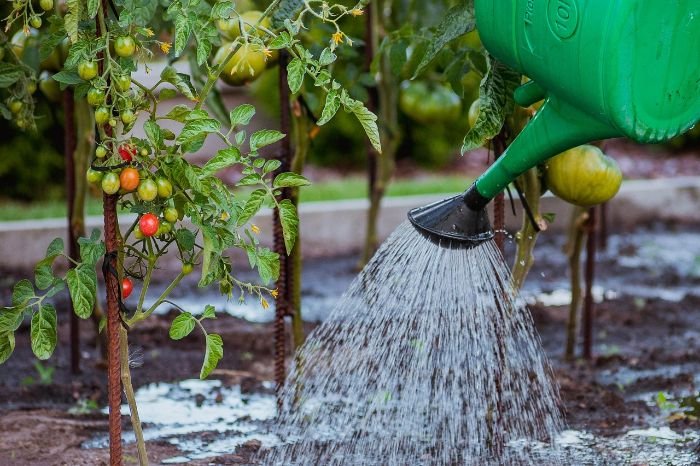
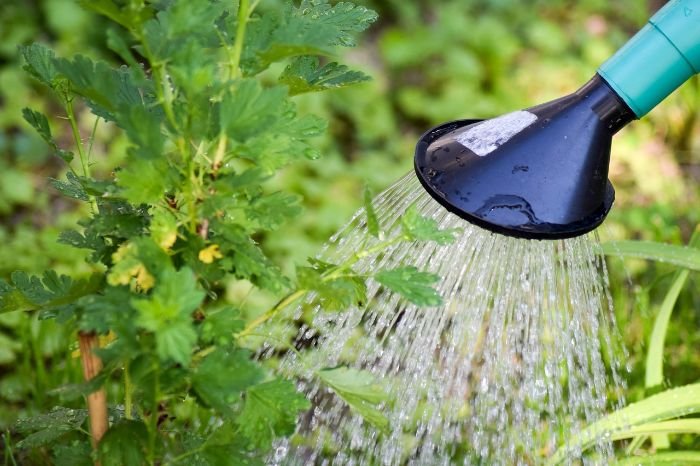
Hand watering can be surgical or sloppy. Keep the rose low and the flow slow so water sinks instead of splashing. Hold on each plant long enough to wet the root ball, then move on; come back for a brief second pass after 5-10 minutes to even out the moisture. In containers, water until you see a stream from the drain holes, tilt the pot to release trapped water, then finish with a short top-off. If the surface seals or beads, roughen the top half inch before the next session.
- Use sprinklers for large, uniform turf; verify even overlap.
- Use drip for mixed-height beds, wind, and narrow strips.
- Use hand watering for new transplants and containers.
- In humid evenings, keep water at the base or pre-dawn.
- Reduce nozzle pressure if spray turns to mist or fog.
| Method Myth | Why it fails | Evidence-based practice |
|---|---|---|
| Sprinklers water evenly by default | Wind, grade, and blocked heads break patterns | Match arc and radius, raise heads to grade, check overlap |
| Drip wastes water you cannot see | Water targets roots under mulch with minimal loss | Use 0.5-1 gph emitters, place two wet spots per root zone |
| Hand watering is always precise | Fast flow and short passes miss the root ball | Slow the flow, two-pass approach, watch for steady drain |
| Water on leaves burns plants in sun | Heat and salts cause burn, not clean droplets | Water early morning or keep water at the base in humidity |
| Finer mist cools plants better | Mist drifts and evaporates before roots benefit | Use larger droplets and base targeting for real uptake |
Choose the tool for the area, then verify where the water actually goes. Small method corrections prevent waste and keep roots hydrated without creating disease or dry pockets.
Soil And Plant Myths – One-Size-Fits-All Watering
One schedule cannot serve every bed. Soil texture and plant habit change how fast water moves and how long roots stay supplied. Use texture and plant status to set checks, then water to the need you observe.
Sandy vs clay vs loam – how texture changes frequency and checks
Sandy soil drains fast and warms quickly, so expect shorter intervals. In summer heat, many sandy beds need checks every 12-24 hours, while loam holds 24-48 hours and clay can stretch 48-72 hours between drinks. Test at 1-2 inches with a finger or probe. If sand crumbles dry but resists at 4-6 inches, you are on track; if clay feels slick at the surface but roots still flag by morning, the profile is holding water where roots cannot breathe and you need longer gaps, not more minutes.
Pro tip: if water beads on dry sand, pre-wet with a brief pass, wait 5-10 minutes, then apply the main soak so it penetrates.
Drought tolerant vs newly planted – establishment still needs water
Drought tolerant describes mature roots, not fresh transplants. New trees, shrubs, and perennials need the root ball kept evenly moist for the first 2-4 weeks while roots reach surrounding soil. If foliage droops at dawn during this window, water the root ball directly and shade lightly for a day. Once plants anchor beyond the original hole, you can lengthen intervals and return to depth-focused soaks. Treat flowering annuals as high demand until nights cool.
Containers and raised beds – faster dry-down and quick tests
Containers and raised beds shed moisture faster than in-ground soil. Lift pots to feel weight and water when the top inch is dry but the mix still feels cool below. Black plastic heats quickly and can double evaporation on west exposures, so move to morning sun or use a light sleeve. If soilless mix turns hydrophobic and sheds water, submerge the pot base for 2-3 minutes or apply two short passes 10 minutes apart to rewet evenly. Raised beds of the same soil typically dry 10-20 percent faster than adjacent ground, so check them first during hot, windy spells.
| Soil or Plant Myth | Why it fails | Evidence-based practice |
|---|---|---|
| All soils can share one schedule | Texture changes drainage and evaporation | Set checks by texture: sand 12-24 h, loam 24-48 h, clay 48-72 h |
| Clay needs frequent short drinks | Surface stays wet while roots go hypoxic | Give longer gaps and verify oxygen with morning firmness |
| Drought tolerant plants rarely need irrigation | Tolerance comes after roots establish | Keep the root ball moist for 2-4 weeks, then extend intervals |
| New shrubs can join the landscape timer | Transplant roots sit in a small volume | Target the planting hole directly until roots spread |
| Containers equal beds in water use | Exposed sides and light mixes dry faster | Use lift test and two-pass watering to rewet evenly |
| Raised beds hold water like in-ground | Elevated edges and airflow speed dry-down | Check raised beds first during heat and wind events |
Soil and plant context turns watering plants myths into clear field checks. Match intervals to texture and root status, and you will keep moisture where roots can use it without wasting a gallon.
Final Thoughts
Watering practice works best when it is built on routine checks rather than fixed formulas. Set a reference schedule, then fine-tune it based on weather, soil response, and plant vigor. Dry topsoil with firm subsurface resistance signals a need to irrigate, while soft, cool soil at depth means the reserve is adequate.
Seasonal rhythm matters as much as daily habit. In warm months, plan more frequent reviews and reduce volume per session to avoid shallow pooling. During cooler periods, stretch the interval but always confirm that roots remain active. Stress shows first in leaf posture and color shift, so train yourself to read those cues early.
- Test soil resistance before adding water
- Vary intervals with seasonal temperature swings
- Keep volumes moderate to avoid surface runoff
- Track leaf changes as the first warning sign
- Recalibrate weekly to prevent habit-driven errors
FAQ
Do I need a moisture meter to water correctly?
No. Set a simple baseline instead: weigh a fully watered pot once and note the number, then reweigh before irrigating; for beds and turf, use a wooden skewer or soil probe to check dampness below the surface and run a short catch-can audit monthly to calibrate runtime.
Are ice cubes a smart way to water container plants?
Ice melts unevenly and chills roots, so it leaves dry pockets and slows uptake. Use room-temperature water, wet the full profile, let excess drain, then return in 5-10 minutes with a brief top-off to even moisture without pooling.
Will a weather app’s rainfall replace a yard rain gauge?
No. Rainfall is hyper-local. Install a simple gauge in an open spot and log totals. Fast bursts often wet only the surface; if the layer beneath stays dry on a skewer check, run a short make-up soak during a cool, calm window.
Do hydrogels or water crystals mean I can water less?
They buffer swings in some potting mixes but break down over time and do not replace full-profile wetting. Use them as a supplement, not a schedule. Confirm moisture by weight or a skewer test before extending intervals.
Does mulch mean I can skip watering altogether?
Mulch reduces evaporation and moderates temperature, but roots still consume water. Part the mulch and test the soil just below it; if the layer beneath feels dry on a probe or skewer, irrigate, then replace the mulch to help hold it.
Can drip irrigation run the same minutes as sprinklers?
No. Sprinklers deliver inches per hour while drip emitters deliver gallons per hour. Set time by emitter flow and number per plant, then verify by checking the wetted area around the root zone and adjusting minutes, not frequency.
Do lawns need daily watering in summer?
Most do not. A turf footprint that remains visible for 30-60 seconds late in the day signals it is time. Otherwise hold. Fewer, deeper sessions develop resilient roots and reduce waste, which corrects common lawn watering myths.
Does deep watering vs frequent watering apply to containers too?
Yes, but with a twist. Containers need full-profile wetting every time, then a brief return pass for even distribution. Frequency is higher than beds because exposed sides increase evaporation, so set intervals by weight and drainage rate, not the calendar.