Your garden can be more than beautiful. It can be a home for birds, butterflies, and other creatures. But how do you bring them in?
Choosing the right plants is the answer. The right plants offer food, shelter, and a place for baby wildlife. Good plant choices make your garden more alive and diverse.
So, what plants work best to attract wildlife? How do you make your garden right for birds, butterflies, and more?
We’ll show you how to pick plants that bring in wildlife. Then, we’ll explain how to set up your garden for their needs.
Key Takeaways:
Carefully selecting the right plants can attract birds, butterflies, and other wildlife to your garden.
Plant choices enhance the ecological value and diversity of your garden.
Designing your garden to meet the specific needs of wildlife creates a thriving habitat.
Table of Contents
About Wildlife-Friendly Gardens
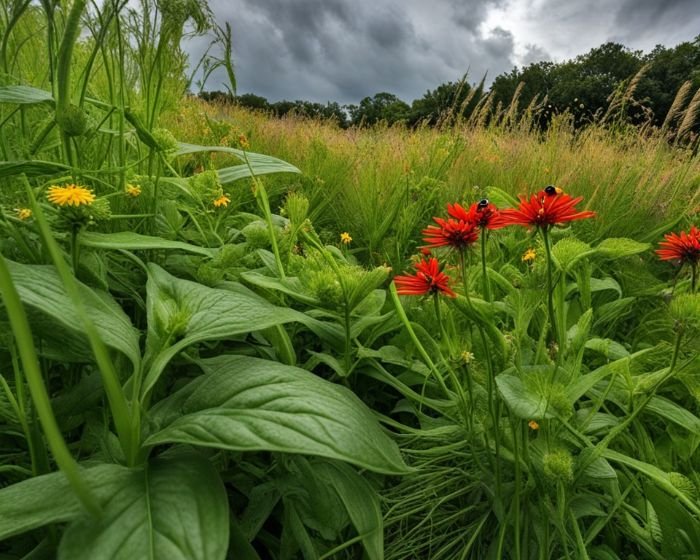
Want to make your garden a place where birds and butterflies love to visit? By setting up your garden for wildlife, you can enjoy the views full of nature close to you. This also helps keep the environment happy and healthy.
A great garden for wildlife means picking the right plants. Choose ones that give animals food, a place to hide, and materials for nests. Your garden will not just look pretty but will be a haven for many species.
Benefits of Attracting Wildlife to Your Garden
Having wild visitors makes your garden more beautiful and lively. Birds and butterflies add color and music to your days, bringing peace and happiness. They make your outdoor space feel magical.
Yet, wildlife is more than pretty. They help plants grow by pollinating them. This process is key for flowers and fruits to form. Also, some birds and bugs eat the bad bugs, which means you won’t need as many chemicals to protect your garden.
How Plant Choices Enhance Ecological Value
The plants in your garden impact the environment a lot. By choosing wisely, you create homes and food for many animals. Local plants, especially, are great because they are friendly to the area and support lots of life.
Plants with beautiful, nectar-filled flowers attract key pollinators like bees and butterflies. This helps not just your garden but plants in the area to grow and reproduce. And plants that make berries or seeds are vital food for many animals.
Key Considerations for Attracting Wildlife
To bring wildlife to your garden, learn what they need first. Each animal prefers different food, water, and places to live. Add plants of various sizes, bloom times, and shapes. This makes a home that welcomes many types of wildlife.
Understanding the Needs of Birds, Butterflies, and Other Wildlife
When you want birds, butterflies, or other animals, think about their needs. Birds look for seeds, berries, and water. They need trees for nesting. Butterflies need certain plants for their babies and flowers for them to eat. Bees and insects also look for special things.
Creating a Habitat with Diverse Plantings
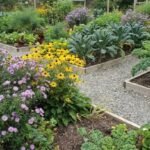
Getting wildlife means planting many types of greenery. Choose plants that grow tall, short, and in the middle. This makes sure you have spaces to hide, eat, and rest for all wildlife. Using plants that live near you is a smart idea, as wildlife is used to them.
Plant flowers that bloom all year for butterflies and bees. Pick plants that make seeds and berries for birds. Use all kinds of leaves and grasses to welcome many creatures.
Also, put taller plants behind the shorter ones. This makes layers that welcome different animals. It offers places to hide and find food, too.
Top Plants for Attracting Birds
Choosing the best plants is crucial to bring many birds to your yard. Native plants are great because they offer food birds know. They also help the environment. Some top plant choices for drawing in birds are:
Native Plants for Birds
Native plants are those found naturally in an area. They have evolved to survive there and help local wildlife, like birds. Examples of native plants that bring in birds include:
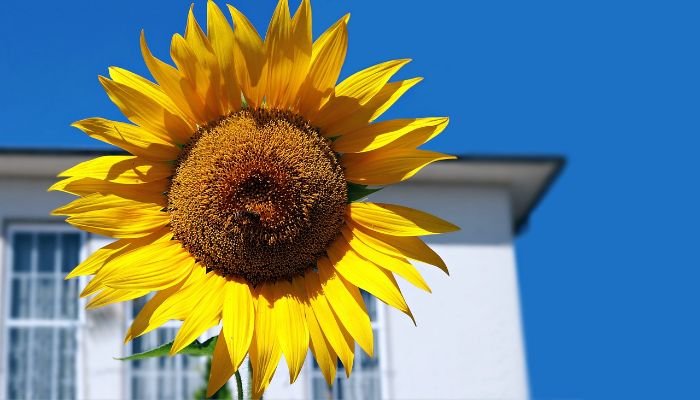
Sunflowers (Helianthus spp.) – These bright flowers are beautiful and feed many bird types.
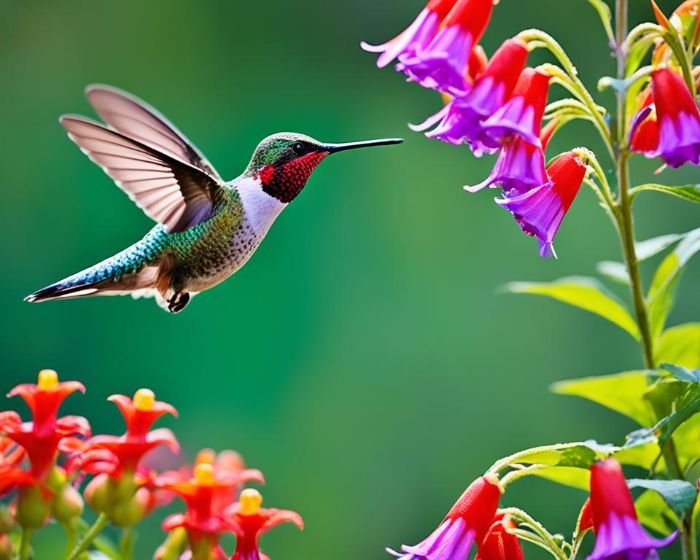
Coneflowers (Echinacea spp.) – These plants have sweet nectar for birds like finches and hummingbirds. Their seeds help feed birds in winter.
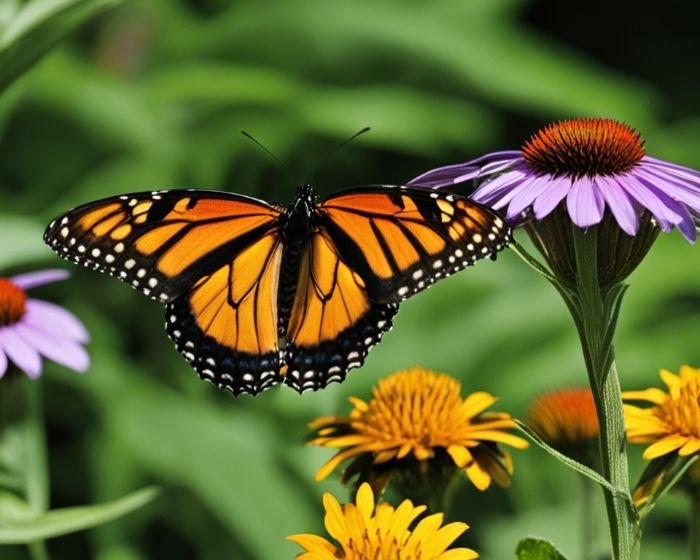
Milkweed (Asclepias spp.) – Milkweed is important for monarch butterflies. Birds, like goldfinches, like to eat its seeds.
Berry-Producing Shrubs
Shrubs that grow berries are excellent for attracting birds. The berries are a key part of many birds’ diets. Some berry bushes that birds love include:
Elderberry (Sambucus spp.) – Elderberry shrubs bear dark, small berries that many birds find delicious.
Serviceberry (Amelanchier spp.) – Serviceberries are sweet and attract birds like thrushes and bluebirds.
Trees That Provide Shelter and Food
Trees are essential for attracting birds. They offer places to hide and food. Two tree types that help birds a lot are:
Oak (Quercus spp.) – Oak trees are key for bird habitats. They provide shelter, nests, and important food like acorns.
Pine (Pinus spp.) – Birds use pine needles and cones for nesting and find seeds there.
Planting these types of plants in your garden can make it a bird haven. You’ll enjoy watching and listening to the many birds that visit.
Best Plants for Attracting Butterflies
Choosing the right plants is key to getting butterflies in your garden. They like certain plants for their young and food. Milkweed is loved by monarchs, while black swallowtails enjoy parsley.
Host Plants for Caterpillars
Butterflies need plants their caterpillars can eat and live on. Milkweed is great for monarchs, and parsley helps black swallowtails. Including these plants makes your garden a friendly place for the butterflies to raise their young.
Nectar-Rich Flowers
For adult butterflies, nectar-rich flowers are a must. With a mix of these flowers, you’ll attract many types of butterflies. Echinacea, asters, and zinnias are good choices. They not only help the butterflies but also make your garden look beautiful.
Creating a Butterfly-Friendly Habitat
Butterflies love sunny spots, so make sure your garden has open areas. You can also add rocks or branches for them to rest on. Place shallow dishes with wet sand out for water and minerals.
By doing these things, your garden will be a welcome place for butterflies. It will offer what they need through every stage of their life cycle. This way, your garden becomes a paradise for these amazing insects.
Plants to Attract Other Beneficial Wildlife
Your garden can attract more than just birds and butterflies. It can be a place for bees, insects, and small mammals too. How, you ask? By planting various flowers and plants.
Pollinator-Friendly Plants
Want to bring in helpful wildlife? Plant flowers that bees and butterflies love. Flowers like bee balm, lavender, and coneflowers offer a great source of nectar and pollen.
Plants That Support Bees and Other Insects
Some plants are perfect for bees and other insects. Yarrow, coneflowers, and milkweed give bees what they need to survive. They’re great for your garden too.
Ground Covers and Grasses for Small Mammals
Rabbits and voles love ground covers and grasses. These plants create a cozy home for them. Try planting clover and native grasses for a welcoming spot in your garden.
By adding the right plants, your garden can buzz with life. It becomes a balanced home for many creatures, making your space more beautiful and lively.
Designing a Wildlife-Friendly Garden
Creating a garden friendly to wildlife needs careful planning. You should design it to meet the needs of different animals. Adding different plants, water, and shelter makes it a welcoming place for many creatures.
Layering Plants for Diverse Habitats
Layering plants is crucial for a wildlife-friendly garden. You use tall, medium, and low plants to form different levels. This way, animals can find places to hide, look for food, and make nests. It also means you use your garden’s space in the best way.
Incorporating Water Sources
Adding water helps bring wildlife to your garden. Birds and small animals will use it for drinking and bathing. You can use birdbaths, ponds, or a simple dish of water. Just make sure the water is clean and fresh.
Providing Shelter and Nesting Sites
Animals need shelter to feel safe and raise their young. You can add nest boxes, birdhouses, or bat boxes for homes. Dense plants and brush piles also offer protection. These additions help wildlife feel secure and welcome.
Planting and Care Tips for Wildlife Gardens
Taking good care of your wildlife garden is key. Doing so helps attract and support many interesting creatures. With these tips, your garden will be a lively spot. It will provide food, shelter, and a safe place for wildlife to thrive.
Soil Preparation and Planting Techniques
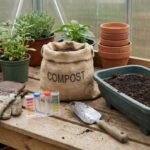
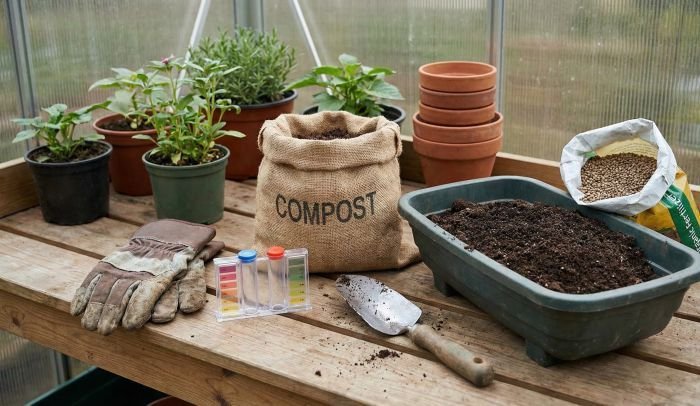
First, get the soil ready before planting to help your plants. Use things like compost or manure to improve the soil. It helps plants grow strong. Good soil drainage also stops too much water. This can keep plants and wildlife safe.
When planting, make sure there’s enough space for plants to grow well. This stops them from fighting for sunlight and water. Adding mulch around plants helps keep the soil right. It holds moisture, stops weeds, and keeps the soil cool.
Organic Gardening Practices
Organic gardening keeps the environment safe for wildlife. Avoid using harmful chemicals that can hurt birds and insects. Choose natural ways to keep pests away. This will make your garden a healthy place for all.
Try planting certain plants together to ward off pests. For example, marigolds can protect vegetable crops from bugs. They also attract bees for pollination.
Maintenance Tips to Support Wildlife
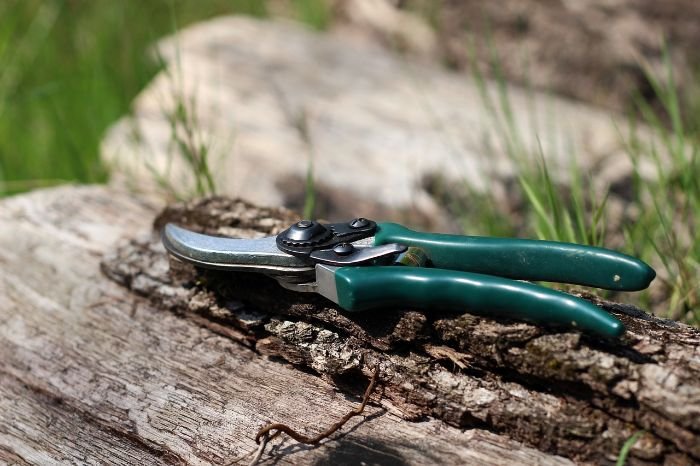
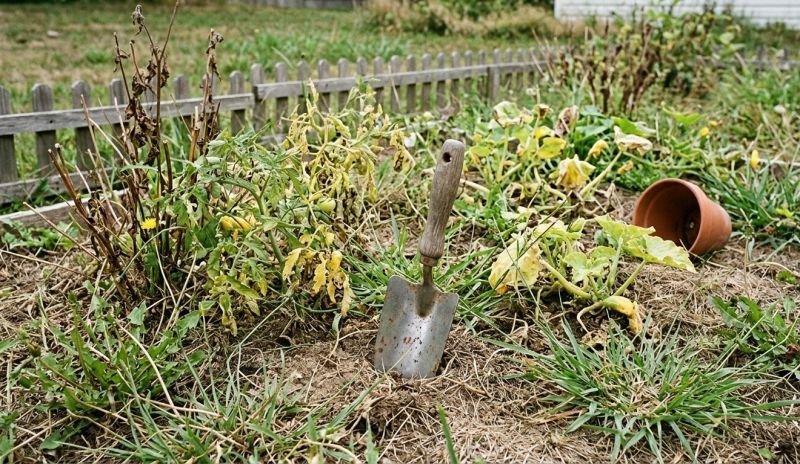
Regular upkeep is crucial for your garden’s health. Prune your plants to keep them in good shape and help them grow more. Weeding makes your garden look nicer. It also stops plants from competing for water and sunlight.
Set up bird feeders and birdbaths to help wildlife, especially when food and water are scarce. Keep these areas clean to prevent sickness in the animals.
Overcoming Common Challenges
Balancing Wildlife Attraction with Garden Health
Attracting wildlife to your garden is great. But, it comes with challenges. You need to find a balance. This ensures your garden and its visitors, like birds and butterflies, stay healthy.
One of these challenges is too many of the same animals. Loving lots of wildlife is cool until it causes harm. With smart planning, you can keep a good mix of animals, plants, and keep your garden happy.
To keep everything in check, having many plant types is crucial. Different plants offer different things to wildlife. Native plants fit well and attract various animals, making your garden a lively place.
Some critters might harm your plants, though. They might dig or eat some crops which can be annoying. You should think of ways to protect your garden while keeping it a sweet spot for wildlife.
Managing Pests Naturally
Dealing with pests is tricky when you want a garden full of nature. But, you can do it in ways that keep your space safe for all. This means choosing methods that are friendly to the environment.
Natural pest control involves cool techniques. For example, planting certain plants together can keep bad bugs away. Also, making homes for ladybugs and birds helps them eat up the pests.
Use all kinds of ways to tackle pests together. This includes using nature-friendly methods. These steps stop pests without needing harsh chemicals. This way, your garden stays lively, with a pocket of peace for all its residents.
Conclusion – Creating a Garden Sanctuary for Wildlife
You can make your garden a lovely home for wildlife with the tips in this article. By planting the right greenery, you invite birds, butterflies, and more to visit.
Watching these lovely guests will make you happy. And by doing this, you’re also protecting important species. You help keep our planet healthy.
It doesn’t matter if your garden is big or small. Giving a part to wildlife is a big plus. You help save different forms of life. Plus, it makes you feel good. Take the step to make a home for wildlife. You’ll love what you see!
FAQ
What are the benefits of attracting wildlife to my garden?
Bringing wildlife to your garden means you get to see birds and butterflies. It helps with pollination and keeps pests under control.
How can I attract wildlife to my garden?
To attract wildlife, plant things they like to eat and use for homes. Mix up your plants to bring in a variety of creatures.
Which plants attract birds?
Birds like sunflowers, coneflowers, and milkweed. Shrubs that make berries and trees such as oak also draw in birds.
What plants are best for attracting butterflies?
Butterflies need plants like milkweed and parsley for their babies. For adults, they like coneflowers and zinnias. Sunny spots and water will make them happy.
How can I attract other beneficial wildlife?
To get helpful bugs and butterflies, plant things like bee balm and lavender. Yarrow and coneflowers are good for bees, too. Grasses and clover give small animals a home.
How do I design a wildlife-friendly garden?
Make a garden that’s good for wildlife by using plants of all sizes. Offer them water and places to hide or nest.
What are some planting and care tips for wildlife gardens?
Start with good soil and plant care. Avoid chemicals and keep things clean. Trust in nature to keep your garden healthy for wildlife.
How can I overcome common challenges in attracting wildlife?
Keep your garden in balance to solve problems. Lessen harm to the land and help wildlife with natural care.
How can I create a garden sanctuary for wildlife?
Choose the right plants and care for them well. Your garden can become a place where wildlife thrives. This helps save important species and improve the ecosystem.
Kristian Angelov is the founder and chief contributor of GardenInsider.org, where he blends his expertise in gardening with insights into economics, finance, and technology. Holding an MBA in Agricultural Economics, Kristian leverages his extensive knowledge to offer practical and sustainable gardening solutions. His passion for gardening as both a profession and hobby enriches his contributions, making him a trusted voice in the gardening community.