


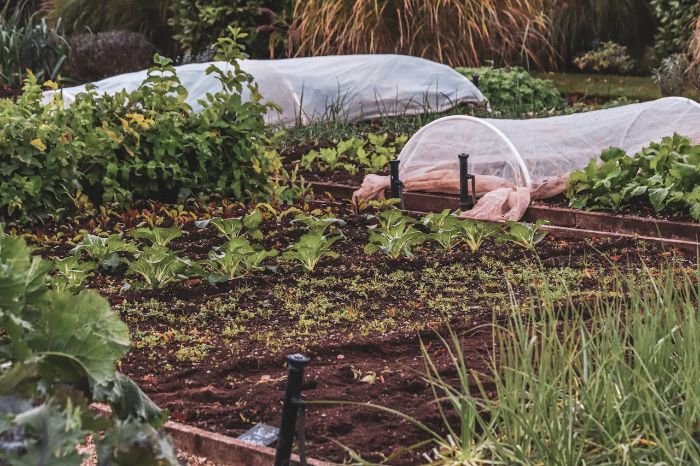
Ever wondered why some gardens do well while others struggle? The answer might be in companion planting. This old gardening trick pairs plants to help them grow better. Let’s explore how it works and how you can use it to make your garden better.
Companion planting is all about how plants help each other. It’s about creating a garden where plants work together. This can make your garden healthier and more productive.
Key Takeaways
- Companion planting enhances plant health through beneficial interrelationships.
- Strategic planting prevents pest infestations and promotes productivity.
- Compatible plant pairings can significantly improve garden yield.
- Incorporating herbs and flowers can repel harmful pests naturally.
- Record keeping of plant combinations helps refine gardening strategies.
Table of Contents
What is Companion Planting?
Companion planting is a way to grow plants together to help them. It means some plants can make others grow better, keep pests away, and improve soil. This approach encourages natural pest control, letting gardens flourish with fewer chemicals or sprays.
Defining Companion Planting in Gardening
Companion planting is about growing different plants together for a better garden. Some plants help each other grow and fight pests. For example, basil with tomatoes can keep pests away, similar to how marigolds and tomatoes complement each other against common garden pests.
Radishes near pumpkins can also keep bugs off. These examples show how companion planting works today.
Historical Background and Traditional Use
Companion planting has been around for a long time. In the Americas, Native peoples grew squash, maize, and beans together. This helped them grow more food and use resources better.
Even ancient Greeks and Romans knew about plants helping or hurting each other. For over a thousand years, Chinese gardeners used mosquito ferns with rice. These old ways show how plants can help each other grow well.
Benefits of Companion Planting in Food Production
Companion planting is great for small gardens. It helps plants grow better and fight pests. This makes gardens healthier and more productive.
Enhancing Growth and Yield
Companion planting boosts plant growth and yield. For example, beans and corn grow well together. Tomatoes and basil also help each other.
This teamwork makes plants healthier and soil better. Clover adds nitrogen, helping crops grow strong.
Natural Pest and Disease Management
Keeping pests away is key to a good garden. Companion planting uses plants to fight pests. Marigolds and dill keep insects away.
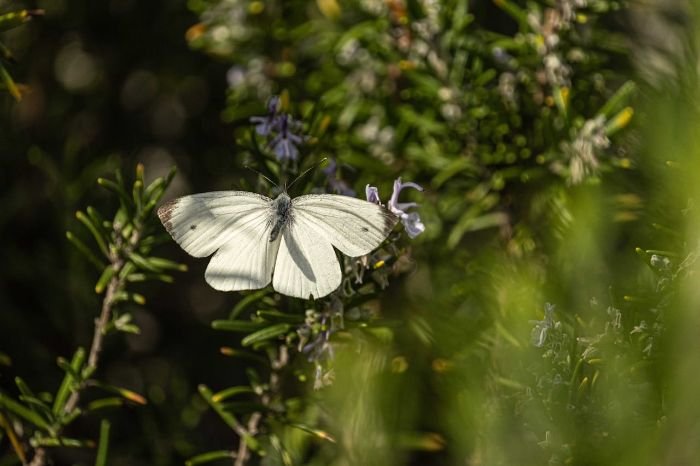
Rosemary and lavender hide the smells of other plants. This makes it hard for pests to find their way. Gardens become healthier and use fewer chemicals.
Types of Companion Planting Relationships
Learning about different types of companion plants can make gardening better. These relationships show how plants can help each other. It’s important to know about mutual benefits and how some plants keep pests away.
Mutual Benefit Plants
Many plants grow better when they’re together. This is because they help each other. For example:
- Corn helps beans grow by supporting them. Beans also make the soil better for corn.
- Carrots and onions can live together. Onion smell keeps pests away from carrots.
- Basil near tomatoes makes the tomatoes taste better. It also keeps pests away.
This teamwork makes plants grow better and healthier. It shows that choosing the right plants together can make your garden better.
Pest Repelling Partners
Some plants keep pests away, making your garden healthier. For example:
- Mint keeps aphids and ants away.
- Garlic keeps mites and beetles off plants.
- Nasturtiums draw pests away from plants like cabbage and broccoli.
Flowers like marigolds and zinnias attract beneficial insects that help control pests, enhancing your companion planting efforts. Adding these plants makes your garden stronger against pests.
Basic Principles of Companion Planting
Learning about companion planting is key for gardeners. It helps plants grow better, increases yields, and keeps the garden healthy. Knowing which plants go well together is crucial. Also, how far apart to plant them is important for a thriving garden.
Choosing Compatible Plant Combinations
Not all plants do well together. Successful planting pairs are based on which plants help each other. For example, the Three Sisters method uses corn, beans, and squash together.
Basil makes tomatoes grow better and taste sweeter when planted together. But, onions and beans shouldn’t be near each other because onions slow down bean growth. Adding flowers among vegetables attracts good bugs, helping control pests.
Understanding Plant Spacing and Timing
Plant spacing is key in companion planting. Plants that need the same water and light should be together. This keeps the soil moist, which is good for growth.
Using vertical gardens or raised beds saves space, especially in small areas. Some plants, like fennel, can harm nearby plants. So, they need to be placed carefully.
Planting different types of crops together avoids problems like pests. This mix of crops makes the garden more diverse and productive.
Common Companion Planting Examples for Food Gardens
Knowing about companion planting is key for a good vegetable garden. Choosing the right plants together helps them grow better. It also keeps pests away, making your garden healthy and lively.
Companion Plants for Tomatoes, Peppers, and Beans
Tall plants like tomatoes do well with friends. Basil helps keep pests away, making tomatoes healthier. Beans and corn work together too. Beans fix nitrogen, and corn supports them.
- Tomatoes and basil – A classic duo that improves flavor while resisting pests.
- Peppers and marigolds – These vibrant flowers deter unwanted insects from invading.
- The ‘Three Sisters’ combination of corn, beans, and squash supports each other’s growth without competition.
Herbs and Vegetables That Support Each Other
An herb garden introduces beneficial aromatics that enrich soil quality and repel unwelcome insects They also help vegetables grow better.
- Basil with lettuce – Enhances flavor while repelling insects.
- Cilantro and dill – Known for attracting predatory wasps that control harmful pests.
- Chives with carrots – Improves growth and wards off pests.
- The inclusion of lavender in vegetable gardening can repel common pests while attracting beneficial pollinators.
Potential Challenges and Misconceptions
Companion planting has many benefits, but it also has challenges and misconceptions. These can make gardening harder. Knowing about these issues helps gardeners make better choices.
Recognizing Common Mistakes in Pairing Plants
Many gardeners make mistakes in companion planting. These mistakes come from bad gardening advice. Important errors include:
- Not considering the local climate and soil when choosing plants.
- Using old or unproven plant pairings, which can hurt plant growth.
- Planting similar plants too close, making them more vulnerable to pests.
These problems come from not doing enough research. Using scientific studies can help avoid these mistakes.
Limitations of Companion Planting
Companion planting is not perfect. Some claims are not well-supported by science. Important points include:
- There’s no clear definition of companion planting, leading to different views.
- Most evidence for “bad companions” comes from lab tests, not real gardens.
- Not all benefits of companion planting, like pest control or better taste, are proven.
Looking into companion planting can be tricky because of myths and stories. By understanding these issues, gardeners can improve their gardening skills.
Getting Started with Companion Planting
Starting with companion planting means planning carefully. You need to know what each plant needs. A good plan can make your plants healthier and your garden better.
First, think about your garden’s conditions. Look at how much sun it gets, the soil, and how wet it is. Use charts to help pick the right plants to grow together.
Planning and Designing a Companion Garden
When planning your garden, think about good pairs like corn with beans and squash. Tomatoes and basil are also great together. They help keep pests away and make the soil better.
Remember, each plant grows differently. Make sure they have enough space. Try the Three Sisters method for a natural way to grow your garden.
Practical Tips for Beginner Companion Gardeners
If you’re new to gardening, start simple. Try marigolds with tomatoes or strawberries with spinach. These plants look good and help keep pests away.
Also, add flowers like bee balm and zinnias. They attract helpful insects and make your garden more beautiful. Follow these tips to make your garden thrive.
FAQ
What is the basic principle behind companion planting?
Companion planting is about placing different plants together. This creates good relationships that help plants grow better. It also makes the soil healthier and keeps pests away naturally.
How does companion planting enhance natural pest management?
It makes a balanced garden ecosystem. Some plants repel pests, while others attract good bugs. For example, marigolds keep nematodes away from veggies.
Can you give examples of effective companion plant combinations?
Tomatoes and basil work well together, keeping pests away. Beans and corn are good too, as beans fix nitrogen and corn supports them. Peppers and marigolds, and carrots and onions also improve garden health.
What are some common mistakes gardeners make with companion planting?
Gardeners often forget about each plant’s needs. They also pair plants that don’t get along, like onions and beans. Using old advice without checking the local climate can also fail.
How can beginners effectively start companion planting?
Start by looking at your garden space and picking compatible plants. Use charts and resources to help. Remember to consider each plant’s needs for a healthy garden. Online gardening groups can offer great advice.
What historical practices influenced modern companion planting?
Old practices like those of native peoples are key. They used plants to grow more food and control pests naturally. These ideas still guide us today.
What are the limitations of companion planting?
It’s not perfect and not every plant gets along. Climate, soil, and pests can also affect it. Always adjust your methods for your garden’s needs.