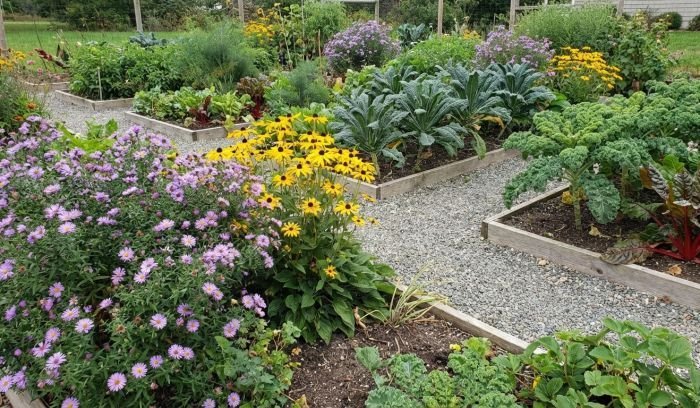





Summer is here, and it might seem like your garden will dry up. But, I have good news. You can keep it bright and full of life, even in the heat.
It’s a myth that gardens can’t look good in summer. It’s quite the opposite. You can make your garden a green paradise. It will show off flowers, veggies, and green leaves, with the right care.
This article will show you how to plant in summer. We will share tips to keep your garden alive in hot weather. From choosing tough plants to watering well, you’ll learn how to enjoy a colorful garden all summer.
Wondering how to keep your garden beautiful in summer? Let’s figure it out together!
Key Takeaways:
- Don’t believe that your garden has to suffer in summer.
- You can turn it into a refreshing green spot with the right tips.
- Choosing the right plants and watering them well is key.
Table of Contents
Introduction to Summer Planting
As it gets warmer and the days grow longer, many gardeners look forward to making their gardens colorful. But, gardening in summer comes with challenges. It’s important to pick plants that do well in the heat. This helps your garden thrive.
Challenges of Gardening in Summer Heat
Gardening in summer is tough because of the heat and too much sun. Plants can droop and even die if it’s too hot. Sun can also burn their leaves and flowers. This makes keeping your garden beautiful very hard.
“The scorching heat of summer can put a tremendous amount of stress on plants, making it crucial to implement strategies to protect them from the sun’s harmful rays.”
Summer also brings dry weather. This means the soil can quickly lose its moisture, which plants need to grow well. So, watering your garden the right way is very important. It’s a key part of taking care of your plants in summer.
Importance of Choosing Heat-Resistant Plants
Choosing the right plants is essential for a successful summer garden. You need ones that can handle the heat. These plants are great at staying healthy even when it’s very hot outside.
Heat-resistant plants have special features that help them beat the heat. For example, some have deep roots to find water under the soil. Others have thick leaves that stop water from escaping. And, some plants protect themselves from the sun with special skins or lots of leaves.
Picking heat-loving plants means your garden will look its best all summer long. You’ll have a beautiful and lively space even in the hottest weather.
Selecting Heat-Resistant Plants
In hot areas, choosing the right plants is key. They must withstand high temperatures. By picking plants that love the heat, your garden stays bright and full even in hot summers. We will look at the best annuals, perennials, vegetables, herbs, and shrubs that can handle the heat well.
Top Annuals and Perennials for Hot Climates
Annuals and perennials add great color and beauty. For hot climates, go for plants that do well in heat and lots of sun. Here are some top choices that thrive in the heat:
- Marigolds – Beautiful and heat-loving, they also bring good bugs to your garden.
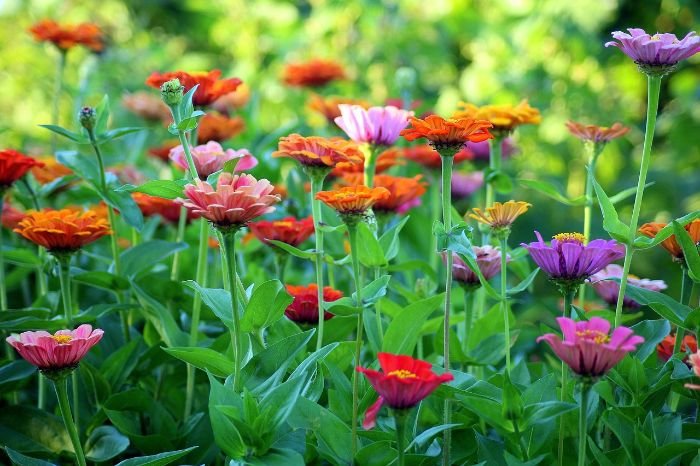
- Zinnias – Their bright flowers stay cheerful even in intense heat.
- Portulaca – A drought-tolerant plant with colorful blooms, also known as moss rose.
- Lantanas – These flowers do well in heat, drought, and poor soil, ideal for hot places.
- Salvias – ‘Hot Lips’ and ‘Mystic Spires’ are tough and handle hot, dry weather.
Heat-Tolerant Vegetables and Herbs
For vegetables and herbs in hot places, choose ones that keep their taste in the heat. Here are some strong choices for your summer garden:
- Tomatoes – Varieties like ‘Sun Gold’ or ‘Solar Fire’ are bred for hot places.
- Peppers – Jalapenos, cayennes, and habaneros love the heat and grow well.
- Basil – A sun-loving herb that can take the heat, adds great flavor to dishes.
- Mint – Spearmint and peppermint like hot weather and are perfect for cool drinks.
Drought-Resistant Shrubs and Trees
For a garden that’s easy to care for and conserves water, choose shrubs and trees that don’t need much. They do well in dry, hot areas. Here are some to consider:
- Agave – Stores water in its leaves, making it great for drought conditions.
- Lavender – Loves the sun, adds a nice scent, and can handle dry weather well.
- Oleander – A beautiful, flowering shrub that does well in heat and drought.
- Desert Willow – A tree that thrives in dry places, features lovely blooms, and needs little water.
Choosing plants that love the heat means your garden will flourish all summer. Remember to meet each plant’s specific needs with the right care and water.
Preparing Your Garden for Summer Planting
Before planting in summer, preparing your garden is key. This means getting the soil ready and creating a good space for plants to thrive. We will talk about getting the soil ready and why adding mulch is beneficial. We’ll also look at how adding shade and windbreaks helps your garden.
Soil Preparation and Mulching Techniques
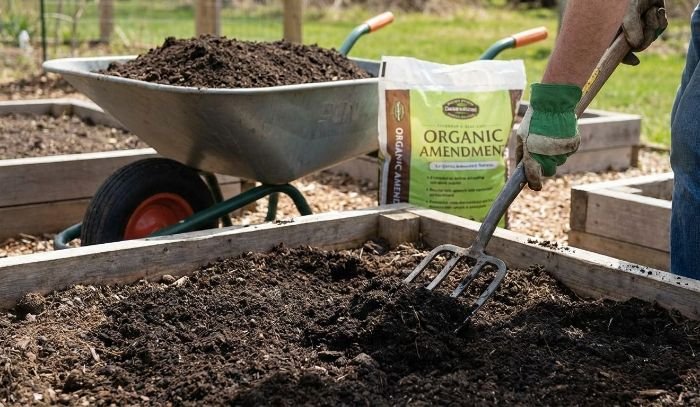
Getting the soil right is the first step to a great summer garden. Start by removing any weeds or rubbish and loosening the soil. Add organic matter, like compost, to make the soil better for plants. Doing this lets plants get more nutrients and keep more water, which is important during the hot season.
Mulching is also important after you’ve readied the soil. It involves putting a layer of something like straw or wood chips around plants. Mulch keeps the soil temperature steady and stops weeds. It also slows down water from evaporating, keeping your plants hydrated.
Creating Shade and Windbreaks
In hot places, plants need some shade to stay healthy in summer. You can use shade cloths above plants to block out some of the sun. Or, you can grow taller plants to naturally create shade. This will help the plants that don’t do well in direct sunlight.
Windbreaks are also important to keep the garden from drying out. Fences, hedges, or special windbreak barriers can protect your plants from harsh winds. This stops the soil from drying up too quickly, helping your garden’s plants stay moist.

Planting Techniques for Hot Weather
When it’s hot out, how you plant really matters for your garden. Whether you move plants or start from seed, the right steps are key. This helps your green friends do well when it’s really hot.
Best Practices for Transplanting in Heat
Moving tiny plants when it’s hot can stress them. But, you can make it easier for them with these easy steps:
- Do it when it’s cooler, like in the early morning or late evening. This means less chance of getting too much sun. It lets them get used to their new spot before it’s scorching.
- Get the holes ready and make sure they’re wet. Damp soil is just right for new roots. It helps them not get too shocked by the move.
- Give the plants a drink before moving them to keep them hydrated. This makes the move easier on them.
- After planting, shade them for a bit. A cover or some cloth keeps the sun off. Slowly, they’ll get used to brighter light over a few days.
Direct Sowing Tips for Summer Planting
Sowing seeds in high heat needs good timing and steps to be successful. Here’s what you should do:
- Pick plants that love the heat and match your area. They stand a better chance to grow well in hot weather.
- Get the spot ready by getting rid of weeds and making the soil soft. Adding stuff to keep moisture helps too.
- Plant as deep and apart as it says on the seed packet. Lightly cover them with soil. Don’t go too deep, as they need the sun to grow.
- Give them a good water when you plant them. Keep the soil damp but not flooded until they sprout. A gentle watering system helps keep the surface nice and even.
- Help them avoid the harshest sun when they first come up. Shade from cloth or other plants can protect them until they’re tougher.
By using these methods, hot weather gardening can be easier. Either moving or starting from seeds, the right way helps your plants beat the summer heat. This way, your garden can still thrive even when it’s scorching outside.
Watering Strategies for Summer Gardens
In hot summer months, watering is key for a healthy garden. The right watering methods can make your plants do well even in the sun. These tips will help your garden look amazing and full of life.
Efficient Watering Techniques
Deep, not often, watering works best. It makes plants have deep roots that are good in drought. Water your plants well once or twice a week based on the weather and soil.
It’s best to water early or late when it’s not too hot out. This stops water from just evaporating in the sun. Don’t water when it’s hottest to make sure the plants get all the water.
Using Drip Irrigation and Soaker Hoses
Drip irrigation and soaker hoses are great for saving water in summer. They deliver water right to the plant roots. This keeps more water in the ground, where it should be.
With drip irrigation, water drips slowly onto the soil from tubes near plants. This helps stop diseases and makes plants grow stronger. Soaker hoses water the whole area around plants. Placed on the ground’s surface, these hoses help keep moisture levels up without waste.
Timing Watering for Optimal Absorption
Watering at the right time is important in summer. The best times are early or late when the weather is cooler. Plants can use this water more easily.
Give your plants enough water to make their roots go deep. But, too much water is bad. It can make the soil waterlogged and hurt the plants. Check the soil first to see if it really needs water. This will help you know when to water and when not to.
Protecting Plants from Extreme Heat
In summer’s scorch, it’s key to shield your plants from blazing heat. By using smart strategies, you can keep your garden’s plants healthy and colorful, even in extreme temperatures.
Using Shade Cloths and Row Covers
Shade is crucial for plant protection in high heat. Adding a shade cloth or a row cover above your plants can lower the heat. It blocks harmful sun rays and reduces the risk of sunburn.
To set up a shade cloth, first, measure your garden area. Then, attach the cloth securely to supports like stakes or fences. It should be taut but not too tight, with edges overlapping. This avoids gaps where sunlight can get through. Keep an eye on the temperature under the cloth and move it if needed.
For more delicate plants, try row covers. These covers are light and let in light and air while shielding against direct sun. They create a better environment for plant growth, holding in moisture and stabilizing temperatures.
Fasten row covers well to keep them off the plants’ leaves. This avoids damage and makes sure the covers do their job. Check these covers often for damage or pests, and fix any issues promptly.
Mulching to Retain Moisture and Cool Soil
Mulching helps the soil stay moist and cool while preventing weeds. A layer of mulch keeps the soil from getting too hot and stops water from evaporating.
Put down a thick layer of something like straw, wood chips, or compost around your plants. This keeps the ground moist and cool, benefiting the plants. Mulching also fights off weeds, which are harmful to your plants.
Spread mulch evenly but leave some space from the plant stems. This prevents disease. Keep an eye on moisture and add more mulch when needed.
Signs of Heat Stress and How to Mitigate Them
Plants with heat stress show signs like wilting or yellow leaves, leaf scorch, and slow growth. If you see these signs, act fast to help your plants cool down.
Gently water the troubled plants to ease their stress and boost their water levels. Be careful not to overwater, though, as it can harm the plants.
You might also need to increase shade, by using more covers or moving plants to cooler spots. Observe your plant species’ needs and adjust your care as needed.
Using shade, covers, mulch, and promptly dealing with heat stress signs keeps your plants safe in extreme weather. This way, they can grow and flourish all summer long.
Fertilizing and Soil Health in Summer
Proper fertilizing and keeping soil healthy are key for summer gardens. The right nutrients and soil conditions help plants grow strong in summer’s heat.
Choosing the Right Fertilizers for Summer Growth
Choose fertilizers made for the heat and the plant’s needs. Look for a good mix of nitrogen, phosphorus, and potassium (NPK) like 10-10-10 or 20-20-20. This mix supports the plants’ overall health.
Use organic fertilizers to keep soil healthy for a long time. They slowly feed your plants and help the soil’s structure. Good options are compost, aged manure, or fish emulsion.
Maintaining Soil Health and Nutrient Levels
Keeping the soil healthy is as important as fertilizing for a colorful summer garden. Check soil moisture to prevent problems. Dry soil stops plants from getting nutrients. Using a water-soluble fertilizer helps plants right away.
Test the soil’s pH and nutrients all summer. This helps you fix any issues. If the soil is too acidic or alkaline, tweak it with lime or sulfur. You can test your soil with kits from garden centers or professional services.
Add compost or manure to the soil often. This boosts how the soil is arranged and its healthy life. Mulch your beds with things like straw or wood chips. This keeps moisture in and makes a good temperature for your plants.
Pest and Disease Management in Hot Weather
With the summer heat comes challenges for gardeners. You must deal with high temperatures plus more pests and diseases. It’s important to watch closely and protect your plants.
Common Summer Pests and How to Control Them
Hot weather lets pests like aphids, spider mites, and whiteflies thrive. They feed on plants, leading to stunted growth and yellow leaves. You can use organic insecticidal soap or neem oil. Also, adding ladybugs and lacewings to your garden can control these pests naturally.
Summer gardens may face Japanese beetles. They eat plant leaves, leaving them looking like skeletons. You can pick off the beetles by hand or use special traps to catch them.
Preventing and Treating Heat-Related Diseases
Heat and humidity can lead to plant diseases like powdery mildew. Good air circulation and avoiding plant overcrowding help prevent these diseases. Using fungicides can also stop diseases from spreading.
If your plants get sick, act fast. Get rid of the sick leaves and branches. You might need to use fungicides or ask a gardening expert for advice.
To keep your garden healthy in hot weather, be proactive. Watch your plants closely and take care of them. With regular care, your garden can stay beautiful throughout the summer.
Maintenance Tips for a Vibrant Summer Garden
To keep your summer garden looking great, regular care is key. Follow these tips to help your plants stay bright and healthy all summer.
Regular Pruning and Deadheading
Pruning and deadheading are very important for a happy summer garden. Pruning gets rid of the dead or hurt parts of the plant, helping it grow again and stop sickness. Deadheading means taking off old flowers. This keeps new flowers coming and stops seeds from forming. These jobs make your garden look lovely and help it grow strong.
Monitoring Plant Health and Growth
Always check how your plants are doing. Look for bugs, sickness, and any signs they need more food or care. Catching problems early helps stop them from spreading. Also, keep an eye on how your plants are growing. This way, you can make sure they stay healthy and fix any care mistakes.
To have a beautiful garden, prune and check your plants often. Also, make sure each plant gets the right amount of water and food. Protect them from too much sun or harsh weather.
Conclusion – Enjoying a Lush Summer Garden
Summers can challenge gardeners, but knowing a few things helps. With the right plants and care, your garden can be beautiful. By choosing heat-loving plants and watering well, your yard can be a green paradise.
Use shade cloths and mulch to keep your plants cool. Also, do things like cutting off dead flowers to keep your garden looking good. This helps stop bugs and diseases, too.
Sit back and enjoy your hard work in the cool of your garden. It will be full of pretty flowers and tasty food. Plus, it’s a great place to hang out all summer long. Just give it some care and attention.
FAQ
Why is summer planting challenging?
It’s hard to garden in the summer because it’s very hot. The heat makes the water evaporate quickly. This means plants might not get enough water, which can make them sick or die.
Why is it important to choose heat-resistant plants?
Choosing plants that like the heat is key for your garden to do well. These plants are used to hot and dry weather. They will keep your garden looking good all summer.
What are the top annuals and perennials for hot climates?
Good flowers for hot places are marigolds, zinnias, and lavender. Daylilies are nice too. Cacti can also add beauty to your garden.
What are heat-tolerant vegetables and herbs?
For vegetables and herbs, try tomatoes, peppers, and more. These are tough and love the heat. You can also grow basil and rosemary easily.
Which shrubs and trees are drought-resistant?
Shrubs and trees that don’t need a lot of water include cacti and succulents. You might also like oleander, juniper, and mesquite. They don’t mind the heat.
How should I prepare the soil for summer planting?
Get the soil ready by making it loose and adding organic stuff. Good draining is important. Also, put mulch down to keep the ground moist.
What are some techniques for creating shade and windbreaks in the garden?
Use things like pergolas or umbrellas for shade. Tall hedges or trees can block the wind. This helps keep your plants from getting too hot or dry.
What are efficient watering techniques for summer gardens?
Water deeply but not too often. This helps roots grow deep. Use drip or soaker hoses to not waste water. And don’t water when it’s hot out.
How can I maintain soil health and nutrient levels in summer?
Keep the soil rich by adding more organic stuff. Fertilize as needed but not too much. Don’t overwater. This can wash away important nutrients.
How can I prevent and treat heat-related diseases in plants?
For plant sickness from heat, air circulation is key. Don’t overwater. Keep your plants healthy. If they get sick, use the right medicine as plant doctors say.
What are some maintenance tips for a vibrant summer garden?
Cut any dead parts off your plants. Keep an eye on their health. Deal with bugs or sickness fast. Doing these things will keep your garden beautiful all summer.