


Adding perennials to your garden keeps it colorful all year. These plants return each year, so you don’t have to replant often. By picking the best ones and taking good care of them, your garden will look vibrant from spring to fall.
This article looks at why perennial plants are great, how to choose the best ones, and tips for their care. Let’s get your garden ready for these beautiful flowers.
Key Takeaways:
- Perennials offer lasting beauty and reduce the need for replanting.
- Select the right varieties and follow proper care techniques for a garden bursting with color.
- Benefits of perennials include continuous bloom and attracting pollinators.
- Consider climate, bloom time, and continuous color when choosing perennials.
- Prepare your garden by assessing the soil, ideal planting locations, and bed preparation.
Table of Contents
About Perennials
Perennial plants add a lot of value to a garden. They keep your garden looking good and help the environment too. These flowers bring color and beauty that last all year.
The Benefits of Perennial Plants
Perennials bloom again and again, unlike annuals that need replanting. This saves you time and money. They keep your garden filled with color, offering a stunning look.
Perennials are also great for bees and butterflies. These pollinators find food in perennial flowers. This helps them survive and supports a healthy ecosystem.
Perennials are easy to care for, needing less water and food than annuals. They have deep roots that find water even in droughts. This is good for saving water and for new and experienced gardeners alike.
Why Choose Perennials for Your Garden
Adding perennials to your garden boosts its beauty and eco-friendliness. They keep your garden colorful all year, which makes it inviting to pollinators. Their low upkeep means less water and fertilizer use, making your garden sustainable. With perennials, your garden becomes a vibrant, happy space for you and nature.
Selecting the Right Perennials
Choosing the right perennials for your garden is crucial for a beautiful yard. This guide will help you pick perennials that do well in your area. It covers factors like your climate, bloom time, and how to keep your garden colorful all year.
Understanding Your Climate and Hardiness Zone
Know your climate before choosing perennials. Different areas have different climates. The USDA Hardiness Zone Map tells you which plants will grow best in your location.
Find your zone on the USDA map to choose the right plants. This ensures your perennials can survive and flourish in your garden.
Choosing Perennials Based on Bloom Time
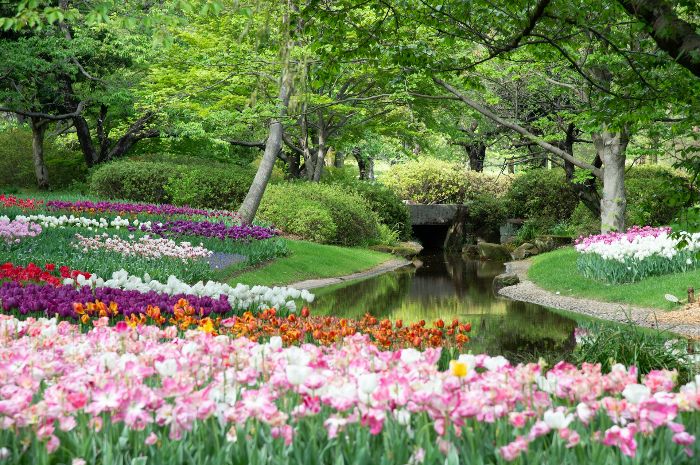
Perennials bloom at different times. Pick them wisely to have flowers all season long. Mix early, mid, and late bloomers for a colorful garden from start to end.
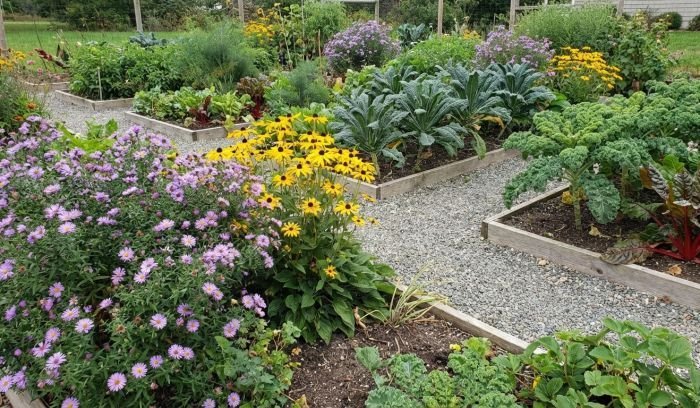
Start with early spring flowers like crocuses and daffodils. Then, add in late spring beauties such as peonies and irises. For mid-summer, consider daylilies and coneflowers. And don’t forget about fall bloomers like asters and chrysanthemums.
Selecting Varieties for Continuous Color
Choose perennials that bloom a lot for a colorful garden. Look for ones that flower for a long time, like coreopsis and salvia. This will keep your garden bright for many weeks.
Also, plant annuals or bulbs with your perennials. They fill the gaps when perennials aren’t blooming. With the right mix, your garden can stay lively and lovely all year long.
Preparing Your Garden for Perennials
Before you plant perennials, make sure your garden is ready. You need to set the stage for these plants to grow well. I’ll show you how to do that.
Soil Preparation and Amendment
Your soil needs to be right for perennials. First, check it for pH and nutrients. Most perennials like a pH of 6.0 to 7.0. You can add lime to raise the pH or sulfur to lower it.
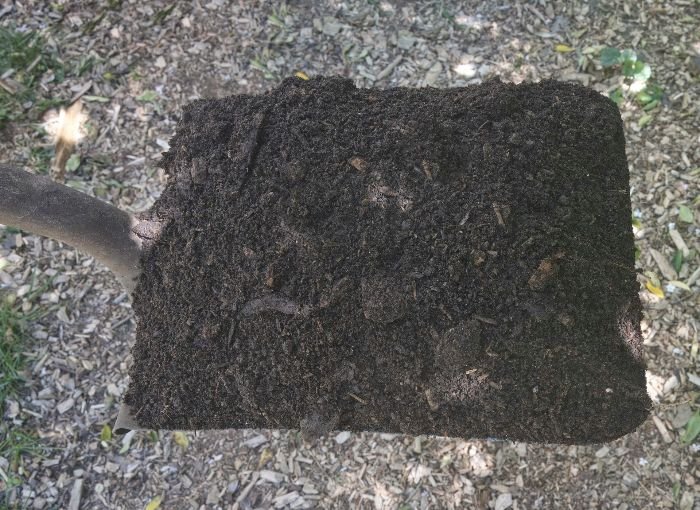
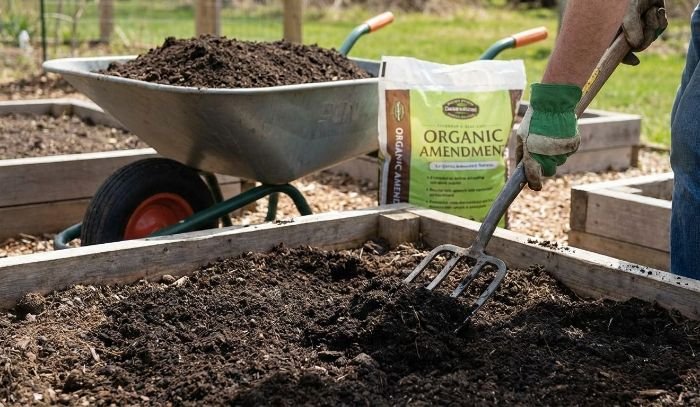
You’ll also want to add organic matter like compost. It helps with fertility and drainage. Each perennial likes different soil types. Do some research to match your soil prep with their needs.
Ideal Planting Locations
Where you plant your perennials matters a lot. Think about how much sun and wind they’ll get. Also, consider who their garden neighbors will be.
Many perennials need six hours of sunlight daily. Watch your garden to find the sunniest spots. Then, plant sun-loving perennials in those areas.
Don’t forget about the wind. It can harm your plants. Some perennials need a windbreak or staking.
Think about who will live near your perennials. Some need a lot of space. Others enjoy each other’s company. Knowing this will help you make a beautiful garden.
Preparing Beds and Borders
Clean the area where you’ll plant your perennials. Get rid of weeds and loosen the soil with a fork. This makes it easier for the roots to grow.
Also, add compost or manure. This makes the soil better for your plants. Mix it into the top of the soil.
It’s also a good idea to make boundaries for your beds. This makes your garden look nice and keeps out weeds. Use a spade to make clear edges.
By following these steps, your garden will be perfect for perennials. You’ll have a beautiful and healthy garden. Enjoy!
Planting Perennials
Planting perennials the right way is key for their growth. By using the best methods, your garden’s beauty can last.
Best Practices for Planting Perennials
Preparing the hole is crucial. It should be wide and deep enough for the plant’s roots. Clear the area of weeds and loosen the soil for better drainage.
Be careful taking the plant out of its container. Don’t harm the roots. If the roots are tight, gently separate them. This helps them grow well.
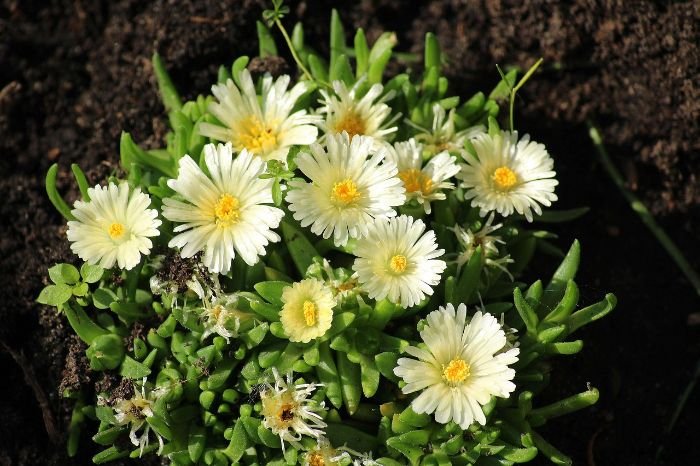
Put the plant in the hole’s center. Fill the hole with soil. Make sure the plant sits at the same level as in its container. Pat the soil gently around the plant to remove air pockets.
Spacing and Depth Considerations
Space is important for each plant to grow. Check the label for how far apart to plant them. Enough space stops diseases and helps the plants grow big and strong.
Think about how big the plants will get. This will show you where to plant them without crowding. You want them to have space to grow freely.
Know the right depth to plant each type of perennial. If they’re too deep or too shallow, they might not grow well. Use the plant’s label or look online for the best planting depth.
Initial Watering and Mulching Tips
Water your plants well when you first plant them. This helps the soil settle and gets rid of air pockets around the roots.
Check the soil’s moisture often and water when needed. It should be moist but not too wet. Good watering helps the roots grow strong.
Don’t forget to mulch your plants. Use wood chips or bark. Mulch keeps the soil moist, stops weeds, and keeps the temperature right for the plants.
Spread the mulch, but not too close to the plant’s stem. Two to three inches of mulch is good. Just don’t let it touch the plant’s base.
With these tips, you can plant your perennials for success. Think about space and depth, water them well, and add mulch. Your garden will be beautiful and healthy.
Caring for Your Perennials
Taking good care is key to your perennials’ health and life. Know what they need and do a few things right to make them bloom every year. This way, your garden stays beautiful all year long.
Watering and Fertilization Needs
Perennials need water and nutrients to live well. They need regular watering, especially when it’s dry or hot. But, too much water can harm them. So, water wisely. Also, feeding them regularly helps them grow strong and show off pretty flowers.
Pruning and Deadheading for Extended Bloom
Pruning and cutting off old flowers help perennials bloom longer. Pruning keeps them in good shape and not too big. While cutting off old flowers makes them produce new ones instead of seeds. This makes your garden look nicer and stay full of life longer.
Managing Pests and Diseases
Healthier perennials are less likely to get sick or have bugs. Check your plants often for any damage or bugs. Look out for common pests like aphids, slugs, or snails. Quickly handle bugs and diseases if you see them. Early care stops problems from getting worse.
Doing these things for your perennials keeps your garden lovely. Give them enough water and food, and care for them well. This helps them grow beautifully each year. Your garden will be a wonderful place with these plants around.
Designing with Perennials for Continuous Bloom
Using perennials in your garden can make it look amazing all year. These plants add color and beauty that lasts a long time. You’ll see a wave of different colors as the seasons change.
Creating Layered Plantings for Visual Interest
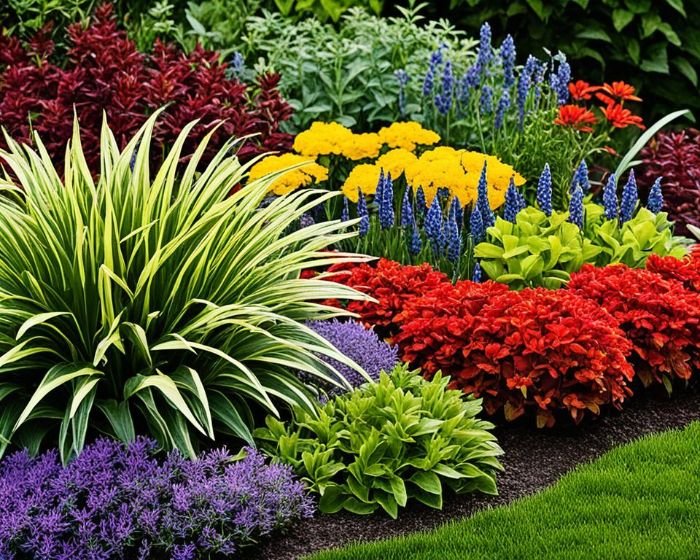
Layering perennials of various heights and textures makes your garden more interesting. Put the tall ones in the back and the short ones in the front. This gives your garden a fuller look. Also, mix in plants that bloom at different times to keep it lively.
Using Perennials as Focal Points and Accents
Perennials can be more than just color. Use them to create spots that catch the eye. With their different colors and shapes, they bring your garden to life. Use them to highlight special areas or paths. Plant others to blend everything together. This makes your garden feel and look balanced.
Companion Planting Strategies
Pair plants together that help each other grow strong. This is key in perennial gardens. Some flowers attract helpful pollinators. Others keep pests away from your farm, so you don’t need as many chemicals. Look up which plants work well together. This can make your garden even better.
Low-Maintenance Perennial Choices
Creating a beautiful garden doesn’t have to be hard work. Low-maintenance perennials need little care. They’re great for busy people or if you don’t like spending too much time in the garden. Let’s look at some easy-care perennials:
Top Perennials for Easy Care
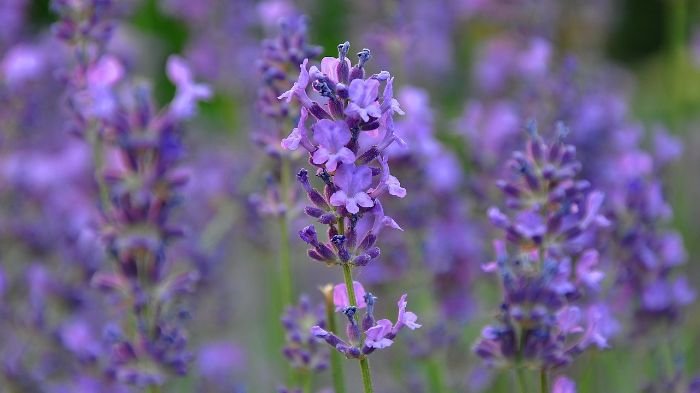
1. Lavender – Lavender smells great and attracts bees. It loves full sun and well-drained soil, needing very little care.
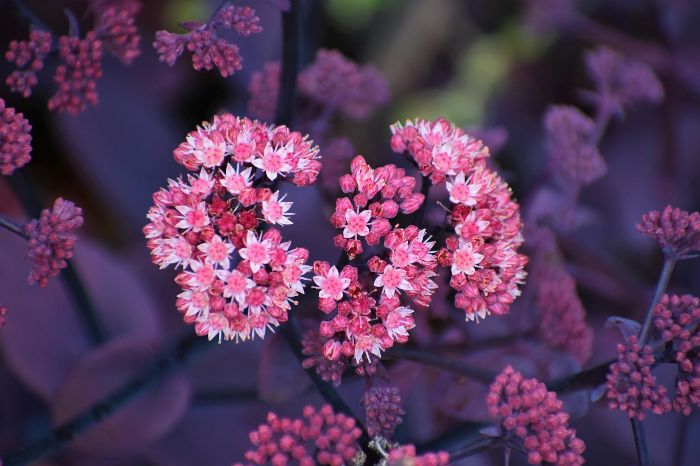
2. Sedum – Sedum has thick leaves and bright flowers. It doesn’t need much water. It comes in many colors, fitting in any garden.
3. Daylilies – Daylilies have big, colorful flowers and grow easily. They’re available in many colors, perfect for low-care gardens.
Drought-Tolerant Perennial Options
In dry places, drought-tolerant perennials are best. They look good without much water. Here are a few choices:
1. Yucca – Yucca has sharp leaves but beautiful flowers. It’s very tough and needs little water, great for dry gardens.
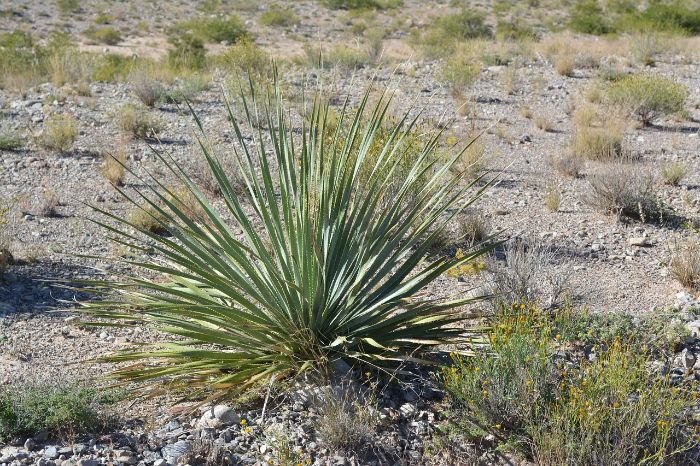
2. Russian Sage – Russian sage loves dry weather. It has gray leaves and purple flowers, making any garden prettier.
3. Red Hot Poker – Red hot pokers have bright, drought-resistant flowers. They do well in hot, dry places.
Perennials for Various Garden Conditions
Each garden has its unique traits, from shade to wetness or wind. But there are perennials for all these situations. Look at these choices:
1. Hosta – Hostas like the shade and come in many leaf colors. They need moist soil, perfect for dark areas.
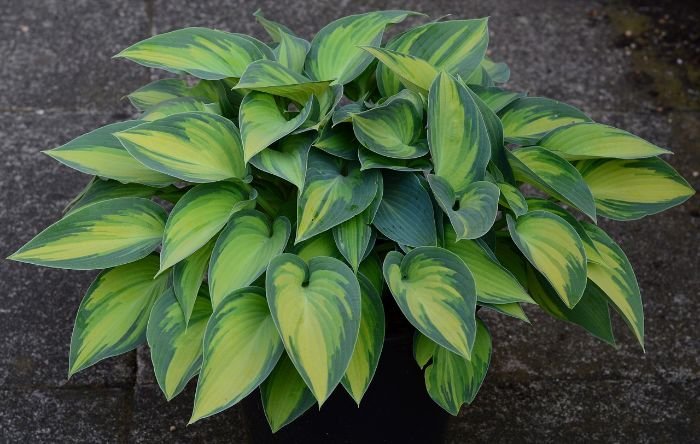
2. Iris – Irises can handle wet or dry spots. They offer a range of colors to brighten up your garden.
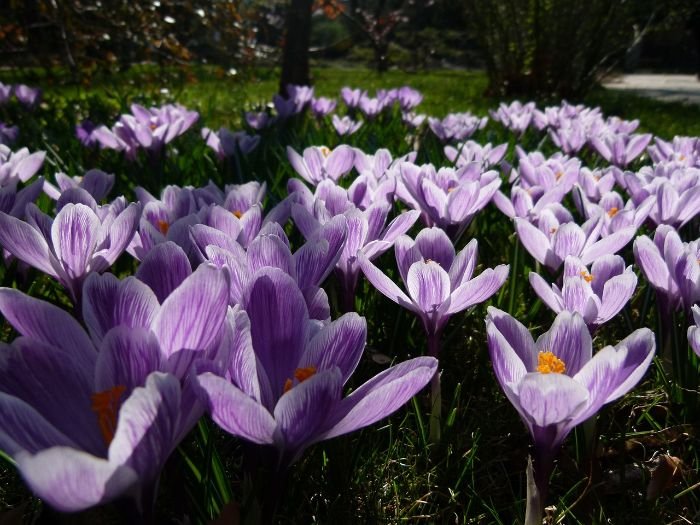
3. Windflower – Windflowers do well in the wind. They have soft, colorful flowers, bringing grace to any garden.
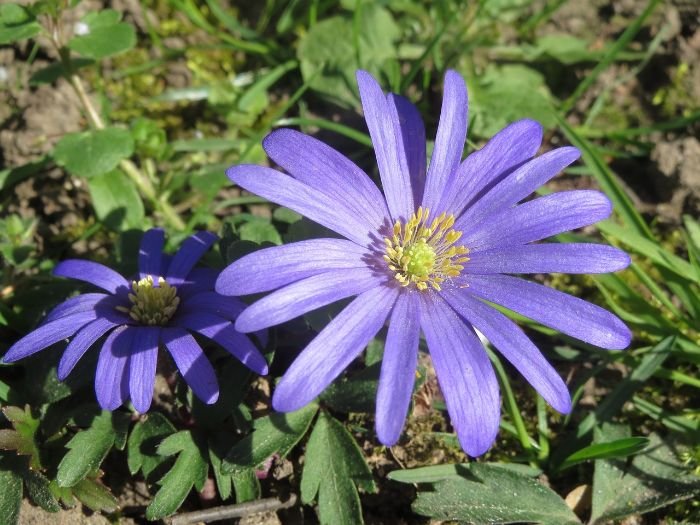
Choosing the right perennials can make your garden beautiful with little effort. These plants not only make your garden pretty but also attract helpful insects. They create a peaceful spot for you to enjoy.
Seasonal Perennial Care
It’s key to provide seasonal care for your perennials. Each season needs special attention to keep the plants healthy. By following easy advice, your plants can grow longer and stronger.
Spring Preparation and Planting
Spring is the season to get your garden ready. First, clean up any winter debris. This means removing fallen leaves and branches. A tidy garden helps your perennials thrive.
Next, check your plants for any damage or sickness. Cut off any parts that are dead or hurt. This boosts healthy growth.
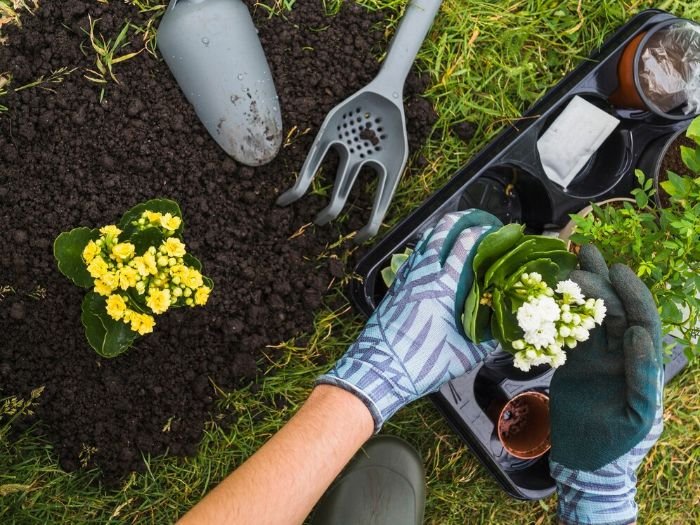
Spring is also time to feed your perennials. Use a fertilizer made for blooming plants. This gives them what they need to grow well. When planting new perennials, make sure your hole is big enough. Put the plant in carefully, then water it well.
Summer Maintenance Tips
Summer is when perennials grow a lot. It’s vital to care for them right. Making sure they get enough water is very important. Water deeply but be careful not to water too much.
Take off old flowers during summer. This job makes your garden look better. It also helps new flowers grow and makes the blooming time longer. Watch out for bugs and diseases. Check your plants often and deal with any problems you see.
Fall and Winter Care for Perennials
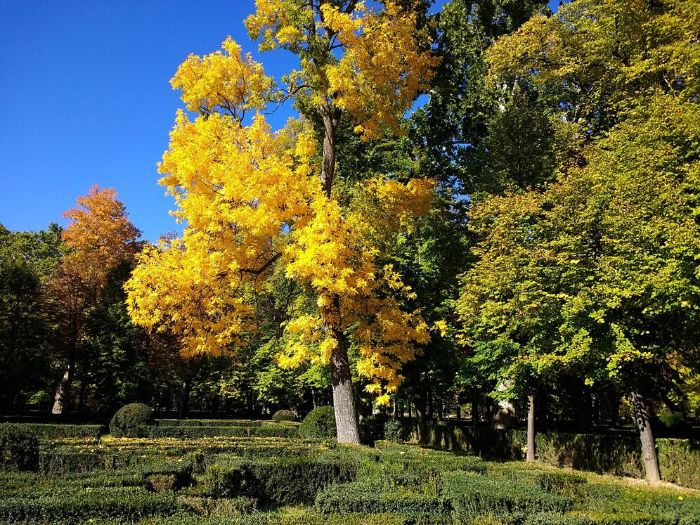
Fall is the time to get your perennials ready for winter. Cut off old foliage and get rid of dead or dying stems. Clean up leaves to stop disease and pests.
In winter, put mulch around your plants. Mulch keeps the soil warm and stops weed growth. It also saves moisture for your plants.
Know what your perennials need in winter. Some might need extra care, like covering them with blankets or moving them to a sheltered spot. Find out how to protect your plants from cold weather.
Conclusion – Achieving Year-Round Beauty with Perennials
Adding perennials to your garden brings beauty all year. It makes your outdoor space lively through the seasons. With the right pick of perennials and a little TLC, your garden can shine from spring to fall. They’re a top choice for gardens of any kind, for both new and seasoned gardeners.
Finding the best perennials for your garden is key. Think about when they bloom and what they need to grow strong. If you plan well, your garden will always be filled with color.
Looking after your perennials is crucial for them to last. They need regular water, food, and a trim now and then. Watching out for pests and diseases is important too. Doing this keeps your garden beautiful year after year.
With perennials, your garden can look different but stunning as each season changes. So, whether it’s a bright spring or a cozy fall you’re after, using perennials will keep your space appealing. Enjoy the beauty they bring for many seasons to come.
FAQ
What are the benefits of perennial plants?
Perennial plants add color for a long time. They bring bees and butterflies. Plus, they need less work than annuals.
How do I choose the right perennials for my garden?
Think about where you live and what grows well there. Also, pick plants that bloom at different times for year-round beauty.
How should I prepare my garden for planting perennials?
Check your soil and update it if needed. Find the best spots for planting. Then, get rid of weeds and add organic stuff to the soil.
What are the best practices for planting perennials?
Start by making a good hole. Carefully take the plant out of its pot. Surround it with soil. Make sure it’s not too close to others.
Give it plenty of water. Cover the soil with mulch. This helps keep the plant healthy.How do I care for my perennials?
Know how much water and food your plants need. Cut off dead flowers to help new ones grow. Keep an eye out for bugs and diseases. Treat them fast.
How can I design with perennials for continuous bloom?
Plant taller ones in the back and shorter ones in front. Make some plants stand out more. Put others next to each other to make them look even better.
What are some low-maintenance perennial options?
Look for perennials that don’t need a lot of fussing over. If your area is dry, choose plants that like dry weather. Just find the ones that suit your garden.