




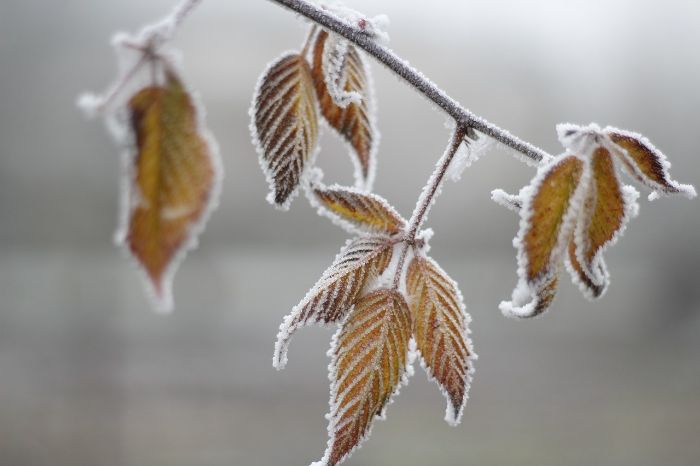
Winter’s cold can come back unexpectedly. How do you quickly fix your garden after frost damage? Frost can hurt your plants, making them weak and sad. It’s important to know how to check for damage and help your plants get better.
From looking at the thawing soil to fixing your garden fast, small steps can help a lot. This guide will show you how to fix your garden after frost. It will help you bring your garden back to life.
Key Takeaways
- Assessing frost damage is crucial for determining the next steps.
- Immediate action can significantly improve plant recovery.
- Thawing soil plays a vital role in successful repairs.
- Identifying affected plants helps prioritize emergency responses.
- Simple cover methods can prevent further damage during recovery.
- Long-term strategies enhance the garden’s resilience against future frost events.
Table of Contents
Assessing Frost Damage in the Garden
Checking for frost damage is key to a healthy garden. Start by spotting signs of frost damage on plants. This lets gardeners act fast and lessen damage effects. Plants show different signs of frost stress, like discolored leaves and wilting.
Knowing these signs helps gardeners focus on the most important plants to save.
Identifying Signs of Frost Damage on Different Plants
Each plant reacts differently to frost damage. Look for signs like:
- Discolored leaves, often turning brown or black
- Wilting or drooping of stems and foliage
- Dieback in tender branches, especially in flowering plants
- Soft, mushy areas on stems indicating cellular damage
Watch closely plants that were doing well before the frost. Plants that were warm before the frost are more vulnerable. This is true for delicate flowers more than hardy perennials.
Prioritizing Plants that Need Immediate Attention
It’s important to know which plants need help first. Focus on those showing the worst damage. Consider:
- High-value ornamental trees and shrubs that provide landscape aesthetic
- Young or vulnerable plants that may not recover easily
- Annuals and perennials that are in their critical growth stages
By focusing on urgent needs, you help the most damaged plants recover best.
Immediate Actions to Protect and Repair Affected Plants
Acting fast after a frost is key to fixing your garden. Focus on certain tasks to help damaged plants. These steps will help your plants recover from frost damage.
Removing Frost-Damaged Leaves and Branches
Start by taking off frost-damaged leaves and branches. This lets your plants focus on growing new, healthy parts. Be careful not to cut too much too soon. This helps your plants recover better.
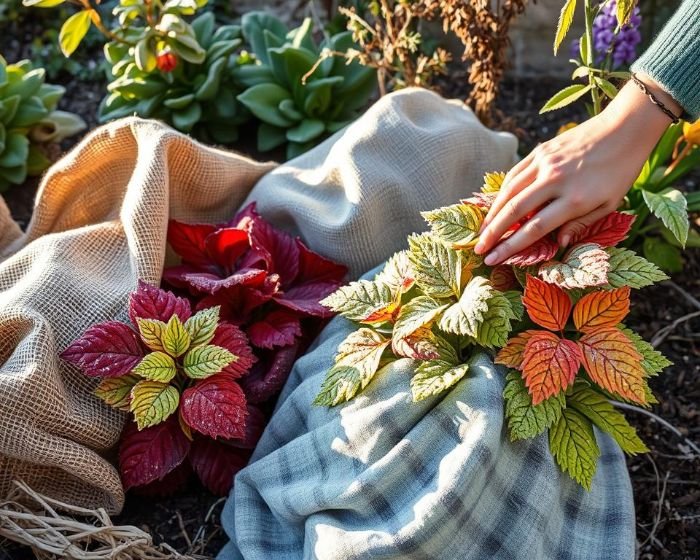
Covering Plants to Prevent Further Damage
Use breathable covers like burlap or sheets to protect plants from cold. This keeps warmth in and frost out. It’s a great way to help your plants recover from frost damage.
Pruning and Trimming Frost-Damaged Plants
After checking how much damage frost has done, it’s key to know when and how to prune. The right time can really help plants recover. Prune a few days after the frost has gone. This lets the plant rest a bit and helps you see what needs fixing.
When and How to Prune Frost-Damaged Plants
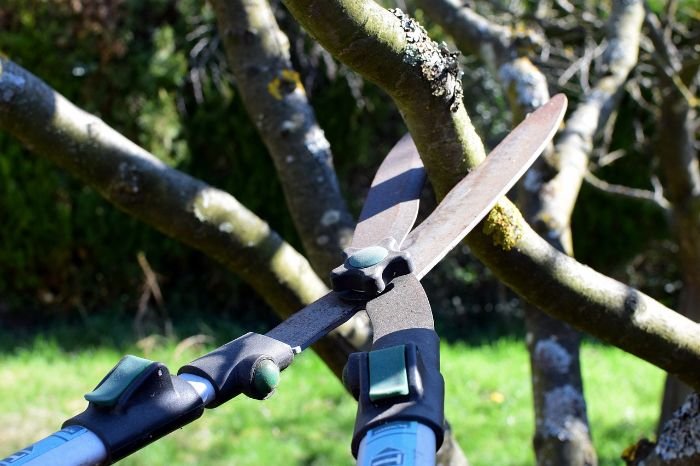
First, find dead or badly hurt branches. Use sharp tools for clean cuts. This helps plants grow back strong and healthy. Always follow safe pruning steps, like:
- Check each branch to see if it’s healthy.
- Cut just above a healthy bud or node to help new growth.
- Take out any hanging or broken branches that could be dangerous.
Tools and Techniques for Safe Pruning
Choosing the right tools is important for good pruning. Here are some tools you should have:
- Bypass pruners for small branches.
- Loppers for medium-sized branches.
- Saws for big limbs and major cuts.
Safe pruning helps fix frost damage and makes plants stronger. By doing this carefully, your garden gets ready for new growth.
Reviving Frost-Damaged Plants with Proper Care
Fixing plants hurt by frost needs careful steps. Watering them right and using soil helpers are key. These steps help your plants get better and stay strong against more frost.
Watering and Mulching to Support Recovery
Good watering helps roots heal. Try to add 1 to 1.5 inches of water to the soil after a freeze. Mulching keeps the soil moist and protects the roots from cold.
Using Fertilizers and Soil Amendments for Healing
Adding fertilizers and soil helpers to your care routine is important. They bring back lost nutrients. This helps your plants grow well as it gets warmer. Choose soil helpers that keep moisture in and nutrients available for strong growth.
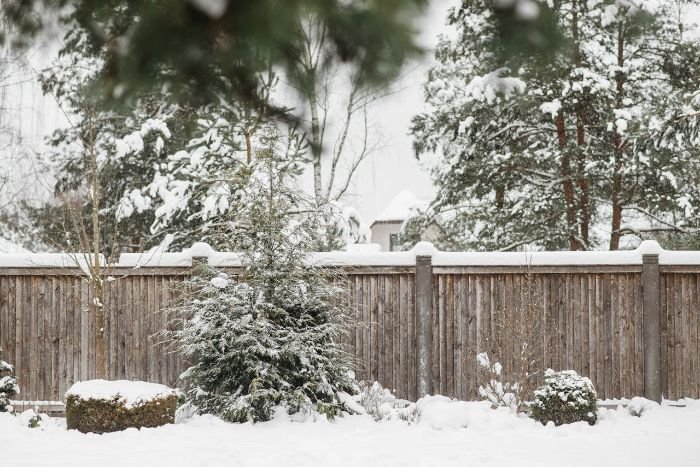
Protecting the Garden from Future Frost Events
To keep your garden healthy during future frosts, you need to act early. Using good frost protection can really help your plants. Here are some ways to protect your garden.
Installing Frost Blankets and Covers for Vulnerable Plants
Frost blankets or covers are great for protecting plants. They keep warmth in and cold out, making a cozy spot for your plants. Pick light blankets that let air and water move but still keep warm.
Creating Windbreaks and Using Mulch for Insulation
Windbreaks are also key to protect plants from strong winds. Use hedges, fences, or other things to block the wind. Mulch also helps by keeping the soil warm and moist, which is good for plants.
Long-Term Strategies for Frost Recovery and Prevention
Looking ahead to future gardening seasons, picking frost-resistant plants is key. These plants can handle lower temperatures. They help your garden survive sudden frosts and become more resilient.
Choosing Frost-Resistant Plants for Future Seasons
Adding frost-resistant plants to your garden makes it safer from bad weather. Choose native species that do well in your area. They’re used to local weather. Also, look for cold-tolerant cultivars and hybrids. The right plants keep your garden lively, even in tough times.
Implementing Microclimate Modifications to Reduce Frost Risk
Microclimate gardening creates special spots that protect plants from frost. Place plants in spots that block wind and cold. Using materials that absorb heat can also warm the area. These changes help prevent frost and make a better home for sensitive plants.
Conclusion
Recovering from frost damage is a key step to get your garden back. First, check the damage and protect your plants well. This helps them recover faster.
Removing bad leaves and pruning right are important steps. Also, make sure your plants get enough water and food. This helps them grow strong again.
Choosing plants that can handle cold is also crucial. This way, your garden can stay healthy and beautiful. Knowing how to protect your garden from frost is key.
Learning from frost damage helps gardeners prepare better next time. With the right strategies, your garden can stay green and beautiful all year.
FAQ
How can I quickly assess frost damage on my plants?
Start by looking for signs like discolored leaves and wilting. Some plants, like flowers, may be more affected than others. Wait a few days after the frost to check your plants accurately.
What should I prioritize when dealing with frost-damaged plants?
Focus on ornamental trees and shrubs that are badly damaged. Acting quickly on these plants can help them recover. This will also make your garden look better again.
Is it safe to prune frost-damaged plants right after a frost event?
It’s better to wait a few days before pruning. This lets you see how bad the damage is. Use sharp tools to avoid harming it further.
How can I protect my garden from future frost events?
Use frost blankets and covers to keep plants warm. Windbreaks from hedges or fences also help. Mulching keeps the roots cool and safe.