
Last Updated July 10, 2026
Plant drooping usually feels like a watering emergency, especially when leaves hang soft, stems lean, or the whole plant loses shape in a single afternoon. The risky move is reaching for the watering can before the root zone has been checked. Dry roots, saturated roots, heat load, root damage, and transplant stress can all produce the same limp leaf posture. Each cause needs a different response.
A drooping plant can recover quickly when the cause is simple moisture stress. Recovery gets slower when roots have lost oxygen, stayed cold, sat in stale water, or been disturbed during repotting. Start with the soil, then read the timing, leaf color, stem firmness, and recent changes around the plant. The visible collapse matters. The cause usually sits below the surface.
Fast Diagnosis Matrix For Drooping Leaves
Match the soil condition and timing before choosing the first correction.
Key Takeaways
- Check root-zone moisture before treating drooping leaves.
- Rehydrate dry root balls slowly until centers feel moist.
- Avoid watering moist soil before checking drainage and roots.
- Keep repotted plants in indirect light without fertilizer.
- Recheck stem firmness and leaf posture the next morning.
Table of Contents
Plant Drooping Starts With The Root Zone
Leaves droop when water movement through the plant falls behind leaf demand. The cause can be a dry root zone, damaged roots, saturated soil, heat, or a container that no longer lets water move through cleanly. Wilting begins when roots cannot supply enough moisture to leaves and stems, whether the root ball is dry or roots are dying in wet soil, which is the two-path mechanism in Iowa State University Extension’s houseplant diagnosis. A surface finger test misses many of those causes. The top half inch can feel dry as the lower pot stays wet, or the top can feel moist as the center of the root ball stays dry.
Check moisture at root depth before deciding. For most containers, push a finger, wooden skewer, or narrow stick two inches into the mix. For garden beds, dig a small slice four to six inches deep near the drip line. Soil that crumbles dry in the root zone explains a fast wilt. Soil that smears, smells sour, or clings in a cold lump points toward oxygen stress.
Indoor plants add one more trap. Decorative cachepots, tight saucers, and dense potting mixes can hold water below the root ball after the upper layer looks normal. Light, water, humidity, temperature, and container drainage work together, so a drooping houseplant needs a whole-system check. The University of Georgia’s guidance on successful indoor plant growth treats those conditions as connected long before leaves begin to sag.
When Moisture Looks Normal, Inspect Stems And Crowns
Wilting that remains the next morning, spreads along one side, or affects one branch as nearby growth stays firm points beyond routine watering. Check for a kinked or split stem, a soft crown, sawdust-like frass, sunken bark, or dark streaking inside a freshly cut dead stem. Fungi and bacteria can cause vascular wilt that blocks water-conducting tissue, according to University of Maryland Extension.
Midday droop during hard heat can ease after sunset as leaf demand falls. A plant that remains limp in the cool morning, collapses suddenly despite normal root moisture, or develops one-sided yellowing needs stem, crown, pest, and disease checks before more water is added. Isolate a symptomatic houseplant from the collection, and use a local plant diagnostic clinic when a valuable landscape plant or edible crop shows vascular streaking.
Drooping Leaves With Dry Soil Need Slow Rehydration
Dry soil with limp leaves usually means the plant lost more water through leaves than the roots could replace. The correction sounds simple. The way water enters the root zone decides whether the plant actually improves. Bone-dry potting mix can shrink away from the container wall and shed water down the side. Garden soil can crust on top and let water run off before it reaches active roots.
Water slowly, then check again after ten to fifteen minutes. A container should feel heavier, and moisture should reach the center of the root ball as well as the drainage holes. If the mix repels water, set the pot in a shallow basin for twenty to thirty minutes, then drain it fully. In beds, use a slow stream at the root zone and stop when water begins to run sideways.
Plants that perk up within a few hours usually had simple moisture deficit. Leaves that stay soft after the root zone is evenly moist need a second check for root damage, heat load, or old stress. Repeated dry-wilt cycles weaken fine roots, so a plant can start drooping earlier each time even when watering seems frequent. The deeper warning signs in signs of underwatering in garden plants show when dry stress has moved beyond a one-day wilt, and longer dry cycles can affect plant growth under underwatering stress.
Drooping With Moist Soil Points Below The Surface
Moist soil plus drooping leaves is the case that catches gardeners most often. The plant looks thirsty. The roots may already be surrounded by water. Roots need oxygen as well as moisture. When pore spaces stay filled with water, fine roots slow down, die back, or invite decay organisms. The leaves droop because damaged roots cannot move water upward, even though the pot or bed still feels wet.
Stop watering until the root zone tells a clearer story. Lift the container if possible. A heavy pot, cold mix, sour smell, or blackened root tips all point toward excess moisture. In a bed, check whether water sits in the planting hole after irrigation or rain. Drainage failure can hide below a healthy-looking surface layer, especially in amended holes surrounded by heavier native soil.
For indoor plants, remove the nursery pot from its cover pot and empty any standing water. Cream or tan firm roots can recover in brighter indirect light as the mix approaches the proper dry-down range. Brown, mushy, hollow, or foul-smelling roots need dead tissue trimmed with clean tools and a draining mix. The deeper split between wet stress and dry stress is covered in signs of overwatering plants, especially when leaves droop as soil stays damp.
Plant Drooping After Watering Means The Root Zone Changed
A plant drooping after watering can look backwards. The timing matters. Leaves that stay limp after watering usually point to a saturated mix that pushed out air, water racing around a shrunken root ball as the center remained dry, or heat demand that still exceeds root uptake. The plant received water. The active roots did not receive a better working environment.
Check the pot or soil profile before repeating the same watering. Water that ran straight through a container can leave the center dry, so soak and drain once. A heavy wet pot needs an empty saucer, open drainage holes, and time. If the plant was already heat-wilted, move it out of direct afternoon sun and reassess after the root ball and leaves cool.
Outdoor plants can droop after irrigation when water hits hot, compacted, or crusted soil. A quick spray wets foliage and the soil surface as roots stay dry. A hard soak on poorly draining soil can leave roots short of oxygen. Watering works when moisture reaches the active root zone and then drains. Bypassed root balls stay dry, and saturated planting holes keep roots oxygen-starved.
Pro Tip: Lift small containers before and after watering. Weight tells the truth faster than the surface color of potting mix, especially when peat-heavy soil dries unevenly.
Plant Drooping After Repotting Needs A Recovery Window
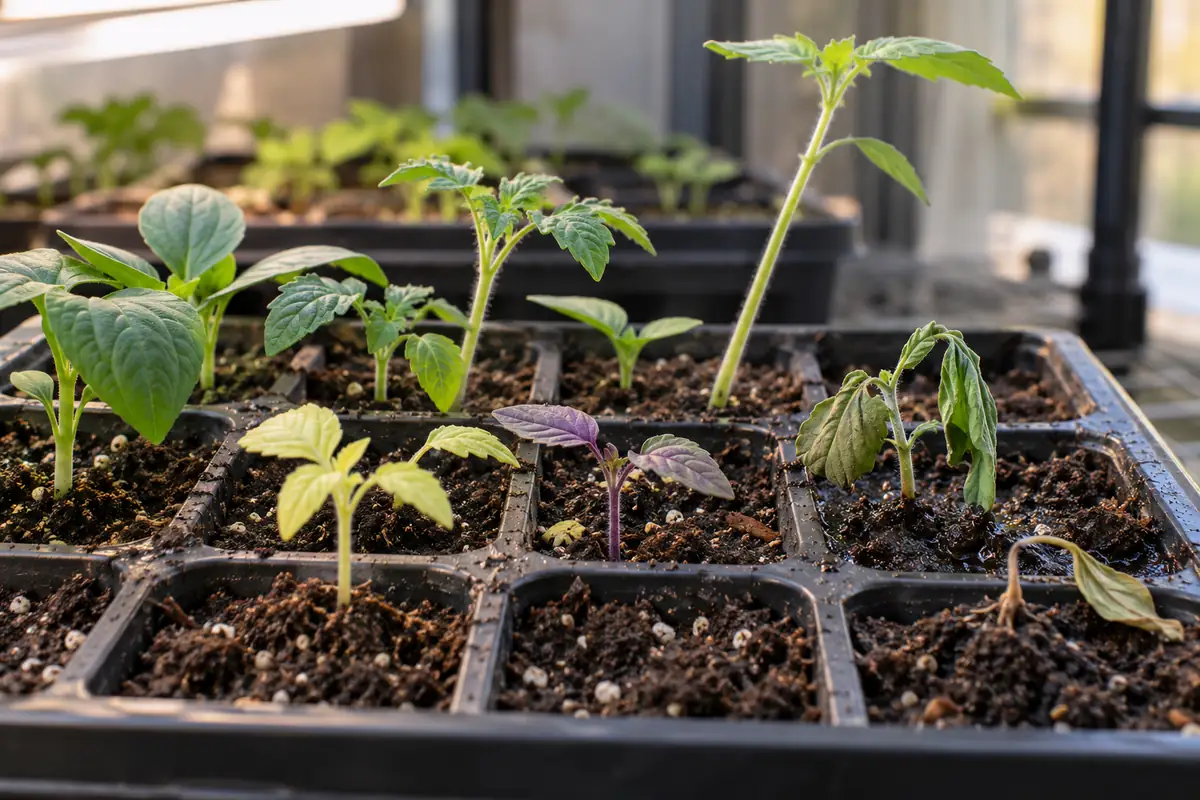
Repotting disturbs the roots that control water uptake. Even careful work breaks fine root hairs, changes the moisture pattern around the root ball, and exposes the plant to a different container environment. A plant that droops after repotting often needs stability more than intervention.
Place the plant in bright indirect light, keep the mix lightly and evenly moist, and avoid fertilizer while fine roots rebuild. Indirect light for several days and at least two weeks without fertilizer are the recovery conditions in Montana State University Extension’s repotting guidance. Strong sun raises leaf demand during root rebuilding. Remove only dead or broken tissue; routine pruning adds another wound.
Root-bound plants can droop after repotting for a different reason. A tight old root ball may stay dry inside the new moist mix. Water moves through the fresh soil around the outside and leaves the original root mass unchanged. Press a skewer into the old root-ball area after watering. If it comes out dry, water that core slowly before blaming transplant shock.
Drooping And Turning Yellow Narrows The Cause
Yellow leaves with droop usually mean the problem has lasted longer than one hot afternoon. Root stress sits high on the list because damaged roots lose both water uptake and nutrient uptake. Older lower leaves often yellow first when roots stay too wet, and new growth may stall or emerge smaller. Soft yellow leaves on wet soil deserve a drainage and root check before any fertilizer is added.
Dry stress can also yellow leaves, especially after repeated wilt cycles. The difference appears in texture and soil behavior. Dry-stressed leaves often feel crisp at edges, and the root zone dries fast again after watering. Wet-stressed leaves often feel soft, heavy, or translucent, and the pot stays heavy for days. A plant can also show both patterns when the outer mix is wet as the root ball core remains dry.
Nutrient deficiency should come later in the diagnosis. Feeding a plant with stressed roots rarely fixes droop, because the plant cannot use nutrients well when roots are oxygen-starved, damaged, or too dry. Restore root function first. After posture stabilizes and new growth resumes, leaf color becomes a better signal for nutrition.
Indoor Plant Leaves Drooping Often Come From Light, Heat, And Pot Limits
Indoor plant leaves drooping can follow the same water problems as outdoor plants. The room changes the timing. Low light slows water use, so soil stays wet longer after a normal watering. Heat vents, bright windows, and dry air raise leaf demand and can make a plant wilt even when the pot still holds moisture. Moving a pot only a few feet can place leaves in a hot draft or roots against cold glass.
Inspect the full setup. Check the side facing hot glass, the vent path across the leaves, drainage holes, and roots circling at the bottom. A plant in low light with moist soil needs less water and more patience. A plant in bright heat with dry soil needs a fuller soak and possibly a position change.
Indoor watering works best when the pot drains freely and the plant is matched to the room’s light. Moisture rules depend on container drainage and soil dry-down, so watering by the calendar creates many drooping problems. Root-zone moisture and drainage should set the schedule, the same practical sequence used in the University of Maryland’s indoor plant watering guidance.
Observation: A houseplant that droops on the same weekday often follows the room, not the calendar. Weekend heat, closed blinds, HVAC changes, or a full saucer can repeat the same stress pattern.
Can A Drooping Plant Be Saved?
Signs That Recovery Is Still Possible
A drooping plant can often be saved when stems remain firm and at least some roots are alive. Fast recovery usually follows simple underwatering, short heat stress, or mild transplant shock. Slow recovery follows root rot, repeated saturated soil, severe drying, or a root ball that has pulled away from the pot for weeks.
Use three checks. First, bend a small stem gently. A flexible green stem has living tissue; a brittle brown stem may be dead above that point. Next, inspect roots when the plant is in a container or when a garden transplant is already failing. Firm pale roots can recover. Mushy, hollow, or foul roots need trimming and cleaner conditions; the root-rot pattern behind snake plant mushy leaves follows the same low-oxygen warning. Then watch new growth. A plant may drop damaged leaves as the crown or buds stay alive.
Match the recovery window to the cause. Simple dry stress should produce firmer leaves within several hours after the entire root ball is moist. Repotting stress often changes over several days, and woody transplants can show stress much longer. Reopen the diagnosis when droop worsens overnight, stems soften, or yellowing continues to spread. Repeated rescue moves can damage a plant more than the first droop.
Common Mistakes That Keep A Drooping Plant From Recovering
Watering by leaf posture alone causes many slow recoveries. Limp leaves can mean dry roots, drowned roots, heat load, root damage, or repotting stress. Fixing every possible cause at once creates another problem. Extra water, fertilizer, pruning, repotting, and a new location can stack stress on a plant that needed one correction and time.
Old watering routines fail when drainage changes. Roots fill pots, soil breaks down, drainage holes clog, and seasons change indoor light. A watering schedule that worked in May can create wet soil in November. A patio container that dried daily in July can stay saturated after cooler nights arrive.
Feeding yellow, drooping leaves before checking roots can delay recovery. Fertilizer can help a growing plant with a real nutrient shortage. It cannot restore roots that are dry, oxygen-starved, or rotting. Bring the root zone back into working condition first, then judge nutrition from fresh growth.
Conclusion
Plant drooping becomes easier to fix when the leaf posture is treated as a signal, not a complete diagnosis. Dry soil, wet soil, recent watering, recent repotting, yellowing, and indoor conditions each change the next move. The safest first step is root-zone moisture, followed by drainage, stem firmness, root condition, and recent stress.
Dry roots should receive water slowly enough for the whole root ball to take it in. Moist soil calls for air, drainage, and time before more water. Repotted roots need quiet conditions during rebuilding. Once the cause matches the symptom, recovery stops being a string of rescue attempts and becomes one clear correction.
FAQ
How do you fix a droopy plant?
Check root-zone moisture first. Dry soil needs slow rehydration. Moist soil needs a pause, drainage check, and root inspection if the plant stays limp. Keep light and temperature stable while the plant recovers.
What does an overwatered plant look like?
An overwatered plant often has drooping leaves as soil stays wet, soft yellowing leaves, slow growth, a heavy pot, sour-smelling mix, or brown mushy roots. The leaves can look thirsty because damaged roots cannot move water upward.
Can drooping plants be saved?
Many drooping plants recover when stems remain firm and roots are still alive. Simple underwatering may improve within hours. Root rot, severe drying, or transplant damage can take days or weeks and may need damaged roots removed.
Why is my plant drooping but the soil is moist?
Moist soil with drooping leaves often points to low oxygen around roots, poor drainage, root rot, cold wet soil, or a dry root-ball core surrounded by wet new mix. Add water only after checking the root zone below the surface.