





Have you ever wondered why some boxwoods look great while others don’t? Pruning boxwoods is key to their health and look. It’s not just for tidiness; it helps these plants grow and last longer. We’ll explore the basics of caring for boxwoods, including the best methods and times to prune. This will help you shape your boxwoods better, making your garden look amazing.
Key Takeaways
- Understanding the fundamentals of pruning boxwoods can enhance plant health.
- Effective pruning techniques contribute to the aesthetic appeal of any garden.
- Mastering the timing of pruning is essential for successful boxwood care.
- Shaping boxwoods requires knowledge of growth patterns and techniques.
- Regular maintenance through pruning leads to healthier, fuller boxwoods.
Table of Contents
Understanding Boxwood Pruning
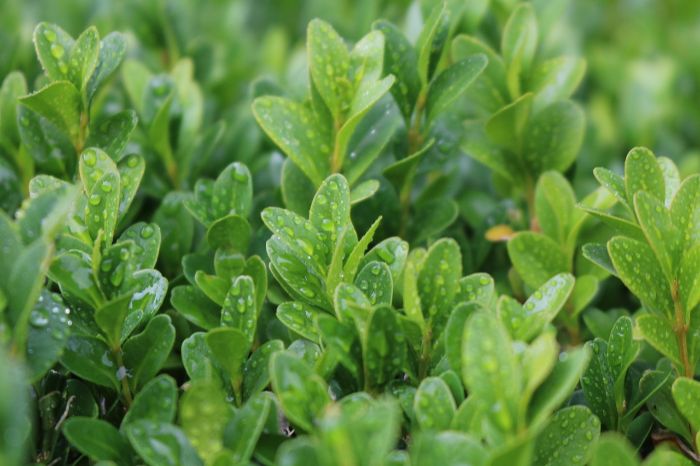
Pruning boxwoods is key to keeping them healthy and looking great. It’s important for their health and looks. Boxwoods are loved for their full, evergreen leaves. They need regular care to stay healthy.
Why Pruning is Essential
Pruning is a must for boxwoods. It helps them grow strong and healthy. This keeps them the right size and shape. Without pruning, they might get too big and weak, making them more likely to get sick.
A well-pruned boxwood looks better and gets more sunlight. This makes it stronger and healthier.
Benefits of Regular Pruning
Pruning boxwoods has many benefits. It makes them look fuller and more beautiful. It also lowers the chance of damage from snow in winter.
Healthy boxwoods don’t get as many pests or diseases. This shows how important it is to keep them in good shape.
Best Times to Prune Boxwoods
Knowing when to prune boxwoods is key for their health and look. The best time is late winter or early spring, right before they wake up. This lets the plants heal and grow well as they start new growth. Pruning then helps new leaves grow well later.
Seasonal Pruning Guidelines
Here are some tips for pruning at the right time:
- Look for late winter to early spring, when the buds start to swell.
- Don’t prune too much in late summer or fall to avoid damage in winter.
- Watch out for local weather changes that might change when to prune in your area.
Indicators for Pruning Readiness
Knowing when to prune is important for taking good care of boxwoods. Look for these signs:
- Green shoots coming out, showing growth is happening.
- Buds swelling, telling you the plant is ready to grow.
- The boxwood looking strong and healthy after winter, showing it’s ready.
Pruning Techniques for Boxwoods
Pruning boxwoods right is key to their health and looks. The right tools make a big difference. They help make cuts clean and precise, without hurting the plant. Learning these tips will help you care for these shrubs better.
Tools Needed for Effective Pruning
Good pruning tools are a must for boxwoods. You’ll need:
- Sharp, handheld pruning shears for small branches.
- A folding garden saw for big, overgrown plants.
- Electric hedge clippers for big boxwoods, but avoid odd shapes.
Step-by-Step Pruning Process
Start pruning boxwoods with these steps:
- Take out dead or damaged branches to help new growth.
- Do selective thinning to let sunlight in and improve air flow.
- For big shrubs, prune in phases. Cut no more than one-third of the plant each year, slowly getting it to the right size.
Shaping Your Boxwoods
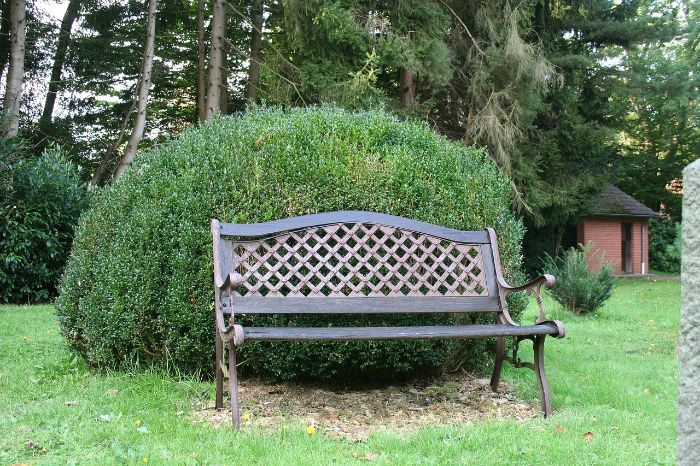
Shaping boxwoods is key to a beautiful landscape. You can go for formal or informal designs. Different techniques can make boxwoods look great. These methods help create shapes like rounded or architectural lines.

Techniques for Different Shapes
Here are some techniques for shaping:
- Thinning branches keeps the natural look and stops areas from getting too dense.
- Selective pruning lets you shape with precision for a neat look.
- Hand shears are better than power tools for detailed designs and safety.
- Watch the boxwood’s growth to plan your next steps.
Maintaining Shape Over Time
Keeping hedge shapes looking good takes regular care. Here’s how:
- Prune every year in early spring to make it look fresh.
- Check the boxwood during the growing season for any needed fixes.
- Adjust your shaping based on the plant’s natural growth.
- Avoid too much shearing to prevent weak spots and thin growth.

Encouraging Dense Growth
Thick, lush boxwoods make landscapes look better and show strong health. To get thicker boxwood leaves, we need smart strategies. These strategies help with growth and fix growth problems.
Strategies for Fuller Foliage
Here are ways to get fuller boxwood leaves:
- Use selective pruning to cut back areas that block sunlight. This lets more light in, helping new growth.
- Give slow-release fertilizers in early spring. They feed the plant and make the leaves thicker and greener.
- Check and adjust how often you water. The right amount of water helps the plant grow denser.
Addressing Sparse Areas
For sparse areas, we can do targeted things to help:
- Find and trim branches that block air flow. This helps the plant focus on growing other areas.
- Prune specific spots to help growth be even all over the boxwood.
- Try rotating fertilizers to make the leaves thicker and even out growth.
Common Pruning Mistakes to Avoid
Pruning boxwoods right is key to their health and looks. But, many mistakes can mess up this process. Over-pruning is a big issue. It’s important to know the risks of over-pruning to help your boxwoods grow strong and recover well.
Over-Pruning Risks
Pruning too much can cause big problems. It can lead to:
- Stunted growth, which stops the boxwood from looking as good.
- Dieback, where branches don’t grow back, making the bush look smaller.
- Being more open to pests and diseases because the plant is weak.
Knowing these risks of over-pruning helps gardeners prune better.
Recovery from Pruning Errors
Mistakes can happen, even with the best plans. If you make a mistake, here’s how to fix it:
- Prune less to let the plant get stronger.
- Make smart cuts that help the plant grow healthy, not just look good.
- Watch the plant’s health and change care as needed.
With careful gardening, you can fix pruning mistakes and help your boxwood recover.
Long-Term Boxwood Care
Keeping boxwoods healthy and looking great needs a good plan. This plan includes pruning and other care steps. It helps with strong growth and looks.

Integrating Pruning with Other Care Practices
Pruning is key, but it works best with watering and fertilizing. Watering keeps them healthy, and fertilizing gives them the right food. Doing these things together helps with pruning and makes the plants stronger.
Monitoring and Adjusting Pruning Techniques
Watching the plants closely helps us change our care plans. Seeing how they grow tells us when and how to prune. Knowing how the weather affects them lets us make changes. This way, boxwoods stay beautiful every year.
Conclusion
Learning how to prune boxwoods is key to their beauty and health. It’s important to know when, how, and with what tools to prune. This knowledge helps gardeners get the best results from their boxwood shrubs.
Using these tips in your care routine makes your boxwoods grow thick and strong. It also helps them fight off pests and diseases. Remember, taking care of your boxwoods regularly keeps them looking great and healthy.
To make your boxwoods look their best, be patient and pay attention to details. By following the advice in this article, you can make your boxwoods look beautiful. This adds elegance and style to your garden.
FAQ
When is the best time to prune boxwoods?
Prune boxwoods in late winter or early spring. This is right before they wake up from sleep. It helps them heal and grow new leaves safely.
What are the benefits of regular boxwood pruning?
Pruning boxwoods keeps them healthy and looking good. It stops them from getting too big, helps air and sunlight get through, and keeps pests and diseases away.
How can I shape my boxwoods?
Shape your boxwoods by using different techniques for the look you want, like round or square shapes. Prune them lightly every spring to keep them looking right.
How do I encourage dense growth in my boxwoods?
For thicker boxwoods, prune carefully to let sunlight in. Use natural, slow-release fertilizers in spring to help them grow fuller.
What common mistakes should I avoid while pruning?
Don’t cut too much, or your boxwoods might not grow well or could die back. Only take off a little plant each year and cut carefully to avoid harm.
What are the signs that boxwoods are ready for pruning?
Look for green shoots, big buds, and strong plant health. These signs mean it’s time to prune your boxwoods.