




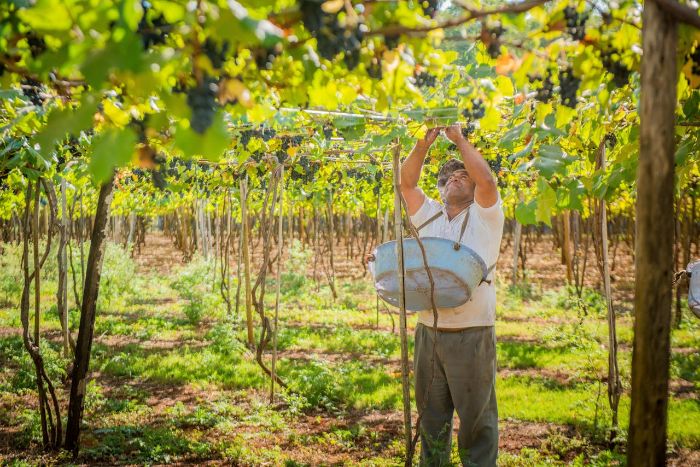
Ever thought about how the right training can make your vineyard full of grapes? Learning how to train grape vines is key for their growth. It helps the plants stay healthy and boosts the quality of the grapes. This is vital in vineyard management, where choosing the right trellis system is crucial.
Let’s explore the basics of training grape vines. This will help you make the most of your vineyard.
Key Takeaways
- Proper grape vine training is essential for optimal growth and fruit quality.
- A variety of trellis systems can be employed based on vineyard conditions.
- Effective vineyard management improves overall productivity.
- Understanding training methods helps adapt to climate and soil variations.
- Structured training promotes better air circulation and sunlight exposure.
Table of Contents
Introduction to Grape Vine Training
Grape vine training is key to getting the best fruit quality and yield. It helps vine growers make the best growing conditions. It also meets the needs of different grape types.
Why Training is Essential
Good training, along with balanced fertilizing practices for grape vines, makes grapevines strong and ready for fruit. “It lets them get enough sunlight, pairs perfectly with efficient watering tips for grape vines, and helps control pests. This leads to more fruit and better grapes.
Without training, vines might not produce good fruit. They could also not last as long.
Overview of Training Systems
There are many training systems for different grapevines and places. Each system has its own benefits. Knowing these systems is important for managing grape vines well.
Understanding Grape Vine Structures
Knowing how grape vines grow is key to running a successful vineyard. A good training system helps vines grow strong and improves grape quality. This part looks at the main parts of training systems and how they affect vine growth.
Key Components of Training Systems
The parts of a training system are vital for a healthy vineyard. Each part helps keep the vine healthy:
- The trunk is the main support, keeping the vine stable.
- Cordons grow from the trunk and help make fruit-bearing canes.
- Canes are branches that produce fruit; how we manage them affects how much they produce.
- Spurs are short, pruned parts that help new growth and fruiting.
How Structures Impact Growth
The design and setup of grape vine structures, like trellises and arbors, greatly affect vine health:
- More sunlight means better photosynthesis, which makes the fruit taste better.
- Good air flow around the vines lowers disease risk, keeping vines healthy.
- How vines are arranged affects their growth and berry development.
Types of Grape Vine Training Systems
Grape training systems are key to how grapevines grow and produce. Each system has its own benefits and challenges. Knowing about these systems helps growers make better choices for their vineyards.
Vertical Shoot Positioning (VSP)
The VSP system keeps shoots upright. This gets more sunlight and air to the grapes. It also cuts down on diseases by improving air flow.
This method makes it easier to take care of the vines. It boosts productivity and efficiency.
Guyot System
The Guyot system keeps one cane each year for more fruit. It needs regular pruning to keep its shape. This method is flexible and works well with many grape types.
Many vineyards choose it for its versatility.
Geneva Double Curtain
The Geneva Double Curtain has two foliage curtains. These improve light and air flow. This leads to bigger fruit clusters and better grapes.
Growers like it for its high yields in the right conditions.
Pergola System
The Pergola system is often seen as decorative but is also useful. It provides shade and can produce great grapes. It’s best in warm places, balancing shade and grape growth.
Selecting the Right Training System
Choosing the best training system for grape vines is key. Growers need to think about their vineyard’s conditions and what they prefer. This choice helps vines grow well and improves grape quality.
Factors to Consider
When picking training systems, think about these important points:
- Grape variety – Different grapes react differently to training.
- Growth rate – Knowing how fast vines grow helps pick the right system.
- Available space – The vineyard’s layout affects the choice of system.
- Desired harvest style – The goal of harvesting affects the training method.
Adapting to Climate and Soil Conditions
Choosing the right training system is crucial for adapting to the climate and soil. Some systems work better in certain climates and soils. It’s important to know if vines need a lot of sun or shade.
Investing time in thorough soil preparation for grape vines helps growers choose the best training system. This approach leads to healthier vines and better harvests.
Building and Installing Support Structures
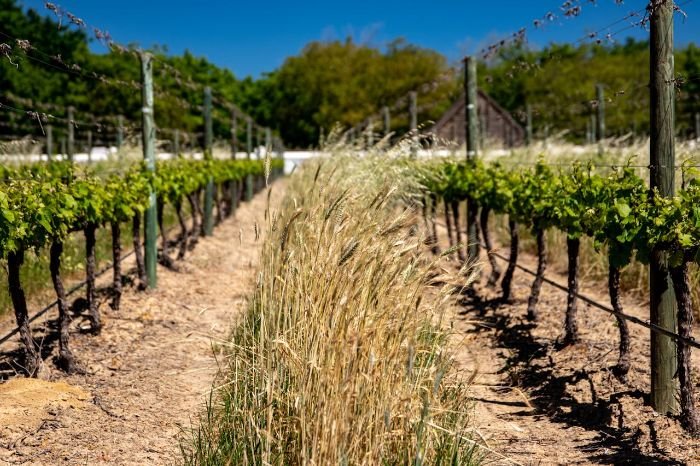
Building strong support structures is key for grape trellises. The right materials and how you install them help vines grow well. They also make sure vines get enough sunlight and support. This part will talk about the materials you need and how to put them together.
Materials Needed for Structures
For your support system, you’ll need these materials:
- Treated wood or metal posts
- Galvanized wire
- Staples
- Ties for securing vines
The materials you pick affect how long your trellis lasts and how much upkeep it needs.
Step-by-Step Installation Guide
Here’s how to install your grape trellis right:
- Before you figure out how far apart to put your posts, reviewing a helpful beginner’s guide to starting a vineyard clarifies spacing requirements for each grape type.
- Dig holes for the posts, making them deep for stability.
- Put the posts in the holes and fill with concrete or soil to keep them in place.
- Attach galvanized wire to the posts at a good height for the vines.
- Check the wires often to make sure they’re straight and tight.
Getting your grape vines installed correctly is important. It helps them grow well and produce more.
Maintaining and Adjusting Training Systems
Keeping vine training systems in check is key. It helps vines last longer and stay healthy. By looking after the systems well, growers get better vines and better fruit.
Regular Maintenance Practices
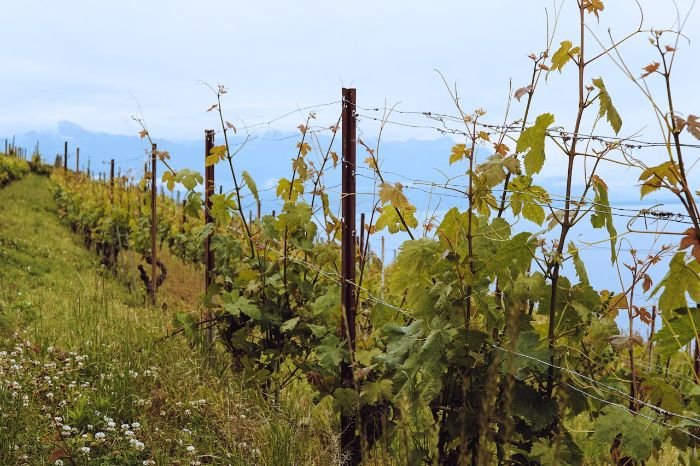
Checking on grape systems often is vital. Important steps include:
- Tightening wires to keep vines supported.
- Replacing broken parts to avoid structure failures.
- Applying effective grape‑vine pruning techniques at the right times secures healthy growth and optimal air flow.
Modifying Structures for Vine Growth
As vines grow, they need changes. Making adjustments helps vines grow better. Some good changes are:
- Moving the trellis for better sunlight on each vine.
- Adding more height to support the growing vines.
- Lowering some wires for more space under the leaves.
Benefits of Proper Training Systems
Proper training systems are key for grape vines. They make the plants better in quality and health. This leads to better management and more yields.
Improved Sunlight Exposure
Training grape vines helps them get more sunlight. This is important for making food through photosynthesis. More sunlight means better fruit quality and more yield.
Well-trained vines don’t get shaded by their leaves. This lets sunlight reach all parts of the plant. It helps the vines grow strong and makes the grapes taste better.
Enhanced Air Circulation
Good training also means better air flow. Vines spread out so air moves easily through the leaves. This lowers humidity and fights off diseases.
Good air flow keeps the vine healthy. It makes the vine strong against pests and diseases.
Troubleshooting Common Training Issues
Fixing grape training problems is key for a thriving vineyard. It’s important to fix weak spots and correct growth patterns. This helps keep vines healthy and productive. We’ll look at how to handle weak structures and bad growth habits.
Dealing with Weak Structures
Weak trellis parts can make grapevines unstable. Spotting weak spots early helps fix them fast. Here’s how to strengthen weak areas:
- Check each support part often for damage or wear.
- Use stronger materials when fixing or adding to the trellis.
- Keep wires tight to support the vines well.
Correcting Growth Patterns
It’s crucial to spot bad vine growth early. Fixing this not only keeps vines healthy but also increases the yield. Here are ways to fix growth issues:
- Regularly check for uneven growth or shoots that are too long.
- Prune vines quickly to cut off bad or too long shoots.
- Guide vines back onto the trellis to keep them in the right place.
Conclusion – Achieving Optimal Growth with Effective Training
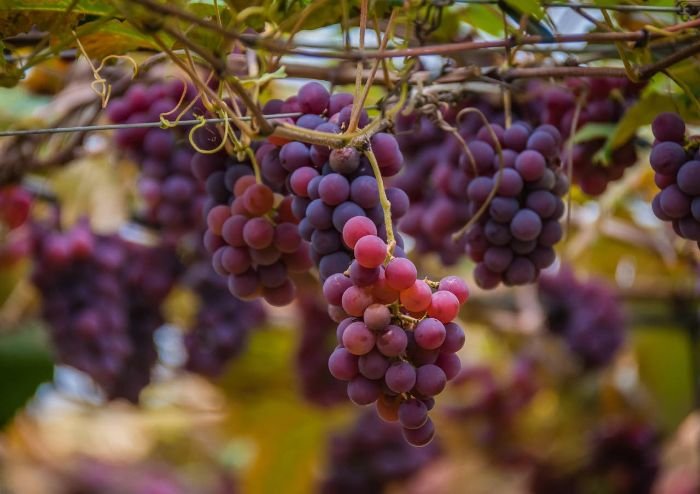
The key to a successful vineyard is using the right grape training methods. By picking the best training systems for your vineyard, you create a great place for growth. Techniques like Vertical Shoot Positioning and the Geneva Double Curtain help control vine growth and improve fruit quality.
Keeping up with your chosen training is key for healthy vines all season. Making sure vines get enough sunlight and air helps increase yields and grape quality. This balance between training and care leads to a great harvest.
Using these methods helps your grapevines stay healthy now and in the future. Investing in good grape training today means better wine quality and more grapes later on.
FAQ
Why is grape vine training essential for vineyards?
Training grape vines is key for a strong structure that supports fruit and controls pests. It helps manage growth and fruiting for better yield and quality.
What are the common grape vine training systems?
There are many systems like Vertical Shoot Positioning (VSP), Guyot, Geneva Double Curtain, and Pergola. Each suits different grapes and conditions, with pros and cons.
What are the key components of grape vine training systems?
Key parts include the trunk, cordons, canes, and spurs. Knowing these is crucial for pruning and training. Each part affects vine health and productivity.
How do training structures impact grape vine growth?
Structures like trellises affect growth, sunlight, and airflow. A good structure leads to healthier vines and better fruit, making vineyards more efficient.
What factors should be considered when selecting a training system?
Think about grape type, growth rate, space, and harvest style. Local climate and soil are also key for picking the best system.
What materials are needed for building support structures?
You’ll need treated wood or metal posts, wire, staples, and ties. The materials affect how long the system lasts and its upkeep.
What are some regular maintenance practices for grape vine training systems?
Regular checks and tweaks, like tightening wires and pruning, keep trellises working well. This helps vines grow strong.