


Do you dream of growing your own tasty berries at home? Getting your soil ready is the first step. The ground must be just right to make sure your berry plants get what they need. Then, they can give you lots of delicious fruit.
This guide will show you how to get your soil perfect for growing berries. First, we’ll look at your soil and test it. We’ll teach you about what your plants need to grow well. Soon, you’ll know everything to make your berries thrive. Let’s start this berry adventure together!
Key Takeaways:
- Evaluating and testing your soil is crucial to determine its suitability for berry plants.
- Understanding soil pH and texture is essential for berry plant health and productivity.
- Organic matter and pH adjustments are important soil amendments for growing berries.
- Optimizing soil structure and drainage through tilling and aerating is vital for healthy berry plants.
- Long-term soil health and maintenance strategies, including seasonal care and cover crops, contribute to sustained berry production.
Table of Contents
Introduction to Preparing Your Garden’s Soil for Berry Plants
Getting your soil ready is key to growing great berry plants. It’s important to get the soil right before planting. This helps your berries grow well. We’ll talk about what makes soil good for berries and why it’s important.
The Unique Soil Needs of Berry Plants
Berries like soil that drains well and is full of organic matter. The soil should be not too wet to prevent root rot. It also needs to be a bit acidic, with a pH of 5.5 to 6.5. This kind of soil is perfect for berry plants.
You must prepare the soil just right for berry plants. This means adding organic matter, making sure it drains well, and adjusting the pH.
Benefits of Proper Soil Preparation
Getting your garden’s soil ready helps your berry plants in many ways. It lays the foundation for strong and healthy growth. Your berries will be abundant, healthy, and less likely to get sick or attacked by bugs.
Better soil means plants can find nutrients more easily. Their roots will be able to grow strong. This makes the berries taste better and be better in quality.
Preparing the soil also stops water from collecting around the roots. This can be harmful. It helps your plants stay healthy and avoid problems with too much water.
Starting with good soil means less problem later on. This choice saves you from troubles that can happen with a bad soil later.
Evaluating and Testing Your Soil
Before planting berries, check your soil. This step helps you see if it’s good for growth. Testing the soil shows what your berry plants need to succeed. We’re here to help you through the soil evaluation and testing steps. We want to make sure your berry garden has the best start.
How to Perform a Soil Test at Home
Testing your soil at home is key to understanding its condition. It gives you info on nutrients, pH level, and soil type. To do a soil test, collect samples from different parts of your garden. Then, send them to a lab for testing.
First, pick spots in your garden to sample. Use a trowel or probe to get soil from 6-8 inches deep. Be sure to mix samples from the same area. And, keep out debris and rocks.
After collecting, mix the samples in a clean container. Label it with where you took the samples and your name.
You can send your samples to a lab or use a home testing kit. Home kits give good results for pH and basic nutrients. But, lab tests are more detailed.
Understanding Soil pH and Texture for Berries
Soil pH and texture matter a lot when growing berries. Soil pH is how acidic or alkaline soil is. It effects what nutrients plants can use. Berries like soil that is slightly acidic to neutral (pH 5.5 to 7.0).
Soil texture is about the soil’s sand, silt, and clay content. It influences water, drainage, and nutrition. Berries do well in loamy soil. It’s a mix of sand, silt, and clay that drains well but holds moisture.
Knowing your soil’s pH and texture helps you prepare it for growing berries. It lets you add what’s needed for the best plant health.
Next, we’ll look at how to improve your soil for berries. We’ll talk about using organic matter and changing pH as needed.
Essential Soil Amendments for Berries
To make berry plants grow well, you must give them the right soil amendments. These changes make the soil better for roots and help plants take in nutrients. Let’s look at two important soil amendments for berries: organic matter and adjusting the soil’s pH.
Organic Matter and Its Role in Soil Fertility
Adding organic matter boosts soil’s health and structure. Organic matter comes from things like compost, manure, and leaves. It gives soil nutrients and helpful living things. This makes the soil able to hold water better and lets air move through it.
Berry plants do well in soil rich with organic matter. Their roots grow strong and they get more nutrients. Plus, it helps keep the soil moist, protecting plants during dry times and different weather.
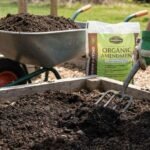
You can add organic matter by mixing in compost or manure. Put a few inches on top of where you’re planting your berries. Then, gently blend it into the soil. Use enough to fit a 2-4 inch layer for the best nutrients for your plants.
Adjusting pH for Berry-Specific Requirements
Berry plants need the right soil pH to take in nutrients and avoid health problems. They like the soil a bit acid, from 5.5 to 6.5 pH. The soil’s pH level can stop plants from using nutrients if it’s not right, making them grow poorly and give fewer fruits.
If your soil’s pH isn’t in the best range, you’ll need to fix it. To raise pH in too-acidic soil, use lime as the test suggests. For soil that’s too alkaline, lower the pH by adding sulfur or acidic stuff like peat moss.
It’s very important to test your soil before you change the pH. This helps you know exactly what your plants need. Then, you can provide them with the perfect environment for growing well.
By adding organic matter and getting the soil pH right, you help your berries grow strong and healthy. These steps, along with good soil care, are key for your berry plants’ success in the long run.
Techniques for Optimizing Soil Structure and Drainage
Making soil just right for berries is key. Start by tilling and aerating the soil. Then, focus on good drainage. This way, your plants get what they need without too much water.
Tilling and Aerating Your Soil
Tilling breaks up and loosens the soil. It makes the soil drain better and lets plant roots grow easier. Use a garden fork or tiller to dig 8-12 inches deep. Be careful not to till too much, which can harm the soil’s health.
Aerating adds air pockets to the soil. This makes it hold moisture better and helps roots grow well. Use a garden fork or mechanical aerator to poke holes. This step also stops soil compaction, allowing water to drain well and roots to breathe.
Best Practices for Drainage Improvement
To avoid waterlogging and root problems, drainage needs improving. Here are some helpful tips:
- Plant berries on a slope if you can. This lets extra water run off.
- Adding organic matter to the soil improves drainage. Try compost or manure.
- Raised beds or mounds lift plants, helping water flow away from roots.
- If your area holds water, consider adding drains. Get help from an expert if needed.
Focusing on soil structure and drainage helps your berry plants grow strong. Check the moisture often and adjust as needed. This keeps your plants in the best shape.
Long-Term Soil Health and Maintenance Strategies
To keep growing berries year after year, taking care of the soil is key. Good soil care makes a place where your berry plants can thrive. Here are tips to keep your soil healthy all the time.
Seasonal Soil Care Tips
In spring, recharge the soil with nutrients and fix any hard or compacted spots. Use materials like compost or manure to make soil richer. Adding a layer of mulch keeps in moisture and keeps the soil’s temperature even.
During summer, watch how much you water and fight off weeds. Berries need water, especially in the heat. Mulching not only saves water but also stops weeds from stealing water and nutrients from your plants.
In fall, consider planting cover crops like clover or winter rye. These crops keep the soil from washing away and make it better. As they break down, they add nutrients that help your berries grow. Also, fall is a good time to check your soil and fix it before next year.
Using Cover Crops and Crop Rotation to Enhance Soil Quality
Adding cover crops is a great way to build healthy soil for the long run. They add good things to the soil, stop weeds, and keep the ground from blowing or washing away. Plus, they help the soil cycle nutrients better.
Crop rotation is also good for keeping soil healthy. By swapping what you plant in different spots every year, you avoid diseases and pests. This method ensures the soil stays rich in nutrients and balanced, which is good for all your plants.
Using these tips and techniques can make your soil better over time. Healthy soil means your garden keeps working well, not just for berries but for everything you grow.
FAQ
Why is it important to prepare the soil for berry planting?
Preparing the soil is key for berries to grow well. It makes sure the plants get the right nutrients and the soil drains properly.
What are the unique soil needs of berry plants?
Berry plants need soil that drains well, is a bit acidic, and full of organic matter. This soil helps roots grow strong and takes in nutrients well.
What are the benefits of properly preparing the soil before planting berries?
Proper soil prep helps roots grow and absorbs nutrients better. It also keeps water well and fights off weeds. This leads to strong, healthy berry plants that make a lot of fruit.
Why is it important to understand soil pH and texture for successful berry cultivation?
Soil pH and texture affect how well berry plants get nutrients. Knowing and adjusting these is key. It makes sure water drains well and roots grow strong.
What are essential soil amendments for growing berries?
For berries, add compost and adjust pH with lime or sulfur. This makes the soil better at feeding plants and holding water.
How can I optimize soil structure and drainage for healthy berry plants?
Tilling and aerating soil makes it better for roots. To improve drainage, add compost. Making slopes or raised beds can also help avoid too much water.
How can I maintain long-term soil health for sustained berry production?
Regular care every season is vital for soil and berry health. Add organic matter, mulch, and avoid too much fertilizer. Plus, try cover crops and crop rotation.