




Want a natural way to boost your brain and improve your cognitive health? Look to your backyard! Homegrown blackberries are great for brain health. They taste good and are full of antioxidants that help your memory, focus, and cognitive function.
Studies show that blackberries’ antioxidants protect the brain from oxidative stress and reduce inflammation. These issues can lead to cognitive decline and diseases like Alzheimer’s. Eating homegrown blackberries can help keep your brain sharp and healthy.
But how do blackberries help your brain? And what do studies say about their benefits? This article will dive into how homegrown blackberries and cognitive health are linked. We’ll cover the science behind antioxidants and how to grow your own blackberry bushes. You’ll learn how to use these amazing berries for your brain’s health.
Key Takeaways:
- Homegrown blackberries can significantly improve cognitive health.
- The antioxidants in blackberries protect the brain against oxidative stress and reduce inflammation.
- Scientific studies have supported the cognitive health benefits of blackberries.
- Growing your own blackberry bushes allows you to have a fresh supply of these brain-boosting berries.
- Incorporating blackberries into your diet can enhance memory, focus, and overall cognitive function.
Table of Contents
The Cognitive Health Benefits of Antioxidants in Blackberries
Antioxidants keep our brains healthy by fighting off stress and inflammation. Blackberries are full of these good stuff. They help our brains work better and keep us sharp.
Understanding Antioxidants and Cognitive Health
Antioxidants protect our cells from harm caused by free radicals. These bad guys can mess up how our cells work and lead to diseases, including brain problems.
Antioxidants stop free radicals from causing trouble in the brain. This means our brains stay healthy and we don’t lose our memory as we get older.
How Blackberries Improve Brain Function
Blackberries are loaded with antioxidants like anthocyanins and vitamin C. These help keep brain cells safe and support brain health.
Eating blackberries can make our memory better, help us focus, and keep our brains sharp. The antioxidants in blackberries also make sure our brain gets the nutrients it needs.
Scientific Studies Supporting Blackberry Benefits
Many studies show that blackberries are good for our brains. A study in the Journal of Agricultural and Food Chemistry found they boost memory and brain communication.
Another study in the Journal of Nutrition said blackberries help older people think better. The researchers think blackberries can slow down brain aging.
With all the science backing it up, eating blackberries is a great way to keep our brains healthy. It’s easy and yummy too!
Nutritional Profile of Blackberries
Blackberries are tasty and good for your health. They have a great nutritional profile.
Key Vitamins and Minerals
Blackberries are full of vitamin C. This vitamin helps your immune system and makes collagen. They also have vitamin K for blood clotting, bone health, and brain work.
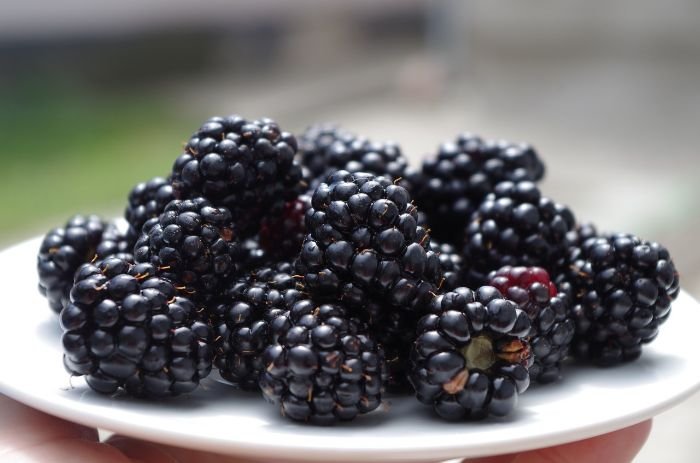
Blackberries give you manganese for metabolism, bone growth, and fighting off free radicals. They also have potassium for your heart and kidneys.
Now, let’s talk about blackberries and antioxidants:
Antioxidant Properties
Blackberries are packed with antioxidants like anthocyanins and ellagic acid. These protect your cells from damage by free radicals. They reduce inflammation, help your immune system, and keep your brain healthy.
Let’s look at how blackberries help your digestive health:
Dietary Fiber and Digestive Health
Blackberries are a great source of dietary fiber. This fiber helps your digestion and keeps your bowel movements regular. Eating enough fiber from fruits and veggies can make your digestive health better. It also helps your gut and brain work together.
In conclusion, blackberries are full of nutrients like vitamins, antioxidants, and fiber. These help your overall health and brain function. Adding blackberries to your meals can make you feel better and think clearer.
Preparing to Grow Blackberries at Home
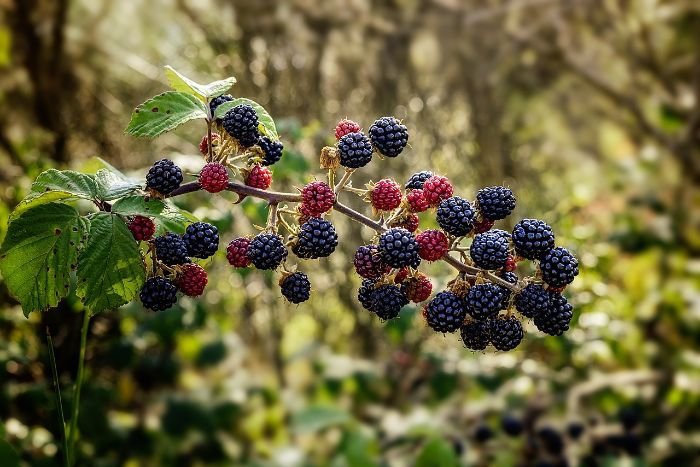
Growing blackberries at home is rewarding and tasty. But, you need to prepare well for success. Think about choosing the right blackberry types, knowing the best soil and climate, and picking the perfect spot to plant.
Choosing the Right Blackberry Varieties
There are many blackberry types to pick from. Each one has its own taste, size, and way of growing. It’s key to pick ones that fit your area and climate. Some top choices include:
- Chester
- Triple Crown
- Marion
- Navaho
Picking the right blackberries means you’re more likely to have a great harvest.
Ideal Soil and Climate Conditions
Blackberries love soil that drains well and is full of organic stuff. Check your garden’s soil before planting and add what it needs. They also need certain climates, so know yours to pick the best types.
Selecting the Perfect Planting Site
The spot you pick for blackberries is very important. They need lots of sunlight, so choose a spot that gets at least six to eight hours of sun a day. The soil should drain well to stop water from pooling. Don’t pick a spot that often floods.
Think about the blackberry types, soil, climate, and spot you’re planting in. This will help you start your blackberry growing journey right.
Planting Blackberry Bushes
Planting blackberry bushes needs careful thought on when to plant and how to do it. You also need to think about spacing and trellising. By doing these things right, you can make sure your blackberry plants grow well and give you lots of tasty berries.
When to Plant Blackberries
The best time to plant blackberries is in late winter or early spring. The soil should be ready to work in and frost should be gone. This lets the plants get their roots set before it gets too hot, helping them grow strong and produce well.
Proper Planting Techniques
Before you plant, clear the soil of weeds, rocks, and debris. Blackberries do best in soil that drains well and has a pH between 5.5 and 6.5. Add compost or aged manure to the soil to make it richer and better at draining.
When you put the blackberry plants in the ground, spread their roots out and set them in the hole. Make sure the crown is a bit above ground to stop rot. Fill the hole with soil, pressing it down gently to get rid of air pockets.
Spacing and Trellising
It’s important to space blackberry plants right so they get enough sunlight and air. Put them 2 to 3 feet apart in rows, and leave 6 to 8 feet between rows. This gives them room to grow and makes it easier to take care of them and pick the berries.
Trellising blackberry bushes helps them grow tall and makes taking care of them easier. Set up a trellis with strong posts and wires that will hold the plants up as they grow and produce fruit. Training the canes on the trellis also helps with pruning and picking.
Using the right techniques for planting, spacing, and trellising is key to growing blackberries well. Follow these tips to get healthy and productive blackberry bushes. They will give you lots of delicious berries every year.
Caring for Your Blackberry Bushes
Proper care is key for blackberry bushes to stay healthy and productive. This guide covers watering, fertilizing, and pruning to help your plants grow well.
Watering and Irrigation Needs
Blackberry bushes need regular water to do well. Keep the soil moist but don’t overwater to prevent root rot. Aim for about one inch of water per week from rain or a hose.
Use drip irrigation or soaker hoses at the plant’s base for even watering. Water in the morning or late afternoon to help prevent disease.
Fertilization and Soil Management
Feeding your blackberry bushes with the right nutrients is crucial. Fertilize in early spring with a balanced fertilizer. Also, add organic matter like compost to improve soil.
Check the soil’s pH often. It should be slightly acidic, between 5.5 and 6.5.
Pruning and Training for Optimal Growth
Pruning and training are key for healthy growth and more fruit. Prune in late winter or early spring before new growth starts. Cut out dead, damaged, or weak canes.
Train the canes on a trellis for better air flow and sunlight. Make sure canes are well-spaced for growth.
Managing Pests and Diseases
Blackberry plants face pests and diseases that can slow their growth and cut fruit production. It’s key to spot and handle these problems to keep plants healthy and boost yields. We’ll look at common pests, how to prevent and treat diseases, and organic and chemical ways to manage pests.
Common Pests Affecting Blackberries
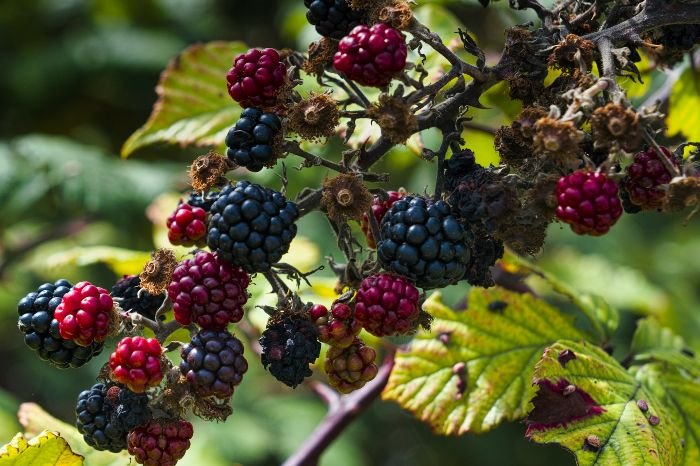
Blackberry bushes get attacked by pests like aphids, spider mites, blackberry psyllids, and Japanese beetles. These pests can harm leaves, slow growth, and lower fruit quality and amount. Checking plants often for pests and dealing with them fast can stop more damage.
Disease Prevention and Treatment
Stopping diseases is key to keeping blackberry plants healthy. Good cultural practices, like good air flow, not overwatering, and keeping things clean, help lower disease risk. Choosing disease-resistant blackberry types also cuts down on infections.
For treating diseases, catching them early and acting fast is key. Fungal diseases like anthracnose and cane blight can be fought with pruning and fungicides. Bacterial diseases, like fire blight, might need removing and destroying infected parts to stop them from spreading.
Organic and Chemical Control Methods
Organic pest control is a green way to fight pests. This includes using helpful insects like ladybugs and lacewings against aphids and plant-based insecticides. You can also use mesh netting to keep pests out.
Sometimes, chemical pest control is needed to handle pests and diseases well. Always follow the directions on chemical pesticides to use them safely and effectively. Talk to local farm experts and extension services for advice that fits your area and situation.
Harvesting and Using Your Blackberries
Once your blackberries are ripe, it’s time to pick them and enjoy their taste. Picking them at the right time gives the best flavor and nutrition. We’ll talk about how to know when they’re ripe, how to pick them, and how to store and preserve them.
Recognizing Ripeness
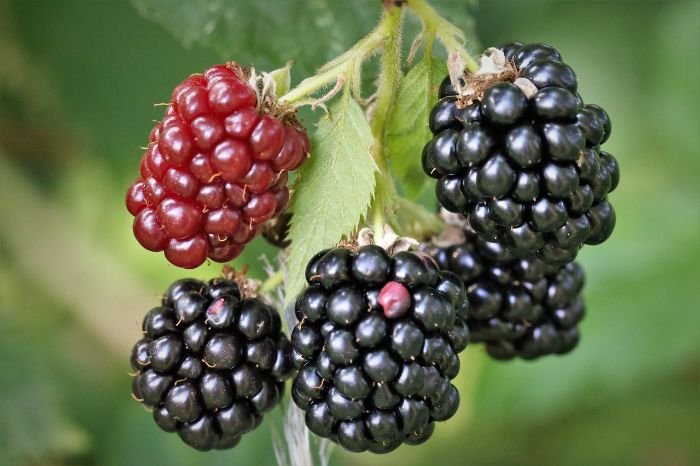
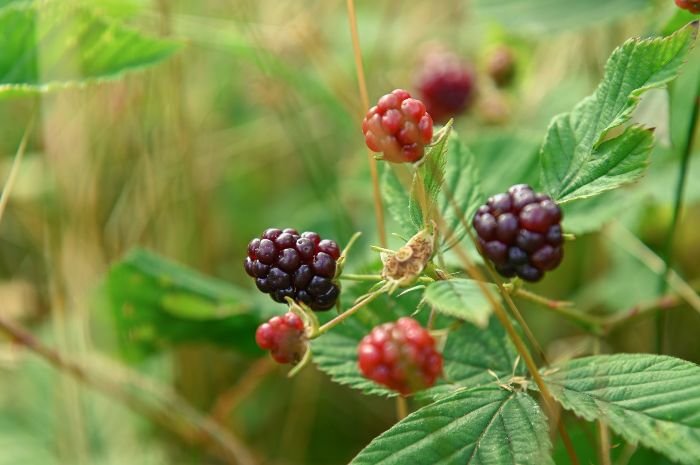
Before picking, learn to spot ripe blackberries. They turn deep, dark colors when they’re ready. They should be plump and firm, and come off the stem easily. Don’t pick berries that are still red or purple, they’re not yet ripe.
Harvesting Techniques
When picking blackberries, be gentle. Use your fingers to twist the ripe berries off the stem. Don’t pull hard, it can hurt the fruit or the plant. Put the berries in a shallow container to keep them safe and let them breathe.
Storing and Preserving Blackberries
Keep your blackberries fresh by storing them right. Take out any bad berries first. Put the clean berries on a paper towel and cover them with another paper towel or plastic wrap. Keep them in the fridge for a few days.
If you have lots of blackberries, consider preserving them. Freezing is a good way to keep them for later. Wash and dry the berries, then spread them on a tray and freeze. Once frozen, move them to airtight containers or freezer bags.
Delicious Blackberry Recipes
Now you know how to pick and store blackberries, it’s time to cook with them. They’re great in many dishes, from desserts to salads. Here are some tasty recipes to try:
- Blackberry Crumble – A warm dessert with juicy blackberries and a crumble topping.
- Blackberry Salad with Goat Cheese – A fresh salad with greens, goat cheese, and sweet blackberries.
- Blackberry Smoothie – A healthy smoothie to start your day, with blackberries, yogurt, and other fruits.
- Blackberry BBQ Sauce – A special BBQ sauce that adds a unique flavor to your grilled food.
Try different recipes in the kitchen to enjoy the taste and health benefits of blackberries.
Conclusion – Enhance Your Cognitive Health with Homegrown Blackberries
Homegrown blackberries are a tasty way to boost your brain health. They are full of antioxidants that protect brain cells from damage. Eating these berries can help keep your brain sharp and lower the risk of losing your memory.
Studies show that blackberries help with memory and learning. They have antioxidants called anthocyanins that make your brain work better. Eating a few blackberries every day can improve your focus and thinking skills.
Blackberries are also full of vitamins and minerals good for your brain. They have vitamin C, which helps make neurotransmitters and improve brain messages. Vitamin K in blackberries keeps brain cells safe and fights off age-related brain problems.
So, adding homegrown blackberries to your meals is a great idea for your brain health. You can put them in smoothies, salads, or just eat them fresh. Growing your own blackberries is a fun way to get better brain function and health.
FAQ
What are the cognitive health benefits of antioxidants in blackberries?
Blackberries help keep your brain healthy. They fight off harmful stress and inflammation in the brain. This improves memory, focus, and overall brain health.
How do blackberries improve brain function?
Blackberries have important vitamins and minerals like vitamin C and K. These are key for a healthy brain. Their antioxidants protect the brain from damage, helping it work better.
What is the nutritional profile of blackberries?
Blackberries are full of vitamins C and K, important for your brain. They also have antioxidants that shield the brain from harm. Plus, they’re high in fiber, which helps your gut and brain work together.
How do I prepare to grow blackberries at home?
Pick the right blackberry types for your area and soil. Choose a spot with lots of sun and good drainage. With some planning, you can grow your own tasty blackberries.
When is the best time to plant blackberries?
Planting blackberries at the right time is key. Make sure the soil is ready and handle the plants carefully. Use the right spacing and trellises for healthy growth.
How can I manage pests and diseases affecting blackberry plants?
Watch out for pests and diseases in blackberry plants. Use the right methods to keep them healthy. Choose between organic and chemical ways to fight off pests and diseases.