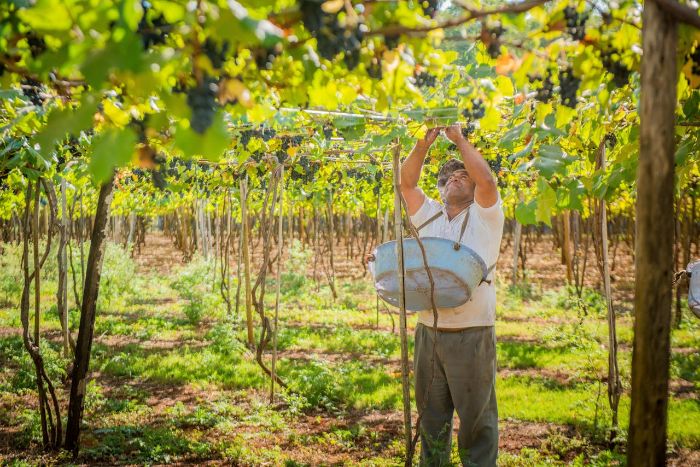






Have you ever thought about growing superfruits in your backyard? Imagine having lots of antioxidant-rich berries right by your kitchen. The good news is, you can do this, and blueberries are a great fruit to start with.
Blueberries taste great and are full of antioxidants. These small berries fight off free radicals, reduce inflammation, and help your health. Growing your own blueberries lets you enjoy their amazing benefits.
This article will show you how to grow blueberries for antioxidants in your backyard. We’ll talk about getting your garden ready, picking the best blueberry types, planting, and caring for them. We’ll also cover how to keep pests away, the best time to pick them, and how to keep your blueberries fresh all year.
By the end, you’ll know everything you need to grow these healthy fruits and use their antioxidant power.
Key Takeaways:
- Blueberries are full of antioxidants and are good for your health.
- Growing blueberries lets you enjoy fresh, nutritious berries right in your backyard.
- We’ll help you prepare your garden, plant, care for, and protect your blueberries.
- You’ll learn the best time to pick and enjoy your blueberries.
- With our tips, you can grow blueberries for antioxidants in your backyard and enjoy their benefits.
Table of Contents
Understanding the Antioxidant Properties of Blueberries
Blueberries are tasty and full of health benefits because of their antioxidants. But what are antioxidants?
What Are Antioxidants?
Antioxidants protect our cells from harmful molecules called free radicals. These free radicals can harm our cells and lead to aging and diseases. Antioxidants stop these free radicals from causing damage.
Blueberries have a lot of antioxidants called anthocyanins. Anthocyanins give blueberries their bright color and are powerful antioxidants.
Health Benefits of Blueberry Antioxidants
Eating blueberries can help our health in many ways. Here are some benefits:
- Reduce inflammation – Blueberry antioxidants fight inflammation in our bodies. This can lower the risk of heart disease, diabetes, and obesity.
- Improve cognitive function – Eating blueberries can make memory and thinking better, especially for older people.
- Promote heart health – Blueberries help keep the heart healthy by lowering blood pressure and improving cholesterol levels.
- Protect against chronic diseases – Blueberries can lower the risk of cancers like breast, colon, and prostate cancer.
Scientific Studies Supporting Blueberry Benefits
Studies back up the health benefits of blueberries and their antioxidants. Many studies have shown how blueberries can improve our health and well-being.
A study in the Journal of Nutrition found that blueberry powder can help older adults with mild cognitive impairment. It improved their memory and thinking skills.
Another study in Circulation Research showed that eating blueberries can make blood vessels healthier. This is good for our heart and overall cardiovascular health.
With strong scientific proof, adding blueberries and their antioxidants to our diet can really help our health.
Preparing Your Garden for Blueberries
Before you start growing blueberries, make sure your garden is ready. This means creating the perfect conditions for them to grow. Doing this will help your blueberries grow well and give you lots of fruit.
Ideal Soil Conditions
Blueberries need special soil to grow well. They do best in acidic soil with a pH between 4 and 5.5. This is important because it affects how well plants get nutrients, which is key for their health and how much they produce.
To get the soil right, test it to see the pH level. If it’s off, add things to the soil to fix it.
Choosing the Right Blueberry Varieties
When picking blueberry types, think about your local weather and where you live. Some blueberries need certain temperatures and chill hours to grow well. You can choose from highbush, lowbush, and rabbit-eye blueberries. Pick ones that fit your area and will do well in your garden.
Site Selection and Sunlight Requirements
Choosing the right spot for blueberries is key. They need lots of sun to make lots of fruit. So, pick a spot that gets at least 6-8 hours of direct sunlight a day.
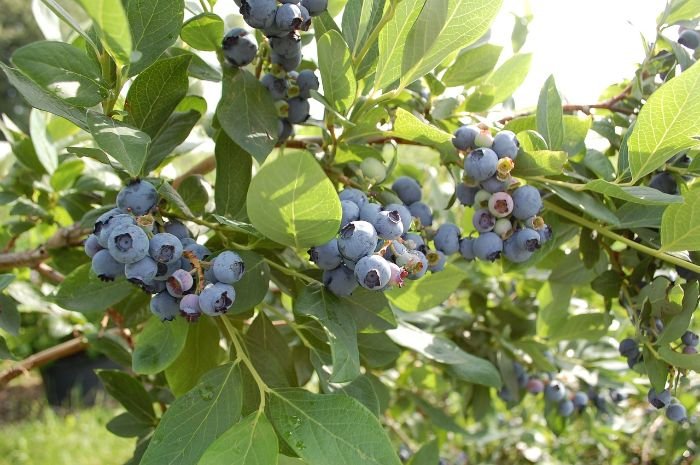
Also, make sure the spot has good air flow to keep diseases away. And protect it from strong winds that could hurt the plants. With the right sunlight and conditions, your blueberries will do great.
Planting Blueberries
Planting blueberries the right way is key to their growth. By using the best planting methods, you help them grow well. This makes sure they thrive in their new home.
When to Plant
Spring or fall are the best times to plant blueberries. This lets the roots get ready before summer heat or winter cold. Pick a time when the soil is easy to work with and it’s not too hot or cold.
Spacing and Depth Guidelines
How far apart and deep to plant blueberries depends on the type. Dig a hole big enough for the roots. Leave enough space for the plant to spread out. Always check the specific advice for your blueberry type for the right depth and spacing.
Using Mulch for Moisture Retention
Mulching around blueberry plants is very helpful. It keeps the soil moist, so you water less often. It also stops weeds from growing, giving the blueberries more room and resources. Plus, mulch keeps the soil temperature right, protecting the roots from harsh weather.
Caring for Your Blueberry Plants
Proper care and maintenance of blueberry plants are key for their health and productivity.
Watering Requirements
Blueberries need regular watering, especially when it’s dry. This ensures they get enough moisture. Give them a deep watering to fill the root zone and help roots grow strong.
Fertilization Tips
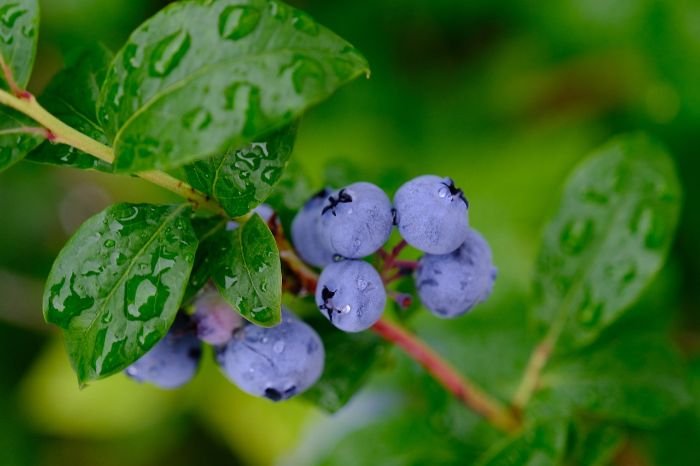
Fertilizing is vital for blueberry plants’ growth and health. Use a balanced fertilizer made for blueberries every year. It gives them the nutrients they need for growth, fruiting, and fighting diseases.
Pruning for Health and Productivity
Pruning is key to keeping plants healthy, removing dead branches, and boosting fruit production. It also helps with air flow and sunlight, lowering disease risk.
“Proper watering, regular fertilizing, and pruning are essential for blueberry plant care.”
Knowing how to water, fertilize, and prune blueberry plants helps them grow well. This way, you’ll get a great harvest.
Protecting Your Blueberry Crop
Protecting your blueberries from pests and diseases is key for a good harvest. Pests and diseases can harm your plants and lower fruit quality. But, with the right strategies, you can keep your blueberries safe and healthy.
Common Pests and Diseases
Blueberries face many pests and diseases that can hurt the plants and cut down fruit production. Birds, aphids, spider mites, and fruit flies are some pests that can eat leaves, berries, and spread diseases. Diseases like powdery mildew and fruit rot can also harm your blueberries, causing leaves to wilt and fruit to decay.
Natural Pest Control Methods
Using natural pest control is a good idea for your blueberries. Ladybugs and lacewings can help control aphids and mites without harmful chemicals. Organic sprays from neem oil or garlic can also keep pests away. These methods are better for the environment and help beneficial organisms grow.
Netting and Other Physical Barriers
Netting is a great way to protect your blueberries from birds. It stops birds from getting to the fruit, helping you avoid losing part of your crop. Make sure the netting is tight and covers the whole plant. You can also use cages or fences to keep rabbits and deer away. These barriers keep pests from getting to your blueberries.
Harvesting and Enjoying Your Blueberries
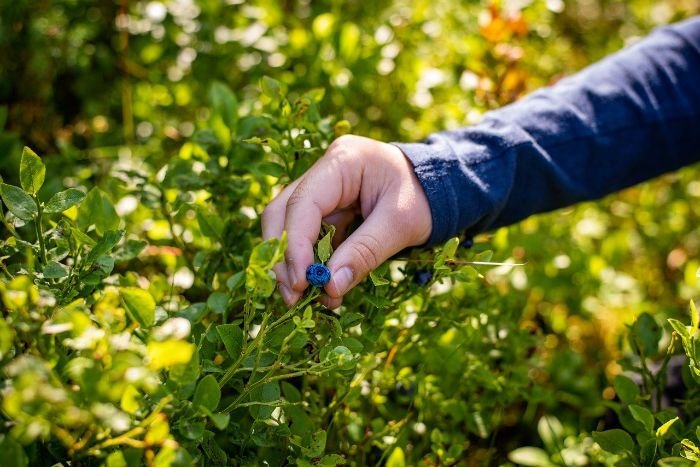
Harvesting blueberries at the right time is key for their best taste and juiciness. They should be picked when fully ripe and deep blue. Use gentle hands to pick them one by one to avoid damage.
Keep blueberries fresh in the fridge, or freeze or can them for later. The right storage keeps them tasting great. Store them in a bag with holes or a container that breathes to stop moisture and mold.
Freezing blueberries, lay them out on a tray first. Once frozen, move them to a container or bag that seals well. This keeps them good for a long time.
Preserving blueberries lets you enjoy them all year. Make jams, jellies, compotes, and syrups for different tastes. Canning them keeps them ready for many recipes, like pies and pancakes.
There are many tasty blueberry recipes to try. Enjoy them in muffins, pancakes, salsa, and smoothies. Try blueberry salads, sauces, and desserts for more flavor and health benefits.
Conclusion – Reaping the Benefits of Homegrown Blueberries
Growing your own blueberries is great for your health and happiness. It also helps the planet. Homegrown blueberries have more antioxidants than store-bought ones. These antioxidants help keep you healthy and boost your immune system.
But there’s more to it than just health benefits. Taking care of your garden is very rewarding. There’s nothing like picking fresh blueberries from your own plants. You’ll feel proud knowing you grew them from tiny seeds.
Plus, growing your own blueberries makes you more self-sufficient. It means you don’t have to rely on others for your food. With the advice in this article, you can enjoy the many benefits of growing your own blueberries. You’ll have a garden full of delicious, healthy berries.
FAQ
What are the health benefits of blueberry antioxidants?
Blueberry antioxidants help reduce inflammation and boost brain function. They also support heart health and fight chronic diseases like cancer.
What are the ideal soil conditions for growing blueberries?
Blueberries grow best in acidic soil with a pH of 4 to 5.5. The soil should drain well and be rich in organic matter.
How do I choose the right blueberry varieties?
Pick blueberry varieties based on your climate and zone. Popular types include highbush, lowbush, and rabbit-eye blueberries.
What are the site selection and sunlight requirements for blueberries?
Blueberries need full sun and a spot with good air flow. They should be protected from strong winds.
When is the optimal time to plant blueberries?
Plant blueberries in early spring or late fall when the soil is cool and workable.
What are the spacing and depth guidelines for planting blueberries?
Plant blueberries with the right spacing and depth based on the variety. Dig a hole big enough for the root ball.
How can I use mulch for moisture retention when planting blueberries?
Mulch keeps the soil moist, stops weeds, and keeps the temperature right around blueberry plants.
What are the watering requirements for blueberry plants?
Blueberries need regular watering, especially when it’s dry, to stay moist.
What are common pests and diseases that can affect blueberries?
Birds, aphids, spider mites, and fruit flies can harm blueberries. Powdery mildew and fruit rot are common diseases.